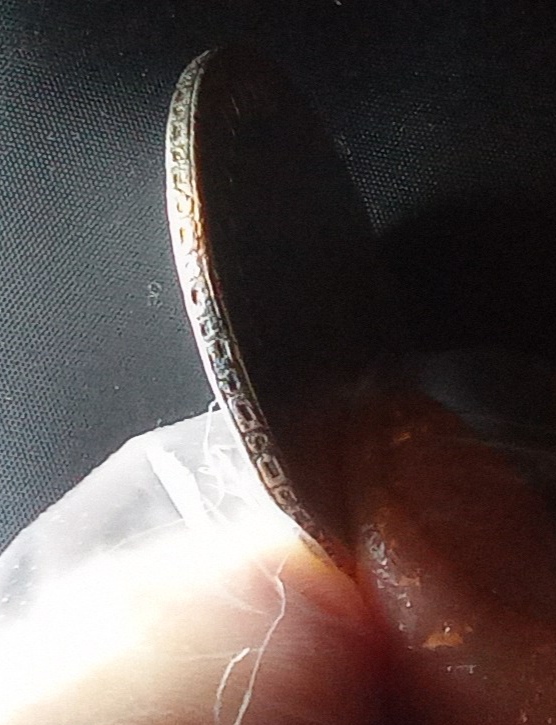
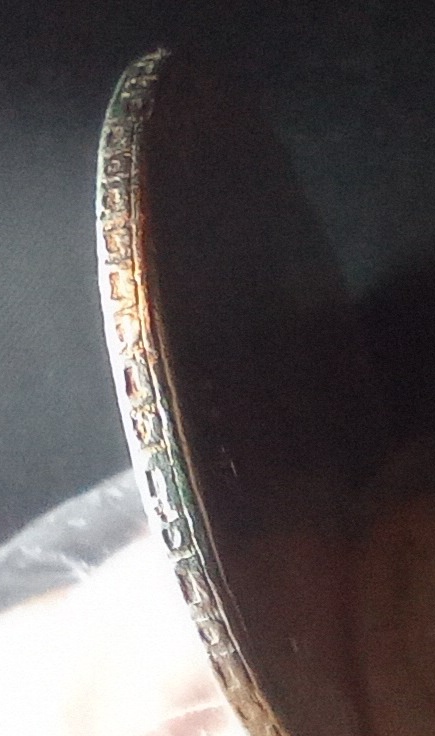
Andi10 The edge pictures demonstrate rather clearly that the coin is not genuine.
The Mexico City edge apparatus used two flat bar dies that were punched using a three-element punch created from the matrix block that originally came from Spain. This matrix block still exists and would have been used for the Iturbide coins. The punch design consisted of two rectangles and a circle between the rectangles. Each time the punch was set into the edge die a circle and one rectangle was added. The last rectangle was overlaped to maintain correct spacing and alignment. The punch was applied to the base of a groove cut into the edger bar die. The rectangle was overlapped with each successive application of the three-element punch so that all rectangles are double punched features, and all of the circles are a single strike impression. This means that no variation in the circles should be visible. None. The rectangles can vary slightly in length but not the circles - yet on your coin the circles are the most variable of the features at times being elongated ovals. The edge simply lacks correct circles.
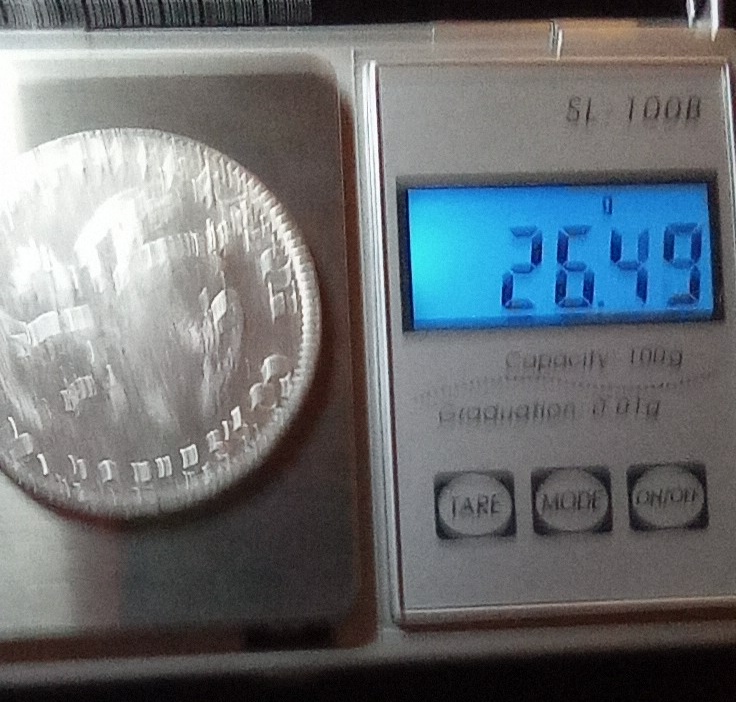
I would agree that the weight of the coin appears to be correct. However, without knowing the volume of the coin no estimate of density can be made. When counterfeiters made coins for circulation, they normally made low assay coins by adding copper to the metal. The weight was easily corrected by rolling the planchet slightly thicker than normal.
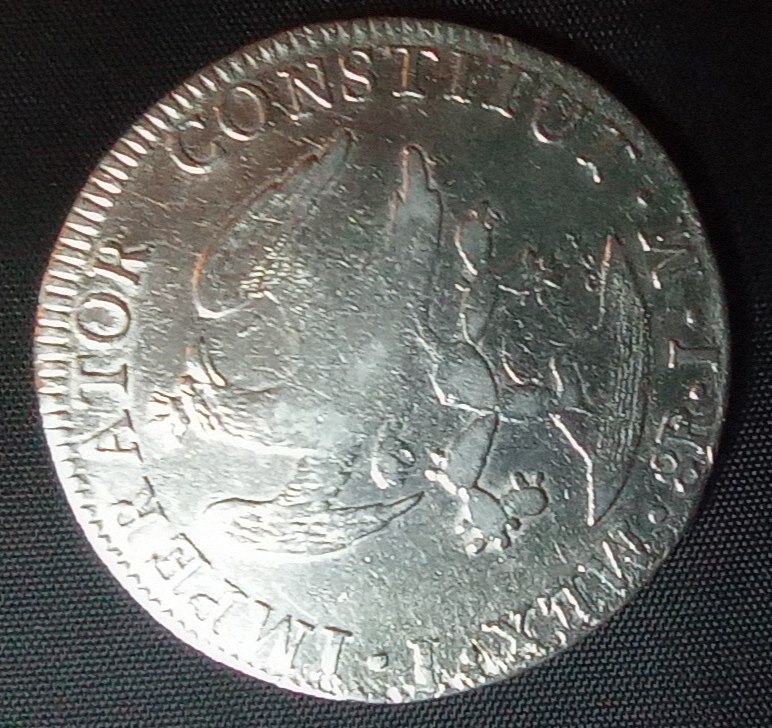
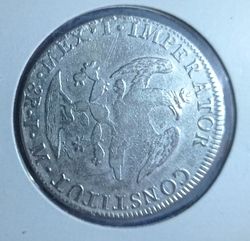
The reflectivity of the Reverse (eagle side) of the coin indicates it was likely chemically cleaned recently. One trick used by counterfeiters and forgers both is to pickle the coin in a heated acid bath to leach some of the surface copper away and leave a very silvery looking surface on the coin.
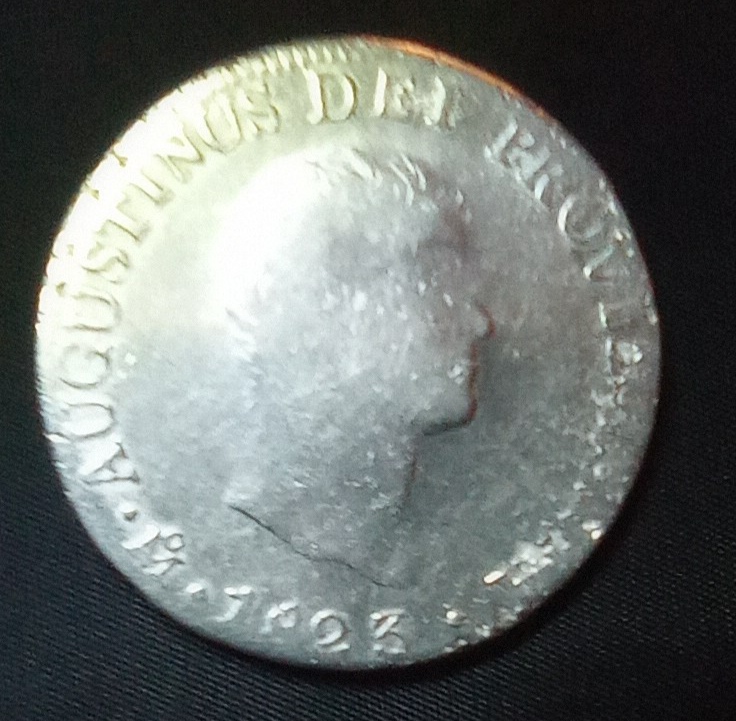
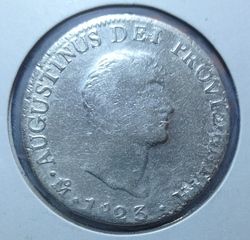
Before I can comment on the die impression it is really critical that CLEAR pictures be provided. The most difficult part of a die to copy correctly are the numbers and letters. I cannot see that detail clearly enough to comment on the font used or the finishing of the die which is visible between the letters and numbers where the original dies surfaces can usually be seen even on a well-worn coin.












 Posted 04/16/2023 02:34 am