First Page
 Previous Page






 Posted 06/25/2023 11:02 am


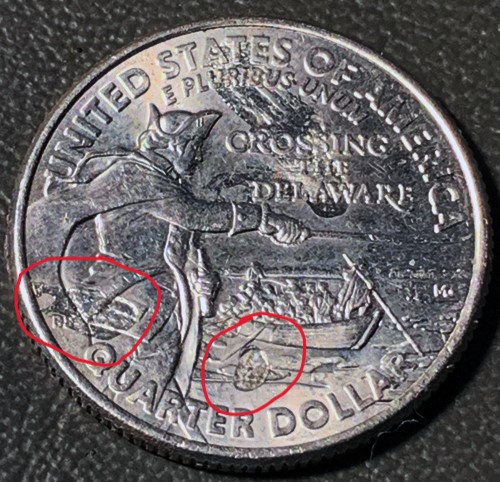
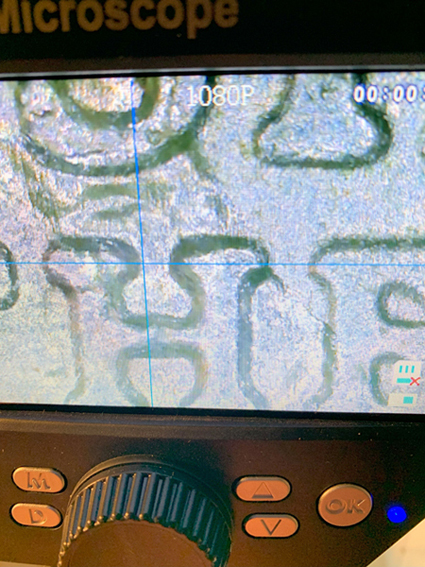
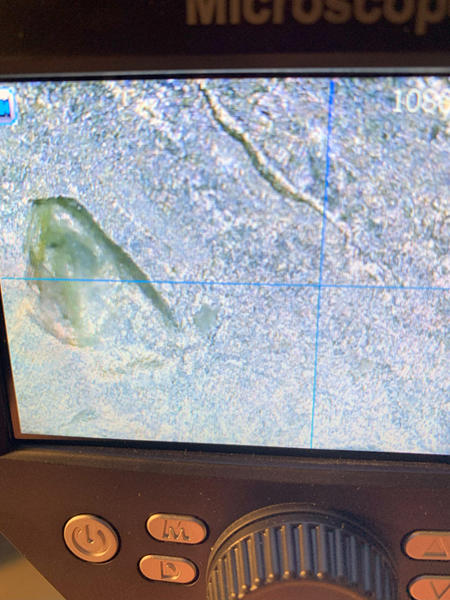
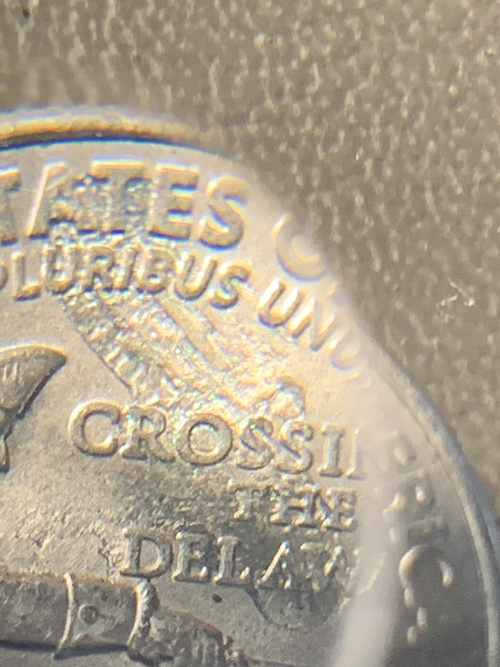
Since the devices appear to have struck up fully, even in the presence of the incuse defect, stuck through grease does not seem likely.
Is it possible the defect was introduced during the cladding process? In order to bond the layers of metal they use rollers that apply substantial pressure, which, while not as great as when struck by the dies, still must be great enough to cause the layers to bond.
Might a foreign substance on the clad layer as it's being rolled produce something like this?
Is it possible the defect was introduced during the cladding process? In order to bond the layers of metal they use rollers that apply substantial pressure, which, while not as great as when struck by the dies, still must be great enough to cause the layers to bond.
Might a foreign substance on the clad layer as it's being rolled produce something like this?