| Author |
 Replies: 12 / Views: 594 Replies: 12 / Views: 594 |
|
|
Valued Member
United States
268 Posts |
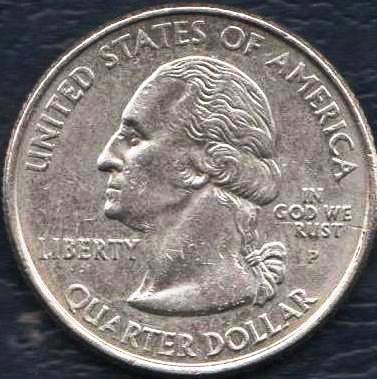
grease made this one filled die
|
|
|
|
Pillar of the Community
Canada
6244 Posts |
@ JIPA:
Photos will help. About grease filling in 2005 I doubt. Let see you coin.
|
|
Valued Member
 United States
268 Posts |
|
|
Moderator
 United States
34572 Posts |
@jipa, rather than creating multiple threads for a single coin, best practice is to only create one. You will see that I have merged your two threads together to help keep it all in one spot. Thx.
"If you climb a good tree, you get a push."
-----Ghanaian proverb
"The danger we all now face is distinguishing between what is authentic and what is performed."
-----King Adz
|
|
Pillar of the Community
United States
1648 Posts |
Nice find.  These are errors called a Struck Through Grease filled die (or just "filled die") error.". Grease strike throughs are very common for the most part, they're probably the most common error type besides laminations, and in the past normally only grease strikes which have obliterated large areas of the coin have shown any decent added value. The exception are coin series which are rarely found with errors of any kind. An example would be a 5 oz America the Beautiful coin, which is a series rarely found with any type of errors. But even for a coin like that, the strike through needs to be fairly large to really add much value. At the moment all these grease strike throughs including the minor ones are however generally selling for a nice small premium despite some being quite common, and some are more popular than others such as the 2005-p kansas in god we rust since it had a nickname, and obviously when enough is missing to entice some of the more serious collectors is where the values tend to be higher.  Edited by datadragon
07/27/2023 3:36 pm
|
|
Bedrock of the Community
United States
80432 Posts |
|
|
Valued Member
United States
268 Posts |
the t in trust is almost not there is that a filled die 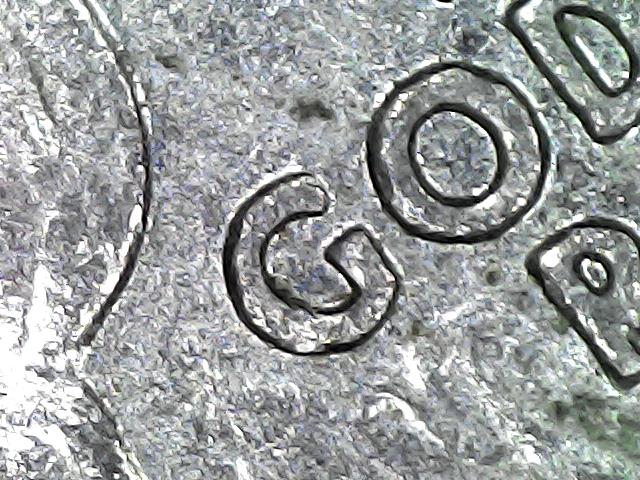 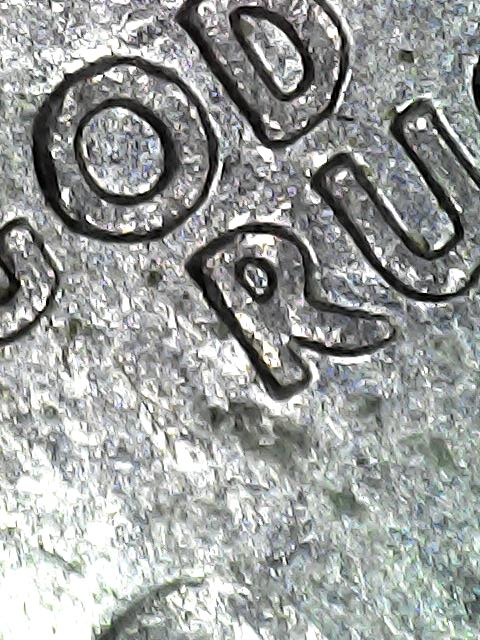 |
|
Pillar of the Community
Canada
6244 Posts |
Yep, Quote:
this is a filled die, just like the 1922 no d cent that you will not find in pocket change. the 22 no d will cost big dollars this variety you can find in pocket change if you like variety like me. I like varieties. Please can you be more explicit with me, I want to learn, and explain me about filling Die on your coin? because according with the Mint from 1999 the grease it is an emulsify liquid solute which could become solid at 380 deg C and more. About the MM in Quarters with No MM the only one which bring premium it is the 1989 which the studies show that was no grease involved and was a Die which was omitted to be punch the MM. |
|
Valued Member
United States
268 Posts |
|
|
Valued Member
United States
268 Posts |
my understanding of filled die was grease, metal dust or even dirt can fill the die
|
|
Bedrock of the Community
United States
94367 Posts |
|
|
Pillar of the Community
Canada
6244 Posts |
@ jipa
Now you talk with me. " metal dust or even dirt can fill the die"
Yes you are correct. Majority of the collectors still be with the pre modern with the Grease Filling. Nothing wrong with.
The new presses do not need grease because are reflexional presses. This mean act as (all know) automatic guns. Mean return back forces recharge the piston.
The emulsion solute contain glycerin (and is use for cool down the Dies and the coins) which will attract all small metallic particles. This is happened and is well know by the Mint. If we want 850 coins strike a minute you will assume some anomalies.
Also is very well know that the clad and plated coins produce metallic dust.
In the case of your coin the Die was fill with metallic dust. In the balance of this it is the surface metallic structure. If was Grease the structure was have different pattern.
Hope help.
Edited by silviosi
07/27/2023 6:26 pm
|
|
Moderator
United States
110055 Posts |
|
| |
Replies: 12 / Views: 594 |
|




 Posted 07/27/2023 3:29 pm