First off, Tyrian shekels are classified as "Greek", not "Roman", even if they were made (or allegedly made) during Roman rule.
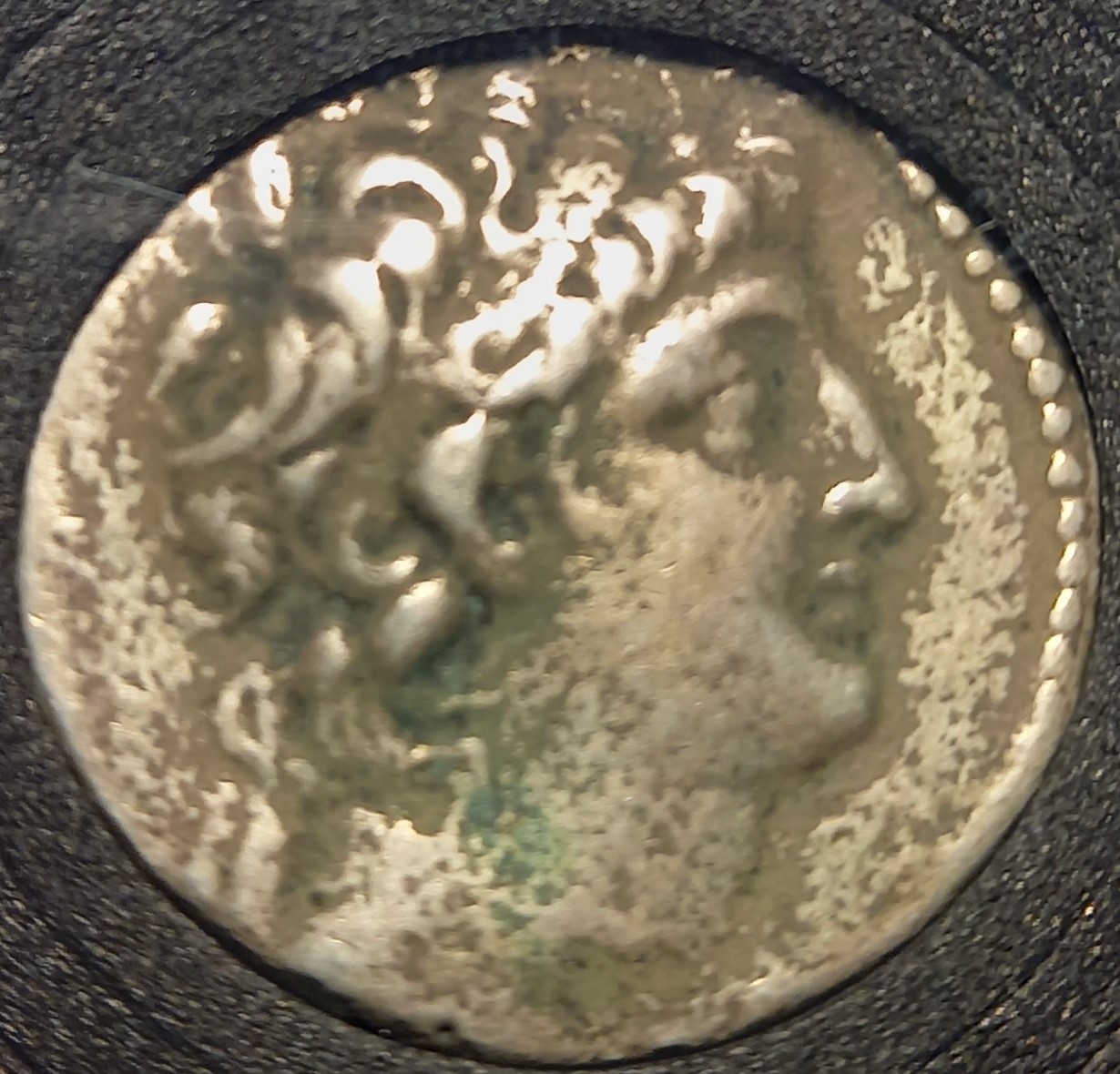
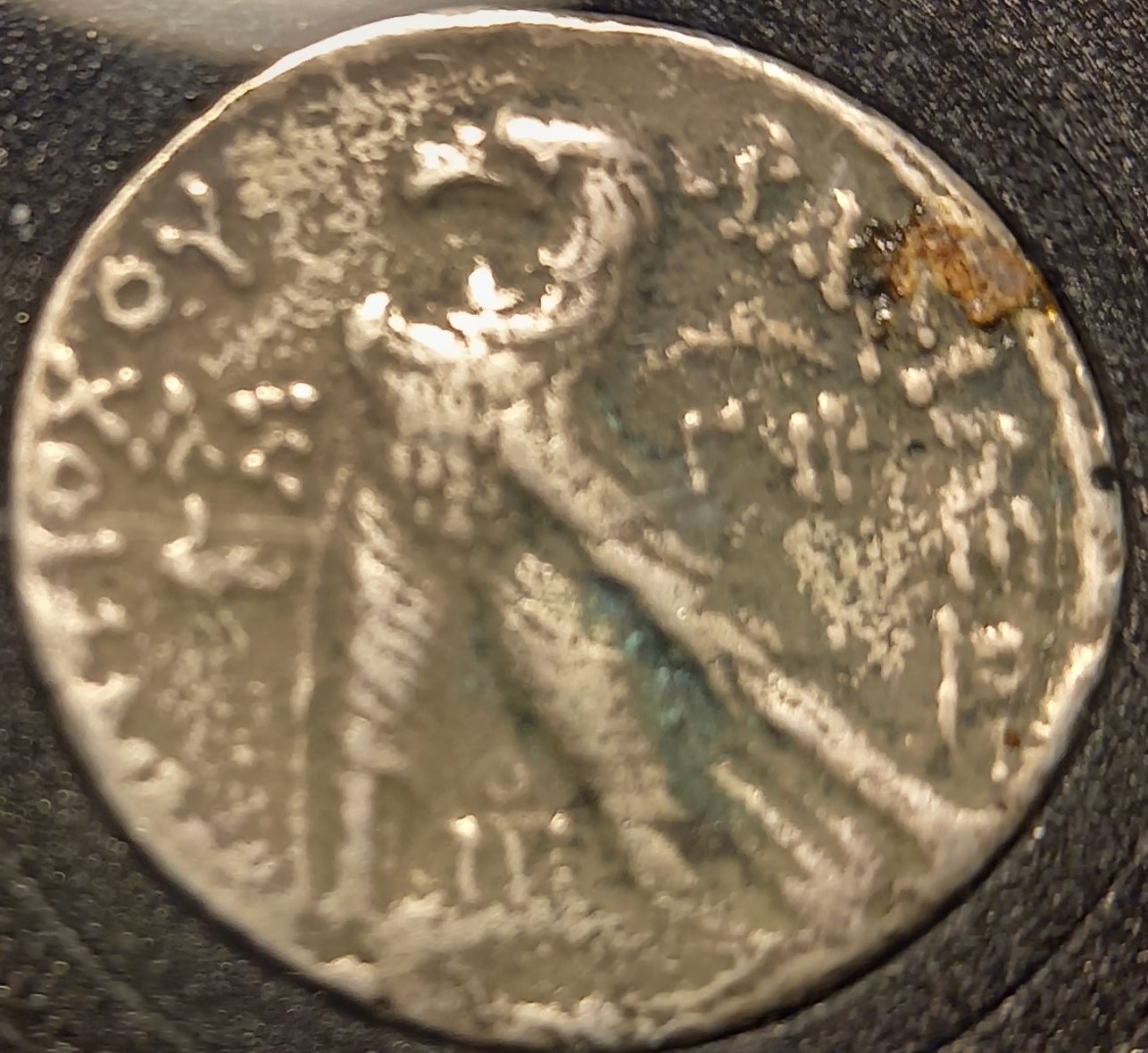
Secondly, this isn't actually a Tyrian shekel - it's a precursor, the coin which Tyre's shekel design were originally copied from. The reverse inscription is "BASILEWS ANTIOXOY" - King Antiochus, which makes it a coin of the Seleukid Empire. To identify which "King Antiochus", we need to identify the date. Fortunately, the Seleukids actually put a date on many of their silver coins: in the case of this coin, that would be gamma-qoppa-ro above the eagle's wing, which converts to Year 193 in the Seleukid calendar, which in turn converts to 119 BC, which conveniently lands in the reign of an Antiochus: Antiochus VIII Gryphus.
By 119 BC, Tyre had already seceded from the Empire, and the "Tyrian design" of the eagle was much less commonly struck by the Seleukids - since that was now seen as "Tyre's thing". But they can still occasionally be found, apparently mostly from the Ascalon mint in what is now Israel.
So, is it genuine? I have to say, it looks more "brassy" than a silver coin ought to look, and the patina is very suspicious-looking - but on the other hand, most of the examples of Ascalon tetradrachms I could find seem to have a very similar appearance.
Here's one from slightly later in the reign of Antiochus VIII. There also isn't a single example of the type in the FORVM fakes database, which is not definitive proof but rather a good sign that it's not often copied (unlike actual Tyrian shekels).
Don't say "infinitely" when you mean "very"; otherwise, you'll have no word left when you want to talk about something really infinite. - C. S. Lewis









 Posted 03/23/2024 3:26 pm





 SAP
SAP 


