| Author |
 Replies: 118 / Views: 5,759 Replies: 118 / Views: 5,759 |
|
|
|
Moderator
 United States
194816 Posts |
Fantastic!  |
|
Pillar of the Community
  United States
2105 Posts |
Edited by cptbilly
08/13/2024 3:59 pm
|
|
Moderator
United States
194816 Posts |
Outstanding! |
|
Pillar of the Community
United States
2105 Posts |
|
|
Moderator
United States
194816 Posts |
Quote:
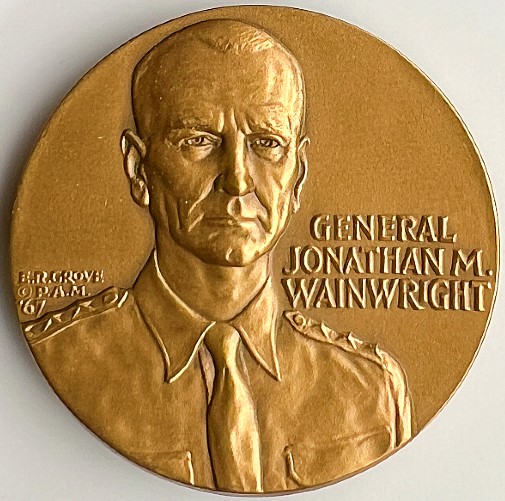
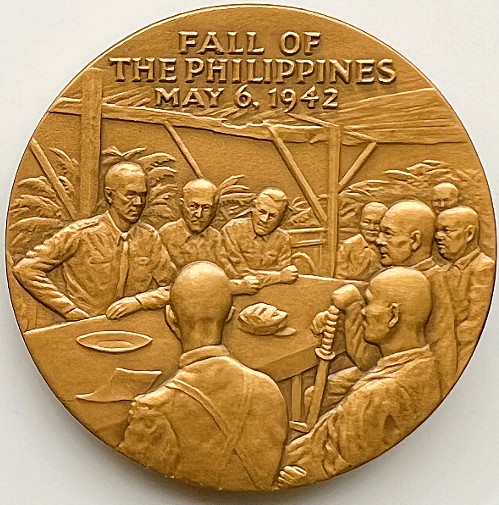
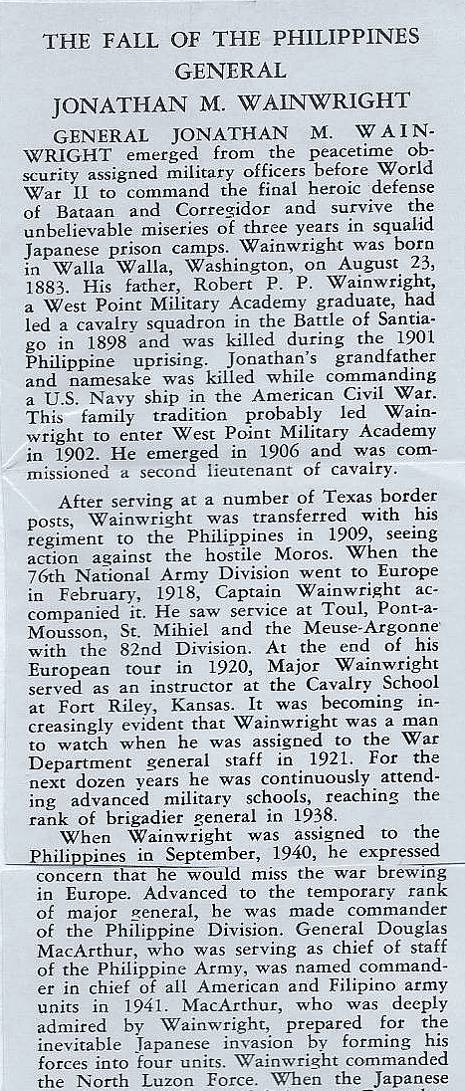
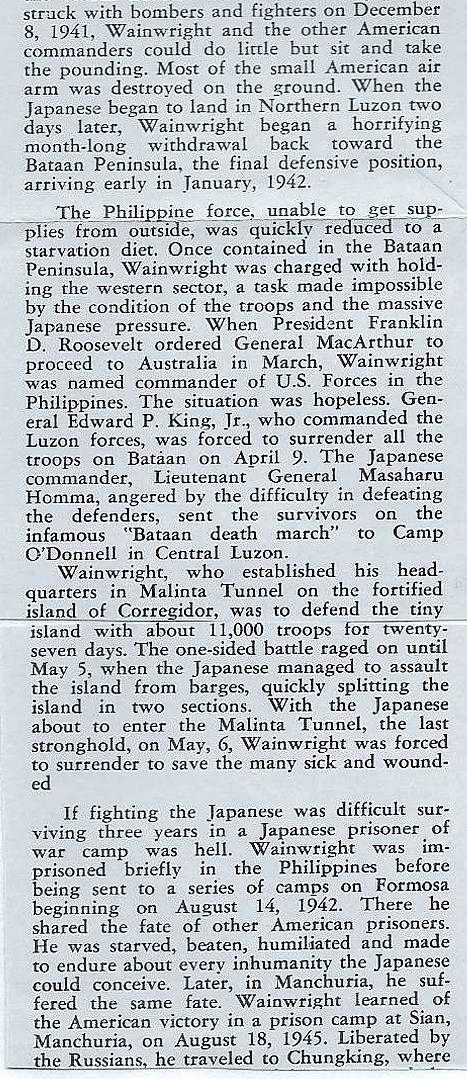
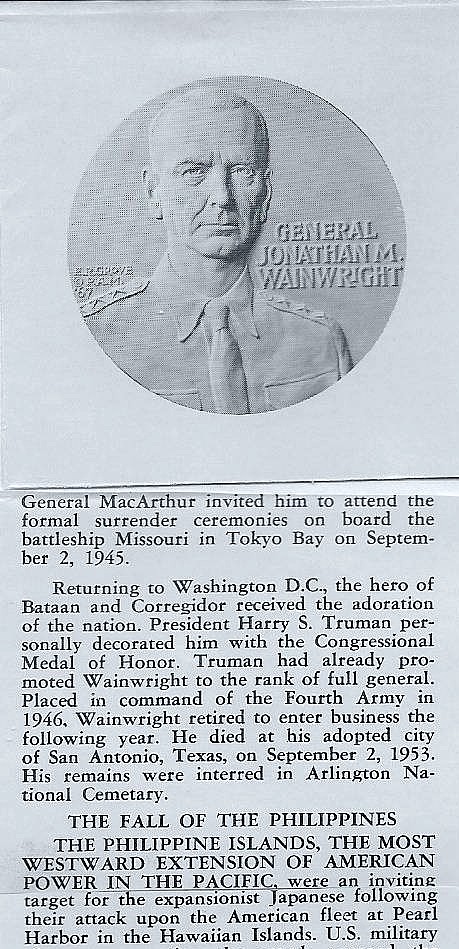
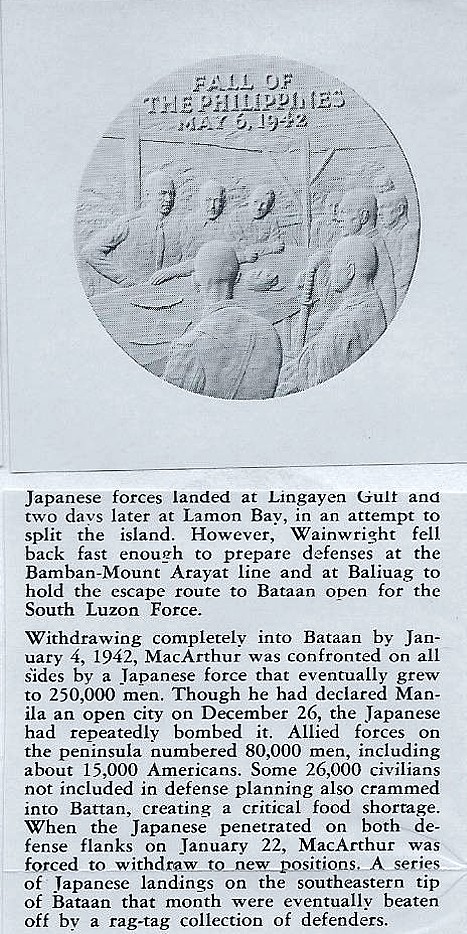
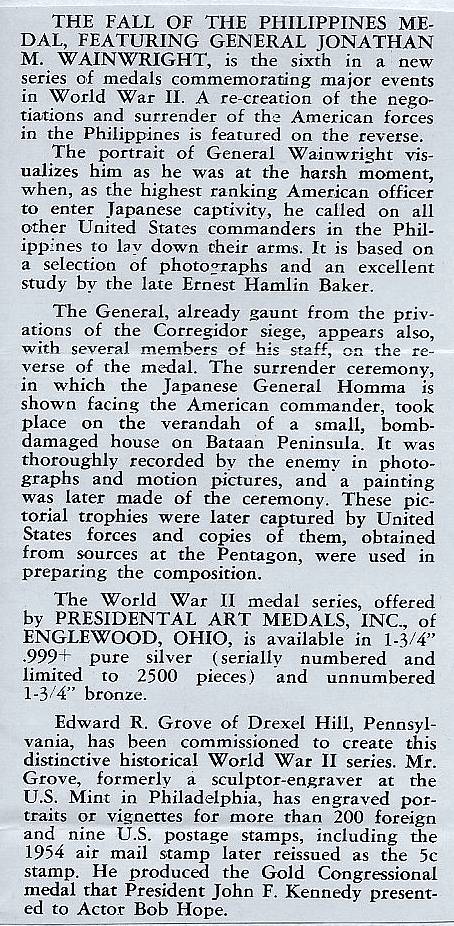
The Fall of The Philippines -- May 6, 1942 -- General Jonathan M. Wainwright Lovely example! |
|
Moderator
United States
105745 Posts |
very nice medal Billy! nice story - thanks for posting.
|
|
Pillar of the Community
United States
2105 Posts |
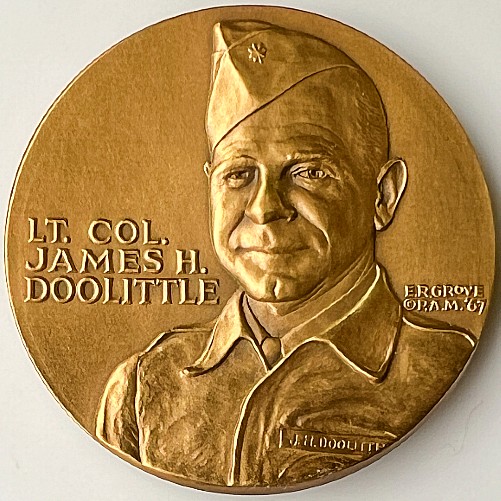
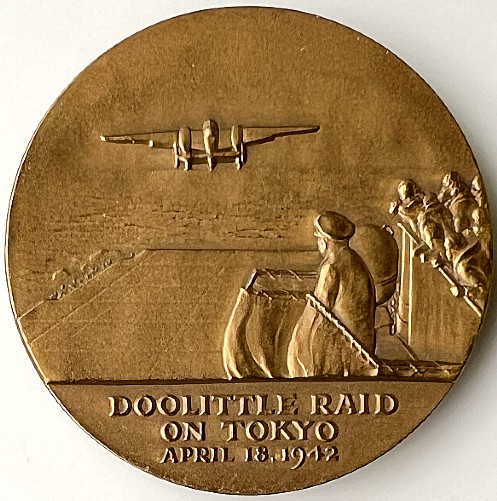
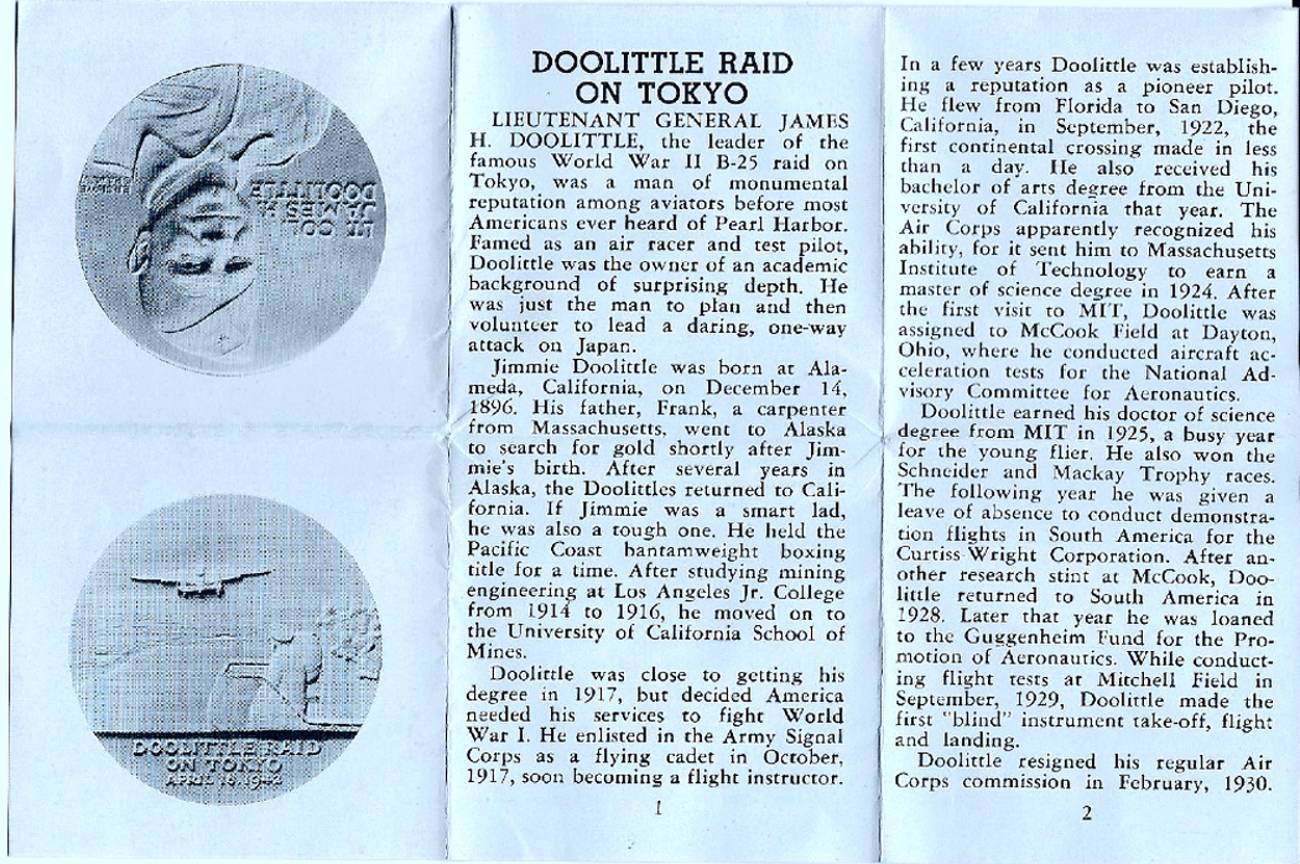
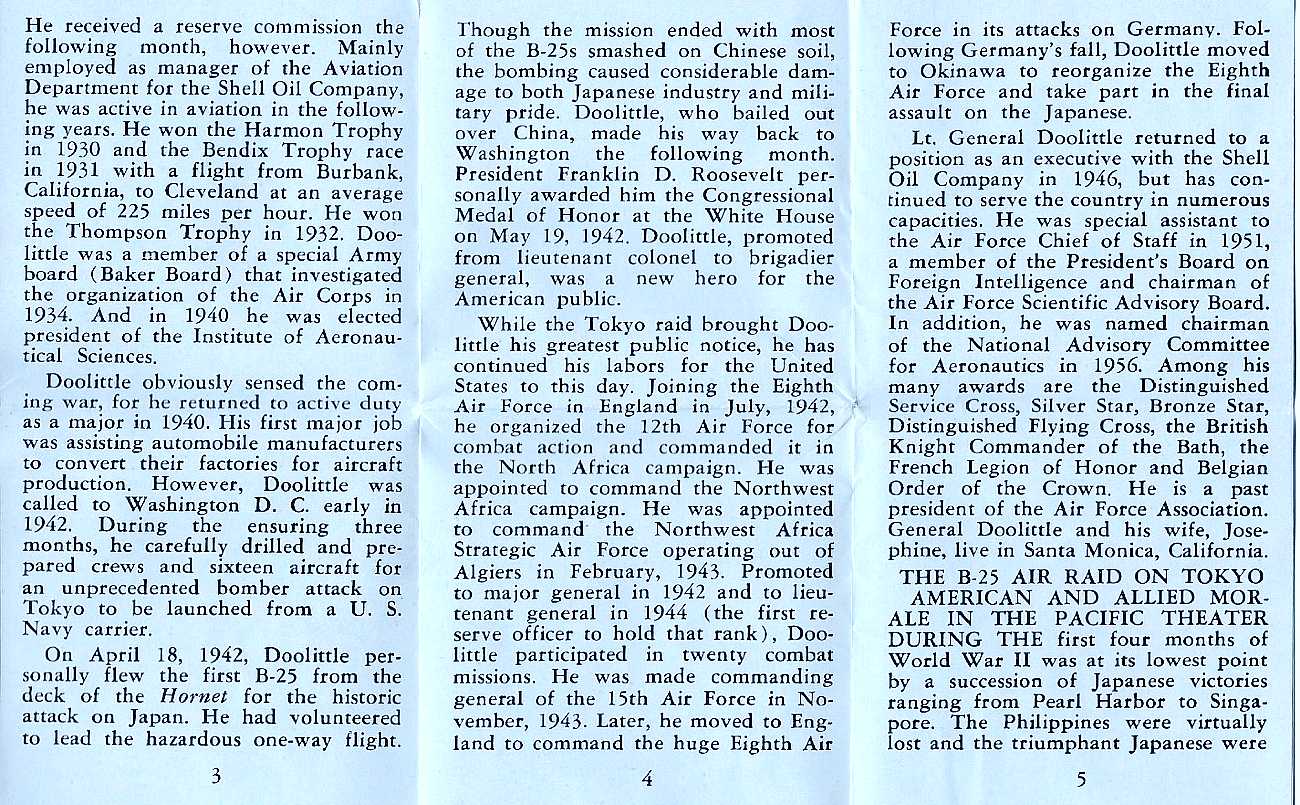
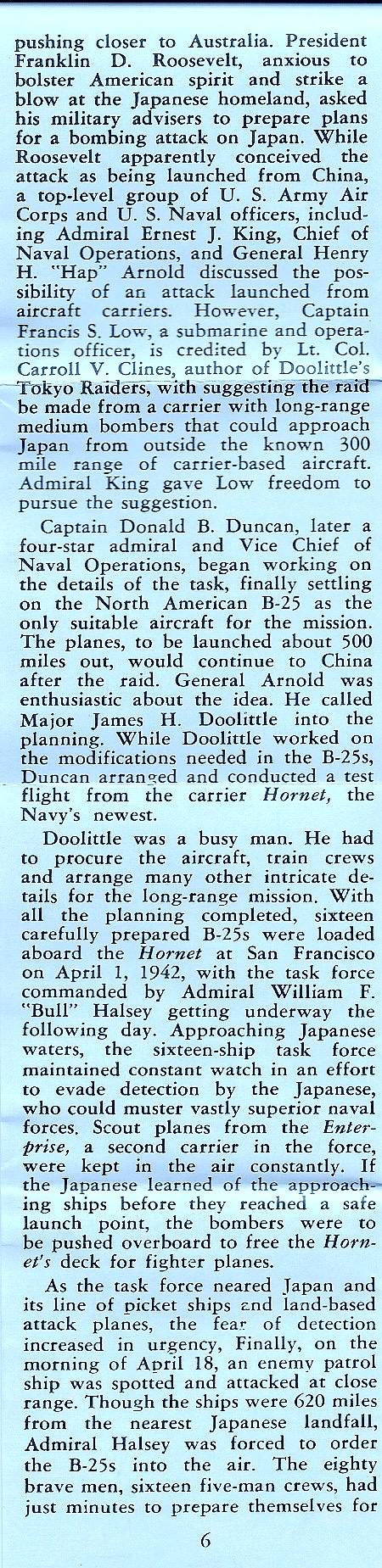
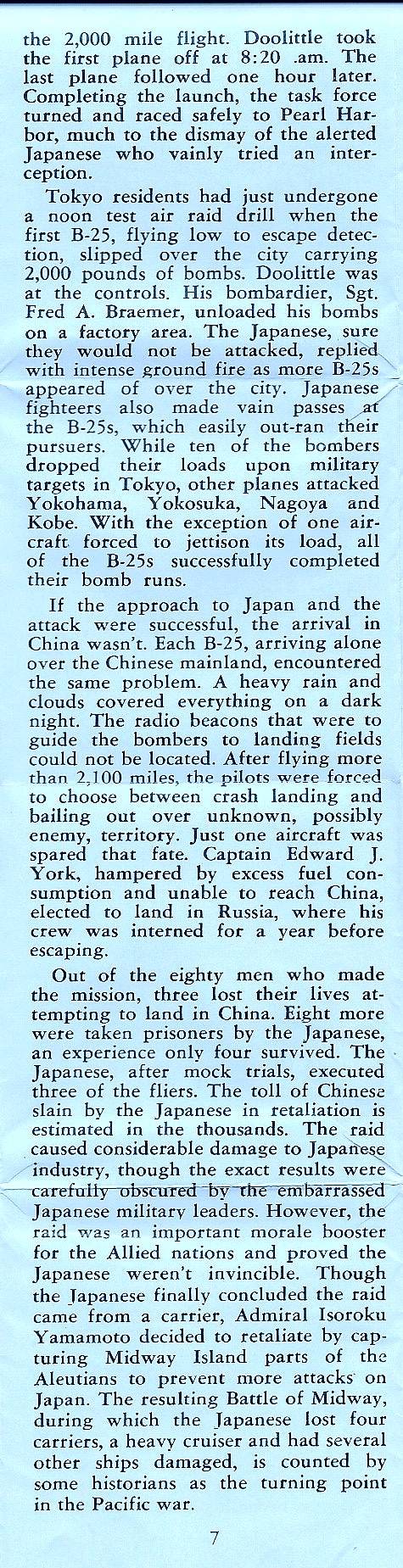
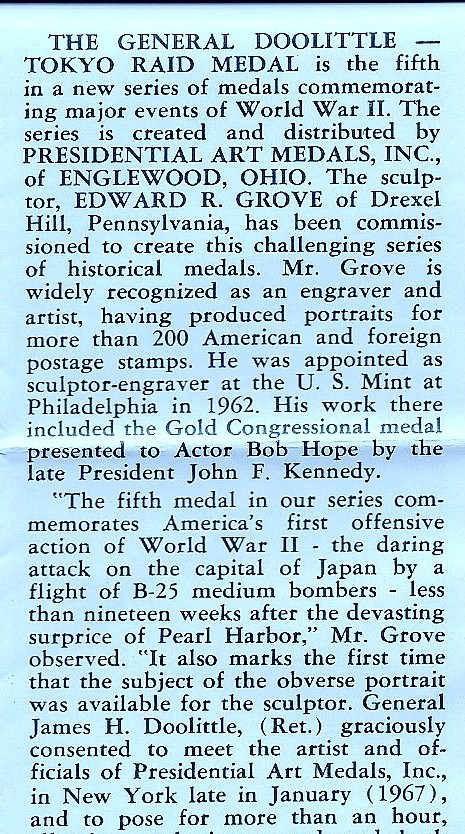
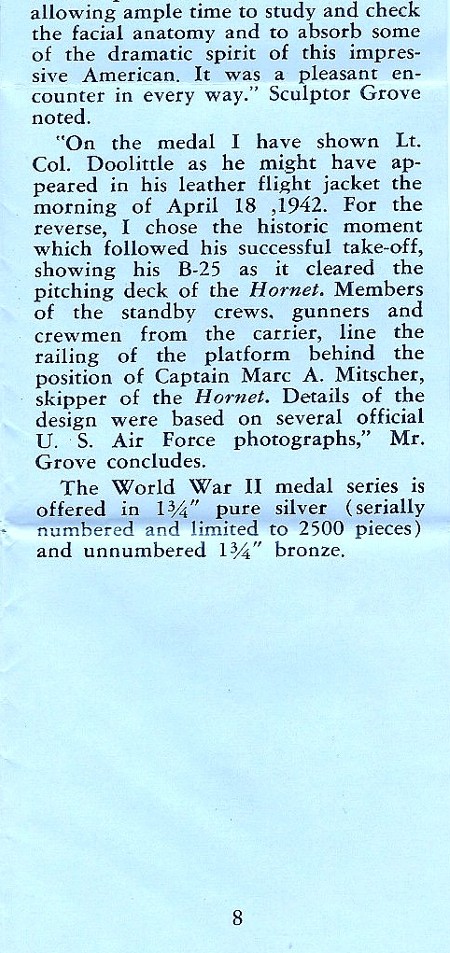
Thanks, Dearborn. Of the characters covered in the series so far, to me General Jimmy Doolittle was the most impressive. He was a very tough ( Boxing Champion ) and smart ( Masters and Doctorate from MIT ) hombre. Within his bio, it mentions the Schneider Trophy (which Doolittle won in 1925). At the time, it was the world's most famous air race: https://pioneersofflight.si.edu/cul...eider_trophyHis Schneider victory also earned him the USAF Mackay Trophy, awarded yearly for the "most meritorious flight of the year." The trophy is 'hangared' at the National Air and Space Museum in Washington, D.C. Hollywood's version of Doolittle's Raid appeared before the war was over when MGM turned Dalton Trumbo's screenplay based on the book Thirty Seconds Over Tokyo -- written by Ted W. Lawson, a pilot who flew in the mission -- into a well-received release on November, 15, 1944. The film starred Van Johnson, Robert Walker, Robert Mitchum, and Spencer Tracy as LTC Doolittle. Glad you're enjoying the series. Edited by cptbilly
08/15/2024 8:13 pm
|
|
Pillar of the Community
United States
2105 Posts |
Edited by cptbilly
08/16/2024 10:15 am
|
|
Moderator
United States
194816 Posts |
Quote:
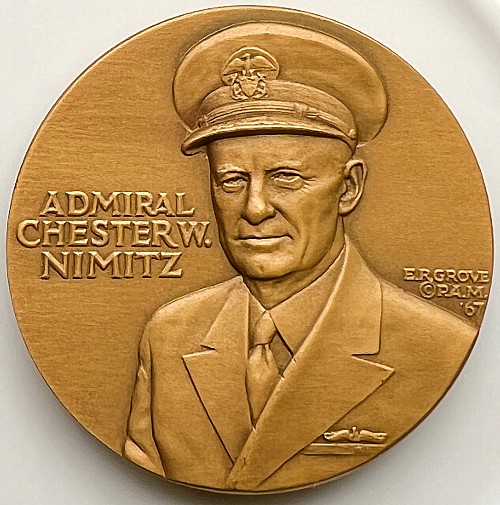
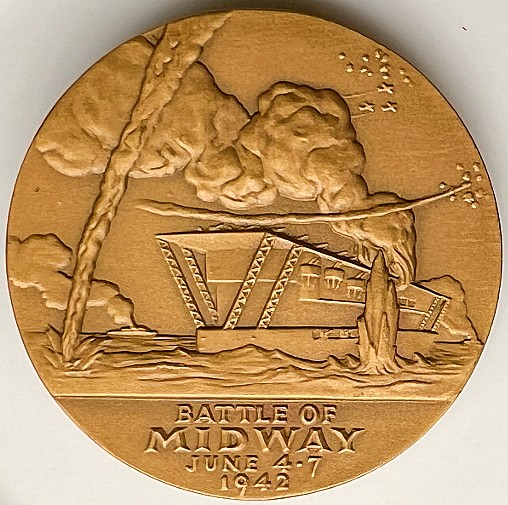
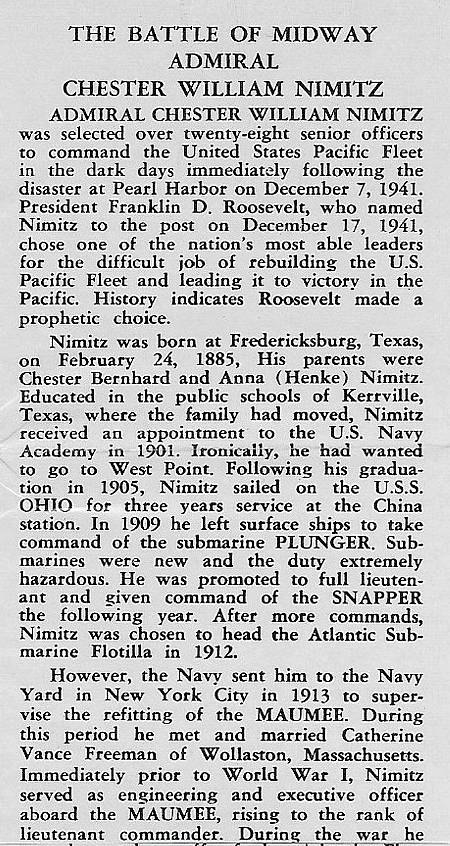
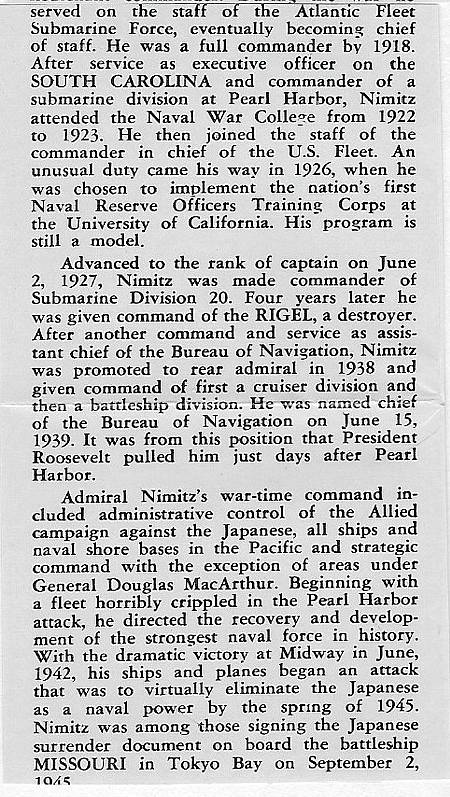
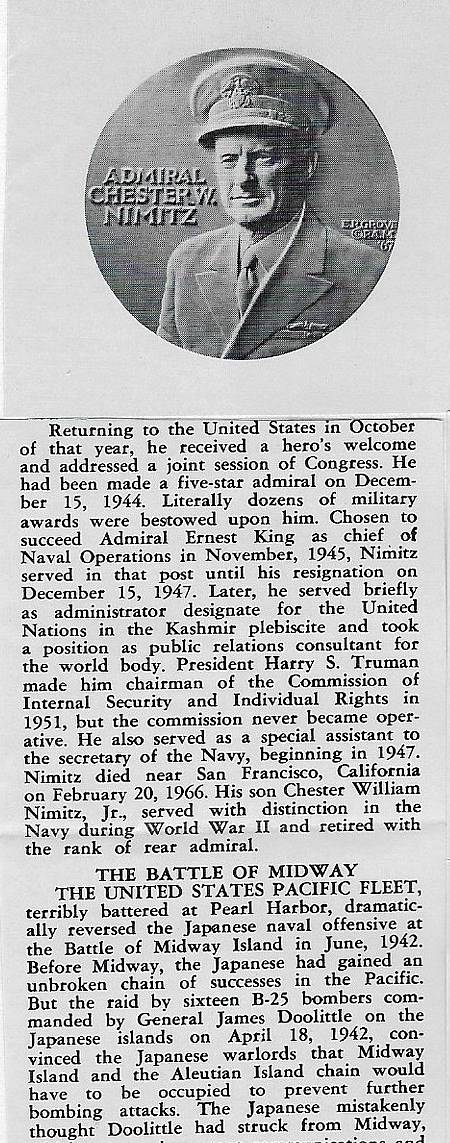
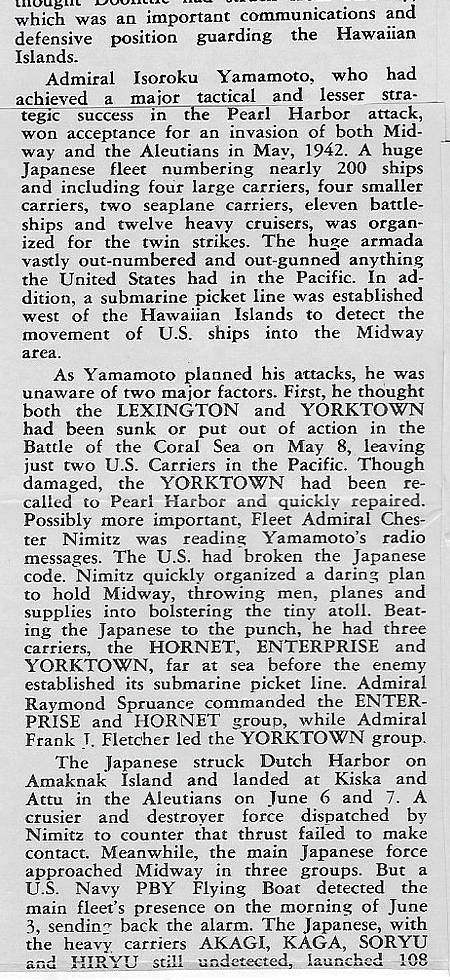
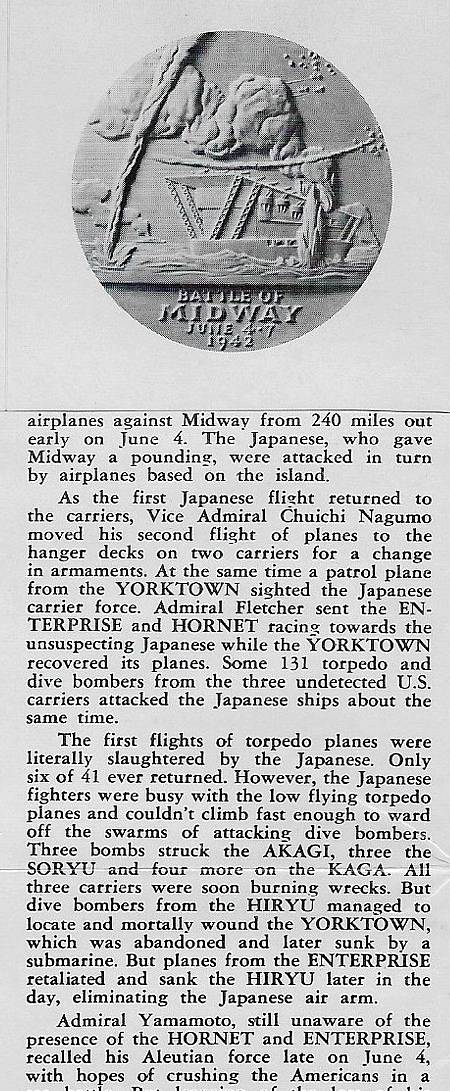
Battle of Midway -- June 4-7, 1942 -- Admiral Chester W. Nimitz Excellent! I should add, your pamphlet images have been quite readable. |
|
Pillar of the Community
United States
2105 Posts |
jbuck wrote: Quote:
I should add, your pamphlet images have been quite readable. Good to know. I have my lightbox, camera, and Pixlr settings noted in an attempt to keep the medal & literature images somewhat uniform ( no pun intended ). |
|
Moderator
United States
194816 Posts |
You are doing a good job.  |
|
Pillar of the Community
United States
2105 Posts |
|
|
Pillar of the Community
United States
2105 Posts |
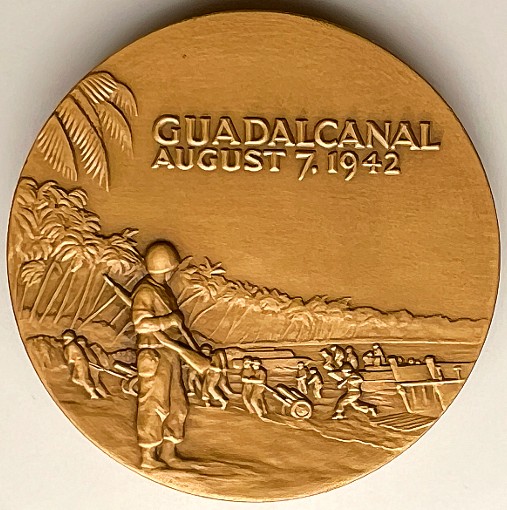
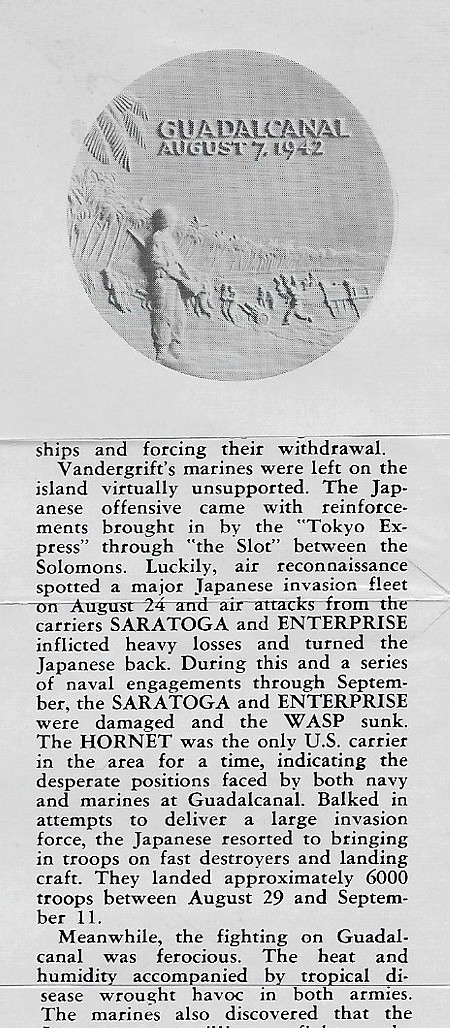
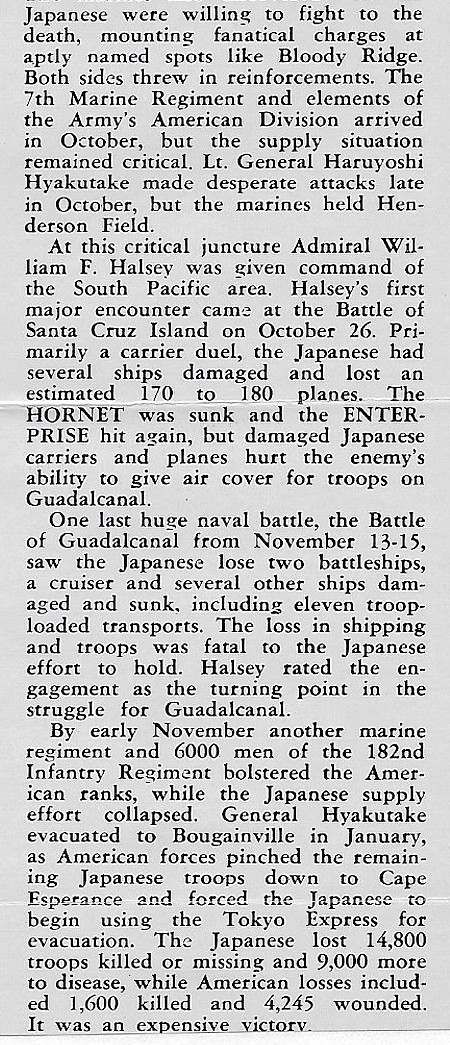
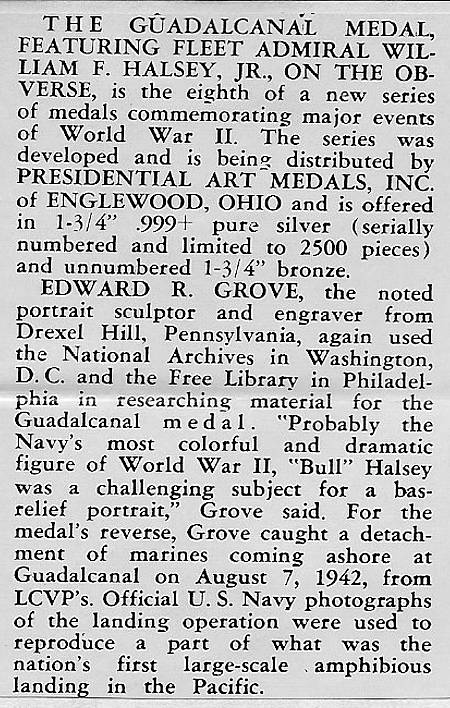
Guadalcanal Diary is a memoir written by war correspondent Richard Tregaskis and originally published by Random House on January 1, 1943. The book recounts the author's time with the United States Marine Corps on Guadalcanal in the early stages of the pivotal months-long battle there starting in 1942. It was the first book published by Random House to sell more than 100,000 copies. A film by the same title swiftly followed. The significance of the Guadalcanal campaign, codenamed "Operation Watchtower" by American forces, is summarized as follows via Wikipedia: Quote:
The Battle of Guadalcanal was one of the first prolonged campaigns in the Pacific Ocean theater of World War II. It strained logistical capabilities of the combatant nations. For the U.S., this need prompted the development of effective combat air transport for the first time. A failure to achieve air supremacy forced Japan to rely on reinforcement by barges, destroyers, and submarines, with very uneven results. Early in the campaign, the Americans were hindered by a lack of resources, as they suffered heavy losses in cruisers and carriers, with replacements from ramped-up shipbuilding programs still months away from materializing.
The U.S. Navy suffered such high personnel losses during the campaign that it refused to publicly release total casualty figures for years. However, as the campaign continued, and the American public became more and more aware of the plight and perceived heroism of the American forces on Guadalcanal, more forces were dispatched to the area. This spelled trouble for Japan as its military-industrial complex was unable to match the output of American industry and manpower. Thus, as the campaign wore on the Japanese were losing irreplaceable units while the Americans were rapidly replacing and even augmenting their forces.
The Guadalcanal campaign was costly to Japan strategically and in material losses and manpower. Roughly 30,000 personnel, including 25,000 experienced ground troops, died during the campaign. As many as three-quarters of the deaths were from non-combat causes such as starvation and various tropical diseases. The drain on resources directly contributed to Japan's failure to achieve its objectives in the New Guinea campaign. Japan also lost control of the southern Solomons and the ability to interdict Allied shipping to Australia. Japan's major base at Rabaul became further directly threatened by Allied air power. Most importantly, scarce Japanese land, air, and naval forces had disappeared forever into the Guadalcanal jungle and surrounding sea. The Japanese could not replace the aircraft destroyed and ships sunk in this campaign, as well as their highly trained and veteran crews, especially the naval aircrews, nearly as quickly as the Allies.
A substantial overview of the campaign can be found here: https://en.wikipedia.org/wiki/Guada...n#Background The Naval Battle of Guadalcanal, which took place in November is chronicled here: https://en.wikipedia.org/wiki/Naval..._GuadalcanalThe 1998 film "The Thin Red Line" was a fictionalized version of the Battle of Mount Austen. "Flying Leathernecks," a 1961 vehicle starring John Wayne and Robert Ryan, was set in Guadalcanal also.
Edited by cptbilly
08/15/2024 7:57 pm
|
|
Bedrock of the Community
United States
94367 Posts |
Nimitz - what a genius, though fortune favored him. I never tire of movies about Midway, wish there were more.
|
|
Bedrock of the Community
United States
78480 Posts |
Nice medals, cptbilly! Errers and Varietys.
|
| |
Replies: 118 / Views: 5,759 |







 First Page
 Previous Page


 Posted 08/13/2024 3:54 pm