| Author |
 Replies: 31 / Views: 1,899 Replies: 31 / Views: 1,899 |
|
Moderator
 United States
105646 Posts |
I have this coin in terrible condition - a purely zinc coin - it could have been a dug coin at some point. here is the coin initially with no treatment: a 1944 Belgium (1 Franc - Leopold III BELGIE-BELGIQUE) 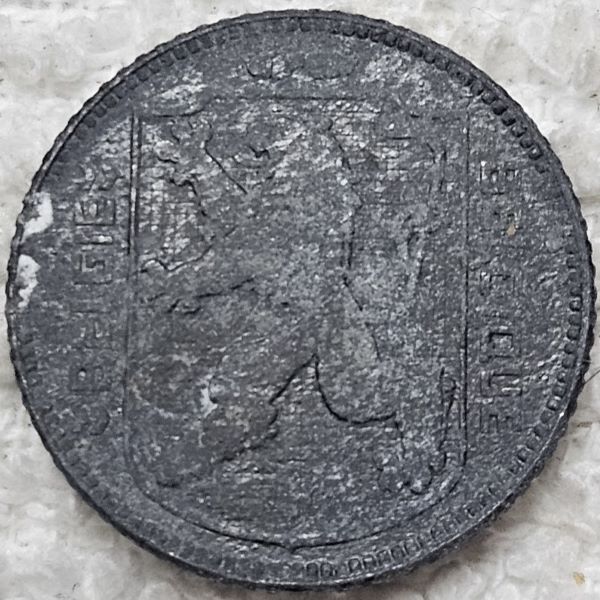 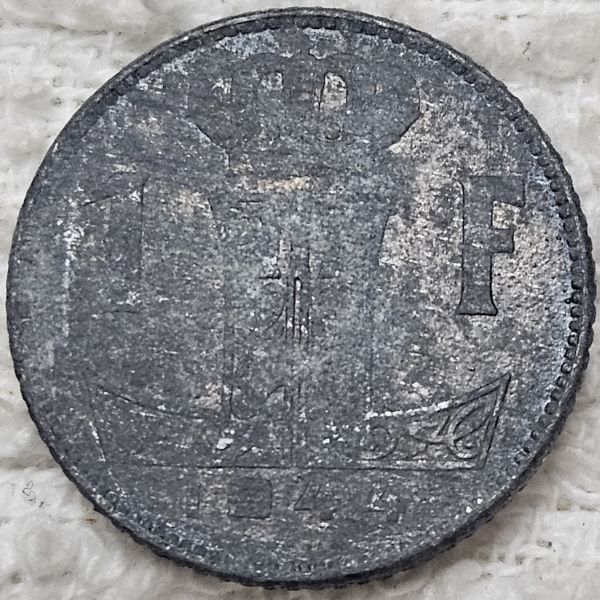 |
|
|
|
Moderator
 United States
105646 Posts |
after a one hour soak in acetone: 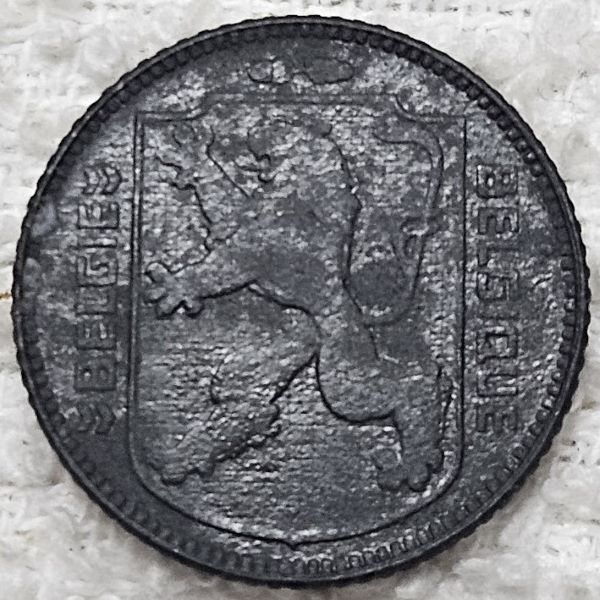 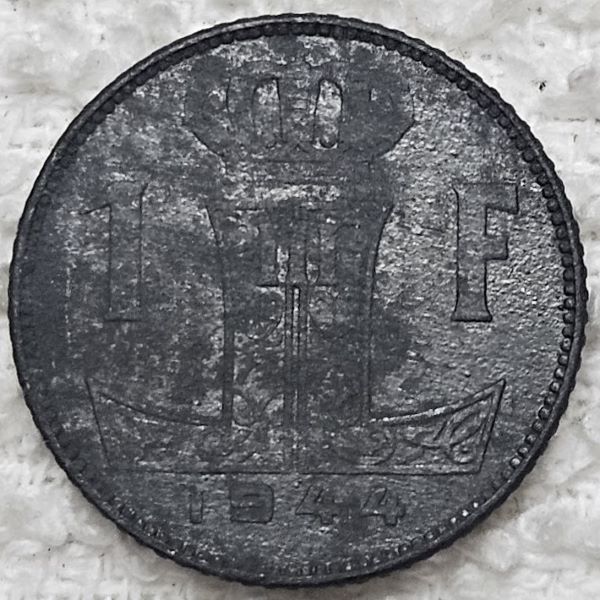 |
|
Moderator
United States
194816 Posts |
This will be good!  |
|
Moderator
United States
105646 Posts |
I currently have it in another soak that I'll leave over night.
It appears the the 1 hour did make some improvement on it.
|
|
Moderator
United States
56855 Posts |
Nice improvement. John1  |
|
Bedrock of the Community
United States
94367 Posts |
Exactly why is this coin worth conserving?
|
|
Pillar of the Community
 United States
8038 Posts |
Quote:
Exactly why is this coin worth conserving? At a minimum, for experimentation purposes! I have a couple of these, and am interesting to see the outcome. To begin, I am surprised acetone did anything ... Edited by tdziemia
08/16/2024 8:18 pm
|
|
Pillar of the Community
Canada
5419 Posts |
At best it will be a pitted zinc rot coin .
Virtually impossible to restore
a zinc coin .
Edited by Pacificoin
08/16/2024 8:49 pm
|
|
Bedrock of the Community
United States
27255 Posts |
Inordinately fascinated by bits of metal with strange markings and figures
|
|
Bedrock of the Community
United States
78420 Posts |
The acetone seemed to help. Looks better than it did before.  Errers and Varietys.
|
|
Pillar of the Community
United States
1915 Posts |
I used muriatic acid and ended up much worse that it had been.
It was a crusty old cash coin, thought it may dissolve the crust, dissolved and spoiled what there was of the zinc coin.
So bad it could not be photographed.
I ended up buying another coin to replace my blunder.
Edited by Albert
08/17/2024 12:14 am
|
|
Valued Member
Italy
290 Posts |
I did a similar experiment some months ago on a WW1 Belgian Occupation Zinc coin which showed rot.
I suspect that the acetone simply washed away the white powder (zinc oxide). It is visually prettier but if the zinc rot started (which it has) it's a temporary fix. The rot is inside the coin (you can still see it peaking out on the obverse at 10 o'clock).
Much like Albert, I also ended up buying a replacement .. I left the coin overnight in 3% peroxide and literally ate away the coin. Don't ever use hydrogen peroxide!
Edited by joe_77
08/17/2024 02:15 am
|
|
Valued Member
United States
130 Posts |
May be olive oil dip after acetone will keep it from further deterioration?
|
|
Bedrock of the Community
United States
27255 Posts |
A light machine oil such as 3-In-One would be a better choice.
Inordinately fascinated by bits of metal with strange markings and figures
|
|
Moderator
United States
105646 Posts |
ok after a night of soaking: 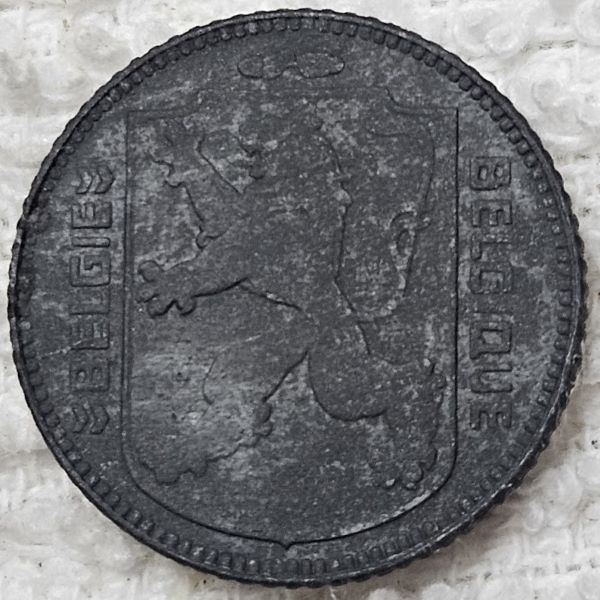 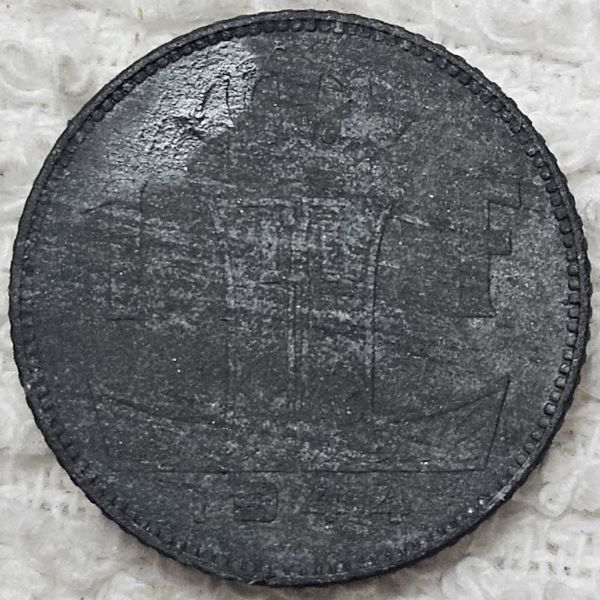 I'll try a watered down solution of CLR to see what happens (short soaks though) then maybe a bit of oil I have for my paper shredder (it is very light oil) |
|
Moderator
United States
105646 Posts |
Quote:
Exactly why is this coin worth conserving? I did not say it was 'worth' conserving, I said I was going to 'attempt' to do it. This coin has no real value anymore, so why not see what can be done to clear it up a bit? |
| |
Replies: 31 / Views: 1,899 |









 Posted 08/16/2024 5:30 pm


