Posted 09/17/2024 04:01 am


Hello and welcome. 
According to their "about the project" page:
This means that two out of the "top ten" or "core" collections of ancient Roman Provincial coins have one, and five other coins are reported from other collections or sources. If you scroll down the page to the listing of all seven coins, you'll see the provenance of all seven: five of them are listed in Museum collections (Berlin, Cambridge, Yale, Athens and right here in my home town of Brisbane, Australia), one is described as being reported in an academically researched and published hoard (Ayvagedi#287;i, which is a city in Turkey not far from the ruins of Tarsus so presumably the coin is now sitting somewhere in a Turkish museum), and one is sourced from archived coin auction data (CNG, 2005).
There are, almost certainly, a lot more of these coins out there that haven't been recorded in formal collection catalogues and/or are otherwise not findable on the Internet. As a coin from the city of Tarsus, the hometown of the apostle Paul, it qualifies as a "biblical coin" (even though Trajan Decius reigned long after Paul was alive) and as such, is probably over-represented in the collections which ultimately formed the various museum collections, compared to coins from less "biblical" cities.
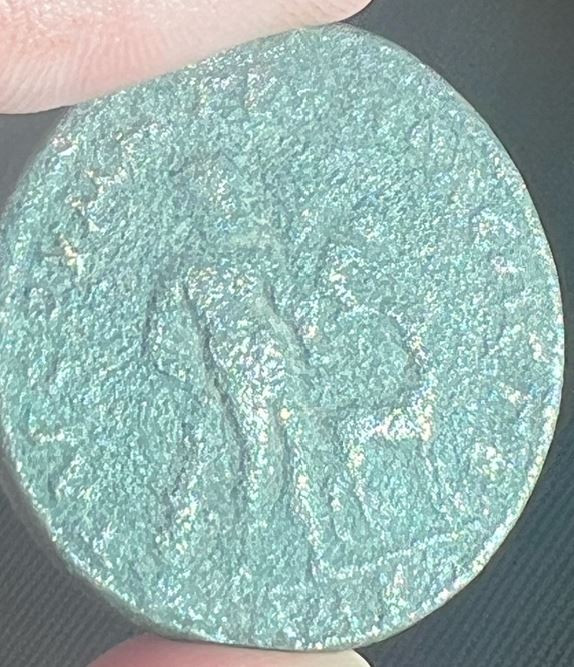
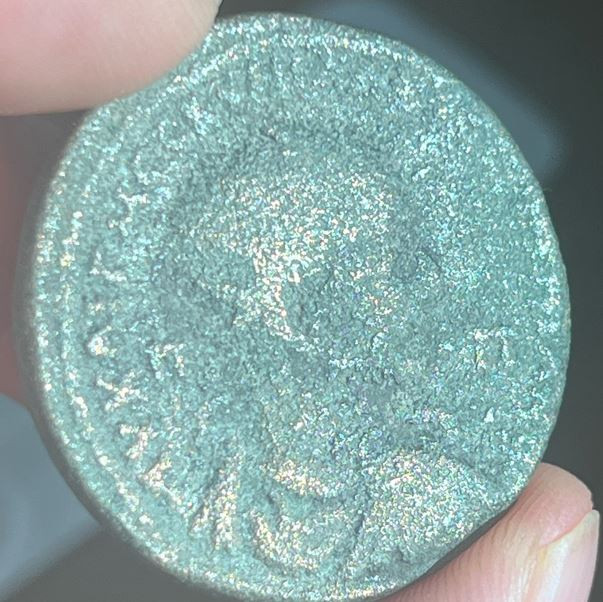
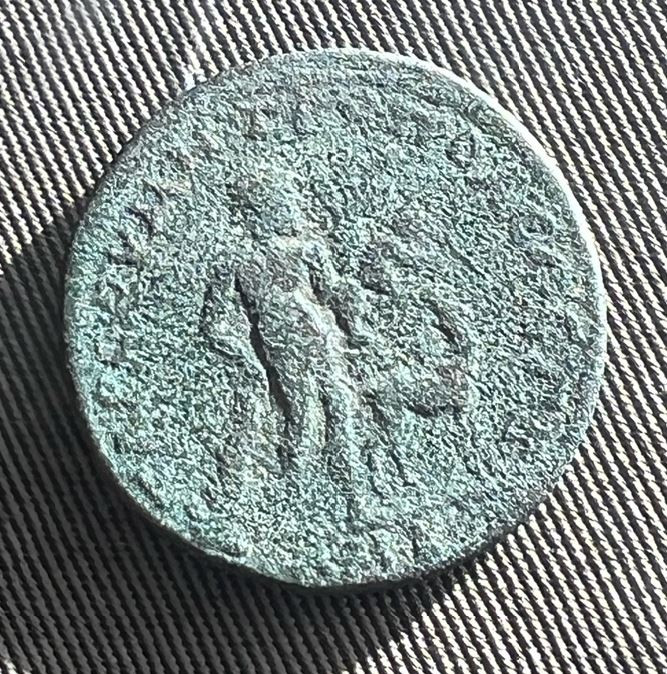
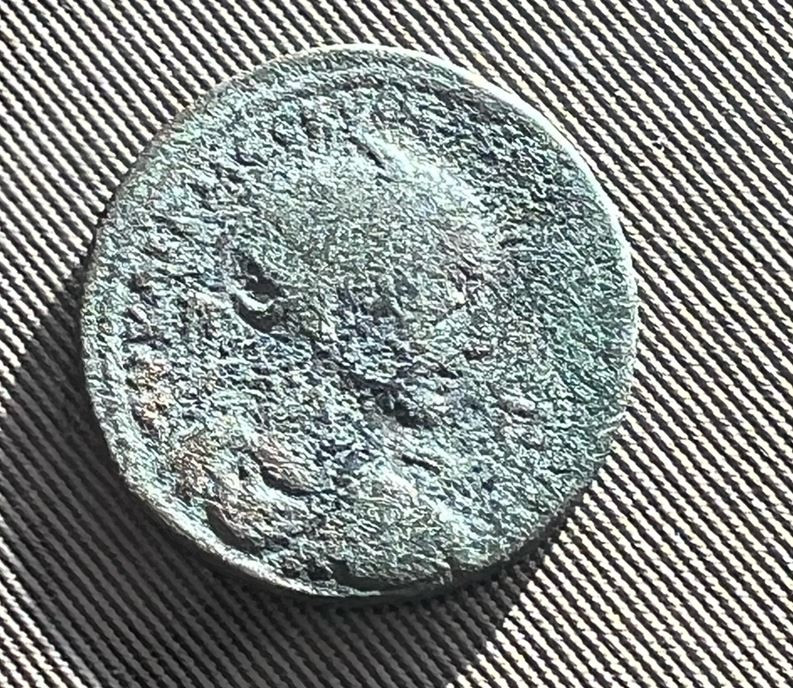
If you show us pictures of your actual coin, we can try to confirm the identity.
Quote:
They list 7 specimens for this coin, would that be all known specimens or just what's currently in a museum?
They list 7 specimens for this coin, would that be all known specimens or just what's currently in a museum?
According to their "about the project" page:
Quote:
The project is based on the ten most important and accessible collections in the world (the 'core collections'), and on all published material.
The project is based on the ten most important and accessible collections in the world (the 'core collections'), and on all published material.
This means that two out of the "top ten" or "core" collections of ancient Roman Provincial coins have one, and five other coins are reported from other collections or sources. If you scroll down the page to the listing of all seven coins, you'll see the provenance of all seven: five of them are listed in Museum collections (Berlin, Cambridge, Yale, Athens and right here in my home town of Brisbane, Australia), one is described as being reported in an academically researched and published hoard (Ayvagedi#287;i, which is a city in Turkey not far from the ruins of Tarsus so presumably the coin is now sitting somewhere in a Turkish museum), and one is sourced from archived coin auction data (CNG, 2005).
There are, almost certainly, a lot more of these coins out there that haven't been recorded in formal collection catalogues and/or are otherwise not findable on the Internet. As a coin from the city of Tarsus, the hometown of the apostle Paul, it qualifies as a "biblical coin" (even though Trajan Decius reigned long after Paul was alive) and as such, is probably over-represented in the collections which ultimately formed the various museum collections, compared to coins from less "biblical" cities.
If you show us pictures of your actual coin, we can try to confirm the identity.
Don't say "infinitely" when you mean "very"; otherwise, you'll have no word left when you want to talk about something really infinite. - C. S. Lewis