| Author |
 Replies: 15 / Views: 1,284 Replies: 15 / Views: 1,284 |
|
|
Valued Member
United States
319 Posts |
|
|
|
|
Pillar of the Community
United States
3535 Posts |
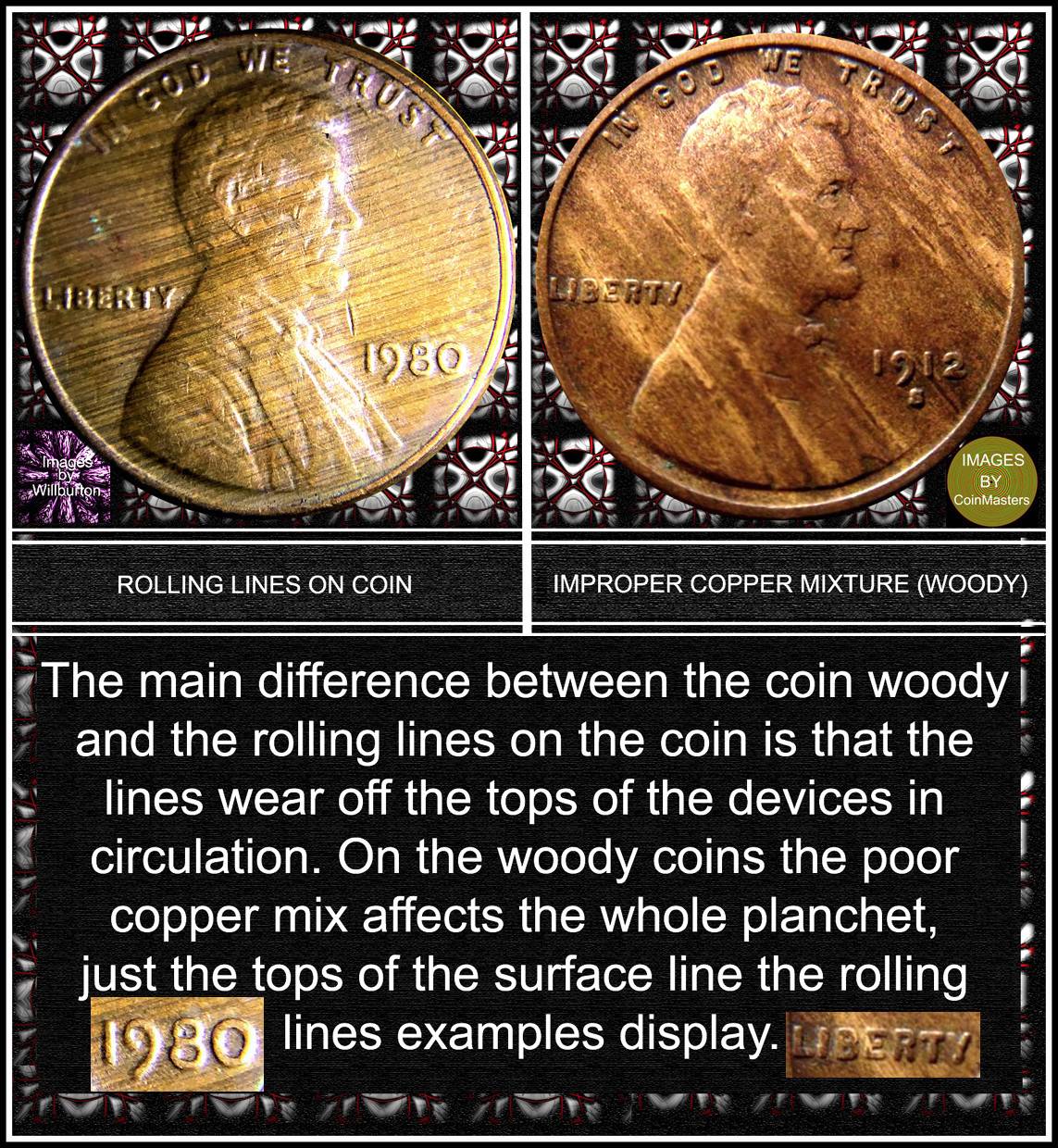
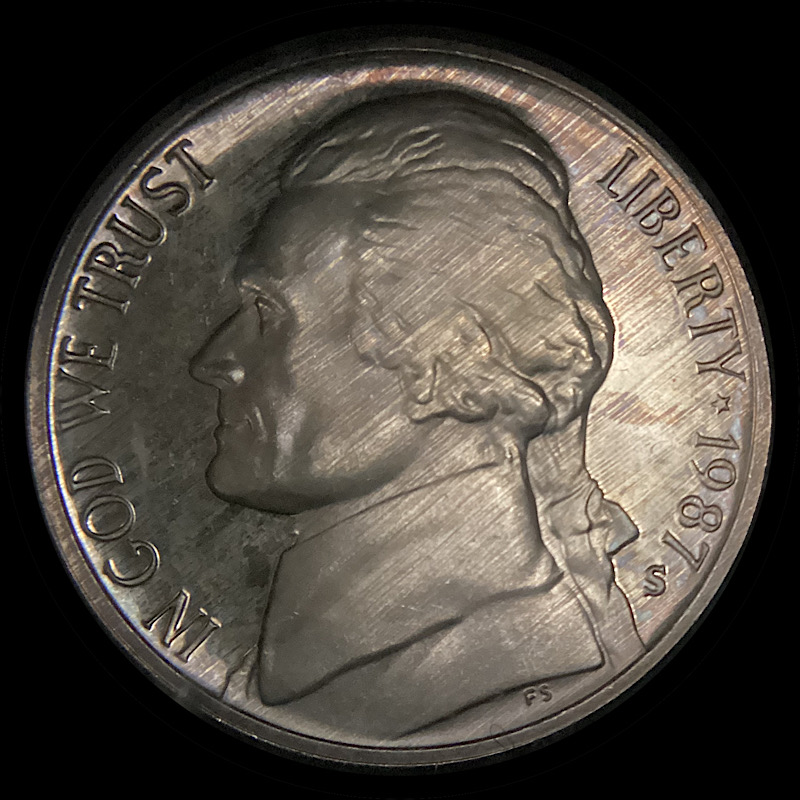
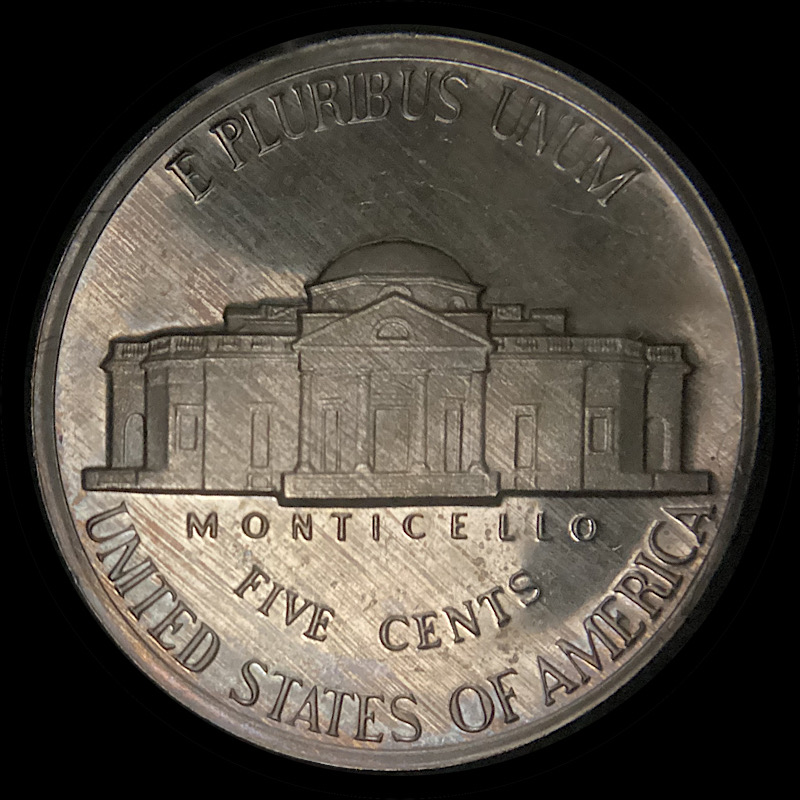
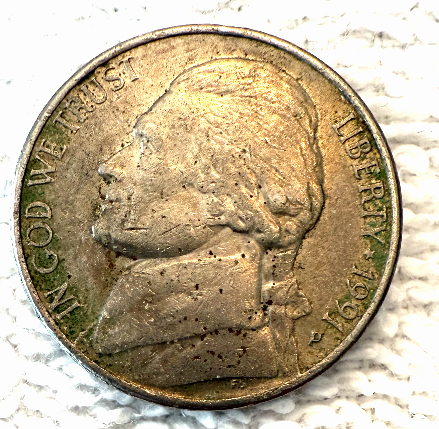
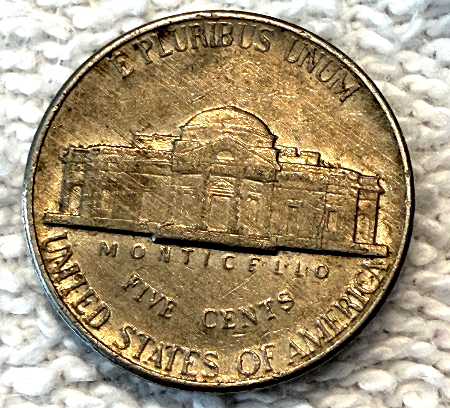
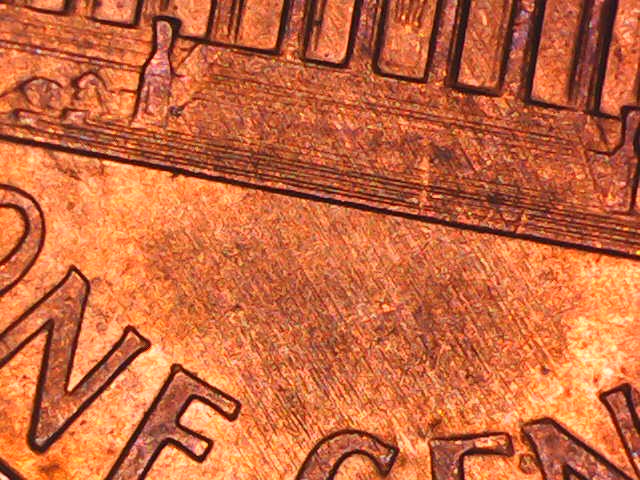
My guess, Roller Lines on the Reverse, and Poppy Seeds on the Obverse.  |
|
Bedrock of the Community
United States
79796 Posts |
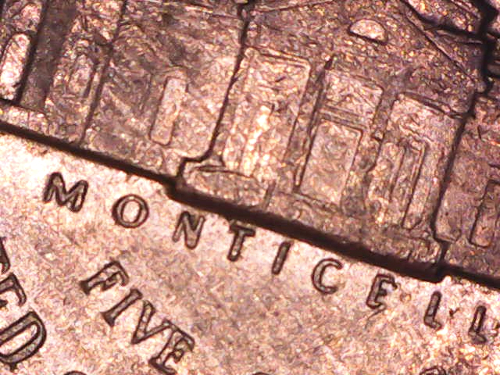
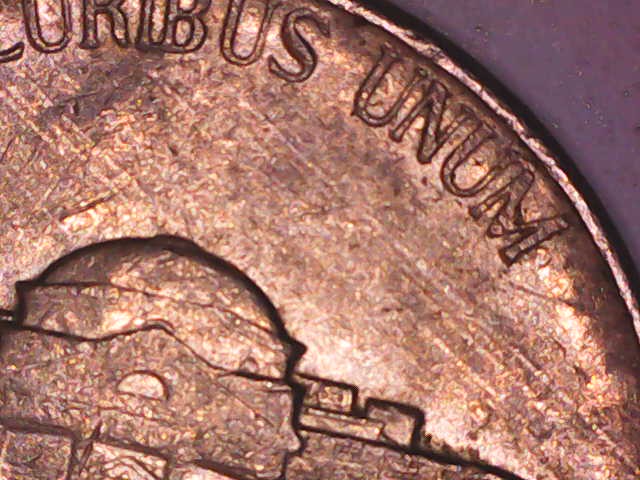
Probably Roller Lines on the reverse.
Errers and Varietys.
|
|
Valued Member
 United States
319 Posts |
OK. Dumb follow-up question. Do you mean when the metal is rolled out before the planchets are cut?
|
|
Pillar of the Community
United States
3535 Posts |
|
|
Pillar of the Community
United States
6914 Posts |
|
|
Valued Member
United States
319 Posts |
Wow! One day I may know .0001% of what you all know. It's great to have such a good resource to help and learn. Thanks.
|
|
Moderator
 United States
196778 Posts |
Roller lines sounds plausible.
|
|
Pillar of the Community
United States
1770 Posts |
Agree with Roller Lines
gigi2110
|
|
Bedrock of the Community
United States
94367 Posts |
|
|
Pillar of the Community
United States
6914 Posts |
I couldn't find a link for Error Ref about roller lines. Basically, the sheet metal rollers become dirty or scratched. The damaged or dirty rollers then scratch the sheet metal surfaces as the metal is rolled to the correct thickness, and of course those surface scratches remain when the circular blanks are punched out of the scratched sheet metal. Most examples seem to have the lines on both sides, but sometimes the roller lines only appear on one face of the coin.
|
|
Moderator
United States
196778 Posts |
This in the description in the CCF Numismatic Glossary under "Roller Marks" Quote:
Term to describe the mostly parallel incuse lines seen on some coins after striking. These were originally thought to be lines resulting from debris "scoring" the metal strips before the blanks were cut. However, new research has pointed to the final step of strip preparation, the draw bar. To reduce the strips to proper thickness, the final step was to pass them through the draw bar. It certainly seems logical that debris in the draw bar may cause these lines, if so, then draw-bar marks or lines would be a more appropriate term. |
|
Moderator
United States
108556 Posts |
Quote:
Do you mean when the metal is rolled out before the planchets are cut? Yes! A most educated guess! You seem to be getting a grip on the coining process!  |
|
Pillar of the Community
United States
6914 Posts |
Jbuck, I think you just answered a long term question that I had about roller lines. It never made sense to me that debris or damage to the rollers could produce long, straight parallel lines. To generate straight lines, all the grooves on the roller would need to be uniform rings around the circumference. A damaged draw bar makes way more sense, as the uneven surface is held in place as the sheet metal gets pulled across it, generating straight lines on the metal.
|
|
Bedrock of the Community
United States
12477 Posts |
Here's some "show & tell" with an example I have of similar lines to OP's and Brandmeister's: 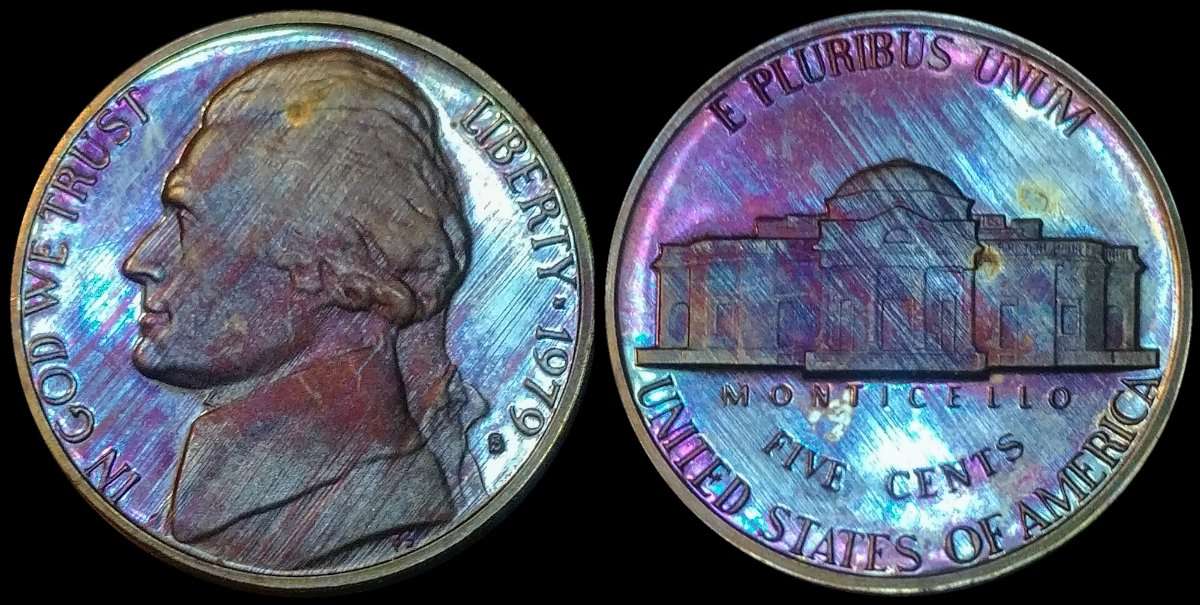 In Memory of Crazyb0 12-26-1951 to 7-27-2020
In Memory of Tootallious 3-31-1964 to 4-15-2020
In Memory of T-BOP 10-12-1949 to 1-19-2024
|
|
Pillar of the Community
United States
5904 Posts |
Congrats Gigi2.
Thanks for that info JBuck.
Gorgeous example Spruette.
Words of encouragement are one of the major food groups.
We need to consume them regularly to thrive and grow.
|
| |
Replies: 15 / Views: 1,284 |
|






 Posted 10/15/2024 12:51 pm