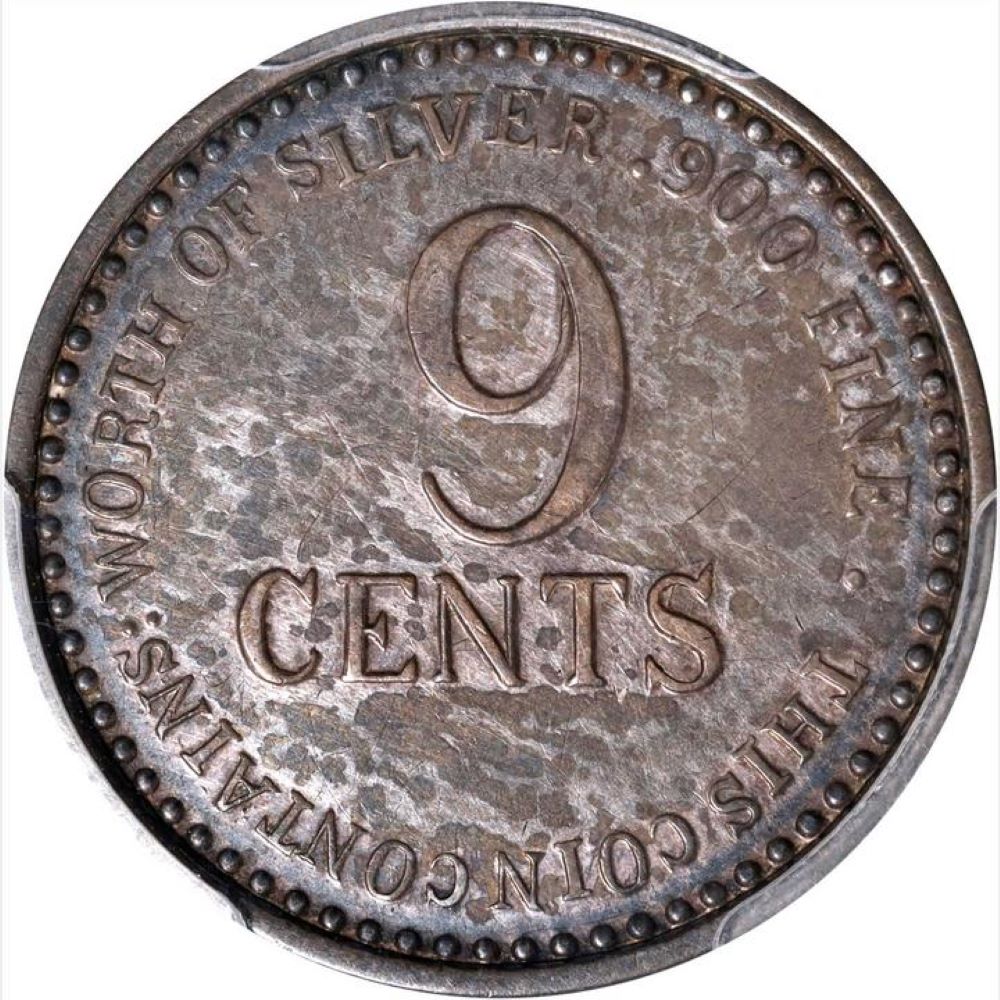
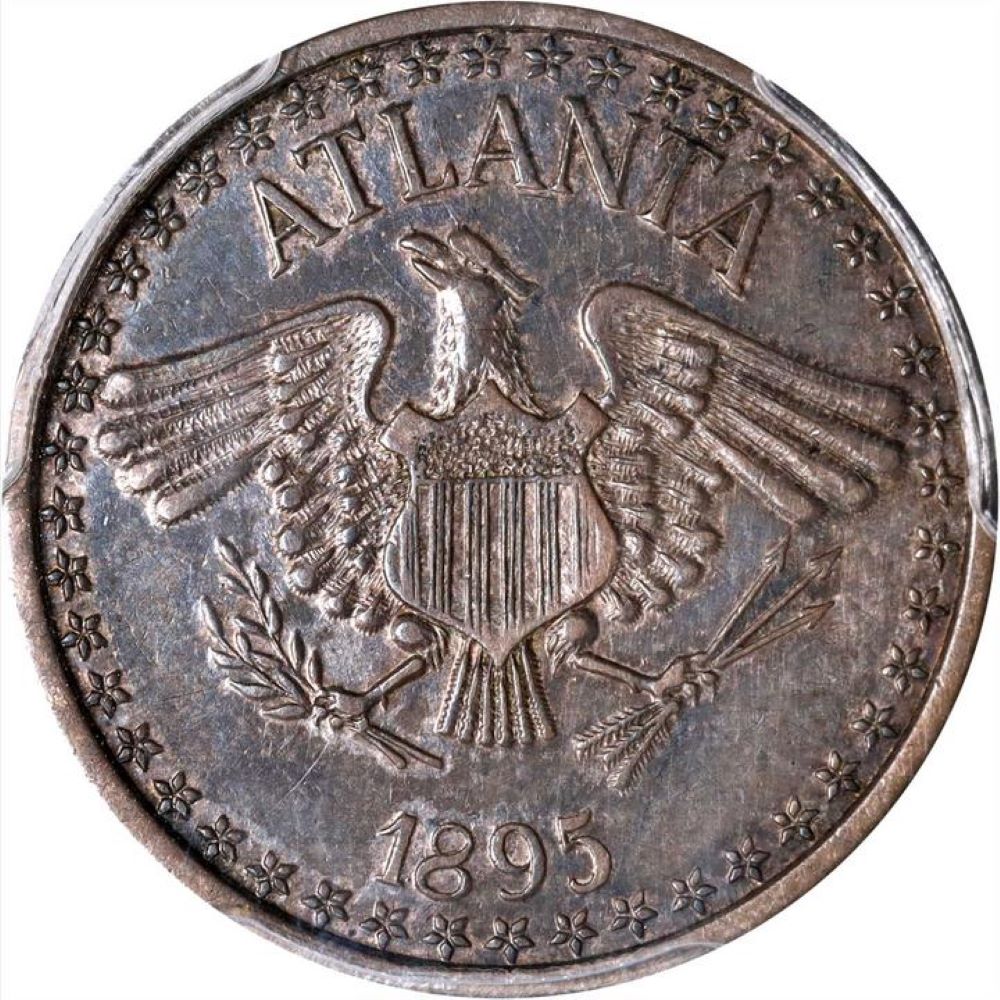
In April 1918, George Francis O'Shaunessy (D-RI) introduced a bill in the House of Representatives that called for the coinage of 15-cent coins. Upon its introduction, the bill was referred to the House Committee on Coinage, Weights, and Measures.
The bill did not specify many details for the coin, other than indicating that the coin's "standard troy weight, composition, diameter, device, and design...shall be fixed by the Director of the Mint, with the approval of the Secretary of the Treasury."
Considering the then-current
US coins, it is plausible that the coin would be struck on 0.900 fine silver planchets with a weight of 3.750 grams (the Winged Liberty Head / "Mercury" dime weighed 2.500 grams). I would suggest that it's diameter would have been slightly larger than the dime's 17.91 millimeters, reflective of the added weight; the US five-cent coin ("nickel") - at 21.2 millimeters - would likely still have been larger.
As US law specified that a visage of
Liberty in some form be featured on the obverse of
US coins, such a design would be a given though likely not one of a "head shot" of an allegorical
Liberty so as to avoid potential confusion with the dime. The depiction of an eagle on the reverse of
US coins was not required on small diameter
US coins - a likely characteristic of the 15-cent piece - so it appears reasonable to posit that the coin's reverse design theme would have been open for discussion.
The issue date for the coin also went unspecified in the bill, other than "as soon as practicable." Considering the bill's date of introduction, it is not unreasonable to think that 1919 would have marked the debut of the coin vs. the Mint rushing to achieve a 1918 release.
The 15-cent denomination was an odd one for 1918, as I don't believe any standard commodities of the time were routinely priced at $0.15 or a small multiple of same. (Perhaps an anticipation of significant post-WWI inflation and a related need for "more than" a dime?)
In any case, the House Committee did not report the bill and it was never considered by the House. The bill died for lack of action when the 65th Congress adjourned. Though some collectors may have been intrigued by such a coin, it didn't seem to make much practical sense and, IMO, was best left as it was - a historical footnote.
For more of my topics on US circulation coins plus commemorative coins and medals, see:
Commems Collection.




 Posted 11/04/2024 09:42 am