| Author |
 Replies: 11 / Views: 1,170 Replies: 11 / Views: 1,170 |
|
|
Moderator
 United States
198004 Posts |
|
|
|
|
Pillar of the Community
United Kingdom
1168 Posts |
A very interesting read, thanks.  |
|
Pillar of the Community
United States
2363 Posts |
Interesting read. Thanks. Tests have been done on Greek and Roman coins showing their metals composition including the Roman sesterius which they called orchalcum, it's primarily copper with some zinc. The Romans considered it more valuable than just copper. I think I've posted this on CCF in another topic but here's my Nero sesterius, reverse Roma seated, 27.45g, 35mm. Mine is worn but pretty good example. As with any time period coinage Roman coins get more expensive in highest grades. 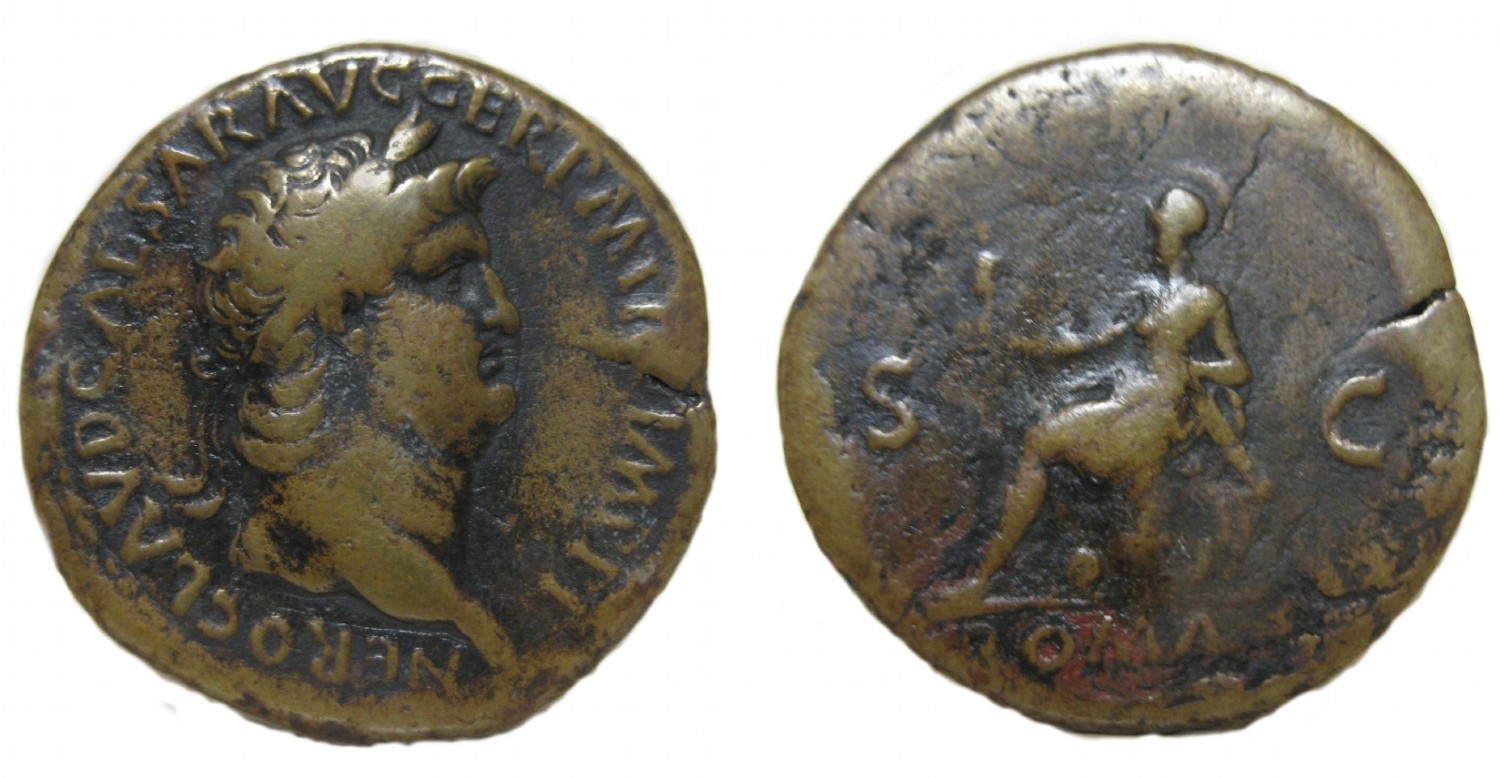 Edited by livingwater
01/07/2025 9:41 pm
|
|
Moderator
 United States
198004 Posts |
A nice example, thank you for sharing it here. |
|
Bedrock of the Community
United States
12057 Posts |
Nice read. The early copper-nickel US coins (such as the 1859-1864 Indian Head cents) would have likely been more similar in color to orichalcum coins if the Mint had used zinc instead of nickel, although they would be a bit more red due to the 88/12 composition as opposed to orichalcum at, e.g, 75/15/10. (Adding more zinc to the alloy would make the metal more yellow and "brassier.") Member ANA - EAC - TNA - SSDC - CCT #890 "Most of the things worth doing in the world had been declared impossible before they were done." -- Louis D. Brandeis |
|
Bedrock of the Community
United States
94367 Posts |
|
|
Moderator
United States
198004 Posts |
Quote:The early copper-nickel US coins (such as the 1859-1864 Indian Head cents) would have likely been more similar in color to orichalcum coins if the Mint had used zinc instead of nickel... Now that is something to think about. |
|
Pillar of the Community
United States
5014 Posts |
Hey, thanks jbuck that was a fun read.
|
|
Moderator
United States
198004 Posts |
My pleasure.  |
|
Moderator
Australia
17031 Posts |
The impressive (to me) part about the ancients knowledge of orichalcum is that they managed to invent brass without actually discovering the element zinc in the process. Us modern people have it easy: if we want some brass, we just take some pure copper and some pure zinc, and melt them together. Without those lumps of pure zinc, making brass is much trickier. If you want to read from a Roman source about how the Romans made brass using cadmia (zinc oxide), check out Pliny's Natural History, book 34: http://www.perseus.tufts.edu/hopper...0137:book=34Don't say "infinitely" when you mean "very"; otherwise, you'll have no word left when you want to talk about something really infinite. - C. S. Lewis
|
|
Pillar of the Community
United States
2363 Posts |
Thanks Sap for the Pliny link, had never read it.
|
|
Moderator
United States
198004 Posts |
Quote:
If you want to read from a Roman source about how the Romans made brass using cadmia (zinc oxide), check out Pliny's Natural History, book 34: Thank you! |
| |
Replies: 11 / Views: 1,170 |
|







 Posted 01/07/2025 9:33 pm


