| Author |
 Replies: 12 / Views: 1,118 Replies: 12 / Views: 1,118 |
|
|
New Member
United States
27 Posts |
|
|
|
|
Bedrock of the Community
United States
79344 Posts |
|
|
New Member
 United States
27 Posts |
|
|
Moderator
 United States
196100 Posts |
Very nice!  |
|
Pillar of the Community
United States
2888 Posts |
Very nice find. |
|
Pillar of the Community
United States
3212 Posts |
Really good find, worth some good money! |
|
Pillar of the Community
United States
1770 Posts |
Very nice find!!
gigi2110
|
|
New Member
United States
27 Posts |
Any idea of the value? I can't find anything like it to compare to...
|
|
Moderator
United States
107554 Posts |
very nice die cap quarter - thanks for posting again...
|
|
Pillar of the Community
United States
2752 Posts |
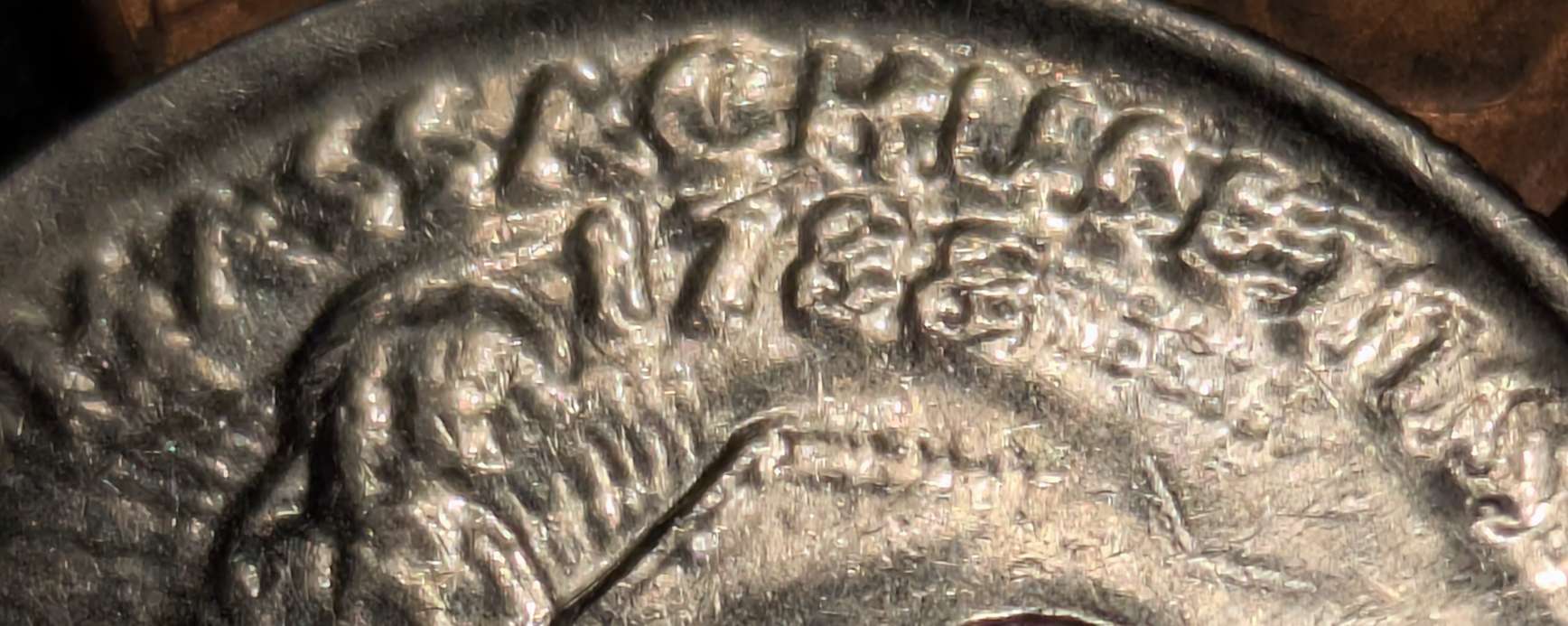
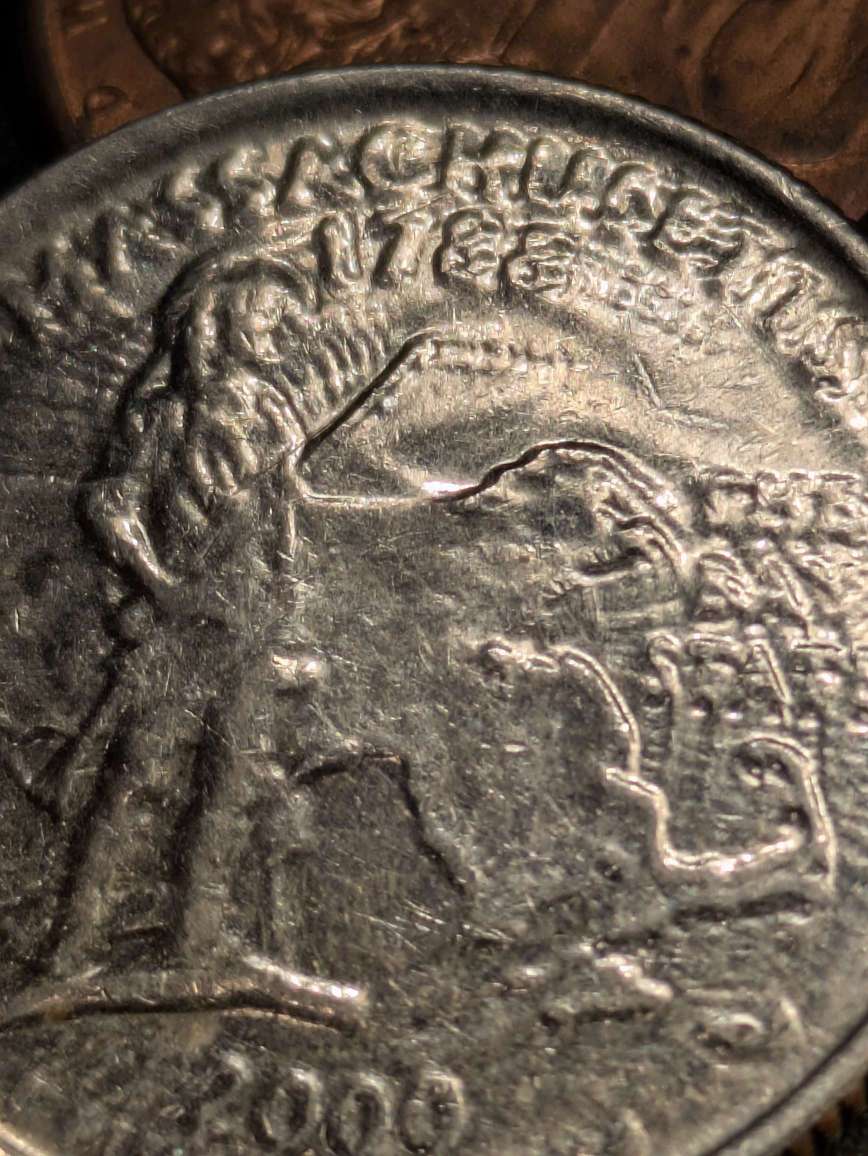
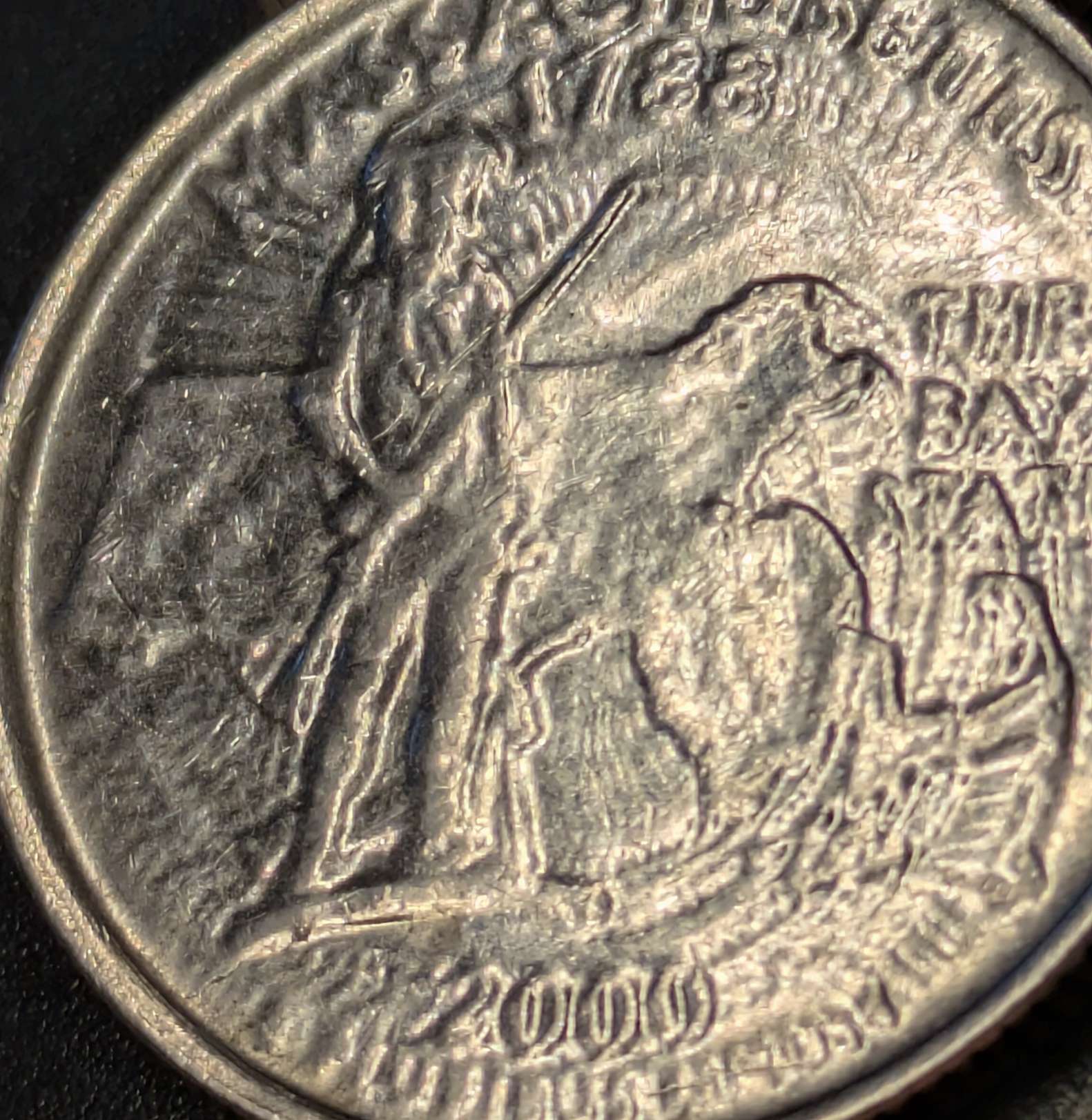
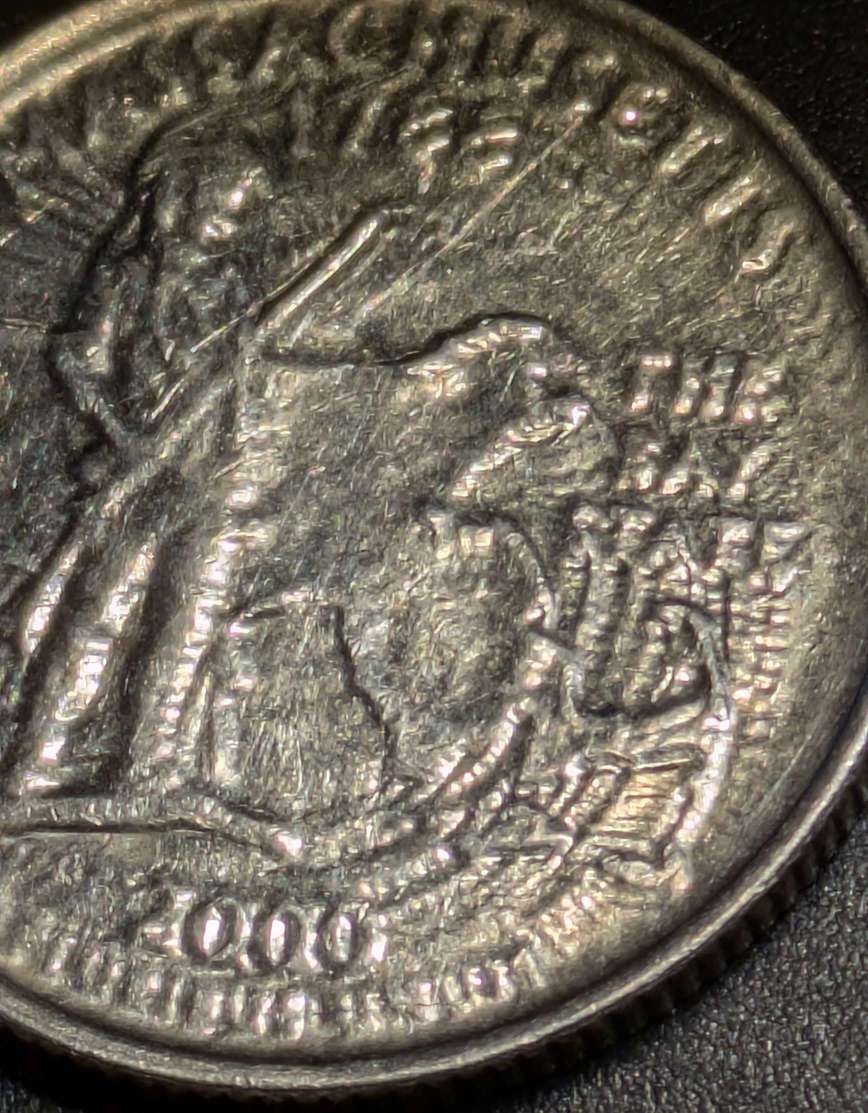
It's not a die cap. It was struck by a die cap. The reverse face of this Massachusetts quarter was struck by a rotated, late-stage, multi-struck hammer die cap.
Error coin writer and researcher.
|
|
Moderator
United States
15941 Posts |
Nice find. And thanks to Mike Diamond for clarifying the mechanism which caused this.
Take a look at my other hobby ... http://www.jk-dk.art |
|
Pillar of the Community
United States
2752 Posts |
It's also possible that the reverse face was struck through a rotated, late-stage, multi-struck clad layer. However, the obstructing layer was thinner than your typical clad layer, allowing more of the design to bleed through. Then again, the clad layer might have been struck enough times to have thinned it. If it was a clad layer, then it's possible that the coin was struck with the traditional die setup (obverse die as hammer die). Both setups (traditional and inverted) were in common use at this time.
Error coin writer and researcher.
|
|
Bedrock of the Community
United States
10601 Posts |
Very interesting information on this coin!
|
| |
Replies: 12 / Views: 1,118 |
|












 Posted 07/18/2025 10:18 am


