











 Posted 06/23/2009 12:08 pm


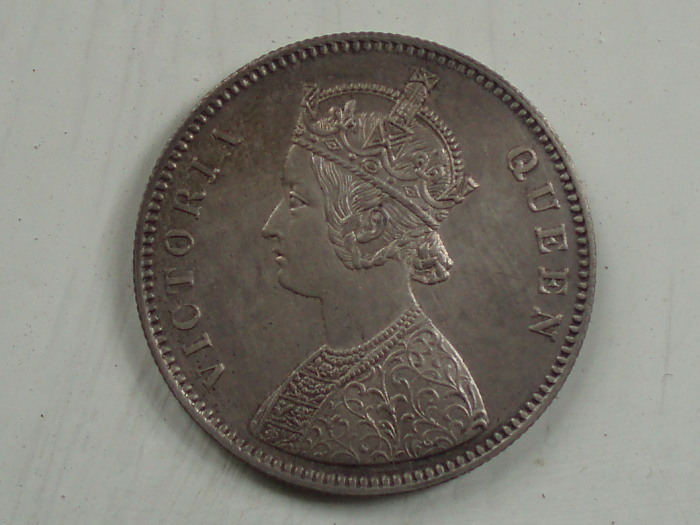
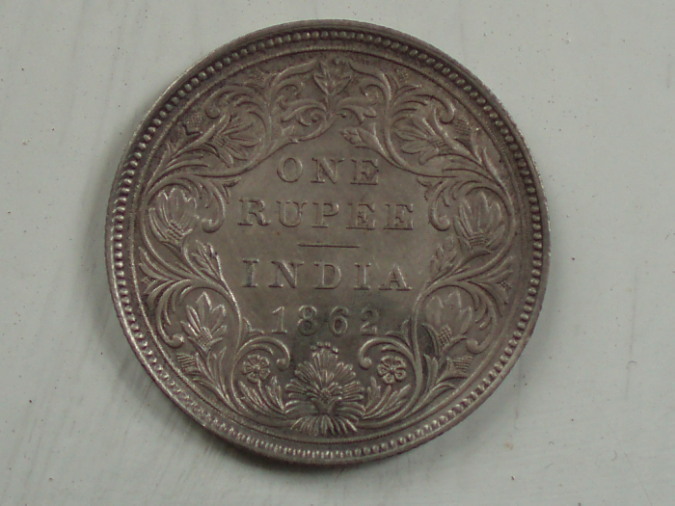
wwhitman- Very nice coin! The reason why there are so many varieties of this coin does not truly relate to there just having been many differences in the dies of the 1862 coins. Rather, the British intentionally made all of the Rupee coins between 1862 and 1874 have the date 1862. The reason for this was that the Indian populace was extremely skeptical of old coins. They only wanted "sicca" or current rupees. Any coin with a date other than the current would be viewed as possibly worn, clipped, or have some other problem that would cause the coin to be not truly worth a full rupee. So any rupee from past years would be heavily discounted due to scrutiny. Most of the time older coins were repeatedly melted in order to make sicca rupees.
Despite the fact that the British coinage was well-struck and had a reeded edge, most Indians were just used to the idea of not trusting any coin that did not have the current year upon it. So the British decided to solve the problem by just making every coin have the date 1862. That way the people would have no idea when it was really struck. The varieties that are seen in these coins actually are not so much varieties, rather, they are small differences in each year. Experts of these coins can tell you that each variety actually is indicative of a particular year during this twelve-year time of their production.
Despite the fact that the British coinage was well-struck and had a reeded edge, most Indians were just used to the idea of not trusting any coin that did not have the current year upon it. So the British decided to solve the problem by just making every coin have the date 1862. That way the people would have no idea when it was really struck. The varieties that are seen in these coins actually are not so much varieties, rather, they are small differences in each year. Experts of these coins can tell you that each variety actually is indicative of a particular year during this twelve-year time of their production.


