| Author |
 Replies: 13 / Views: 12,688 Replies: 13 / Views: 12,688 |
|
|
Pillar of the Community
United States
3499 Posts |
|
|
|
|
Pillar of the Community
United States
5362 Posts |
Archraz You hit the nail on the head. The mintages for this series are very misleading. The amount of silver in these coins made them bullion issues almost immediately and the shortage of silver during the revolution caused most of them to be melted. The 8Rs and Strong Pesos did not survive in Mexico. They too were melted, but most of the surviving copies that we collect today had already left Mexico years before.
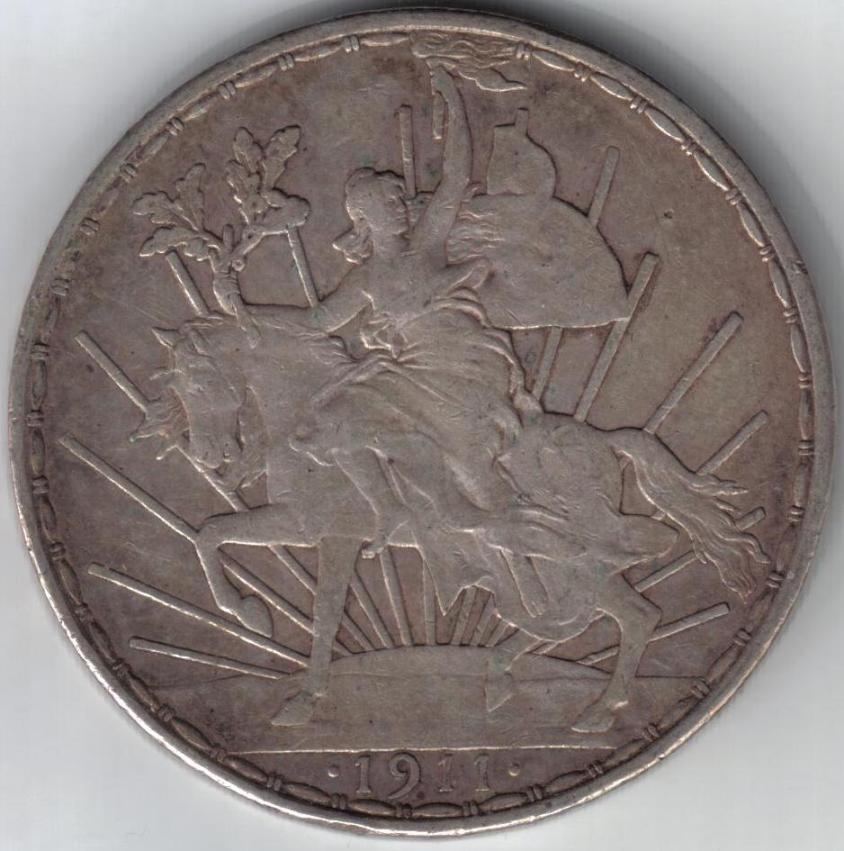
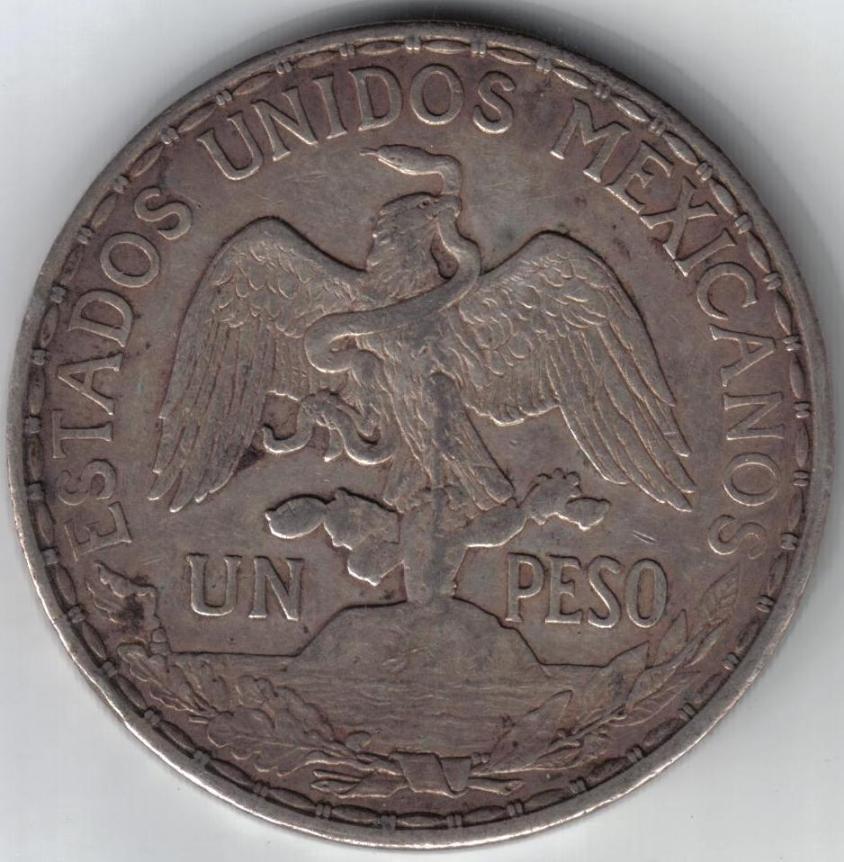
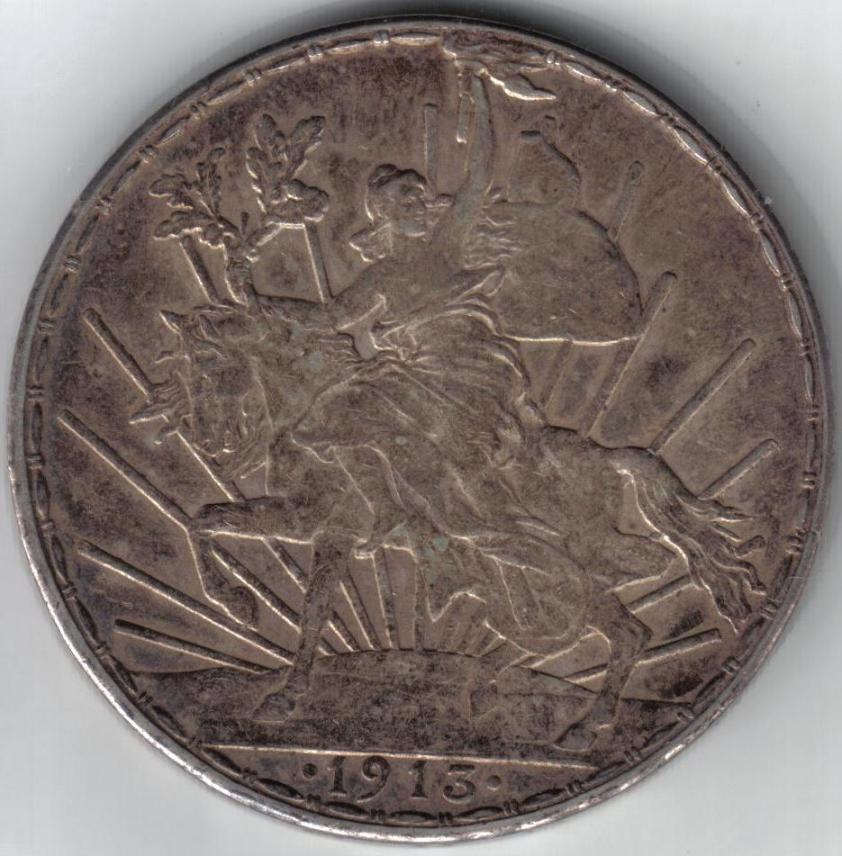
The Caballito is a beautiful coin but the dies were low relief (to extend die life) and the design is often not visible. I actually like the look of the dirty or darkly toned copies because the design stands out. The eagle's are always stronger looking as well. I would grade your two as mid range VF.
The series is noted for forgeries and re-tooled (doctored) pieces. Nice original surfaces grading EF or better are really hard to locate at reasonable prices.
|
|
Pillar of the Community
 United States
3499 Posts |
swamperbob- Thanks, Swamperbob! Well, I only paid $50 for the pair. So I think that I did well for such rare coins.
|
|
Pillar of the Community
United States
5362 Posts |
Actually that is dirt cheap. Just make sure the weight and SG are correct. These have been targets for Chinese forgers for some time.
|
|
Pillar of the Community
United States
3499 Posts |
swamperbob- yeah, I figured that these were heavily counterfeited. My dealer weighed them and they were perfect. He got these from an old collection that he bought pretty much in bulk (Mexican coins are not popular around here, so I don't think that my dealer even realized that these were scarce). And since he got them very cheaply, he gave me an awesome deal.
|
|
Pillar of the Community
United States
5362 Posts |
Be careful - you never know.
|
|
Pillar of the Community
United States
3499 Posts |
swamperbob- Oh, of course I always would be, but in this case the coins look perfect on obverse, reverse, and on the edges. They are silver, and the weight and ring are perfect on both. So are far as I can tell, they are the real deal.
|
|
Valued Member
United States
317 Posts |
Swamperbob, those are beautiful!! I've always loved the Caballito, but I sadly do not own any at this time. I'd say nice strong VF in both cases. They're gorgeous little treasures!
|
|
Pillar of the Community
Mexico
1304 Posts |
I am glad I just searched for Caballito...
As stated in another post, I may have a stab at a Caballito here in central mexico...the old man has one (I have his photo, it's GREAT! you should see him and his buddies at the open market) and he doesn't want to let it go...but he says he can MAYBE get me another for 500 pesos = $39 USD.
What should I look for on the Caballito to tell if it's a fake?!?!
|
|
Pillar of the Community
United States
5362 Posts |
harrison2 That is an open ended question. But start from the premise that you are unlikely to encounter a contemporary counterfeit. That means the coin will be a Numismatic Counterfeit if it is not real. The coin really needs to be examined in person, but here is what to look for.
1. Weight - the peso should be very close to 27 grams. These were low relief so a small loss of silver means a great deal of apparent wear.
2. Check the edge of the coin for a seam or file marks at the corners that could indicate a removed seam.
3. The design will be correct but are all the details there in the protected areas? Transfer copies will lose detail depemding on the method used.
4. Look for die lines and lumps on the fields that do not belong.
5. On a high grade copy check the tops of the letters to see if they have a frosted or pebbely appearance some newer copy techniques do this and die recesses (tops of letters) can not be polished.
That is about it. Good luck and be careful - there are MORE forgeries today than originals.
|
|
Pillar of the Community
Mexico
1304 Posts |
Swamperbob, great insights! 1. I have another 27g coin that I can compare it to for weight...that's about as close as I can get on that front. 2. I have seen those file marks on other coins, so I should be able to spot those...good point. 3. Missing details...ok, QUESTION: where can I get a really good clear image of a authentic one? For the level of detail I should be looking for...will the images above suffice to see a difference? I remember that the coin I saw the other day was brilliant, like it had never seen the light of day when the old man un-wrapped it. I has to be careful not to fall over! (was was squatting down next to him) 4. Die lines and bumps...ok, I can image what that looks like. 5. I hear you loud and clear on the bumps and frosting. Speaking of frosting, that is a good word to describe one of the 1926 pesos I picked up...it seems like it has a lot of frost on the front, almost like it wasn't circulated very much. This mixed with some of it's other features make it suspect along with the too-shiny coin that is in the batch. As discussed on another post, I posted the pesos from the 20's down here: http://www.coincommunity.com/forum/...PIC_ID=54740 |
|
Pillar of the Community
United States
5362 Posts |
harrison2 You ask: Quote:
3. Missing details...ok, QUESTION: where can I get a really good clear image of a authentic one? For the level of detail I should be looking for...will the images above suffice to see a difference? The pictures in this thread are a good place to start - they show much of the fine detail that is lost or distorted in most transfer processes. The differences will be in the finest details - the smile on the lady's face - the hair strands where they pass behind the arm. The hair/arm intersection is one of those intersections where the relief will cause problems with the transfer process. On an impact die it will distort. On a casting it will be rounded. On most computer or photo engraved dies the details will be fuzzy or missing at the transition. In the impact transfer process the perimeters are weaker than the center (lower relief) but the distortion will be greatest near the center. Many impact dies are missing features or have weak portions - so re-engraving is common. Also a ghost doubling effect is seen a lot because the impact mechanism often BOUNCES on impact. The ray intersections with the horses' tail are also a good place to look. Regarding the pictures of Pesos from the 1920's era - I see none that are obvious forgeries. Some cleaning and surface color changes but no fakes in my opinion.
|
|
Pillar of the Community
United States
4212 Posts |
I believe they hit the melting pot.
|
|
Pillar of the Community
Mexico
1304 Posts |
OK, thanks for the pointers. When I see the coin in person in the coming weeks, I should have a good idea of what to look for. I'll also endeavor to take photos while at the market and post them BEFORE buying...of course, if it passes initial muster, I may have to just buy it on the premise that the owner is hesitant to let it go and I may not get a 2nd chance.
We'll see how it all plays out.
In the mean time...the hunt for some rare pesos continues...I caught a nice 1953 five peso the other day for just a few cents above melt...that was nice. :)
|
| |
Replies: 13 / Views: 12,688 |
|









 Posted 07/13/2009 6:18 pm





