








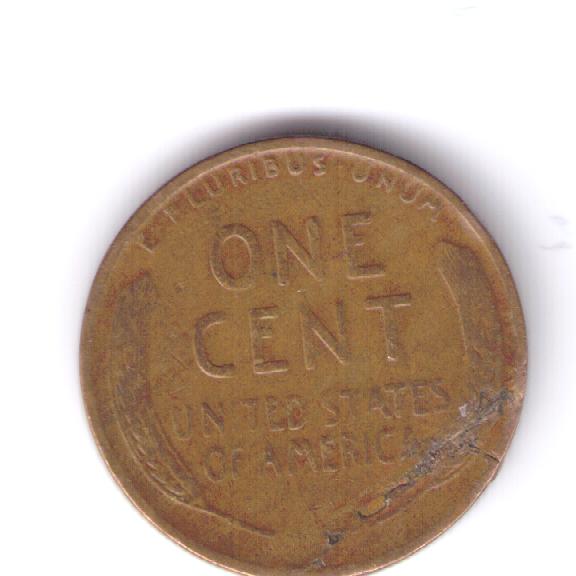
 in coin or not, but the scans look less like woodgrain than the coin does, in hand. the "breaks" on both sides - do they add any collector value to the coin. opinions welcome. thanks.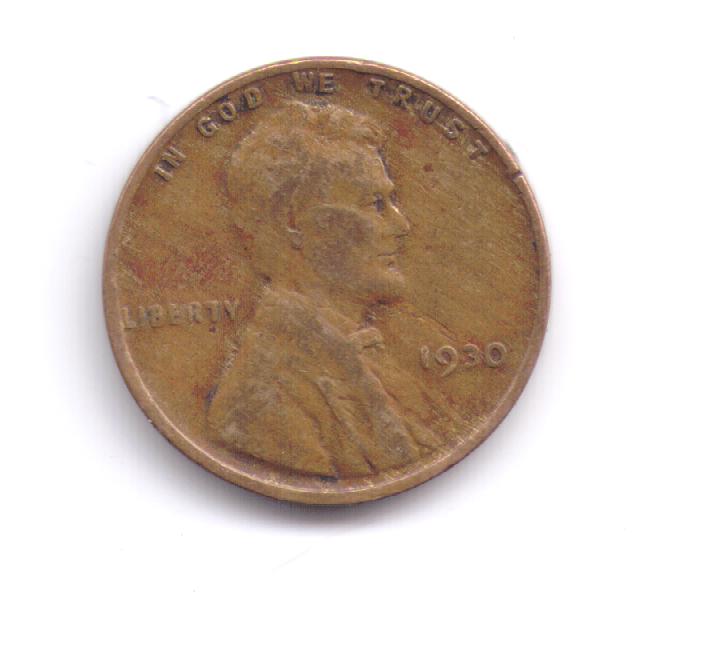


 Posted 08/17/2009 03:28 am


The reverse is also wood grained. The wood grain effect is from a poor mixture of copper on the material used to punch for the dies that year. Thus the lamination on the reverse. So both happened from the same cause, the poor mix of copper used. This happened on most years of the early Lincoln Cent. Some I find attractive, but most I do not find that way. So it depends on what buyer would want it. The ones that go for that may be interested. Those trying to find the best examples would not be interested. It just depends who is interested in them.


