| Author |
 Replies: 11 / Views: 2,444 Replies: 11 / Views: 2,444 |
|
|
Pillar of the Community
Poland
3201 Posts |
Edited by DL20K
12/18/2009 08:39 am
|
|
|
|
Pillar of the Community
United States
2605 Posts |
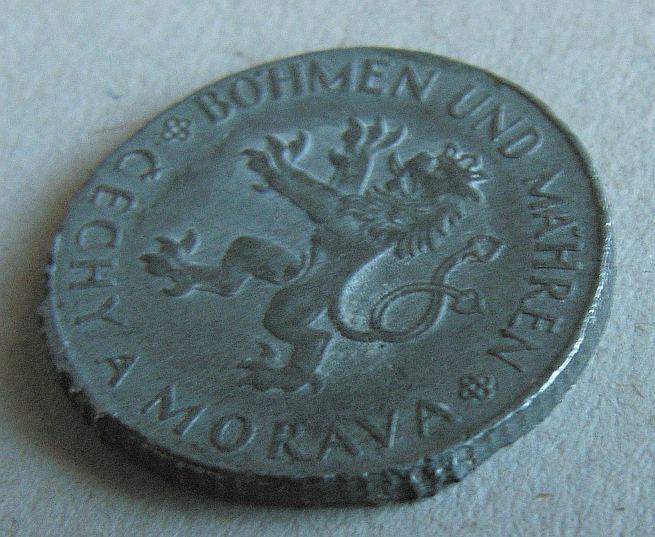
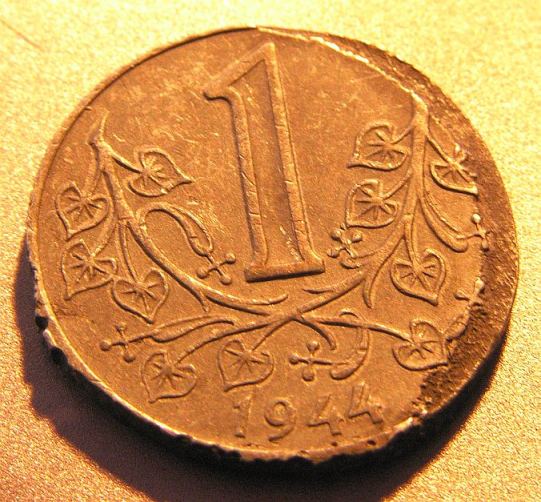
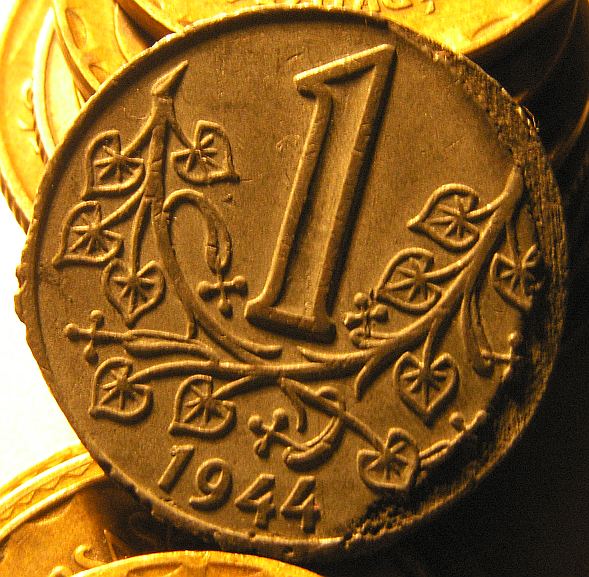
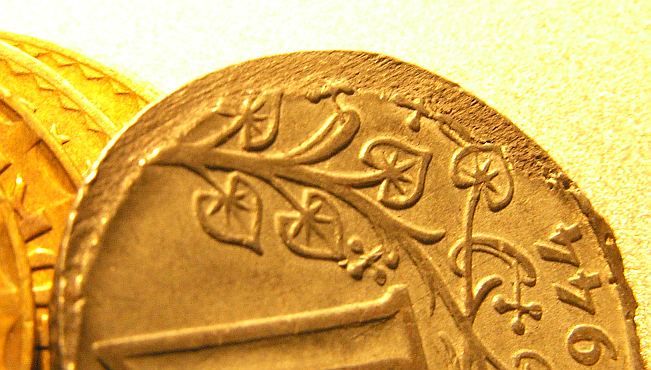
What coin (token?) is that? I can't place it. And what do you think the metal is? It almost looks like it rusted along the rim.
|
|
Pillar of the Community
 Poland
3201 Posts |
It's a Bohemia/Moravia coin, Nazi occupation zinc piece.
|
|
Pillar of the Community
United States
2605 Posts |
Very nice detail on what's left.
|
|
Bedrock of the Community
United States
12437 Posts |
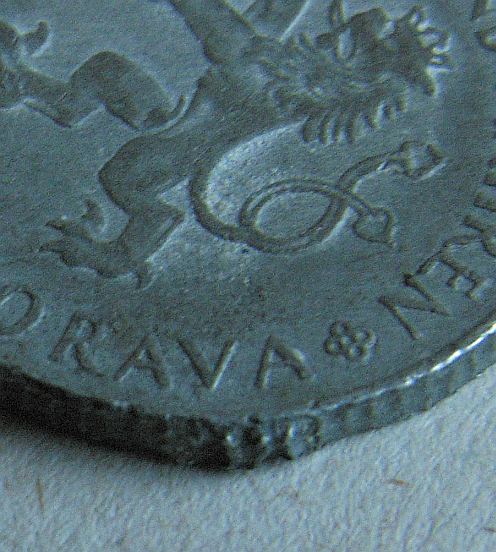
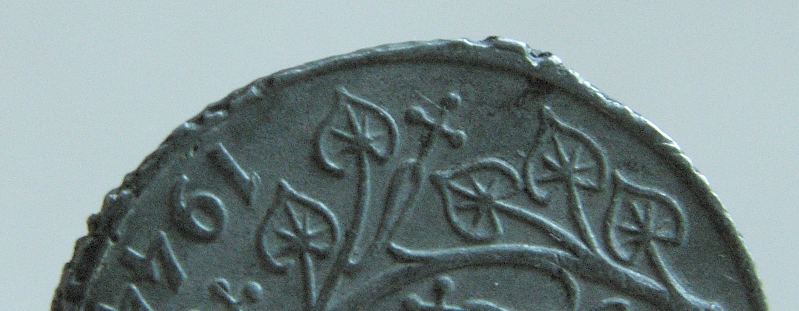
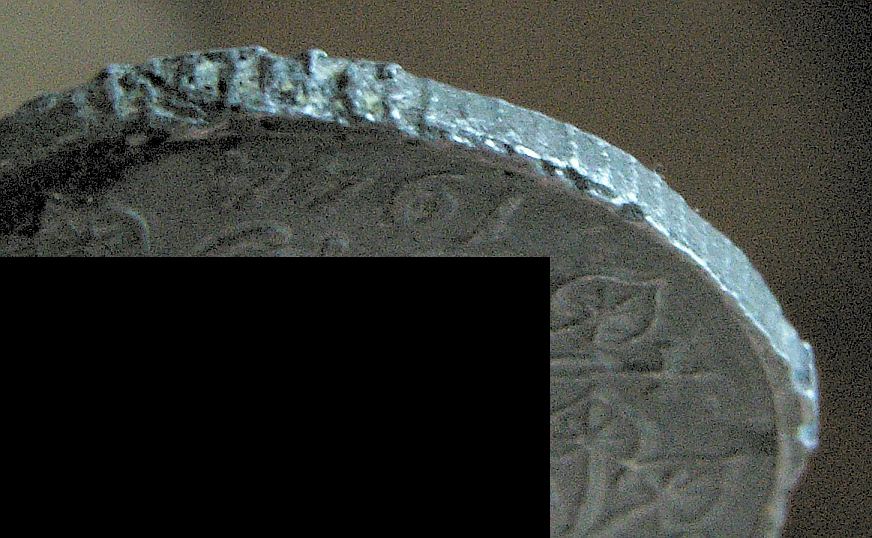
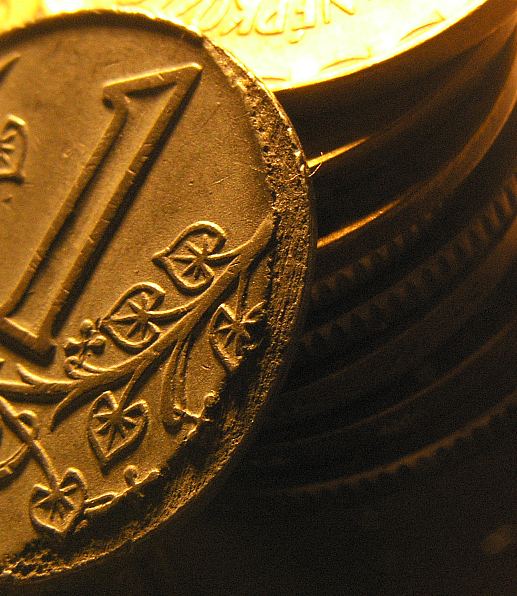
It has the appearance of a sizable delamination but it is in an odd circular shape and not a randomly shaped rough area  The striations are actually the graining of the metal and if you look closely at the last picture, you can see some of the graining in the form of light parallel lines on the struck planchet surface. Edit: I see now that you added that it is a zinc Nazi occupation coin. That fits well with the delamination theory because zinc is a soft metal and I am sure by 1944, the metals the Germans were using for coinage was of a very low quality. I am still not quite sure why it would just hug the rim area like that though. Edited by biokemist6
12/17/2009 3:34 pm
|
|
Valued Member
United States
124 Posts |
I'm not familiar with this particular coin, but I do own a number of Nazi coins. Biokemist6's speculation is correct. The quality of the metal used late in the war was very poor. I've seen some late Nazi coins with chunks broken off of them. Judging from what I've seen in other coins, I would guess that this is post-mint damage. The break does have an odd shape.
|
|
Moderator
 Australia
17005 Posts |
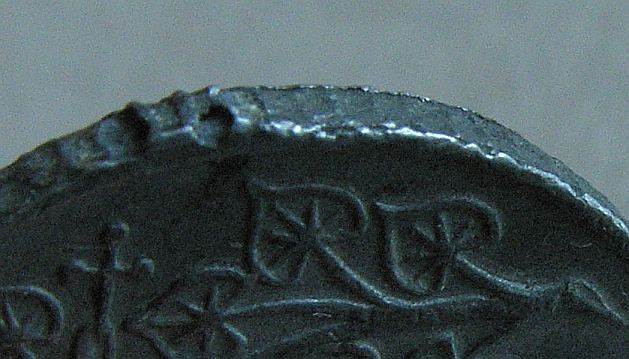
The thing I noticed about it is the odd lump attached to the rim on the opposite side to the main patch, at 9 o'clock on the third pic you can see it clearest. Is there some damage on the obverse that caused a piece of the rim to bend outwards like that? If not, then there's a good possibility we've got some kind of deformed planchet.
Don't say "infinitely" when you mean "very"; otherwise, you'll have no word left when you want to talk about something really infinite. - C. S. Lewis
|
|
Pillar of the Community
Poland
3201 Posts |
Edited by DL20K
12/18/2009 08:39 am
|
|
Moderator
Australia
17005 Posts |
Corrosion can take metal away, but it can't add metal. it's either an "actual mint error" or extra bits of metal somehow got attached to it; perhaps if a whole bunch of zinc coins were squeezed together, heated a little bit, then prized apart again, you might get something like this. Don't say "infinitely" when you mean "very"; otherwise, you'll have no word left when you want to talk about something really infinite. - C. S. Lewis
|
|
Valued Member
Sweden
347 Posts |
I like that coin!   |
|
Bedrock of the Community
United States
10045 Posts |
That's interesting!
I agree with Sap--and the edge appears larger in places as it would be struck.
On your last set of photos, see picture 3 and that raised lip?
Is it possible this was a casting? In other words--a counterfeit coin?
|
|
Pillar of the Community
 United States
5953 Posts |
Have seen corrosion on AL coins expand the rim. If there is a nick on or near the rim the AL oxide will push the surrounding metal out over time. Forming small blisters and ridges. I assume that zinc would behave in a similar fashion as they are both similar materials.
|
| |
Replies: 11 / Views: 2,444 |
|









 Posted 12/17/2009 3:18 pm