Whenever I spot a counterfeit Cap and Ray coin on
ebay - I put it on my watch list even if I have no intention of bidding on it. I track sales and the final prices.
Sometimes when I watch a counterfeit on
ebay - bidding goes CRAZY.
Most common Contemporaneous Circulating Counterfeits are worth under $35. But at times, bidders (I presume novice bidders) fight and spend far too much for a coin that if they simply waited would show up again.
Here is an example:
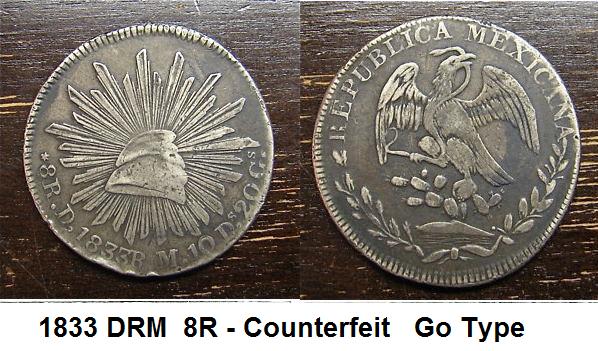
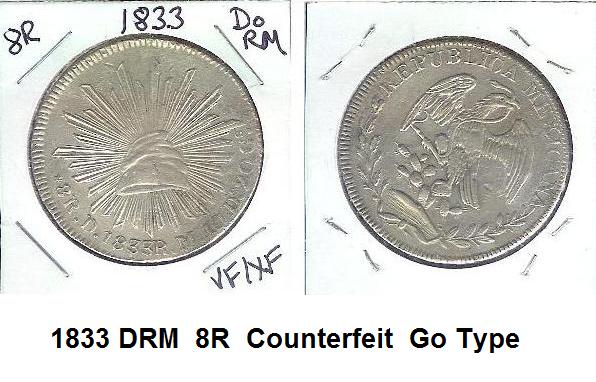
http://cgi.ebay.com/ws/eBayISAPI.dl...110548761914This is a fantasy counterfeit. It is part of a family of related dies that used 3 eagles and 2 caps to create a series of coins that did circulate extensively. Of the combinations I have encountered this particular die pair is the MOST COMMON variety. I own 12 copies of this die pair struck in various metals. This pair has appeared on
ebay about 2 to 3 times a year for the past 10 years. There is a scarce Modified version of this Eagle (I own the only copy I have ever seen of the modified die) - but this is NOT IT.
Before
ebay concealed identities, I could write to the bidders and ask them about their collection of counterfeits. If they indicated they didn't collect counterfeits, I could follow-up with a description of the counterfeit they were bidding on. If they responded affirmatively I added their name to my data base of counterfeit collectors. I have met several eBayer's who have become friends in this way.
Since this is a completely legal counterfeit to own and sell, the only problem is that the seller didn't warn the bidders about what it was. But if a bidder just looks in any reference they would discover there was never a D mint mark in Mexico. Durango was Do not D. In addition all 1833 Durango issues used very distinctive French dies. The eagle on this coin looks far more like a Guanajuato bird. So in my opinion, this is a perfect case for
ebay's caution "let the buyer beware".
Here are pictures - the
ebay coin at the top and directly under it a high grade copy I bought in 2009 for $30.










 Posted 06/25/2010 11:18 am


