





 First Page




 Posted 09/25/2006 09:15 am


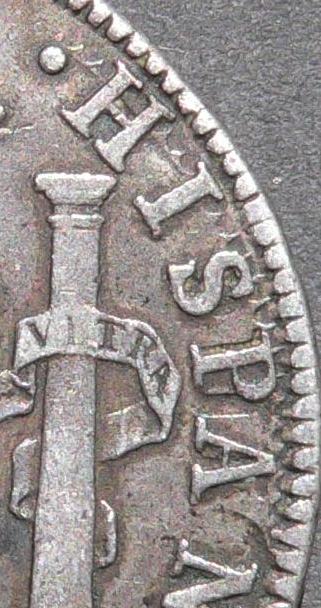
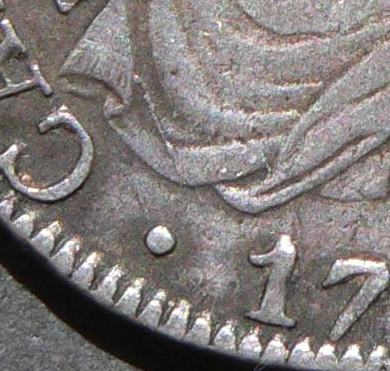
mnemtsas - That is a VERY nice copy and not a forgery. I am glad that it worked out with Ernie. He is a very nice fellow and I have known him a few years. I am also glad that your wife likes the coin. The pictures you posted are super and I think you appreciate the nature of this series now. You call it "character" - that is an excellent word to use. These older coins were made far differently than modern coins. This was the era of handwork - not mechanization. That is why I fell in love with these coins when I was a kid. The modern coins made after the introduction of the three die press are STERILE.
The term you used "clash" is exactly the correct one in this case. The dies came together without a planchet in between and the dies hit with great force. It happened all the time because planchets were positioned between the moving dies BY HAND. I can't imagine sticking my fingers in there. It may be that the cracks you see in the reverse die were caused by the original clash. The clash happened when the dies were in a slightly different (possibly tilted) alignment. The missalignment of the dies was rather pronounced at the time of the strike. When this happened it often stopped production because the dies had to be re-worked to remove the more obvious (central) signs of the clash. It is very likely that there was originally more of a clash present and that the dies were "lapped" (filed down) to remove some of the clash. It would be interesting to see if you can match the dentil and letter spacing from the clash with this particular reverse die. Quite often die pairs were broken up after clashes because typically one die was damage more than the other.
It is a very nice coin and could be one of the "Proclaimation" coins as easily as not.
The term you used "clash" is exactly the correct one in this case. The dies came together without a planchet in between and the dies hit with great force. It happened all the time because planchets were positioned between the moving dies BY HAND. I can't imagine sticking my fingers in there. It may be that the cracks you see in the reverse die were caused by the original clash. The clash happened when the dies were in a slightly different (possibly tilted) alignment. The missalignment of the dies was rather pronounced at the time of the strike. When this happened it often stopped production because the dies had to be re-worked to remove the more obvious (central) signs of the clash. It is very likely that there was originally more of a clash present and that the dies were "lapped" (filed down) to remove some of the clash. It would be interesting to see if you can match the dentil and letter spacing from the clash with this particular reverse die. Quite often die pairs were broken up after clashes because typically one die was damage more than the other.
It is a very nice coin and could be one of the "Proclaimation" coins as easily as not.


