| Author |
 Replies: 7 / Views: 1,786 Replies: 7 / Views: 1,786 |
|
|
Pillar of the Community
United States
1374 Posts |
When I looked at this coin, the throat popped out at me. There appears to be a second neck to the east of the primary. I haven't come across this as a PUP yet. The easiest way to notice the difference is by using the bow tie as a reference in the second photo. Is this Machine Doubling?   |
|
|
|
Bedrock of the Community
United States
62064 Posts |
Part of that could be a left over area of a die clash. The edges of the devices and fields touch in that area: 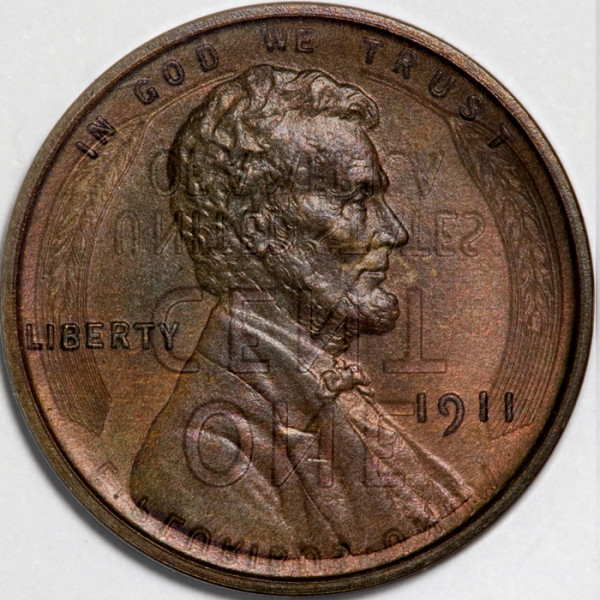 Polishing usually removes the clash marks, but sometimes not all get removed for feat of removing too much of the die. Other times abe ends up without out a neck. |
|
Pillar of the Community
 United States
1374 Posts |
Coop, you the man! Thanks for looking at my coins! It does appear that N in cent caused my discovery, they line up almost perfectly.
|
|
Pillar of the Community
United States
573 Posts |
Here's Abe without a neck, vest and half his hair. I like the cowlick on the top of his head, just like Alfalfa.  |
|
Bedrock of the Community
United States
62064 Posts |
And Frank Burns (MASH) lips.
|
|
Valued Member
Colombia
86 Posts |
What's the cause of the freaky Abe? Grease? Weak strike?
|
|
Pillar of the Community
United States
573 Posts |
After a die clash, the dies are polished to remove the clash marks. Sometimes they are polished too deeply and start removing details.
|
|
Bedrock of the Community
United States
62064 Posts |
When the dies clash the two dies fields touch each other. (The fields are the outside edge of the die){devices are sunk into the die, the highest ones on the coin is the deepest into the die} When the two dies touch each other during the clash and the fields hit together, there is a transfer of part of the center devices where the field ends and the devices start. So during a clash you see the outside areas of the devices transfer to the opposite die. After the clash the dies are removed to polish out these clash lines. When the clash lines get stronger and deeper, more of the die needs to be removed. The deeper the polishing the more the edges of the devices suffer loss of definition of the field and the device. Thus more the polishing, the more devices weeken and suffer weakening of the devices. Thus the floating roof, no throat, no neck, jaw, nose, back of head and other loses they die are reduced to which shows on later coins the dies turn out. It happens as a normal process of the polishing. Hope this helps.
|
| |
Replies: 7 / Views: 1,786 |
|







 Posted 01/29/2011 09:42 am


