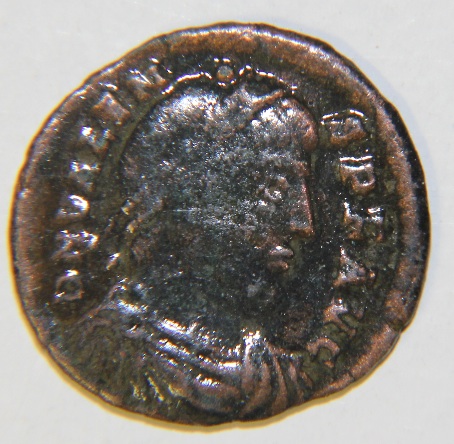
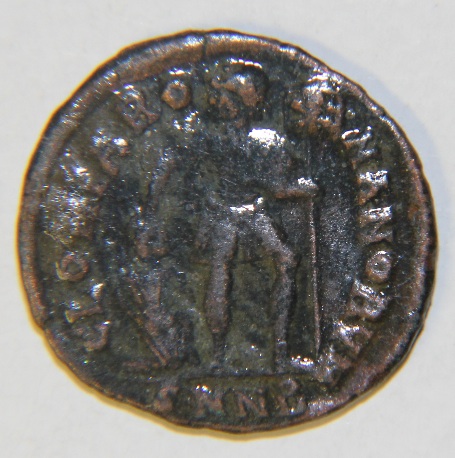
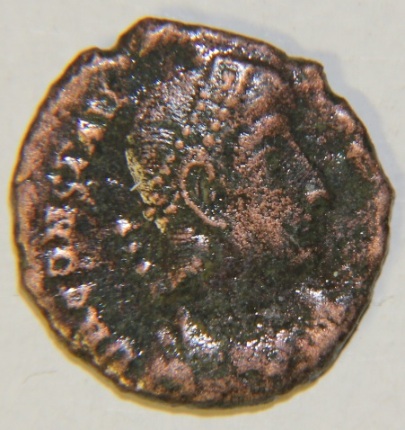
#1: Late Roman: Valens, reverse GLORIA ROMANORVM again, this time the emperor is dragging a captive by the hair. Mintmark SMNB - Nicomedia, officina beta.
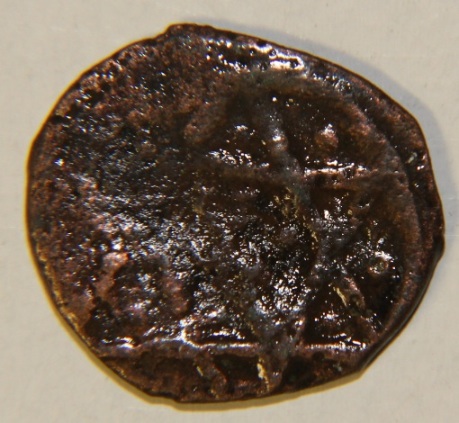
#2: I.. have no idea. It doesn't really look either Moroccan or Mamluk, the two Islamic series that often use the Seal of Solomon, a star-of-David-like symbol.
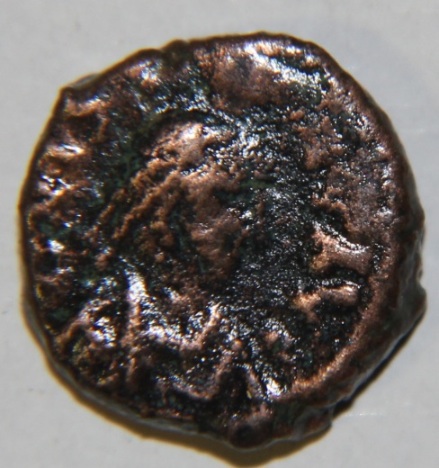
#3: a (very small!) FEL TEMP soldier-spearing-horseman from an emperor whose name begins with CONSTAN. Mint might be Antioch again.
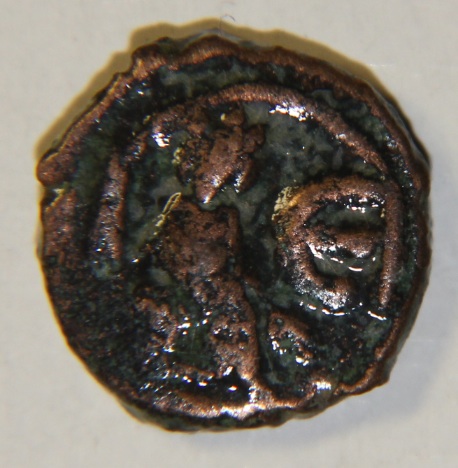
#4: early Byzantine. The E on the reverse is the denomination, Greek number "5" - a pentanummium. On these curious types we can see the last relic of pagan imagery on Byzantine bronze coins; the seated figure next to the E is the Tyche of Antioch, here being used as a mintmark for that city. Curiously, all the examples of these Tyche coins, for emperors Anastasius, Justin I and Justinian I, show the "E" backwards, like
this example. If I had to guess an emperor on yours, I would pick Anastasius I - the "first Byzantine emperor".
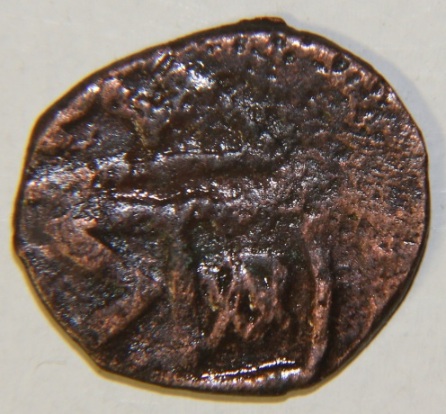
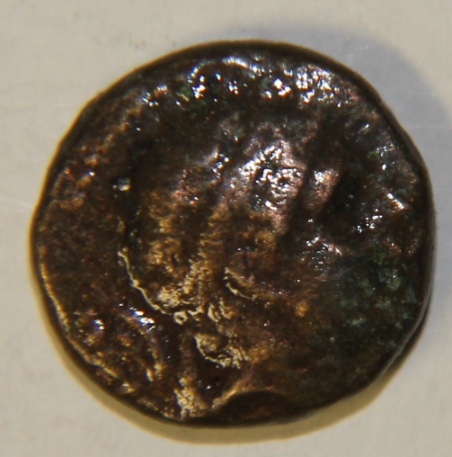
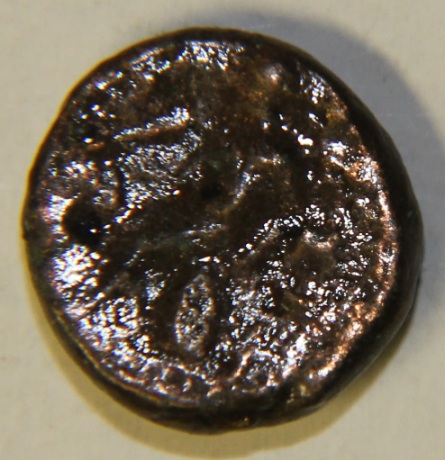
#5: Pre-Roman. Probably Seleucid. Reverse looks like Apollo seated on his rock, the omphalos, "navel of the world" - like on
this coin of Seleucid king Seleucus III. However, that particular coin isn;t a good match because the obverse is female, the goddess Artemis, while yours appears to be a king's portrait.
Bronze coins generally didn't travel too far form where they were minted. I've noticed that many of your coins were minted in Antioch, so that fact can probably be used to identify the source of your material. While they can't all be from the same hoard - nobody buried bronze coins over such a wide date range together in one place - they could all have been found in the same location, which I suspect was somewhere in Syria or Turkey.
Don't say "infinitely" when you mean "very"; otherwise, you'll have no word left when you want to talk about something really infinite. - C. S. Lewis







 Posted 05/19/2011 2:41 pm





