| Author |
 Replies: 8 / Views: 3,294 Replies: 8 / Views: 3,294 |
|
|
Valued Member
United States
121 Posts |
|
|
|
|
Moderator
 United States
56855 Posts |
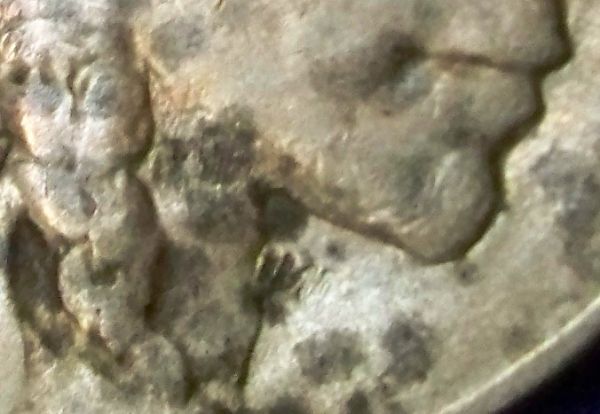
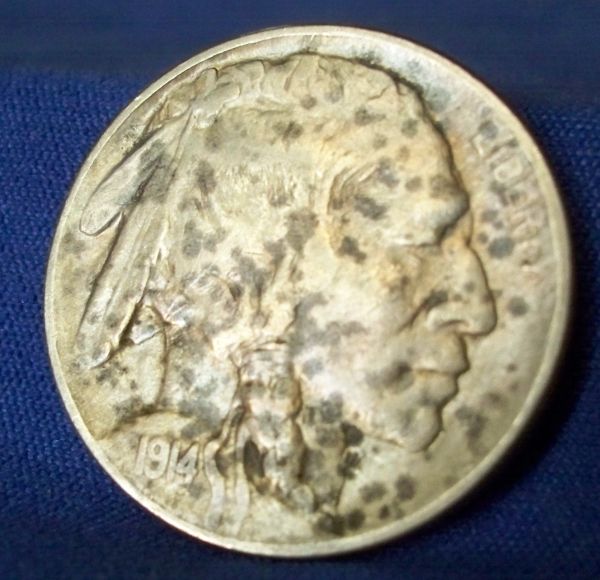
Not sure but it kinda looks like it took a hit from a reeded edge of another coin. John1  |
|
Valued Member
 United States
121 Posts |
Wow 80 views one opinion? I still believe that is a die clash?
|
|
Valued Member
United States
366 Posts |
After taking a look at a Buffalo clash overlay (there's plenty online), it seems very unlikely that it's a clash. Most likely an impact mark with something else. I can't see the pics too clearly but it may even be a counterstamp (?).
|
|
Bedrock of the Community
United States
12437 Posts |
Compare to this clash-  |
|
Pillar of the Community
United States
687 Posts |
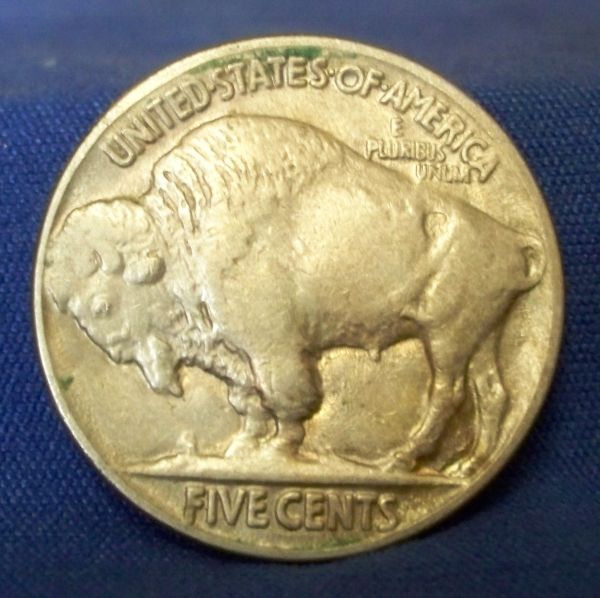
It's a die clash remnant - part of "UNUM"
Can't tell you about the value, but it's not uncommon. I have a number of examples, but they're all from much more worn coins than that one.
|
|
Valued Member
United States
366 Posts |
Hmm somehow missed the obvious with the previous post. Yep. would agree that's a clash, but since this isn't very strong or very visible, I would guess the premium would be minimal.
|
|
Pillar of the Community
United States
4433 Posts |
This is definitely a clash, and a most common one at that. There's not much of a premium on these, if any. This oldtimer has seen many dozens of these. The clash is less often seen on the 1918, and that clash is particularly strong.
There are a good many error coins in the Buffalo series. There are many rotated dies, two feathers, doubling, etc. After many years of looking, I managed to find a 1916 Buffalo, lacking the F initial below the date. There's only a modest premium on that one. Look for more!
|
|
Pillar of the Community
United States
2540 Posts |
definite die clash.
Added value?
No, very common.
|
| |
Replies: 8 / Views: 3,294 |
|












 Posted 09/06/2011 09:38 am


