| Author |
 Replies: 10 / Views: 2,260 Replies: 10 / Views: 2,260 |
|
|
Pillar of the Community
United States
1549 Posts |
I usually prefer coins shot on a black background but a friend who sells online prefers white so I threw together this rig adapting the idea I showed in the Camera stand vs. tripod discussion to a white background. The background light box is an old 2 1/2 gal. aquarium I happened to have with a piece of glass over the top. A short dowel holds the coin off the glass so dirt and smudges will be out of focus. The coin is lighted by one CF bulb mounted on a bar at the back so it can be adjusted right to left as needed for different coins. The background is lighted by a matching bulb at the left over which is a dark cloth to keep its light from going up to the lens or coin. For this photo it has been folded back so you can see it. The box under the aquarium is removed to allow shooting coins up to 50mm diameter and another box can be added for coins smaller than about 15mm. As shown, it provides decent results for most ancient coins in my collection. I don't collect modern so you might need to adapt the idea for other sizes. Much of this was made from scraps I had but I would guess that everything shown except for the camera and lights would cost about $10 (new glass might add more?). 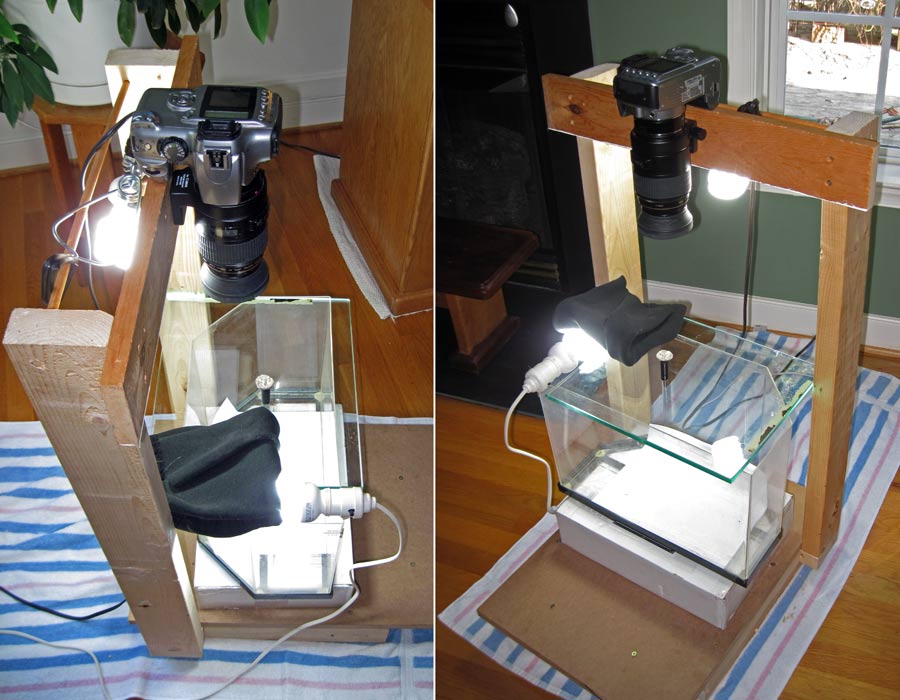 |
|
|
|
Pillar of the Community
 United States
4051 Posts |
Is it white paper in the bottom? Should be able to change the paper color to whatever you like to use the concept for other colors. I don't like white backgrounds for most coins but a medium to dark gray looks good with most. Some folks like red, or blue, or purple, and it would just take a change of paper to make it happen. I assume if you don't light the background separately it is too dark?
How about some pics taken with the setup?
|
|
Pillar of the Community
 United States
1549 Posts |
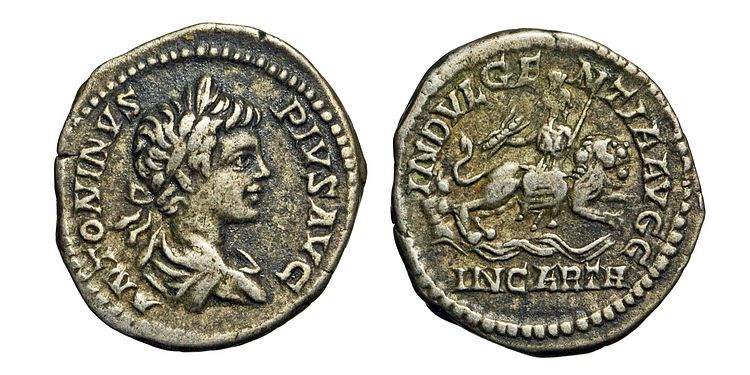
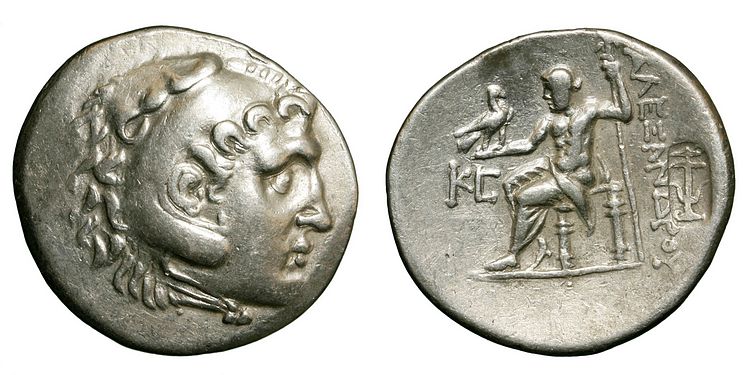
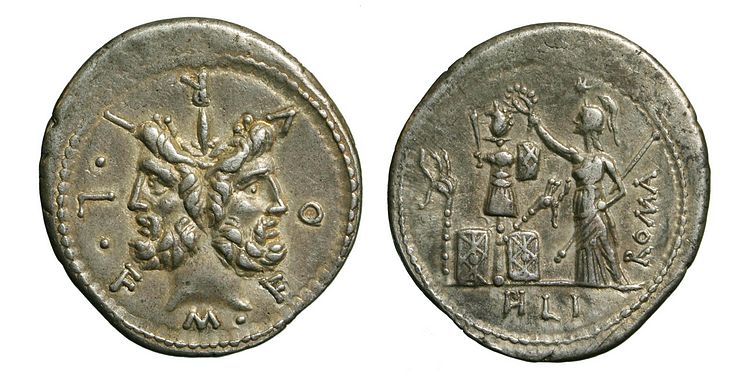
If you like gray, the easy way is to use white paper and turn off the background light. You can change the white paper to any color. I just don't like coin photos on other than Black, white or gray. I checked the coins I photographed and only one happened to come out under 100k so it could be posted here. 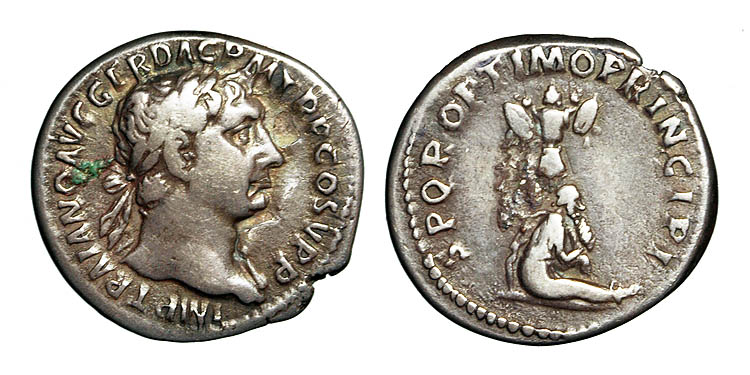 |
|
Pillar of the Community
United States
1549 Posts |
I'll limit these to the 100k limit by not combining the two sides of each coin allowing a bigger file for each. The Greek silver was shot with the background light turned off while the Roman bronze used the background light. Both used the white paper. If I were combining two sides or trying to match backgrounds for several coins I would need to select the backgrounds and replace them with some standard. Neither of these has been adjusted. I have friends who don't care what color they get on the background but I prefer something constant black, white or the same gray for all my photos. It is just a matter of opinion. 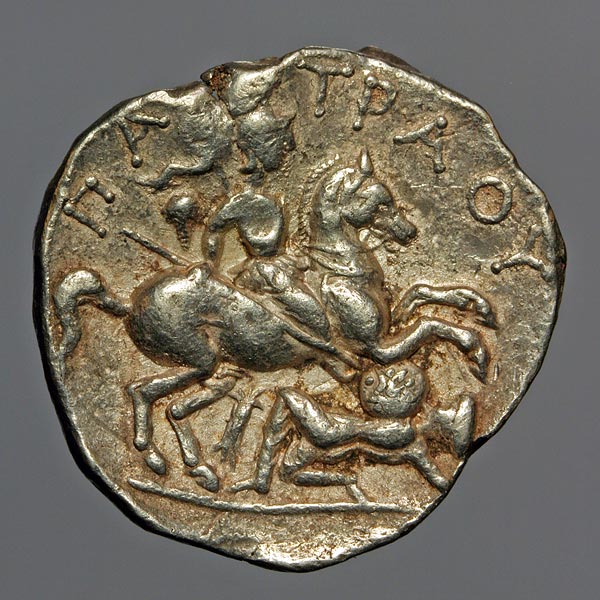 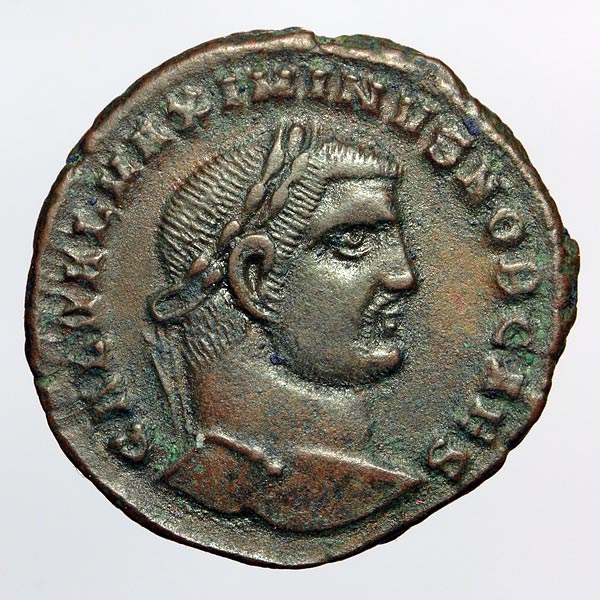 |
|
Pillar of the Community
United States
4051 Posts |
Unfortunately the small file size leads to macroblocking in the image, messing up the background. This is part of the reason I like a textured background, so at least the jpg algorithm can't completely mess it up and what it does mess up is partially hidden by the texture. The single-color background should be fine at full file size.
Contact me for photographic equipment or visit my home page at: http://macrocoins.com |
|
Pillar of the Community
United States
4051 Posts |
Forgot to say that with a nominally white background like the last photo, you could easily push the background to FF with a bit of brightness or contrast adjustment.
|
|
Pillar of the Community
United States
3076 Posts |
I have an idea, but just want to be sure why you have a sheet of glass between the camera and the coin...Is it due to you need LOTS of light, yet does the glass kind of spread it around so that it does not over light the coin?
|
|
Moderator
United States
23522 Posts |
Quote:
I have an idea, but just want to be sure why you have a sheet of glass between the camera and the coin It's more about the background. Even though macro photography has minute depth of field in focus, the sensor still sees everything whether focused or not. So, you mount the coin over nice clear glass, a distance above the actual background, and end up with an image which appears to be floating on air because the camera cannot see anything except pure color in the background at that distance from the sensor. Beats the heck out of trying to crop the image of an irregularly-shaped Ancient.  Never thought about this technique before; I'm going to incorporate it into my own work one way or another. |
|
Pillar of the Community
United States
4051 Posts |
The glass is really just a base for the coin to allow large distance above the background, enabling the background to be lit. Same problem as we all have with short focal length lenses, ie there is not enough room between lens and coin to get flexible lighting between. If you want to light the background so it appears very bright white, you need room for lighting.
If you don't care about lighting the background, you can just put the coin on a dowel and that will push the background out of focus. But the brightness of the background will be variable with your front lighting level. Sounds like dougsmit's friend wanted a consistently bright white background and this seems an excellent way to achieve it.
Contact me for photographic equipment or visit my home page at: http://macrocoins.com |
|
Pillar of the Community
United States
1549 Posts |
|
|
Pillar of the Community
United States
4051 Posts |
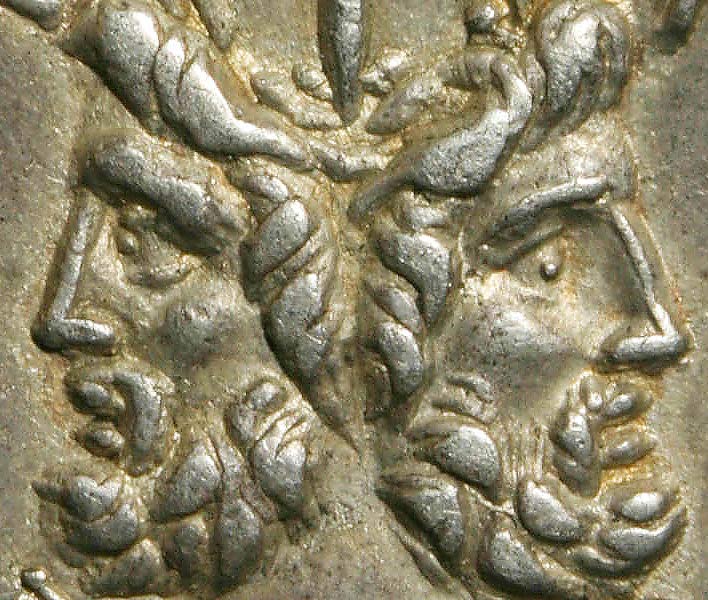
Very nice! Looks like you pushed the background brightness to FFFFFF. Did you do it by exposure or did you slightly under-expose and adjust brightness/contrast to push it to saturation? Either way the pics came out great...Ray
Contact me for photographic equipment or visit my home page at: http://macrocoins.com |
| |
Replies: 10 / Views: 2,260 |
|










 Posted 09/28/2011 1:12 pm