| Author |
 Replies: 21 / Views: 2,051 Replies: 21 / Views: 2,051 |
Page 2 of 2
|
|
|
|
Pillar of the Community
 United States
911 Posts |
I gotcha Coop. I understand that single squeeze confines the hub doubling from the center outward. Yet if one confined themselves to this strick pattern thinking, then Whalen Curtiss might not have submitted this example of an exception to the rule. Unless you and others dispute the attribution. Reference Wexler. 2012P WDDO-1.
I was just hoping for a little bit of closer scrutiny from others, as I was able to get nice images from Heritage Auction's to compare. The example I have is fatter. So what, big deal. I am not interested in profit or recognition in my endeavors here. If I observe something that appears different, I enjoy sharing it and asking for input from others only to sharpen my skills of observation.
Give me enough time and I could more than likely find more exceptions to the rule throughout the scores of years.
Just forget I asked.
|
|
Pillar of the Community
United States
911 Posts |
I must interject again, for the last time on this topic.
My best comparison is this 2006 S picked up the same day as the coin in question. I get if the were changes to the dies between those yes. They appear much different. No big deal. It is not a slick in the stack, for sure.
Out.
|
|
Pillar of the Community
United States
2869 Posts |
I don't see the doubling.
|
|
Pillar of the Community
United States
4429 Posts |
I don't believe anyone else has confirmed this but I think there was a new obverse design variety introduced in 2009. The lettering of IGWT before this date seem to be slightly thicker than that on 2009-present. I have not recognized any difference between 2006 and 2007 though.
The thickness looks normal on your coin, I'm not sure what you're seeing. Maybe it would help if you took photos of the 2006 dime you have and put them side by side for us.
|
|
Pillar of the Community
United States
911 Posts |
2006S Pr 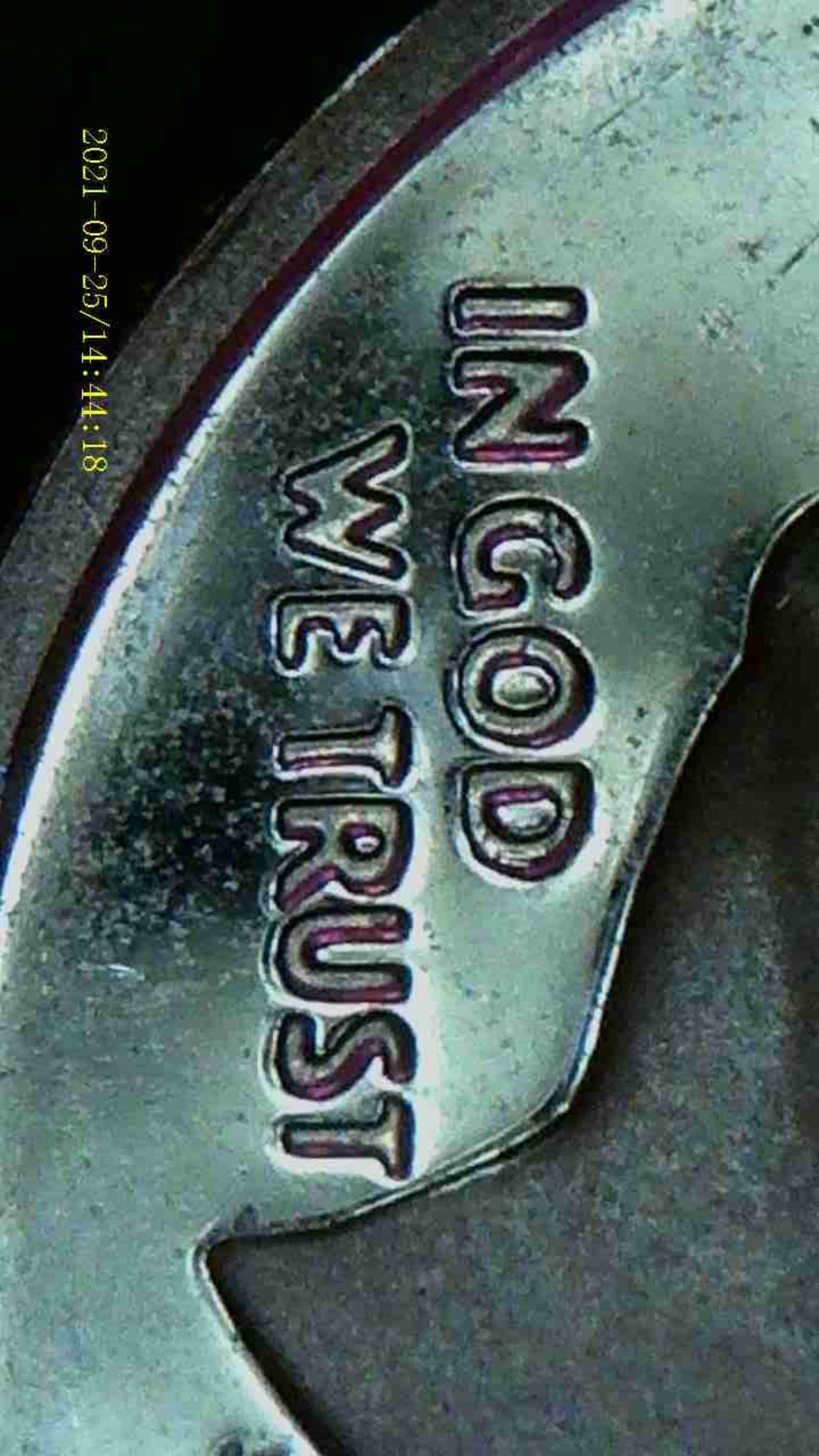 2007S Pr  2006S Pr 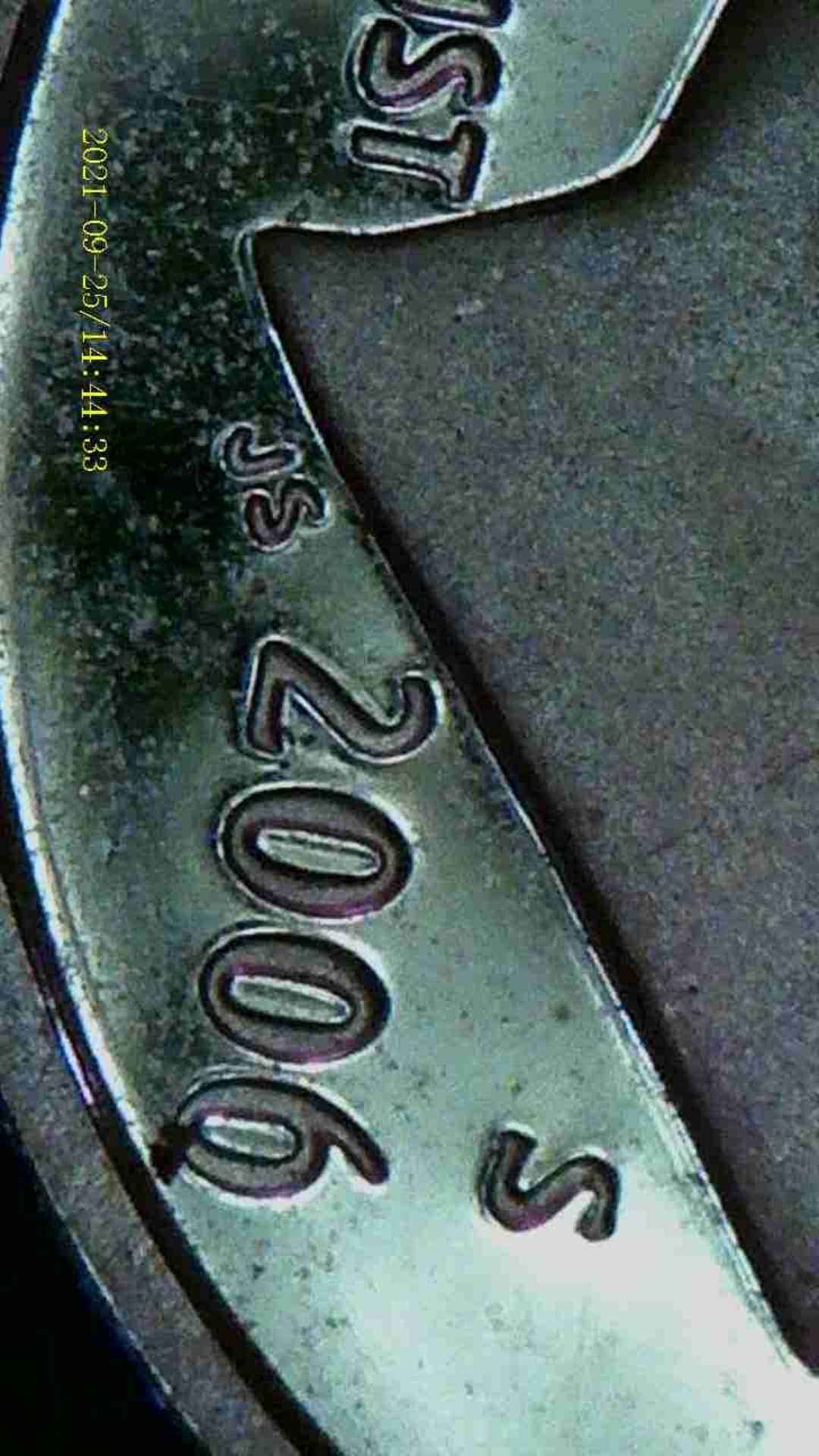 2007S Pr 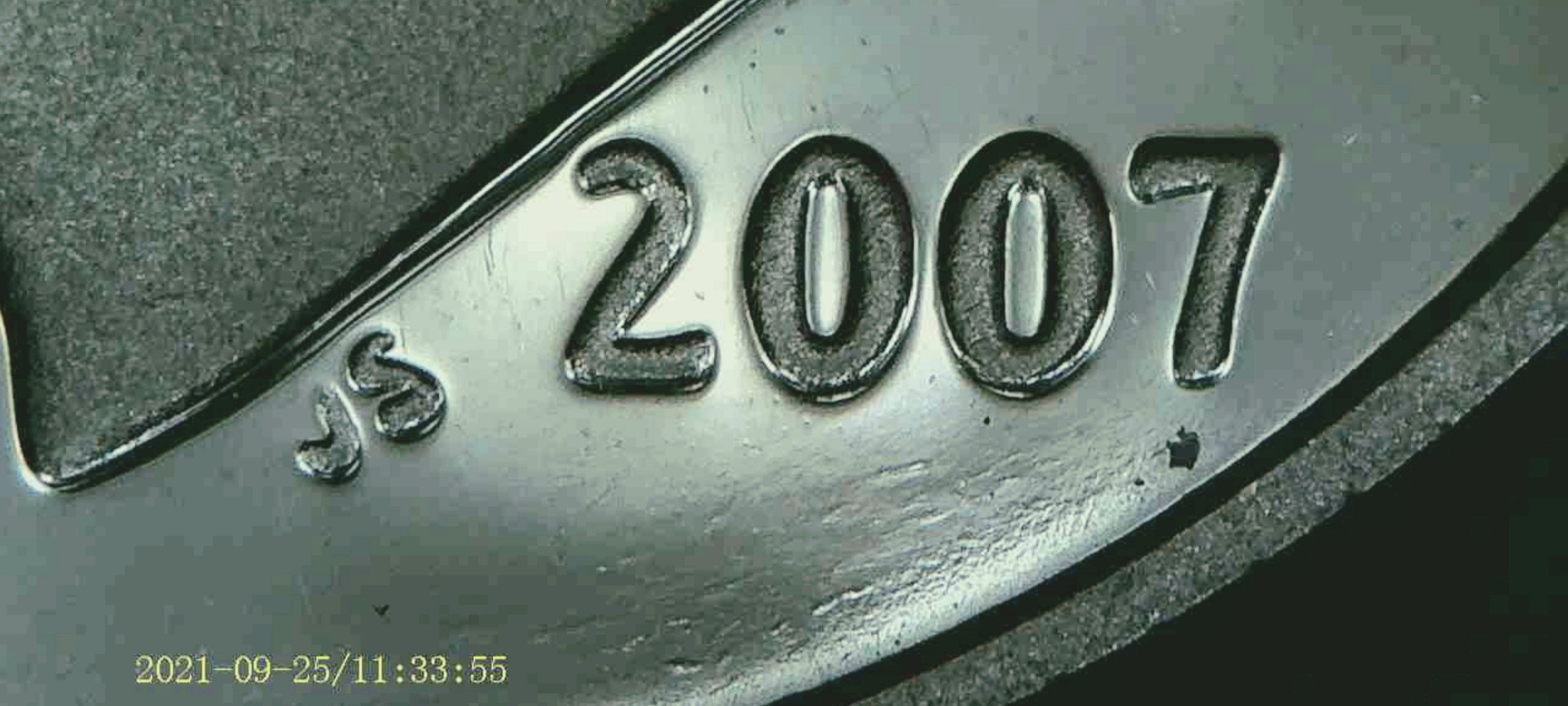 2006 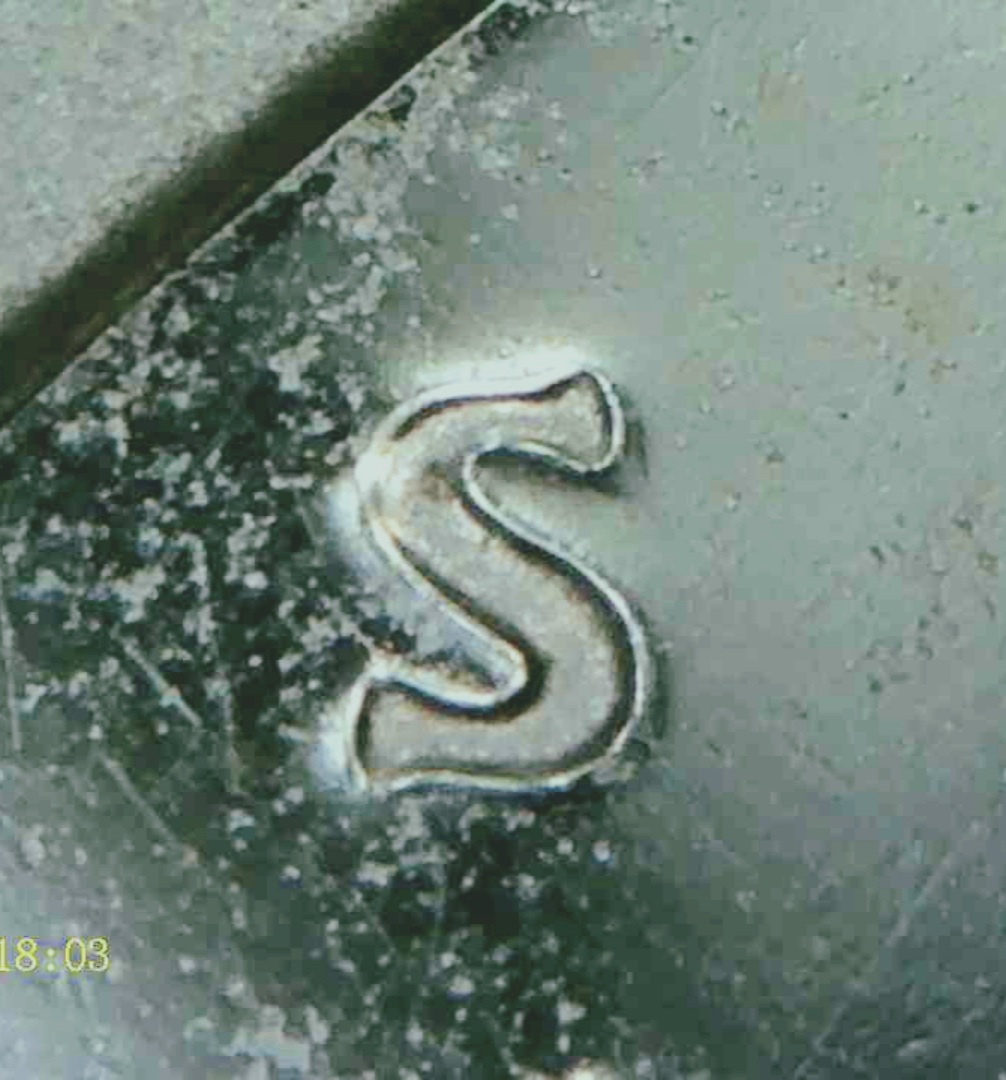 2007 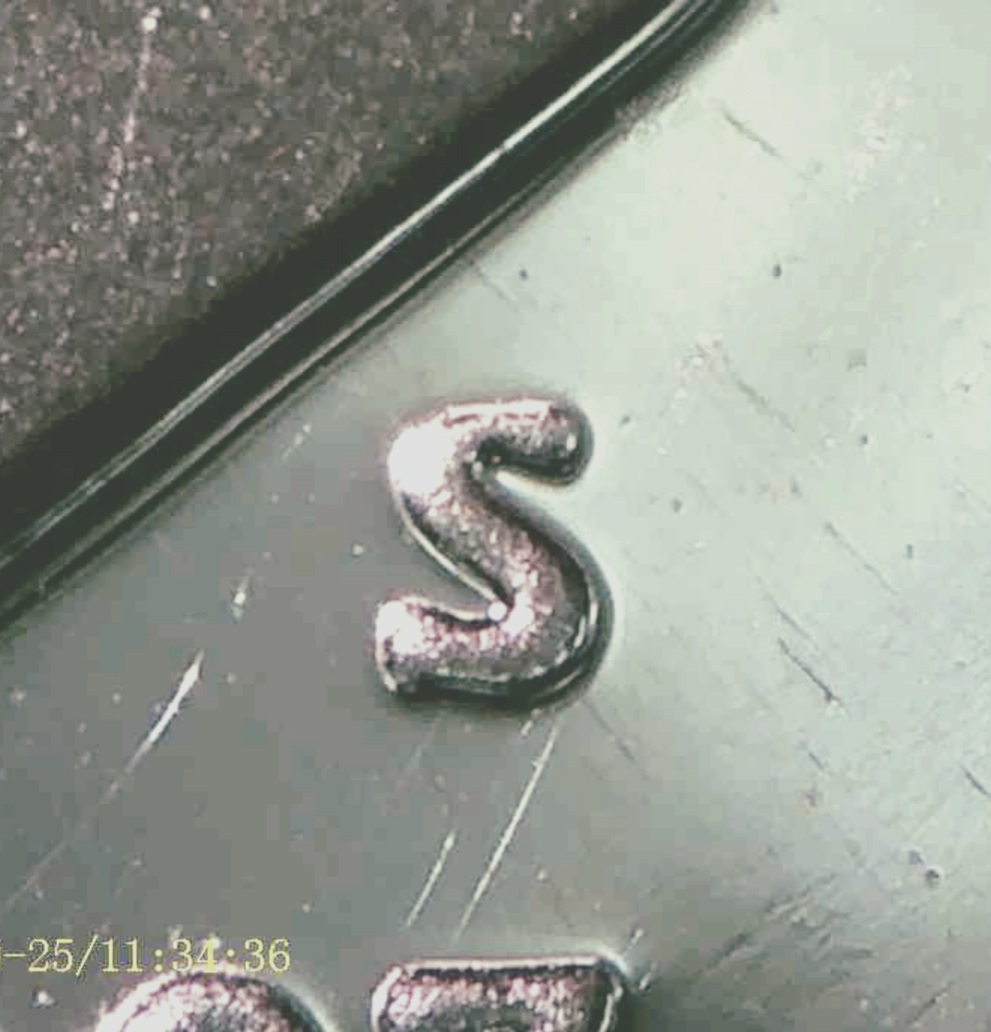 2006 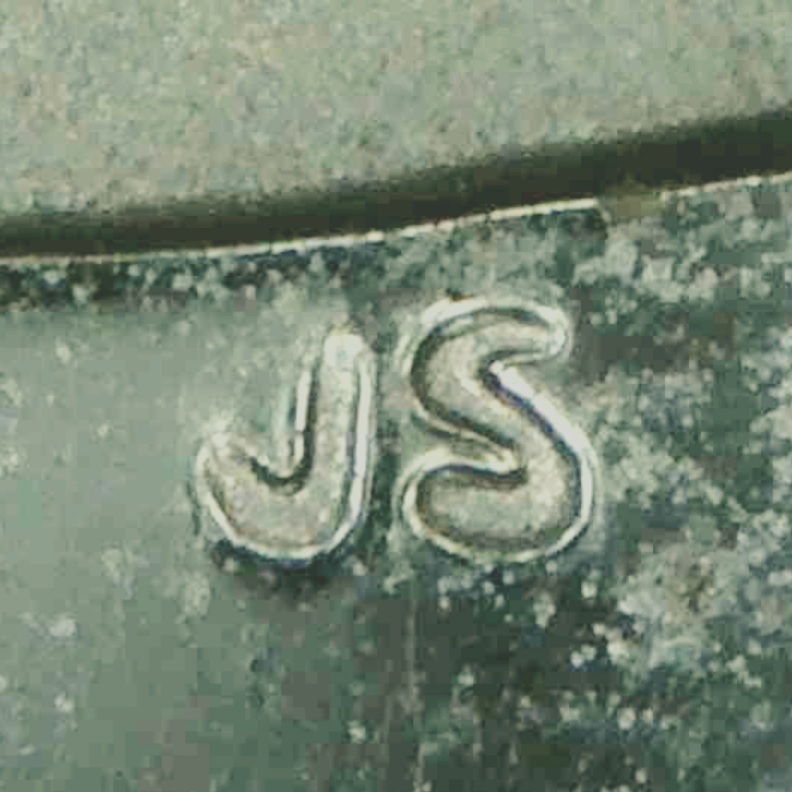 2007 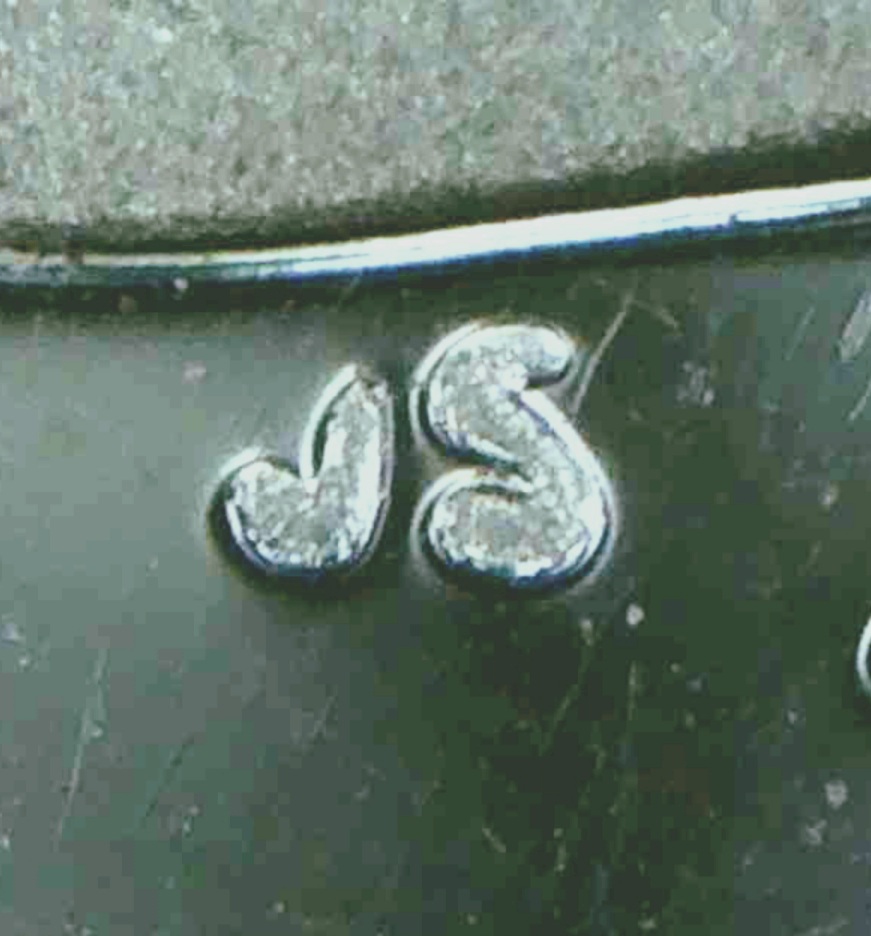 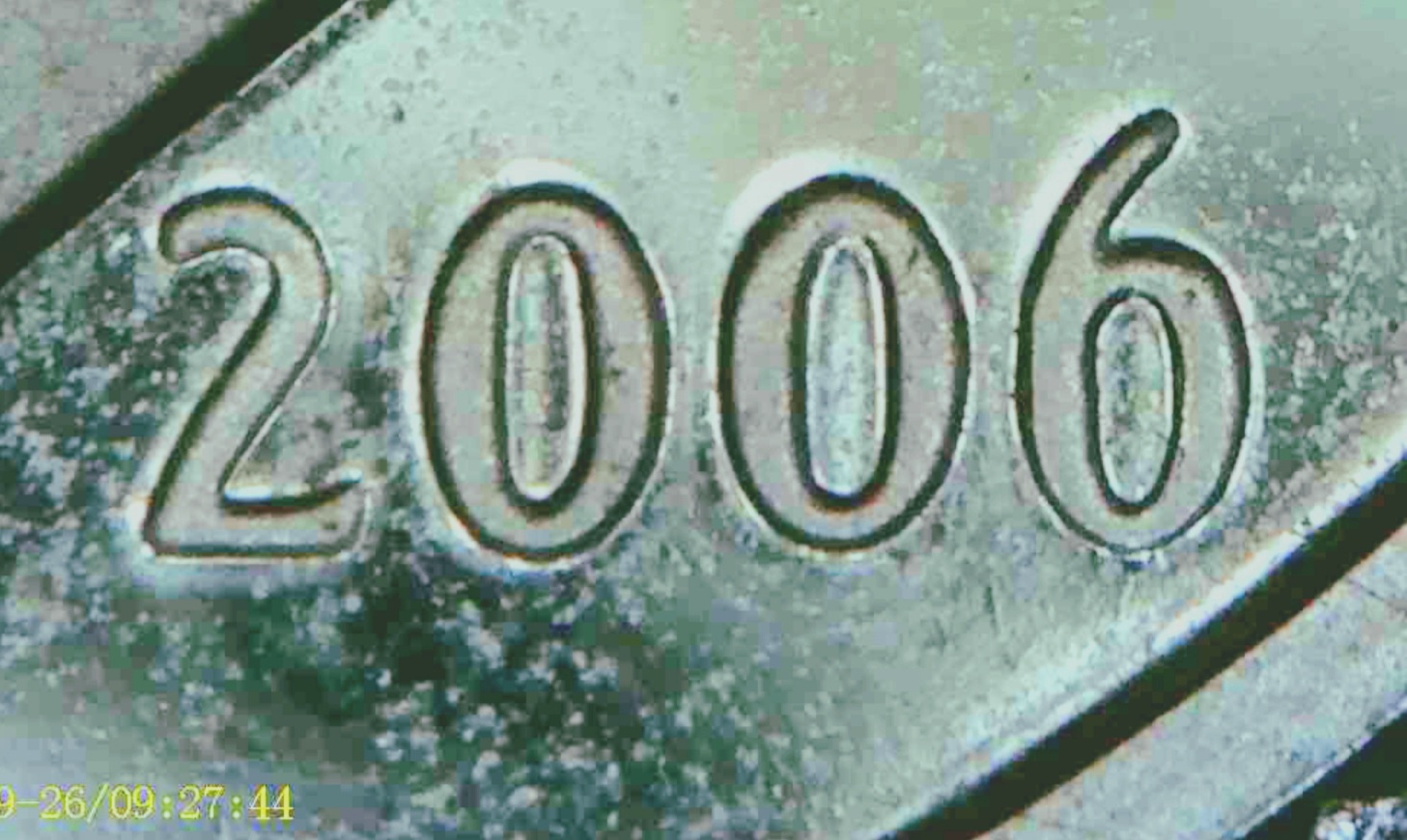 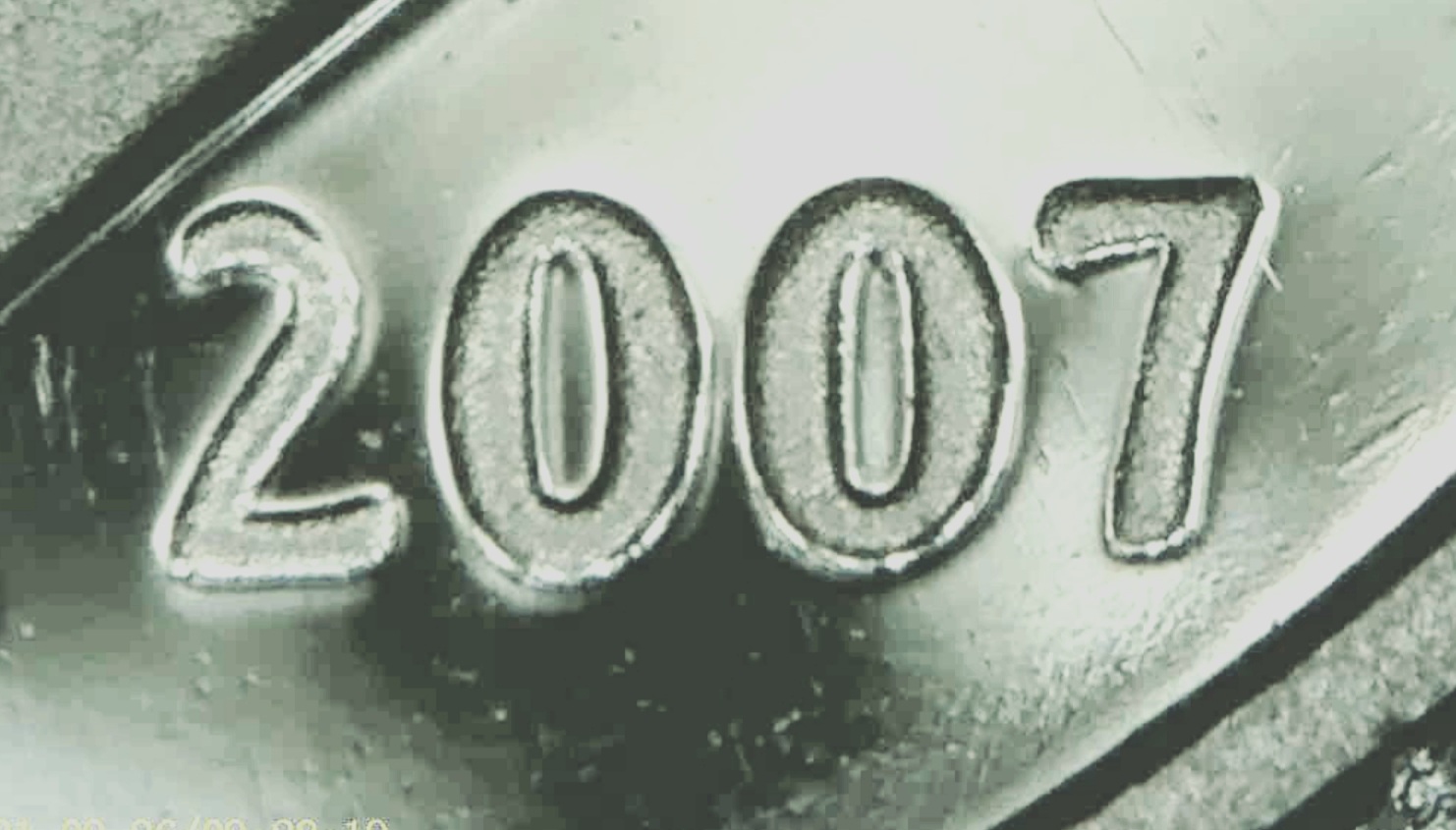 |
|
Bedrock of the Community
United States
62064 Posts |
Well different things can affect devices, even on proof coins. If the one die is a fresher die state and the other one is a polished die, then the devices can appear to be different sizes. But they are just normal dies with different die events.  My first question was why was one year/compared with another year having different device sizes. Well my first assumption was that they may have changed die the design from one year to another. Looking them up, they appeared to have different sizes on the same year dies. So to solution #2. Die polished and fresh die. That is what I determined as being different on these years. (even proof dies get polished because of the strike are stronger and alter the dies more) |
|
Pillar of the Community
United States
4429 Posts |
 The differences you see are likely die state or die polishing issues. |
|
Bedrock of the Community
United States
62064 Posts |
|
|
Pillar of the Community
United States
911 Posts |
See how easy that was. A logical explanation to my question but only if one knows that proof dies undergo the same methods as business strike coins. Which I was not aware of. I was under the assumption that proof dies were retired before reaching that stage. Now I know differently.
In light of this new information, am I the only one that observed extra thickness as my OP inquired? That appears not to be the case as original question was re-addressed and eplained in an understandable manner. Hence, I have learned something else I did not know before and I thank you.
The question of value is something I believe, I have never asked. Nor have I ever asserted that "this is the one". At least, not to my knowledge. Inquiring minds just want to know. And now I know.
Further more, thanks to the advice and information obtained thru this forum, I am completely aware of fact that no listing exist on the search sites as mentioned by you Coop. It was you and many others here that put me in that direction some time ago.
I do my best to ingest and research as much as I can before I put forward something to this community for an opinion.
So, in conclusion, as to my initial observation of extra thickness, the answer is yes? I am not just seeing things? Or maybe I am noticing more things. Not sure.
On to the next one. I still think it is pretty nice junk silver.
|
|
Pillar of the Community
United States
4429 Posts |
Quote:
as to my initial observation of extra thickness, the answer is yes? I think the answer is no. Your 2007 has normal thickness, but the 2006 you compared it to is thin. So it just looked like it had extra thickness by comparison. I was just reminded of a 2007-P dime DDO that Ken Potter wrote about previously. It was never listed by Wexler or CONECA (I think just because it was never submitted. I believe it to be a DDO) so many have likely never seen it. Notice the extra thickness east-to-west on the date and TRUST. The modern doubled dies that only show as extra thickness never have the extra thickness evenly distributed throughout the lettering. It is almost always along a certain axis, leaving some parts of the lettering thicker than others. On this example it really stands out on the 2. Look at how much thicker than diagonal stroke of the 2 is compared to the lower horizontal stroke. If you look at your 2007 proof, the thickness of these two strokes is the same. https://www.numismaticnews.net/arch...dies-ignored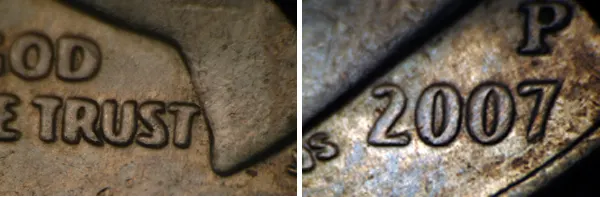 |
|
Bedrock of the Community
United States
62064 Posts |
Just common either fresh dies or polished. The examples I posted images of are slabed PR-70 Dcam. Highest grade, $15 value. To have them put in a slab, would cost 4X more than the coin would be worth. So the newer proof coins would not be much of any premium when the highest grades are duds. Lower grades even less.
|
|
Pillar of the Community
United States
911 Posts |
Seems to me that fresh dies would exhibit sharper devices rather than mushy ones. As far as a polishing issues, would that not effect the laser etched frosting on the devices smoothing them out. Coop, can you explain to me, concerning the PCGS images you provided, how you were able to determine which ones were polished and which ones were not. On one pair, the polished one retains the original frosting. On the other pair, the polished example shows a lack of frosting. Also, wouldn't polishing the dies between runs be more likely to widen the devices as well since they are tapered. If the surface is reduced, then the devices would become wider and the frosting effect would be removed in the process as well. LDS DDD seems to be a more plausible answer at this point. Just conjecture. Also, why do you continue to bring up cost/value/slabbing. I have addressed this issue a couple of times in previous replies stating I have no concern or desire to do so. Having compared this example to about 10 other NGC PR69 DCAM examples sold at Heritage Auctions, none have devices this wide and mushy so it is not a normal example for this year. That leaves DDD as the most plausible explanation. I am sure that my opinion will be refuted in favor of another. |
|
Bedrock of the Community
Australia
21792 Posts |
Proof coins generally have squared rim edges, so when stacked with business strikes, they look to have a thicker edge.
The relief may be higher compared to business strikes, but it won't be higher than the rim. In theory, proof coins are still intended to be stacked, although that may never happen.
You may wish to check for weight, but I am sure that it will of the same as for other proofs of the dame date and alloy.
|
|
Bedrock of the Community
United States
62064 Posts |
Quote:
Seems to me that fresh dies would exhibit sharper devices rather than mushy ones? They do. But they are not distorted when the dies are fresher. Quote:
As far as a polishing issues, would that not effect the laser etched frosting on the devices smoothing them out? The dies are opposite of a coin. The fields are the outside of the die, the devices are deep into the devices. So when dies are polished, it affects the fields not the tops of the devices. 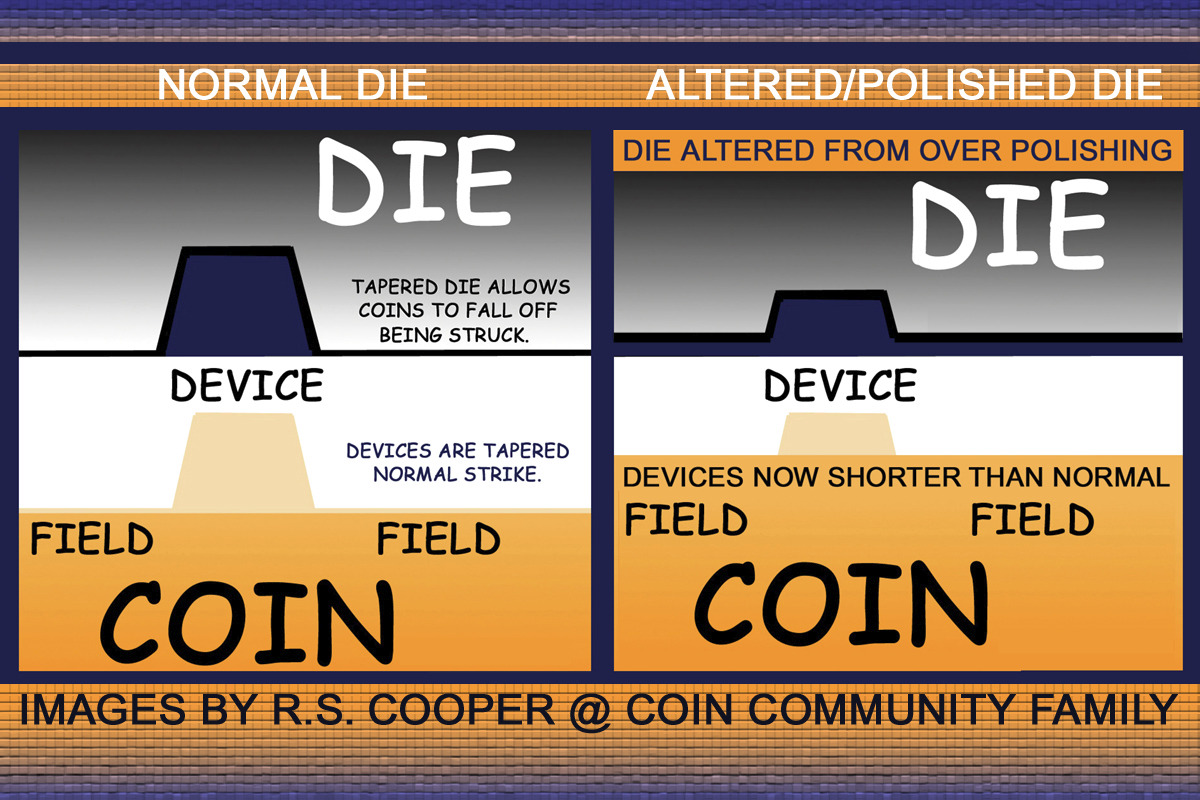 On the newer dies, when the frosting does fade, they can be laser etched again to produce that surface on the tops of the devices again. Quote:
Coop, can you explain to me, concerning the PCGS images you provided, how you were able to determine which ones were polished and which ones were not. On one pair, the polished one retains the original frosting. On the other pair, the polished example shows a lack of frosting. On the older dies, they only etched the devices once after die creation. As it wore off the die, the coins didn't have the cameo any longer. (Thus the higher prices for the cameo and Dcams of the past) Quote:
wouldn't polishing the dies between runs be more likely to widen the devices as well since they are tapered. If the surface is reduced, then the devices would become wider and the frosting effect would be removed in the process as well. It is not the coins that are polished, but the dies are polished. True if you took a proof coin and polished it, it would remove the definition on the coin: 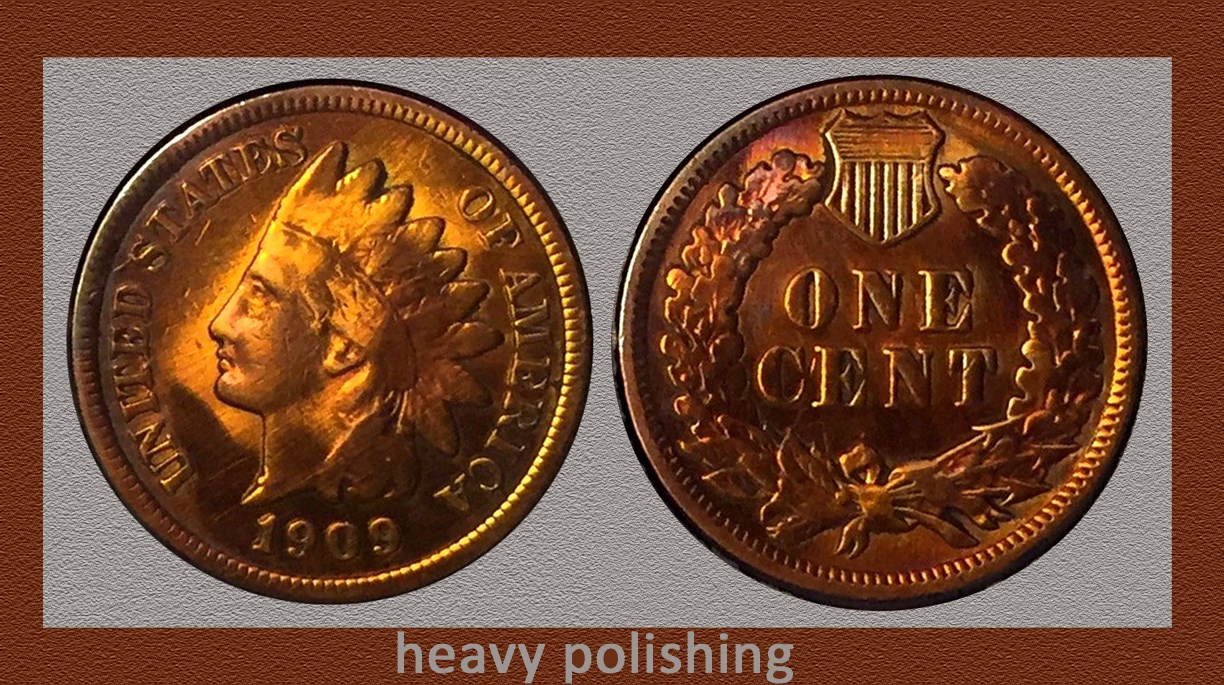 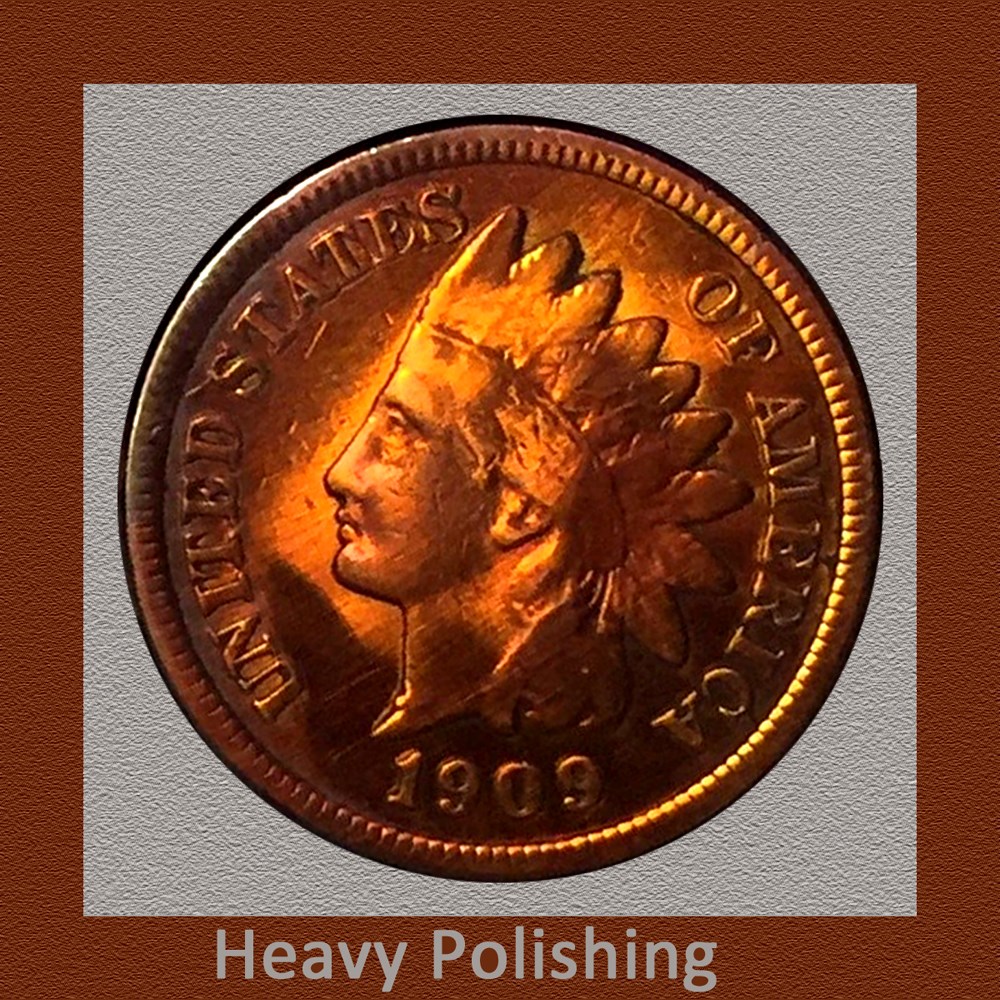 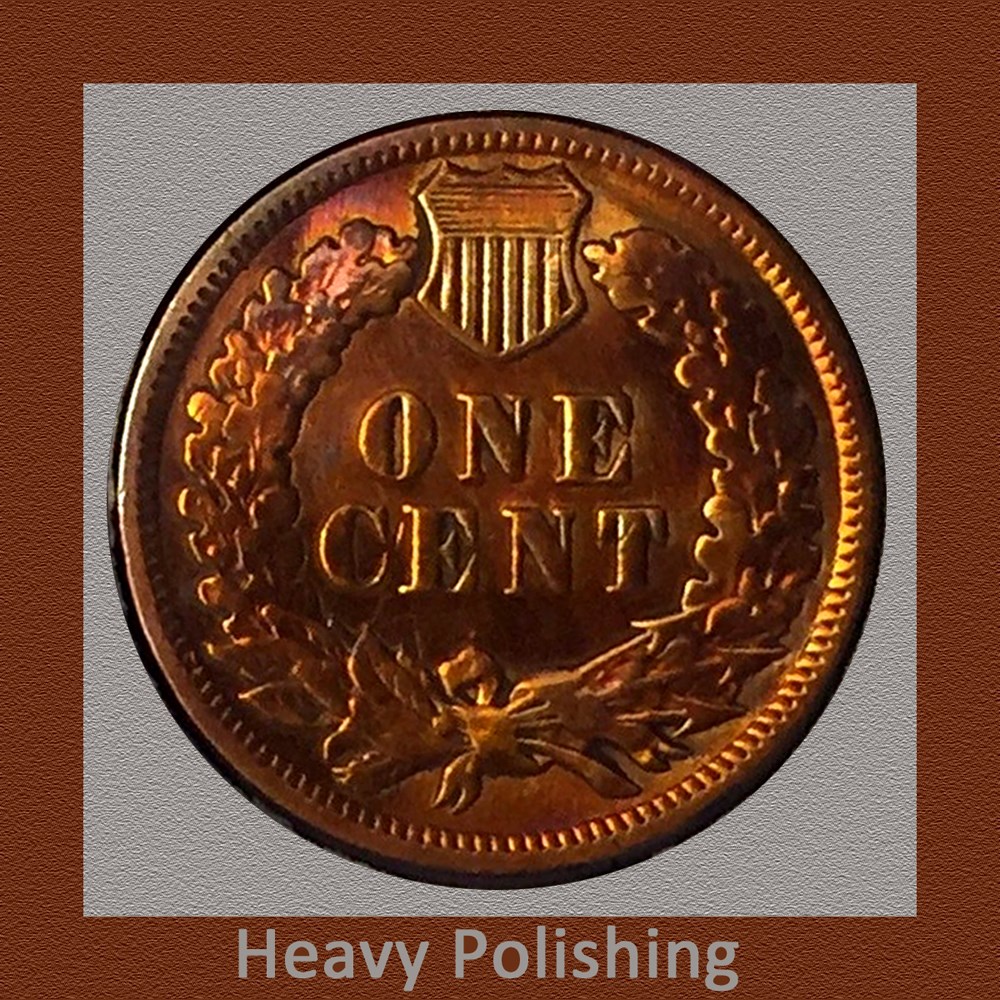 Note while the coin is shiny, the design goes away. When a die is polished the fields are affected reducing the height/width of the devices, even shorting them. Take a look again at the set of 2006-S,2007-S images. The full shaped devices are the fresher die examples. The thinner and distorted devices happened because of the polishing. Just the tops of the devices are still present, the height is reduced making them shorter. Once this is done on the die, there is not going back. The devices can be re-etched to put back the frosting, but the die was altered and all coins for the rest of that dies life will show that the die was altered. Quote:LDS DDD seems to be a more plausible answer at this point. Just conjecture. Proof coins only strike 3K coins. (6K strikes as each proof coin is struck at least twice. Some denominations are struck more with a higher relief) So there is no DDD issues on proof coins. They can be over polished and redone more than once, but because the strong strikes the die strikes are done when they reach there 6K limit. Quote:Also why do you continue to bring up cost/value/slabbing. I have addressed this issue a couple of times in previous replies stating I have no concern or desire to do so.[quote] Examples in the past had a premium if they were high grade coins. So when an example of the highest grade PR-70 and DCAM, only sells for $15, why spend $50 to have it put in a slab? A lot of people don't realize this. Somehow on the internet everyone fields a coin should be put in a holder. But if the coin is less value than the it will sell for, I know I wouldn't do it. If I buy a coin that is in a holder, I pay nothing extra for that coin than what I feel it is worth. The holder means nothing to me. But out there on the web, they go gaga over these coins because they don't know either the cost or have the knowledge of the coins. So I warn all to get the know the coin, before you buy it. Down the road when they go to sell their coins, they will realize then that they wasted their money on the child proof containers. [quote]That leaves DDD as the most plausible explanation. I am sure that my opinion will be refuted in favor of another. Each has their own opinion. Which has the facts? Edited by coop
09/27/2021 11:34 am
|
|
Pillar of the Community
United States
911 Posts |
Back again. Thanks for the reply Coop. I was anticipating it moments after posting realizing my backwards thinking on the polishing issue. I regretted my assumption forgetting that polishing the fields would reduce the width of the devices rather than widen them. I realized my error soon after pushing "post" The same applies to the DDD assumption. I says to myself "self" , proof dies are not used to the point of DDD. That is contradictory to a "proof". However, I have seen many low quality proof strikes. Mostly 5 cent. I am going to try some math here. If there were 875,050 S mint dimes struck in 2007, and each die had an average life of 6000 strikes, that would require about 145-150 working dies for that production. Am I close? Or way off, The only thing that intriguing me was how messy this proof appeared to me. It is no big thing. I did my best to illustrate, and provided images and references to convey that I have not observed anywhere I go, that resembles this example. I ask anyone in this discussion to link me to one just like this one. I have done my homework, now show me the one that looks the same as this. I only thought it might be of interest to all. For goodness sake, all I care about is the silver. That is where it will end up regardless. |
|
Page 2 of 2
|
Replies: 21 / Views: 2,051 |
Page 2 of 2
|






 First Page
 Posted 09/25/2021 3:00 pm


