













 Posted 08/02/2017 12:20 am


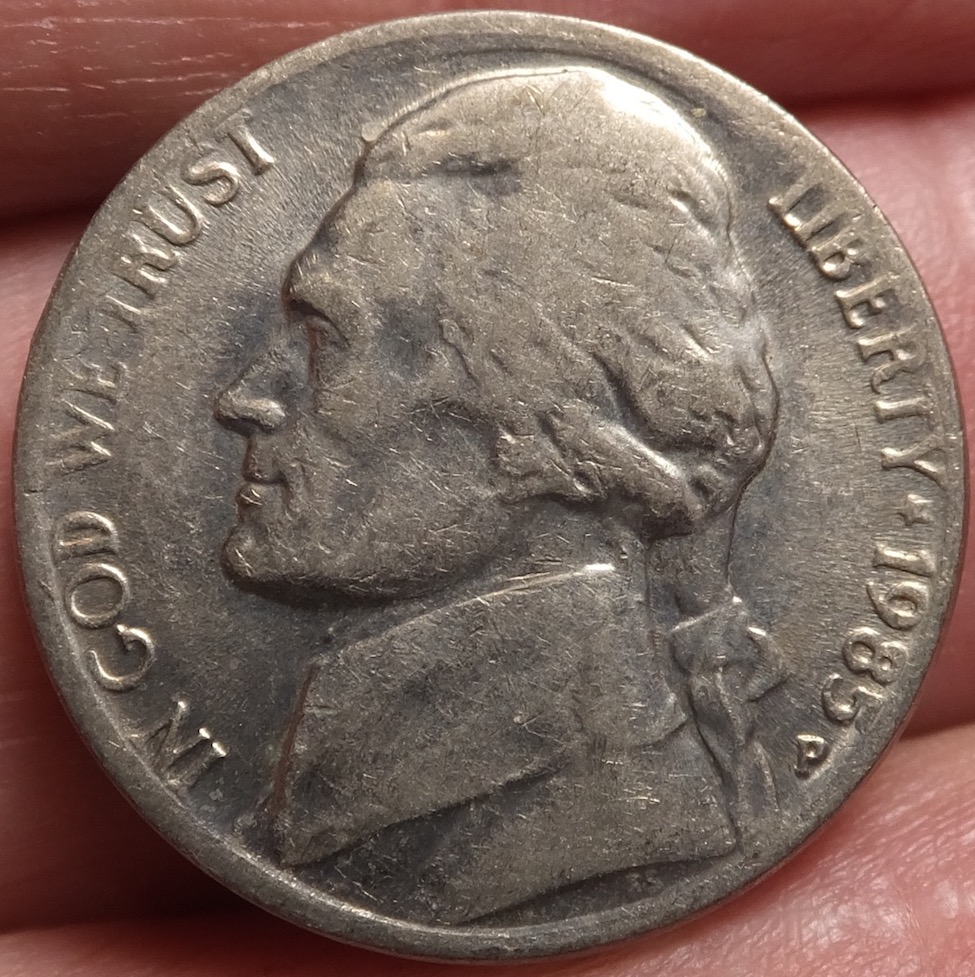
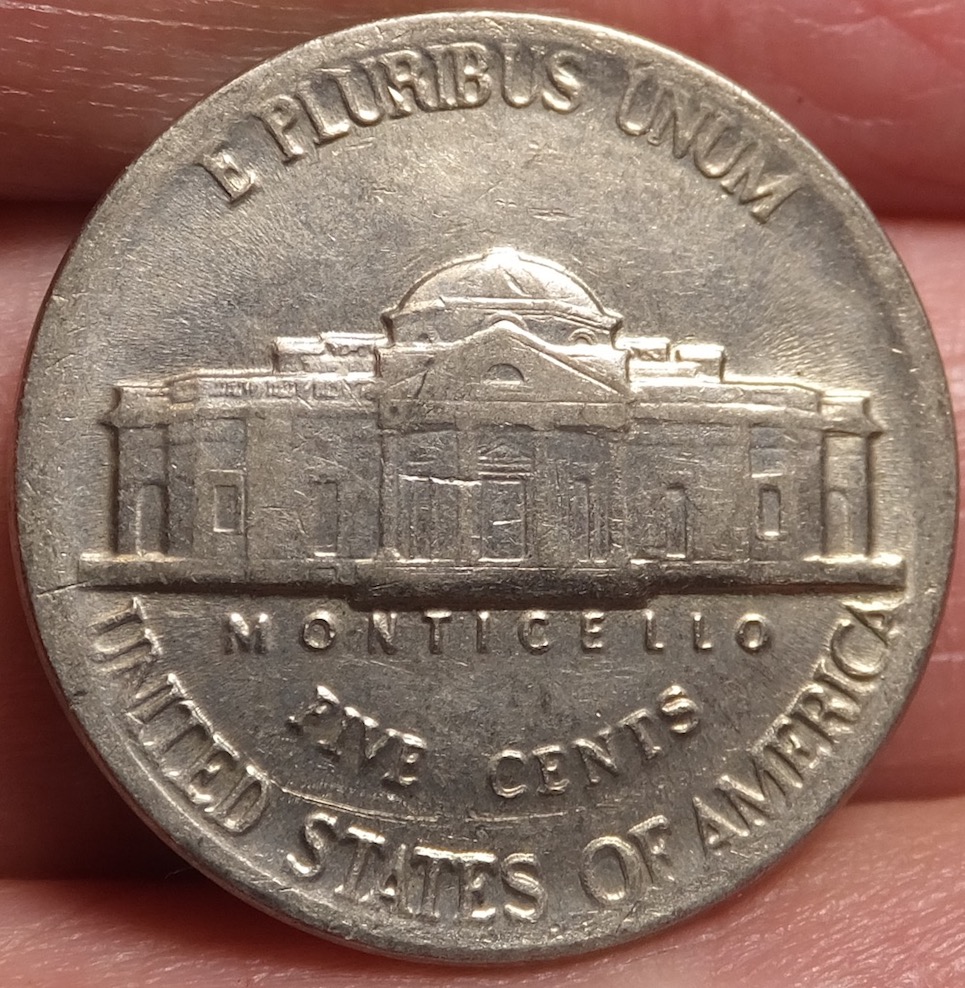
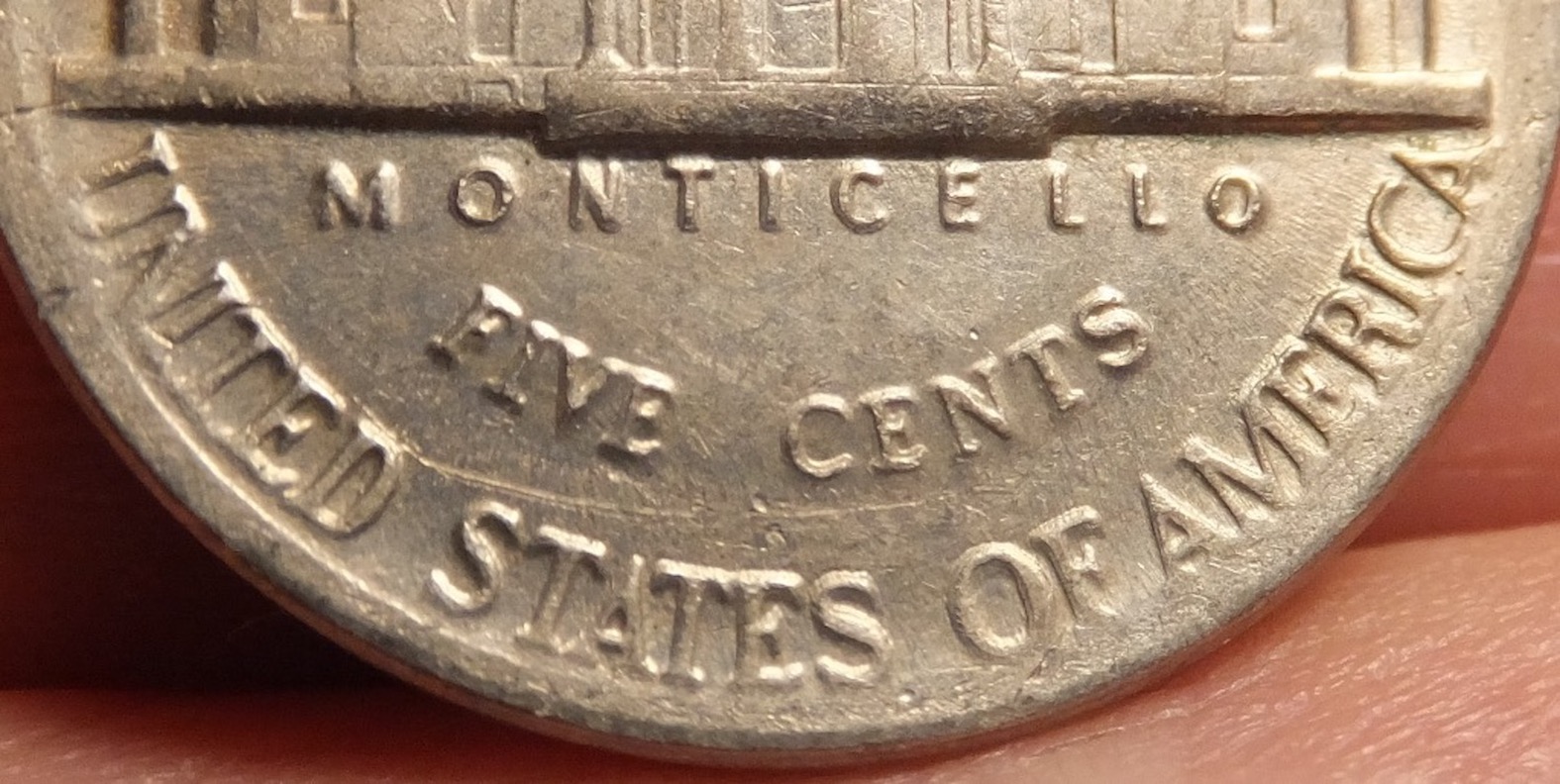
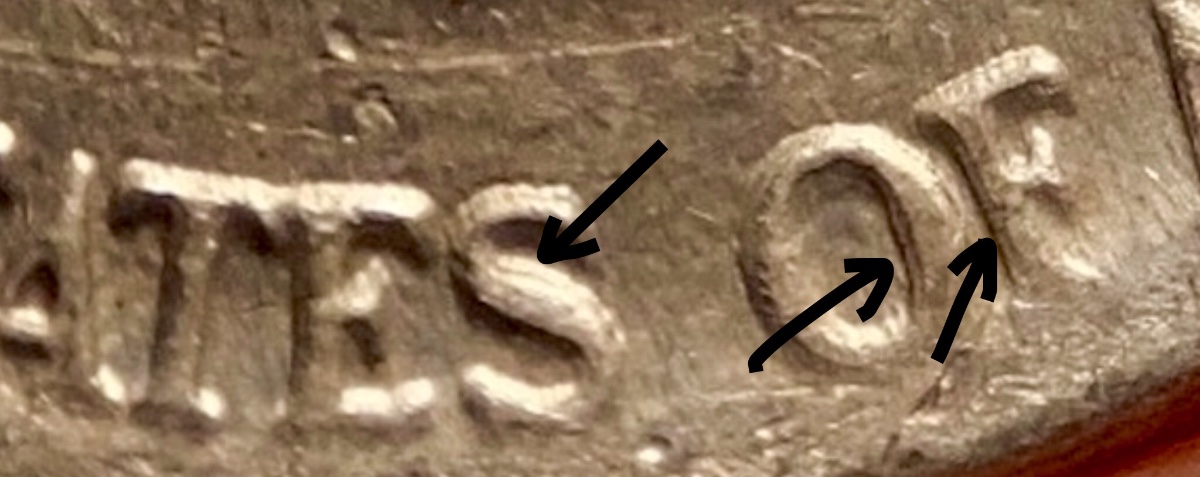
MD ( Machine Doubling), happens when the die is loose and moves a little extra at the strike. The extra movement alters the strike it originally made. Depending on the extra movement, it can leave part of the devices flattened. In so doing, without counting the flattening, the devices are smaller (reduced in size) or it can just barely touch them and just leave a "line". MD Follows alongside the devices and is the same color. When viewed from it's edge, it shiny. The shiny edge usually has striation lines from the movement. It's more easily seen with magnification.
Die Deterioration is from wear on the die. The more wear, the more extreme it's effects on the coin is. It usually shows toward the rim side of the devices. Light wear on the die leaves it close to the devices and more "formed". It's not flat and crisp like MD, it's less defined and mushy. The more wear on the die, the bigger and sloppier it appears on the coin. The devices themselves can become larger and less defined. It goes with the die flow toward the rim. You can usually see die flow as lines in the fields pointing to the rim, it's planchet metal moving to the path of least resistance (worn areas on the die), like the perimeter. Other ways to recognize a worn die besides or in the absence of the said lines are wavy perpendicular to the rim lines, and another can be an overall "orange peel" effect in the fields. It has a multi small bumps appearance.
The most sought after Doubled Die doesn't reduce the devices, it's not made from part of them as MD and DDD is, it's on the die next to them. When counted, it enlarges the devices. It's also higher in relief than the worthless doublings, it's almost as high as the devices, and is crisp.
The fourth factor you have to consider is wear on the coin. Letters on the die are wider the deeper they are in the die. On the coin the tops are smaller. As the coin wears, the letters become larger.
I hope this helps Joe.
Die Deterioration is from wear on the die. The more wear, the more extreme it's effects on the coin is. It usually shows toward the rim side of the devices. Light wear on the die leaves it close to the devices and more "formed". It's not flat and crisp like MD, it's less defined and mushy. The more wear on the die, the bigger and sloppier it appears on the coin. The devices themselves can become larger and less defined. It goes with the die flow toward the rim. You can usually see die flow as lines in the fields pointing to the rim, it's planchet metal moving to the path of least resistance (worn areas on the die), like the perimeter. Other ways to recognize a worn die besides or in the absence of the said lines are wavy perpendicular to the rim lines, and another can be an overall "orange peel" effect in the fields. It has a multi small bumps appearance.
The most sought after Doubled Die doesn't reduce the devices, it's not made from part of them as MD and DDD is, it's on the die next to them. When counted, it enlarges the devices. It's also higher in relief than the worthless doublings, it's almost as high as the devices, and is crisp.
The fourth factor you have to consider is wear on the coin. Letters on the die are wider the deeper they are in the die. On the coin the tops are smaller. As the coin wears, the letters become larger.
I hope this helps Joe.
Edited by CoinMasters
08/02/2017 12:32 am
08/02/2017 12:32 am


