| Author |
 Replies: 51 / Views: 6,255 Replies: 51 / Views: 6,255 |
|
|
|
Valued Member
United States
85 Posts |
Swamperbob, no apology necessary sir and I hope that everything is now better with your wife. I have heard the stories of those hoards you spoke of. I wonder if the town I mentioned is where that factory may be. The seller did say he metal detected it but didnt specify if others were found. Either way, thank you ad always. Have a great weekend!
|
|
Pillar of the Community
 United States
5362 Posts |
Albert The Cabaletto Peso I picked up is a silver plate over a brassy core that was nearly completely stripped of the plating. It looks like a typical issue of the period. (The same techniques were used on most 8R CCC's from the 1890s and on the Peso CCC's produced after 1898). I have never photographed that coin because it is the only one of that type I own. At this point it would likely take me many hours just to locate it.
Regarding the 1895 8R - the edge could have been applied with two punches applied individually in an alternating pattern by hand. A die application using a pair of flat bar dies would show clear overlaps of the pattern in this case because spacings are random. If you see on overlaps at all it could just be applied by hand after the coin was struck.
MaximillianMike The location of the town you cite is too far south and while that city is located along the El Camino Real I could find no indication of silver mining or refining in the area. The men who found the large hoard have kept the location secret but a reliable source familiar with the group indicated a mountainous desert area away from major populated areas near the ruins of a mine and refinery located on a large parcel owned by the government. The source indicated it was in an area that is patrolled. Access was by pack animal to avoid detection. Based on travel times he mentioned I believe it is in the Sierra Madre range someplace above Durango but below Chihuahua.
|
|
Valued Member
United States
85 Posts |
Swamperbob. Totally unrelated to this post but I saw in one of your responses on another forum that you served on Submarines. From one submariner to another thank you for your service.
|
|
New Member
United States
28 Posts |
jgenn, I won the auction of the GNL# 1786-O:A/R:MoFM-001. I would post pictures as you requested, but my camera seems to have stopped working. I will post them as soon as I replace the camera, likely a week or so. I will note that it is a lot thinner than most counterfeit 8 reales, approximately 2.1mm at the thickest spot.
|
|
Pillar of the Community
United States
1156 Posts |
Quote:
I will note that it is a lot thinner than most counterfeit 8 reales, approximately 2.1mm at the thickest spot. Ok, sounds like you have removed it from its holder -- the cellophane had too much reflection in the seller's photos. I look forward to seeing your pictures when you can show them. |
|
New Member
United States
28 Posts |
Hey Swamperbob, I don't know about everyone else, but I'm ready for another installment when you get the chance.
|
|
Valued Member
United States
85 Posts |
Greetings all and Happy Easter. This coin is currently listed on ebay and looks somewhat off to me. The sharp details in the cap are what I noticed first. What do yall think, real, ccc, modern fake? 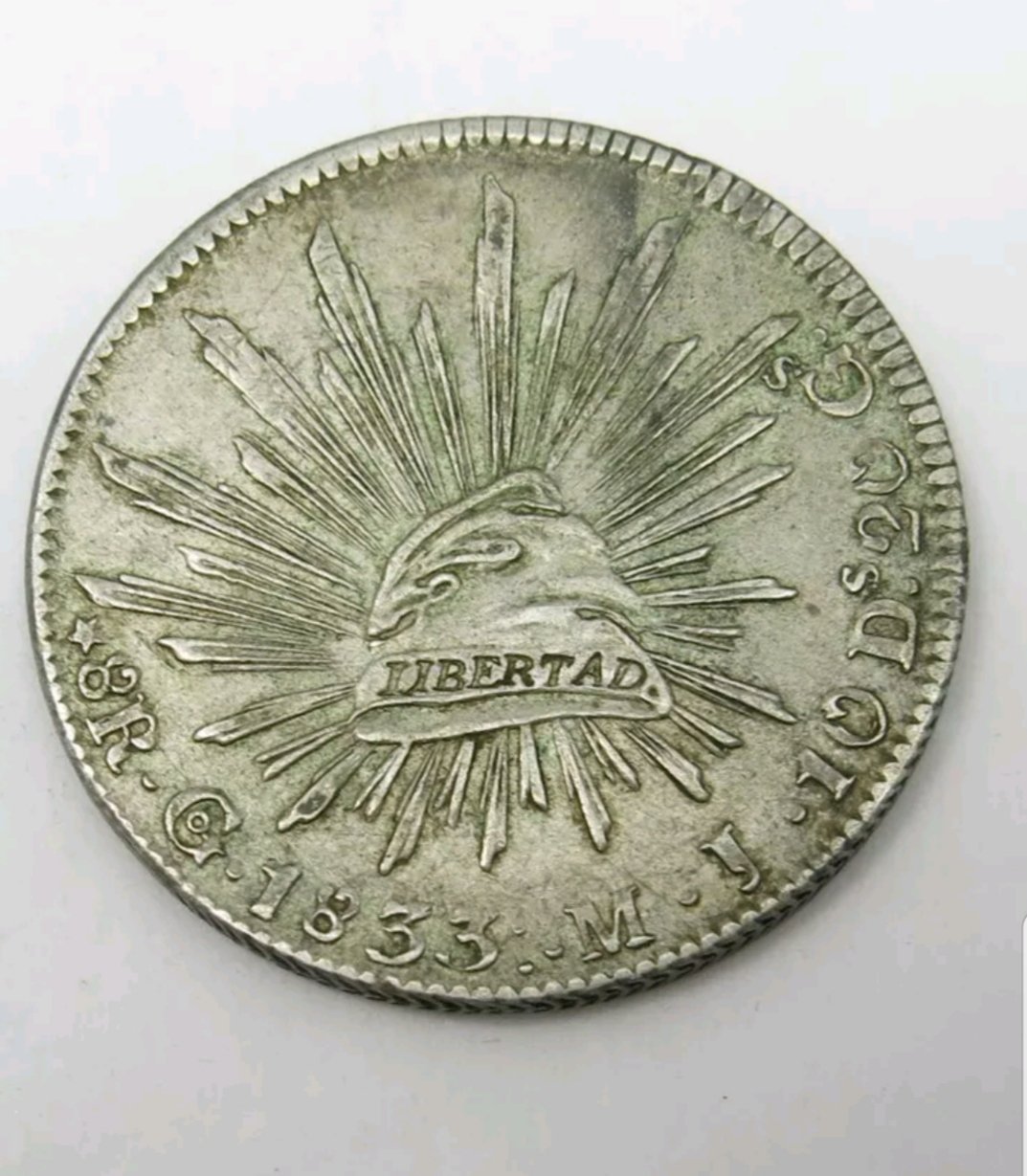 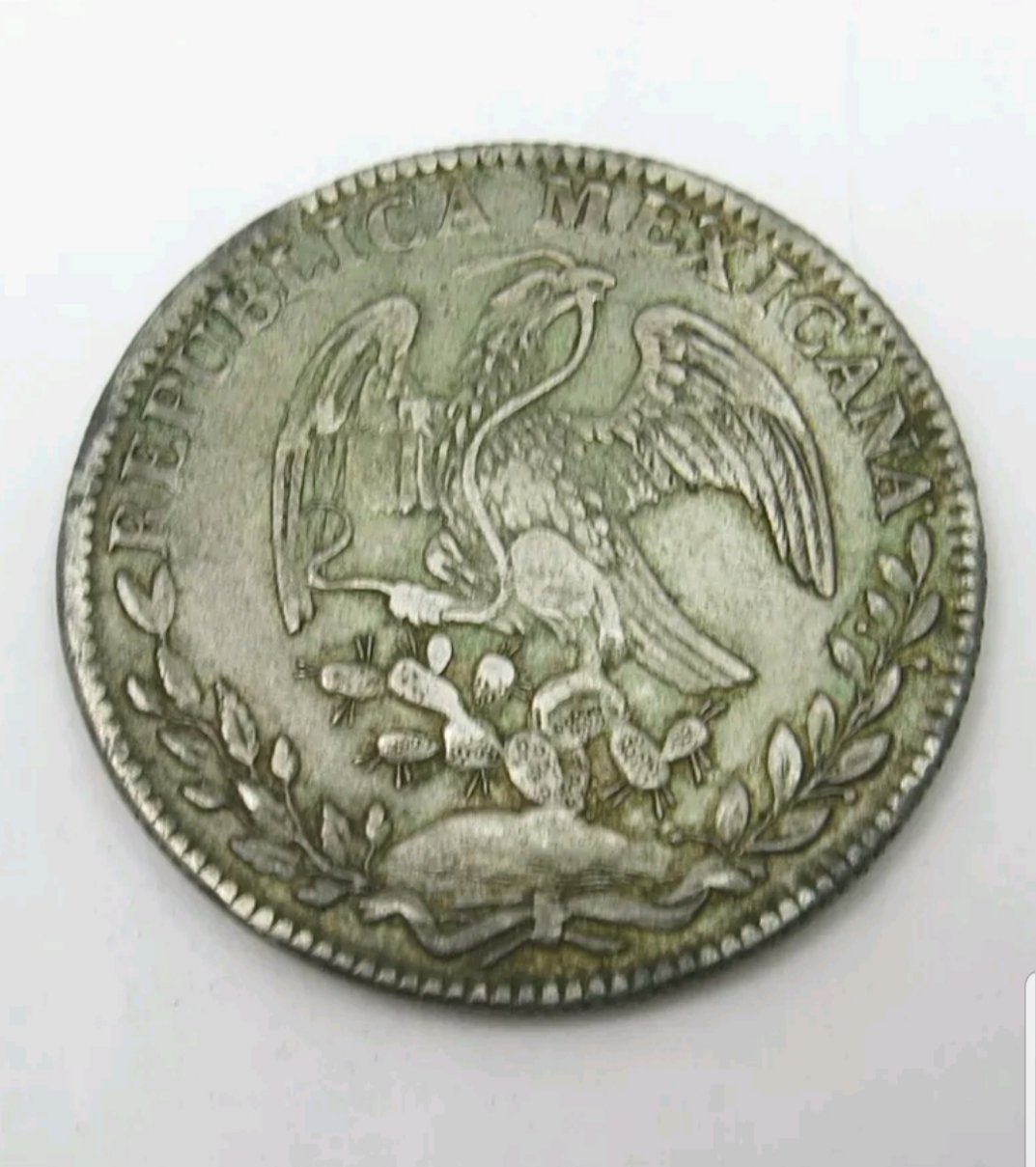 |
|
Pillar of the Community
United States
5362 Posts |
MaximillianMike The 1833 Go MJ was struck from hubbed dies - the coin pictured here matches the hub although just slightly weakly set into the die face. This is typical of the issue. I own several coins struck from dies that were so weakly hubbed that remedial work was required to strengthen weak or missing elements. This die was clearly set better.
There is a well know problem with these hubbed coins from the Guanajuato mint in the mid 1830s. Riddell points it out in his book but in very few details. Some of the dies, die tools and even hubs were sold as scrap metal to junk dealers after they were worn out. These were used to create debased coins that circulated well - the only way to detect such fraudulent coins is to perform an XRF or even better an accurate SG measurement. The coin assayed by Riddell tested 466 fine silver so the SG was about 9.6.
I would suggest that test and if it comes out 10.3 it is genuine and if 9.6 it is a VERY RARE Contemporary Counterfeit.
|
|
Valued Member
United States
85 Posts |
Thank you Swamperbob,
Either way it sounds like a win to me. Happy Easter!
|
|
Valued Member
United States
425 Posts |
Swamperbob, to answer your original question, "I am wondering if there is enough interest on the forum for a thread that would post the item numbers of active ebay auctions involving Counterfeit/Forgery types" YES! I would very much like to see auctions with the number. As you may remember I collect copy/counterfeit Spanish 8 Reales and would check in with this forum much more often if there was such a thread. Thank you Sir for all your help. P.s. Got anymore copies for sale? |
|
Pillar of the Community
United States
5362 Posts |
odentheviking Since I first wrote this post I have identified 96 different Counterfeit, Forged or Improperly described Mexican 8R coins posted on ebay. These break down into 57 Cap and ray types and 39 Portrait types. I did not count some duplication of common counterfeit types (which I probably should have). Of the Cap and Ray types 34 were CCC types and 22 were Numismatic forgeries one coin called a counterfeit was not. The portraits broke down to 19 CCC and 20 NF. All but one of the incorrectly described Portraits were forgeries described as contemporary counterfeits. This seems to be a new trend since Portrait counterfeits are starting to be recognized as valuable. To have posted every auction would have been too time consuming for me at present (my wife is very ill and I am caring for two of our grand children). I also discovered that over half of the examples that I identified were very common types that appeared more than once (not the same coin but different ones) in the study interval. I also discovered that there were 5 Cap and Ray coins that I was interested in bidding on because they were Riddell examples I have never previously seen. I can not recall that happening any time in the past 5 years or so. That last category is the most problematic for me since I would prefer not to identify that kind of example to prospective competitors and because most were not identified as fakes of any type. I was also surprised that so few of the coins I saw were posted by other members. Were nearly all of the bad coins missed or was it just that no one had questions? I have decided that it would be better for me if I posted mostly completed auctions. I would however reply to any posts by members whether the auction is active or not.
|
|
New Member
United States
28 Posts |
Here is one currently on ebay with a low opening bid of $346.38. No takers so far. I have its identical twin, which I acquired in a lot of 30 contemporary counterfeits purchased at auction. Its clearly a numismatic forgery. Luckily there was only one other forgery in the lot. 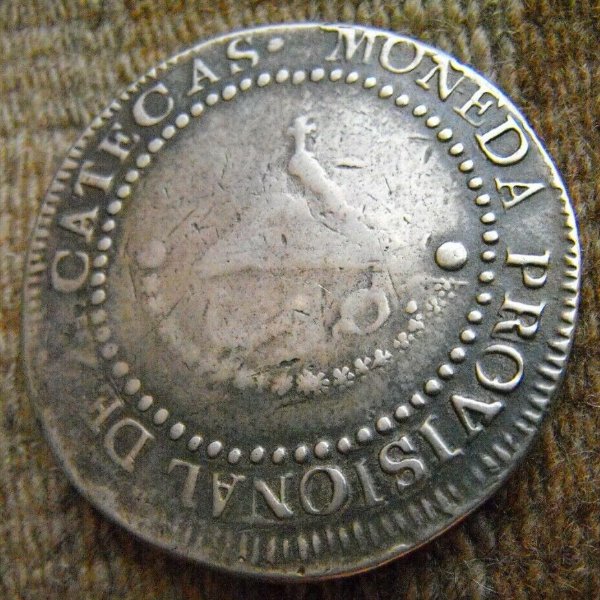 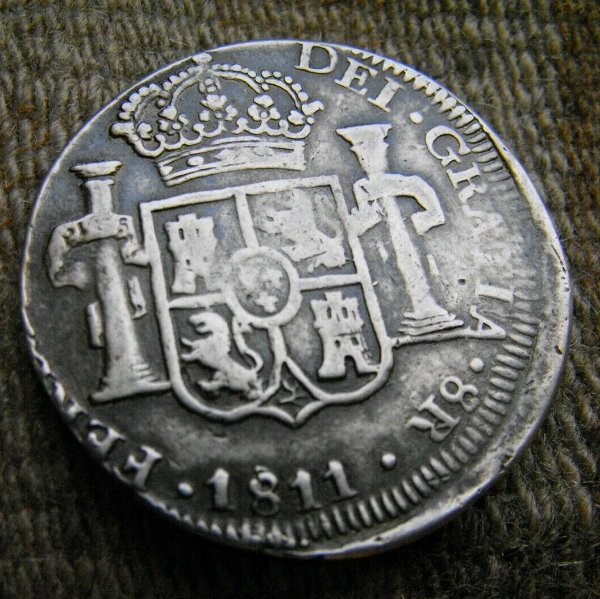 |
|
Valued Member
United States
425 Posts |
Swamperbob, WOW! I had no idea there could be so many up for auction in such a short time. The last thing I want to do is to bid against someone here on the forum, or anyone that wants or needs a coin for their collection. I only have an interest in the Counterfeits of the 1733&1734 8R Klippe's, and 8R Pillar Dollars.
But thank you for starting this thread and your willingness to pipe in on any coins we find.
|
|
New Member
United States
28 Posts |
Here is another ebay auction that caught my eye. Bid is up to $530, which is a very good price if authentic. It looks cast to me. 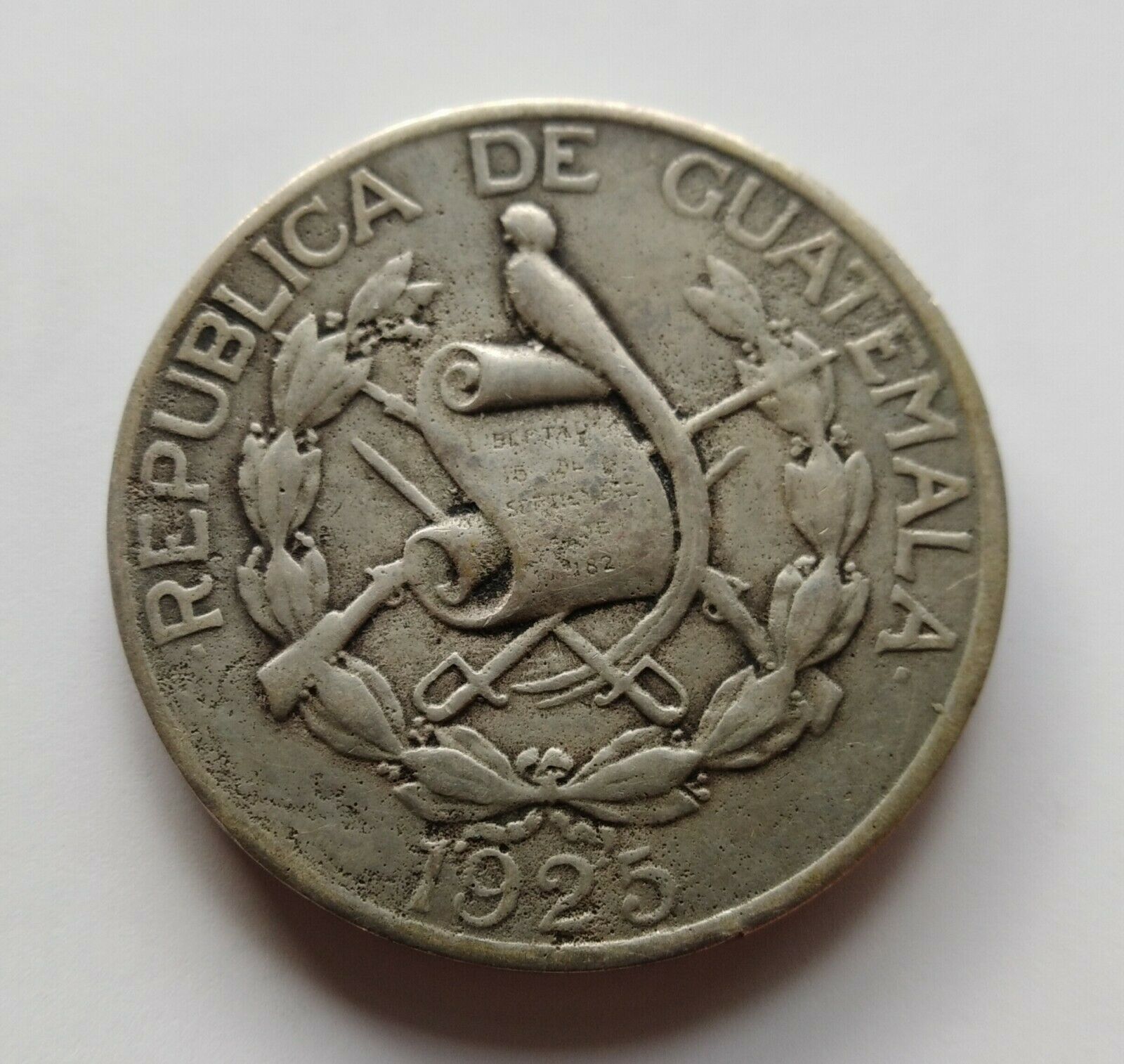 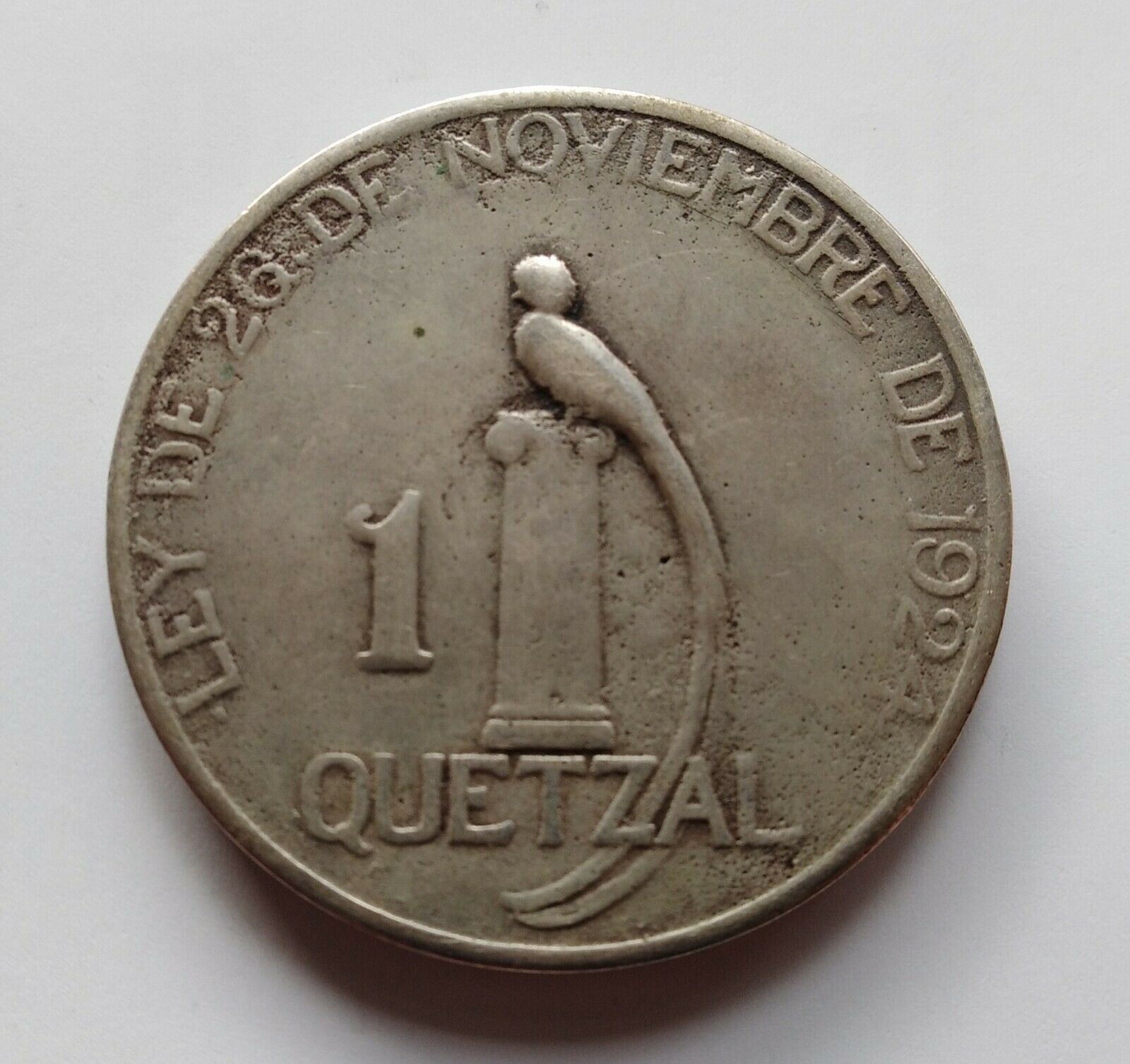 |
|
Pillar of the Community
United States
5362 Posts |
ChipDehart I agree that the coin is a cast copy. Looks like a fairly early (or novice made) plaster mold. Possibly used as an injection mold but that is difficult to prove. The mold surface even has a clear repair to the left of the date. So the mold could be re-used. I wonder who looking at this coin could ever believe it was genuine? no mint in 1925 would make a crown sized coin this poorly because it would invite forgery. Even if it was actually made in 1925 and is therefore technically a "circulating" counterfeit - fewer than 3,000 examples of this coin survived. I would question if this was ever a circulating coin so how could there be CCC copies? I would refer to this as a numismatic forgery because it copied a rare issue that was produced for only one year and must have had immediate numismatic interest.
|
| |
Replies: 51 / Views: 6,255 |






 First Page
 Previous Page


 Posted 04/12/2019 01:09 am


