| Author |
 Replies: 53 / Views: 3,332 Replies: 53 / Views: 3,332 |
|
|
|
Pillar of the Community
 United States
8067 Posts |
What I think is irrelevant.
The forum is structured to allow discussion of coins up to 1600 on this subforum.
So, probably there was a logic behind that which the moderators could explain.
I'm not formally trained in art history (or any other kind of history for that matter), but from what I've read can understand that those who are might take issue with the date.
Edited by tdziemia
12/26/2025 09:13 am
|
|
Pillar of the Community
Russian Federation
5186 Posts |
Quote:
I am sure most don't care...but these coins are modern, not medieval. Indeed, but, as correctly noted, this subforum covers coins all the way to 1600 AD, which includes these neat Riga pieces [but not the later Swedish occupation issues]. (I don't recall why this specific boundary; it was chosen several years ago, and I think at the time it was unexpectedly late too. Originally this forum was for ancient coins only and medievals usually ended up in World Coins when they were posted at all.) |
|
Pillar of the Community
United States
8067 Posts |
Since Cambridge's "Medieval European Coinage" project is purporting to "Write the Book(s)" on medieval coinage ... - MEC Volume 14 uses these end dates for "medieval" for the major players (i.e. most prolific coiners) of North Italy: Genoa 1528 Mantua 1519 Milan 1512 Venice 1521 - MEC 12 ends at 1503 for Southern Italy. - MEC 9 (British Isles) though not yet written, is planned to end at 1509 It's not clear to me whether Livonia will be covered in Vol. 3, North-Eastern Germany (I know ... Livonia is not in Germany, but the Teutonic Order, from which it branched off might get covered there), or Vol. 10 ("The Nordic Countries"), or Vol. 15 on Central and Eastern Europe (which presumably will cover Austria, Bohemia, Poland, Silesia, etc.). Regardless, we can see a pattern from experts in the field that supports Victor's comment though the Riga coins are at least in the same century as where others put the end of "medieval." Anyhow, given how that project is going, I wouldn't hold my breath  Edited by tdziemia
12/26/2025 4:57 pm
|
|
Pillar of the Community
United Kingdom
2145 Posts |
Quote:
I am sure most don't care...but these coins are modern, not medieval. I studied early medieval European history at the University of Aberdeen. The course covered the period 476 ("the fall of Rome) to 1200 and we learned that those dates were arbitrary. Medieval comes from the Latin for middle ages, and while many historians would regard that as between 476 and the Renaissance, there's no reason why you couldn't choose 2 different periods. For example, we could define the start as Charlemagne's reform of 794 defining the standard denier and the end as the introduction of milled coinage (which will be at different dates in different countries. |
|
Moderator
 United States
197031 Posts |
I am not sure why 1600 was chosen for the cutoff. It probably involved input from some members who are long gone, but it is what it is.
|
|
Moderator
 United States
108929 Posts |
I just got 2 more in the mail and waiting on 3 more - when they arrive I'll post all 5..  |
|
Pillar of the Community
United States
994 Posts |
Quote:
For example, we could define the start as Charlemagne's reform of 794 defining the standard denier and the end as the introduction of milled coinage (which will be at different dates in different countries. So, your definition of the Medieval period only works with coins; which completely ignores what actually defines the Medieval period-- "those who work, those who fight and those who pray." --peasants, soldiers and priests. As far as different dates in different countries the Medieval period is a history of a specific area and is not based on what type of coinage was used. i also studied Medieval history in school with my masters focus on the Medieval period and wrote my thesis on Constantinian coinage. |
|
Pillar of the Community
United Kingdom
2145 Posts |
Quote:
your definition of the Medieval period only works with coins Yes, it does, since we were only talking about the coins in this coin forum. You or I could probably define different medieval periods for jettons, medallions, currency notes, money supply, weapons, rents, earnings, diplomacy, etc. The point I was trying to make is that the commonly accepted dates are generalisations, and that they are subjective; so worrying about a start date or an end date isn't particularly productive. |
|
Pillar of the Community
United States
8067 Posts |
Presumably the logic for using c.450 - c.1500 is laid out in Volume 1 of the Medieval European Coinage series (which is not in my numismatic library ... yet).
Not being "schooled" in history, I found those defining characteristics around "those who work/fight/pray" interesting, though it makes me wonder how coinage, and specifically its design and use fits in that framework. I can even imagine that money and how it was used in the (medieval) economy could have one set of considerations/boundaries/dates, whereas its design and manufacture could have a different set?
Edited by tdziemia
12/31/2025 12:26 pm
|
|
Moderator
United States
197031 Posts |
Quote:just got 2 more in the mail and waiting on 3 more - when they arrive I'll post all 5..  |
|
Moderator
United States
108929 Posts |
ok final 5 are here (finally) 1576 Riga Free City - Type 4 - 1 Shilling 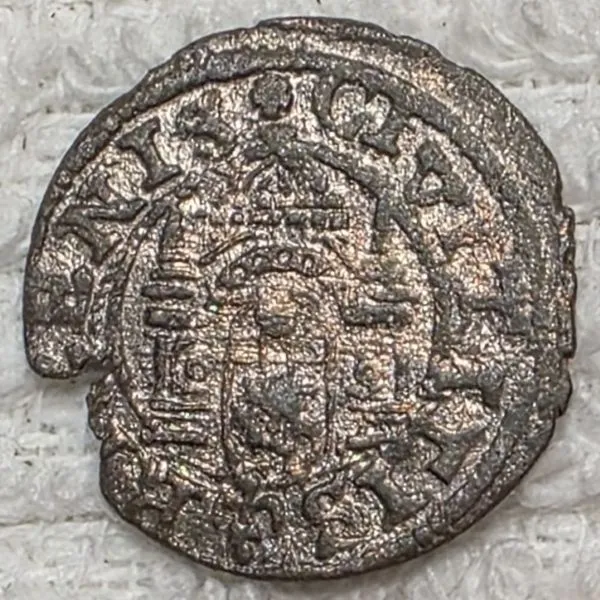 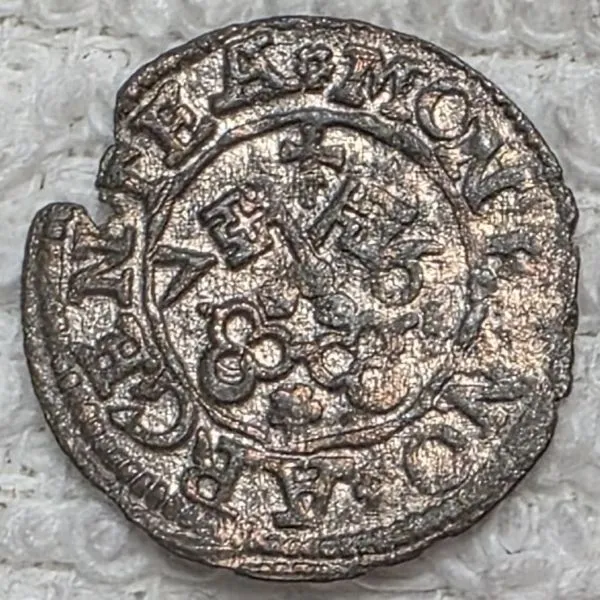 |
|
Moderator
United States
108929 Posts |
1577 Riga Free City - Type 4 - 1 Shilling Medal Alignment 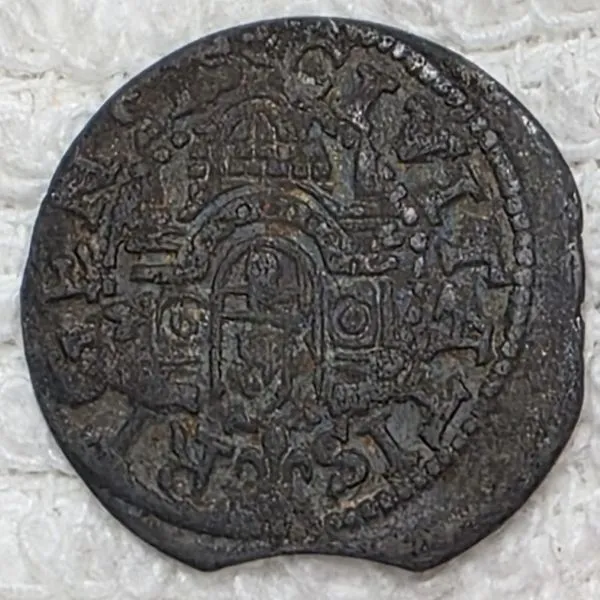 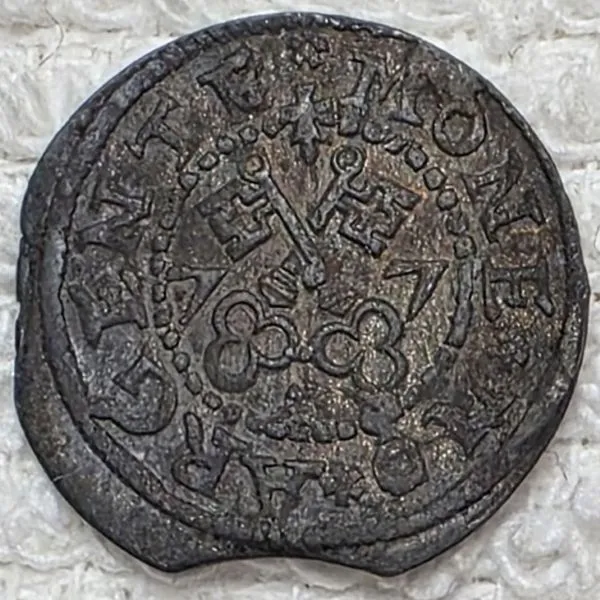 |
|
Moderator
United States
108929 Posts |
1577 Riga Free City - Type 4 - 1 Shilling Inverted 77 Coin Alignment 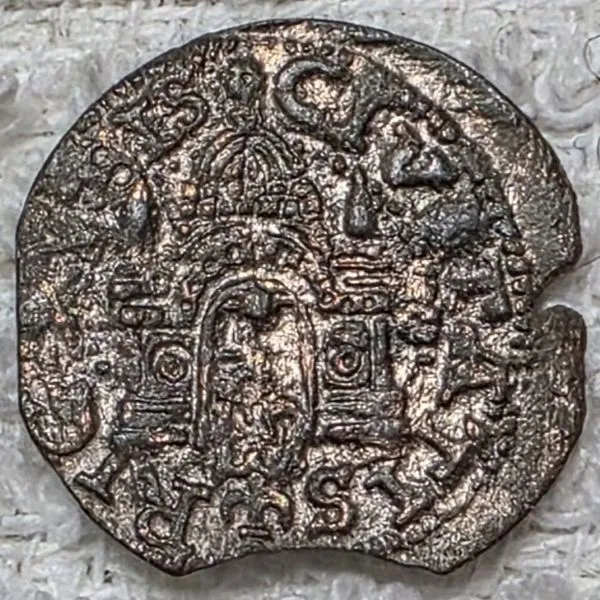 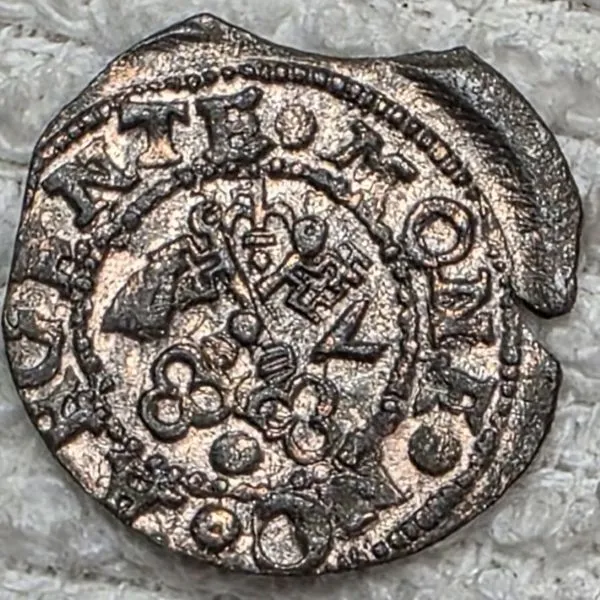 |
|
Moderator
United States
108929 Posts |
1578 Riga Free City - Type 4 - 1 Shilling Inverted 78 Medal Alignment 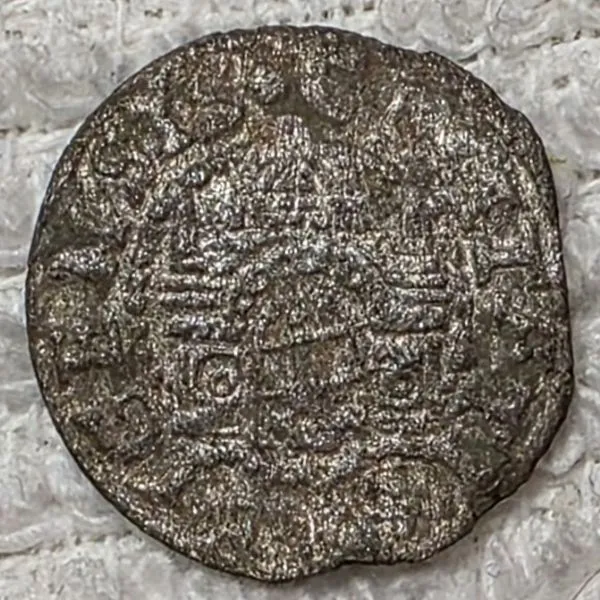 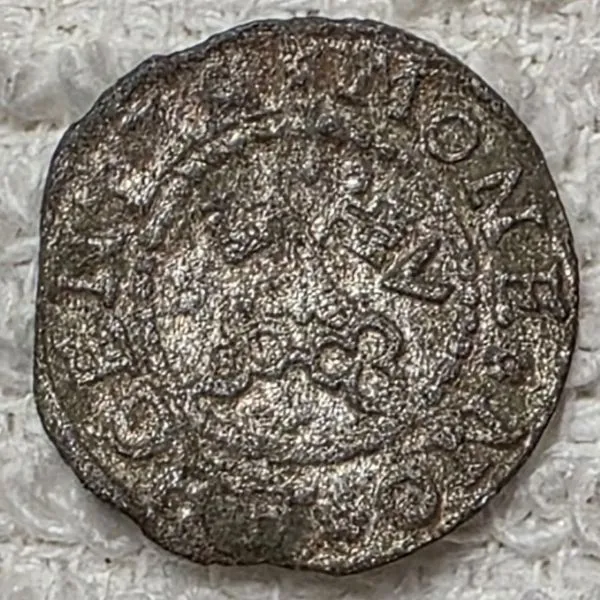 |
|
Moderator
United States
108929 Posts |
1579 Riga Free City - Type 4 - 1 Shilling Medal Alignment 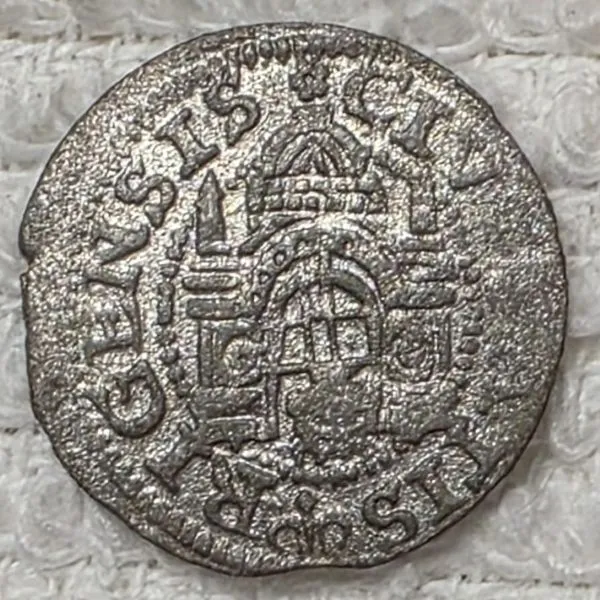 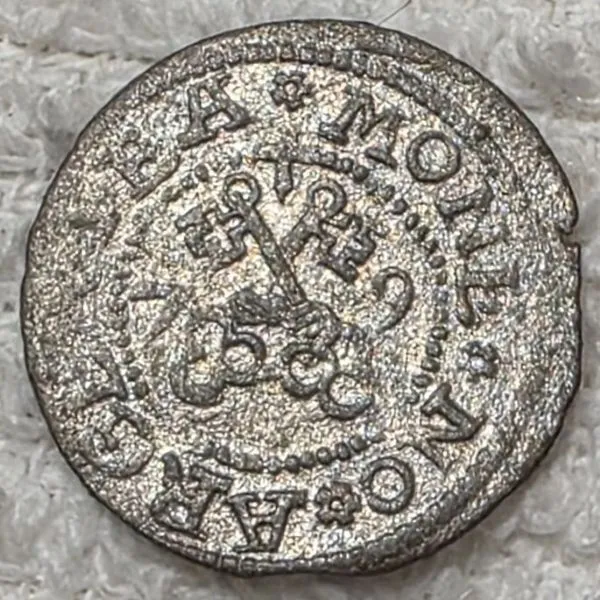 |
| |
Replies: 53 / Views: 3,332 |





 First Page
 Previous Page


 Posted 12/26/2025 09:57 am


