







 Replies: 2 / Views: 61






 Posted Today 1H 5M ago


That' a beauty!
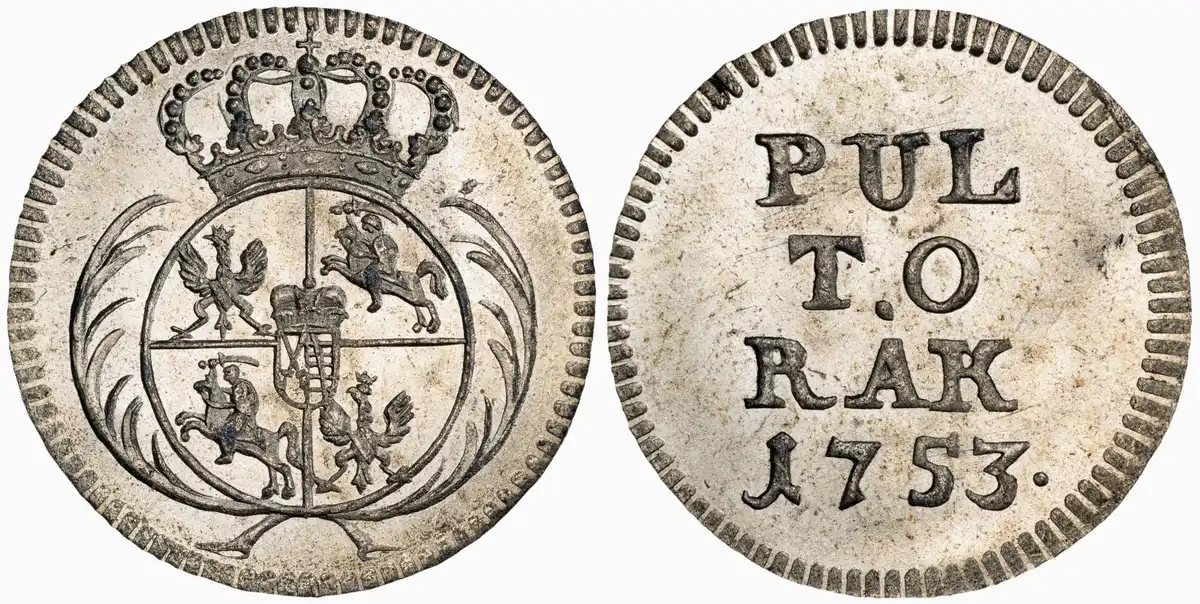
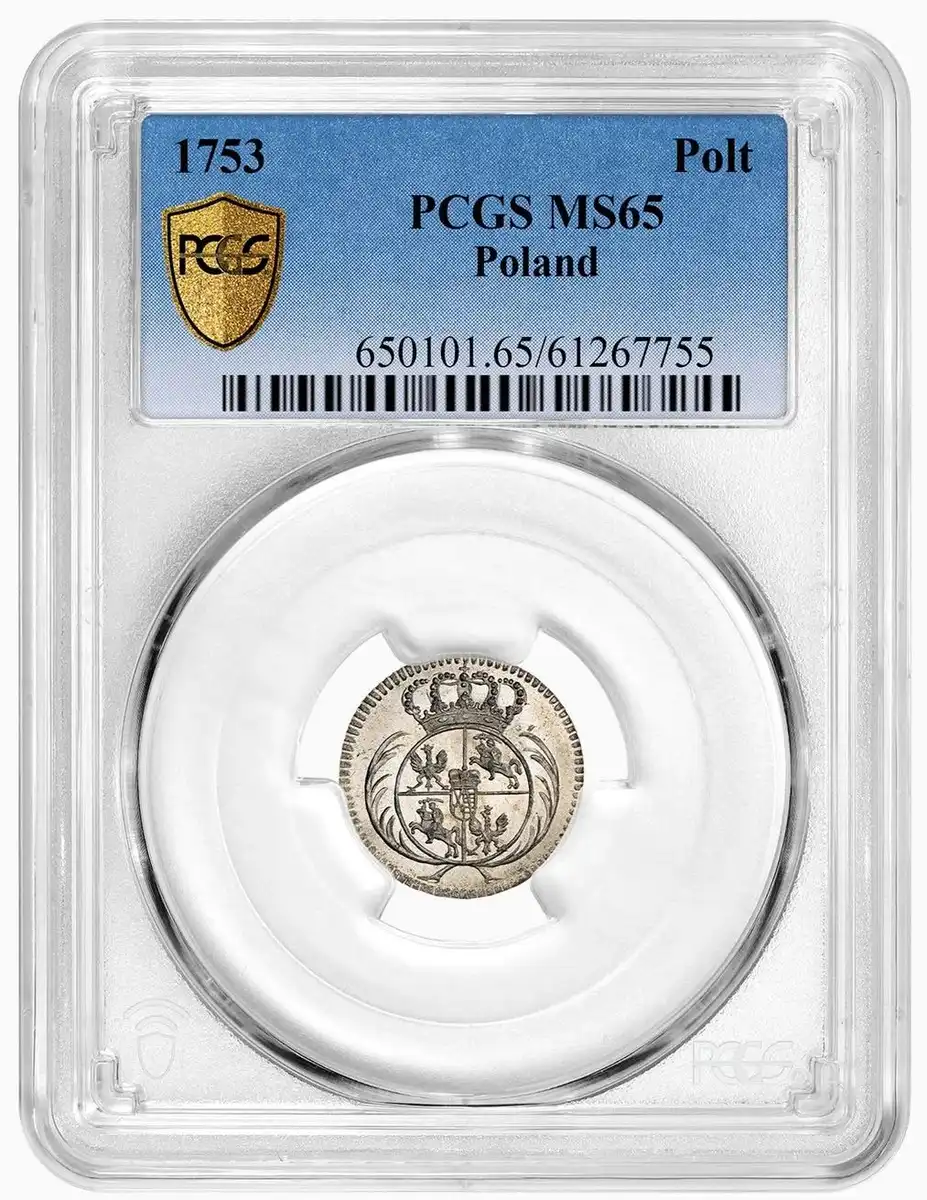
This type must have an interesting history.
At this point in time, Poland was ruled by kings from the Saxon House of Wettin. They had closed the historic Polish royal mints (Krakow and Bysgoszcz) 50 years earlier, and struck the silver coins for Poland at Leipzig and Dresden.
As best I can tell, all the examples I've seen at auction come from a single die pair, suggesting a short lived issue. Which is a bit surprising for a low value denomination that was probably needed for small transactions. Also, the majority that have come to auction in the last 15 years are in high grade. So, maybe the coin was either unpopuar and withdrawn or was hoarded for some reason?
The poltorak that followed it, on the other hand, is almost always seen well circulated.
This type must have an interesting history.
At this point in time, Poland was ruled by kings from the Saxon House of Wettin. They had closed the historic Polish royal mints (Krakow and Bysgoszcz) 50 years earlier, and struck the silver coins for Poland at Leipzig and Dresden.
As best I can tell, all the examples I've seen at auction come from a single die pair, suggesting a short lived issue. Which is a bit surprising for a low value denomination that was probably needed for small transactions. Also, the majority that have come to auction in the last 15 years are in high grade. So, maybe the coin was either unpopuar and withdrawn or was hoarded for some reason?
The poltorak that followed it, on the other hand, is almost always seen well circulated.


