| Author |
 Replies: 416 / Views: 99,912 Replies: 416 / Views: 99,912 |
|
|
|
Pillar of the Community
Hong Kong
1270 Posts |
Quote:
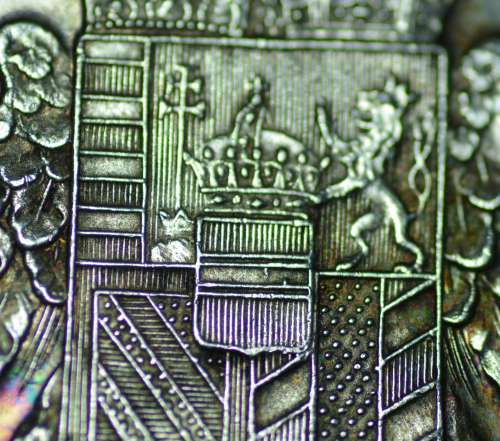
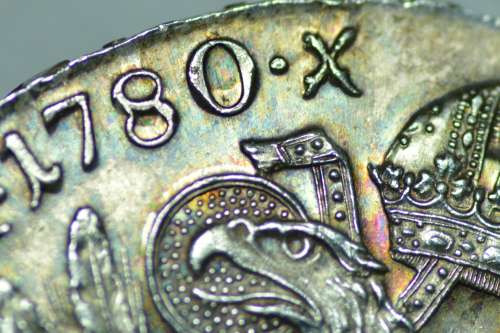
once something has been published it becomes "fact" and is very rarely questioned Agreed but that shouldn't be. So we need more experts to raise out what the problems are and we unite in a forum to support or reject those facts and "facts". I need to be open-minded when seeing the pictures from the Lexicon now, there might be many varieties present during the long perid of mintage of the same coin. |
|
Pillar of the Community
2087 Posts |
Quote:
there might be many varieties present during the long perid of mintage of the same coin. Thats for sure. I wrote an article for this years New Zealand Numismatic Journal on a "IHRERESIA" varient found by a NZ collector. It was a new version of that error on a Paris mint coin. |
|
Pillar of the Community
 United States
3499 Posts |
austrokiwi- Very nice coin! Glad that you were able to spot the rare variety.
|
|
Pillar of the Community
Hong Kong
1270 Posts |
|
|
Pillar of the Community
United States
3499 Posts |
wonghinghi- very nice MTT! But it is hard to tell in the photo whether it has the two dots on the inner shield of the reverse. Does it have these?
|
|
Pillar of the Community
Hong Kong
1270 Posts |
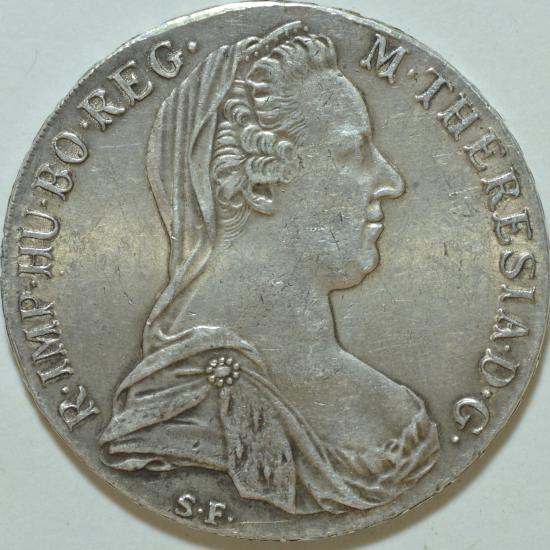
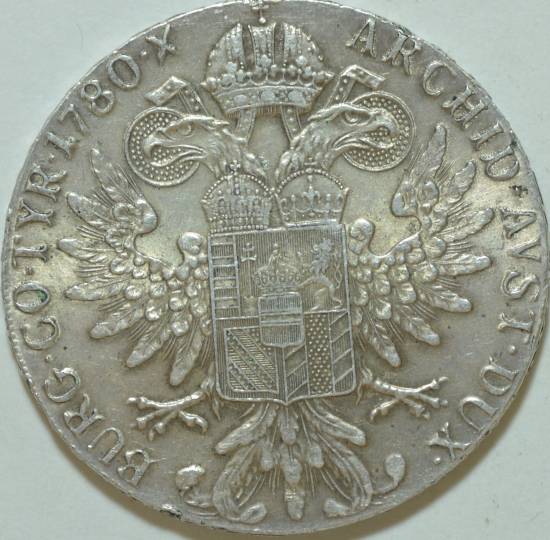
Archraz, I am not talking about the two dots on the inner Austrian sheild. There are in fact no such two dots here as this is a strike from Birmingham (or Brussel probably). It is difficult to make out this MTT a restrike was actually from Birmingham or Brussel because the die used in Birmingham mint came from Brussel according to what the records said (likely known from austrokiwi). One of the difference between them is the edge difference, it was said Birmingham mint adapted a different edging technology so their restrikes left one juncture dot between ET and CLEMENTIA at the edge. I want someone to confirm my coin is a Birmingham specimen or not.
|
|
Pillar of the Community
United States
3499 Posts |
wonghinghi- yes, yes, I was just wondering if this type of coin also had the central shield dots characteristic of Austrian coins for some reason.
|
|
Pillar of the Community
2087 Posts |
I don't like disappointing you Henry but I think that last coin actually has two dots. The edge Irons have overlapped when the edge was impressed and the second dot( first to be impressed) has been partially obliterated by the opposing edge iron. I see quite a few ( that's relative) Brussels mint strikes like that. With the Birmingham strikes there is no trace of a second dot( based on the edge of a Birmingham mint trial strike in copper). As for rarity the Birmingham strike is extremely difficult to find. It took me 6 years to find my one and only example. By way of comparison: I can find a Brussels mint strike once every 6 weeks)and a, so called, rare New zealand 1935 3d once every week)
Based on mintage numbers Birmingham mint only produced 4% of the MTT produced during the period 1935-1962. Nearly all Brussels and Birmingham mint coins were all shipped to the UK where they were traded on the London gold and silver exchange. The exception being Brussels mint strikes that were shipped to the Royal air force in the middle east.
Edited by austrokiwi
12/27/2013 01:16 am
|
|
Pillar of the Community
Hong Kong
1270 Posts |
No disappointment to me, Ian. But it would be more than happy if I could see a real Birmingham species once.
|
|
Pillar of the Community
2087 Posts |
Quote:
But it would be more than happy if I could see a real Birmingham species once I know that feeling! I took me a lot of hunting to find a Birmingham mint strike. If rarity was directly correlated with price a Birmingham mint MTT would cost over US$3000.00( at the very least) |
|
Pillar of the Community
Hong Kong
1270 Posts |
|
|
Pillar of the Community
2087 Posts |
Hi Henry.
the coin looks older have you measured the length of "iustitia". the pictures you have posted remind me of H 50
|
|
Pillar of the Community
Hong Kong
1270 Posts |
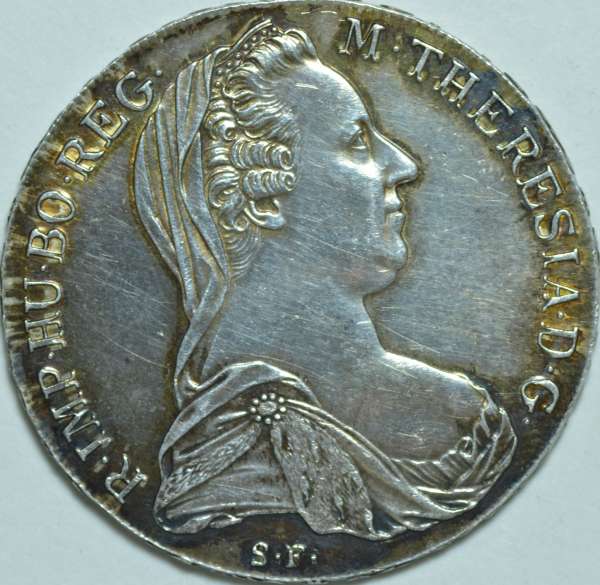
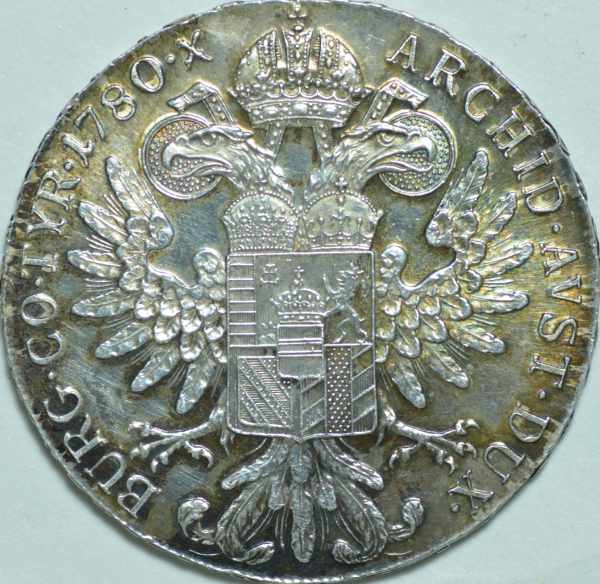
Austrokiwi, it is not a H50a, I have one and compare it with this one, surely not! H50a is not a proof but this one is. The length of "iustitia" of this coin is 16-16.5mm.
Maybe I show you my H50a tomorrow.
|
|
Pillar of the Community
2087 Posts |
I also have an example of 50a. As I said your coin with aspects of the lettering and the style of the coin made me consider that option. The coins edge is far too well executed to be H60 so in my mind the coin is possibly late 19th century or early 20th
|
|
Pillar of the Community
Hong Kong
1270 Posts |
Quote:
The coins edge is far too well executed to be H60 so in my mind the coin is possibly late 19th century or early 20th Austrokiwi, I suppose this coin be a modern restrike (maybe 1960-80s) for two reasons. First, the coin is a proof or proof-like specimen. Was there MTT restrikes in late 19th Century? At least I have never seen till now. Apart from modern restrikes, the only proof I have ever seen is the Paris 2nd type restrike(H70). 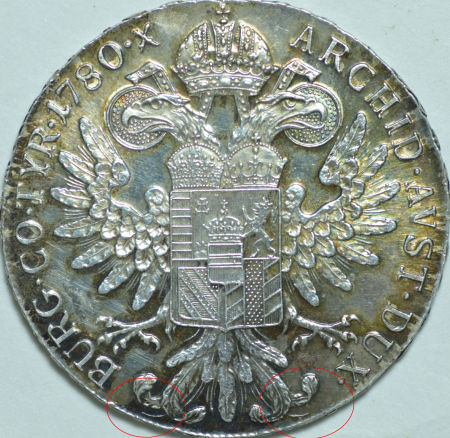 Second, for those modern issue, I always find there is only one minute tail hair at both sides of the tail region(See the red circles of the above picture). Do you think this is a characteristic feature of a modern MTT restrikes, austrokiwi? Pre- and post-WWII MTT restrikes have two such minute hairs at each side of the tail region. Below is the H50a specimen in my collection, see you agree it is a real H50a or not. This coin is 28.06 grams, 41-1-41.4 mm. Length of IUSTITIA=14mm ,CLEMENTIA=17-17.5mm. 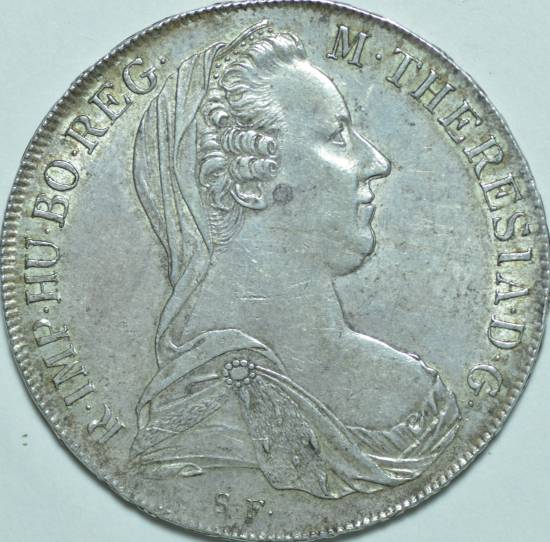 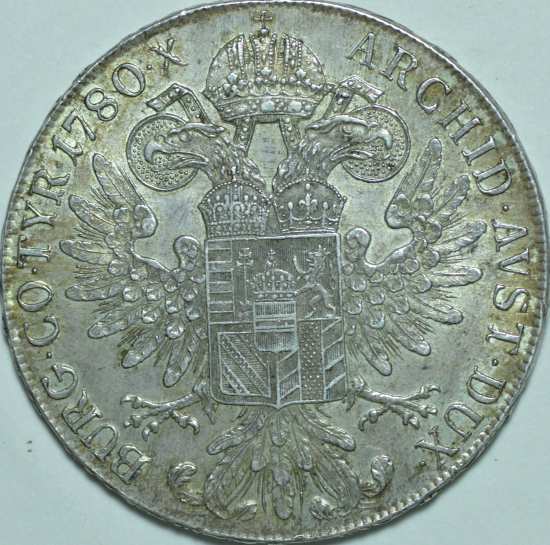 The saltire is a true cross instead of two arcs sticking together in the previous coin. 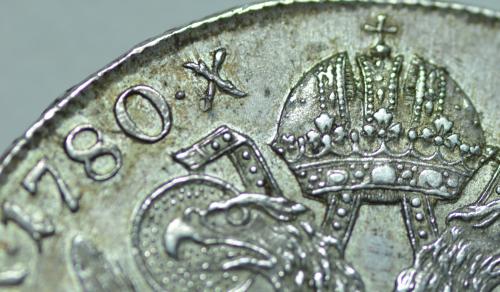 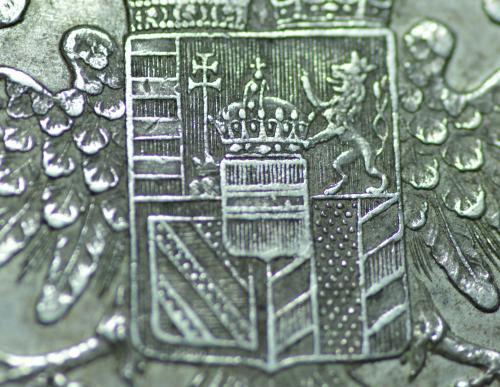 17-17.5mm (the edge pictures are in same scale)   14mm   |
| |
Replies: 416 / Views: 99,912 |








 First Page
 Previous Page


 Posted 12/18/2013 09:59 am