| Author |
 Replies: 416 / Views: 99,882 Replies: 416 / Views: 99,882 |
|
|
|
Pillar of the Community
 United States
3499 Posts |
Quote:
There is no H62 in hafners catalog. Yes it is listed on the web site but I have problems relying on that website
A collector relies on the book. a numismatist sees the book as a guide only. Very true. But The designation H62 does seem to make since given the fact that Hafner's book was published in 1984, and H62 functions as a catch-all for post-1986 strikes. What kind of designation would you give for post-1986 strikes? Edited by Archraz
03/05/2014 8:48 pm
|
|
Valued Member
United States
397 Posts |
|
|
Pillar of the Community
Hong Kong
1270 Posts |
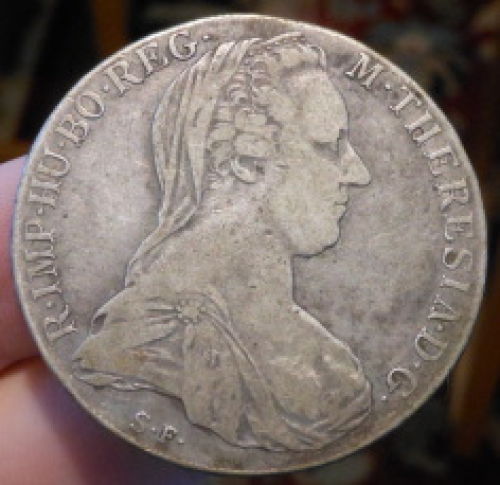
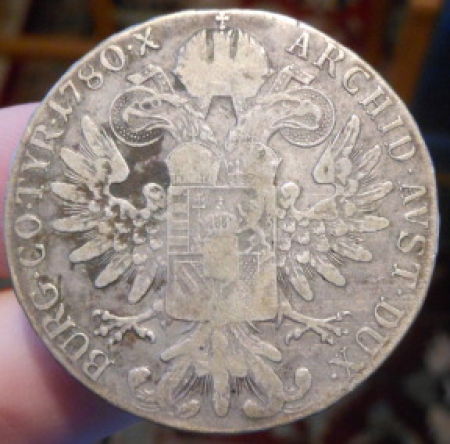
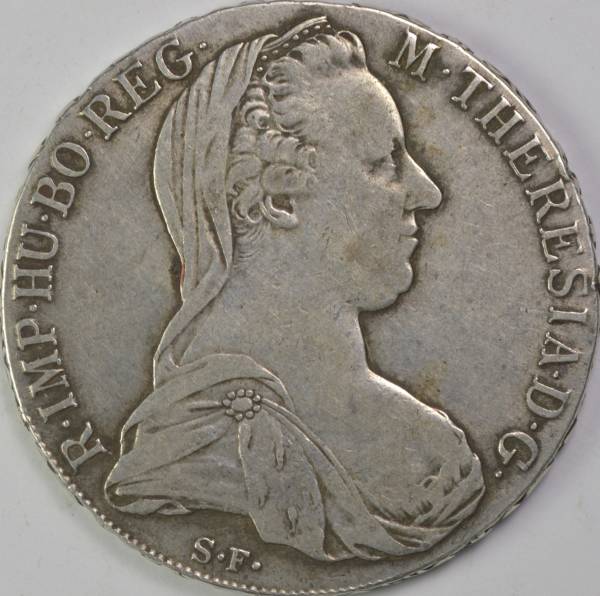
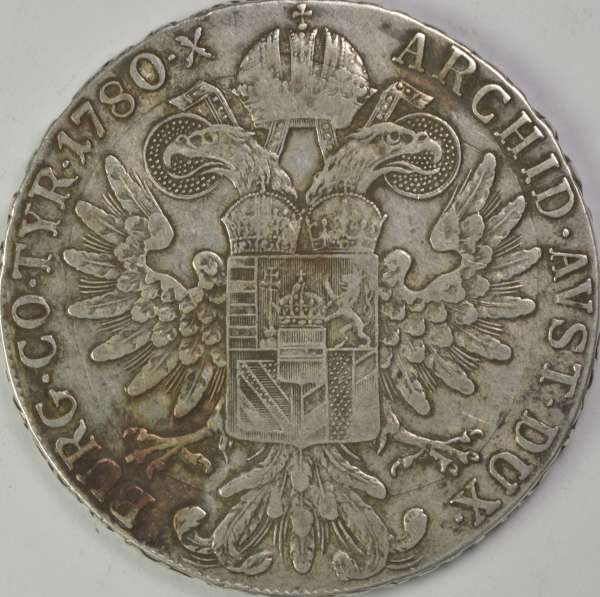
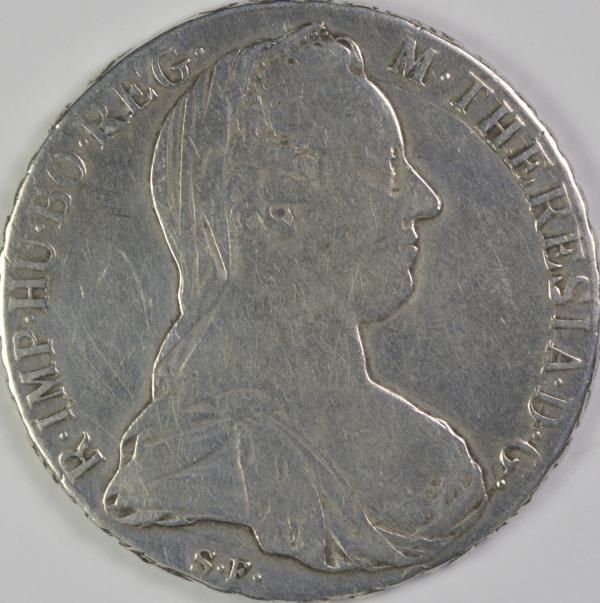
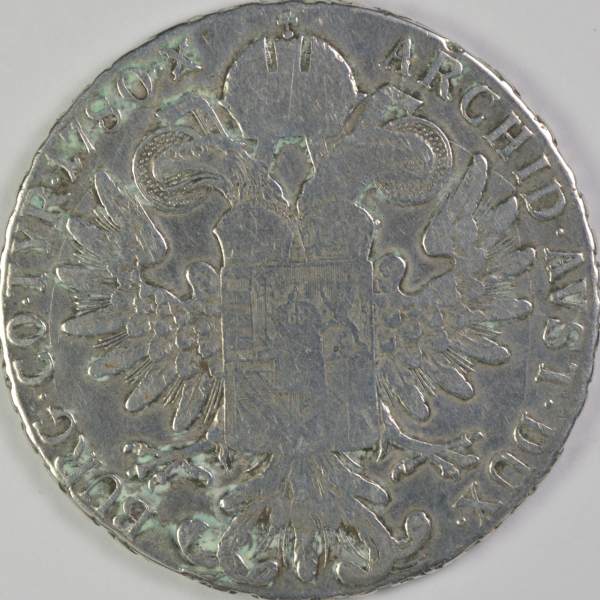
IMHO, it is more likely to be a H49 specimen. It is the first modern Vienna MTT restrike. Hafner suggested there were many varieties of this type. One of the notable feature is that two dots on the central Austrian sheild. Henry
|
|
Valued Member
United States
397 Posts |
Okay, so about when does that make this coin minted?
Thanks
|
|
Pillar of the Community
Hong Kong
1270 Posts |
A short reply to Sunny. The time fame of H49 was 1853-1890/1900, this is the information from Hafner's lexikon. Henry
|
|
Valued Member
United States
397 Posts |
Thanks for your help wonghinghi!
|
|
Pillar of the Community
Hong Kong
1270 Posts |
|
|
Pillar of the Community
2087 Posts |
The weight is a bit concerning. Should be above 28.06 grams. That die crack is correct for Rome. The problem with using weight is wear on the coin.....it doesn't take much to shave a few fractions of a gram off a coin. And then there is the accuracy of the scale you used to measure it! If I was betting I certainly would bet against that coin being from Rome
|
|
Pillar of the Community
Hong Kong
1270 Posts |
|
|
Pillar of the Community
2087 Posts |
Henry as you say the Rome mint strikes are diabolically hard to identify. Hafner only identified one variety. Dr Leypold was the one who noted that Italian Dealers would use the die crack to identify Rome mint coins. It was another researcher Regoudy who identified three Rome mint varieties. the first is a variety that is like the Johnson and Matthey Vienna strike. The second type has a greater gap between the script and the rim that variety it is the non-die cracked version, it is the third variety that has the die crack. to complicate things even further it seems probable that Italy struck MTT after WWII. Dr Leypold suggested that was the case!
|
|
Pillar of the Community
Hong Kong
1270 Posts |
Good note to help to find another Rome MTT. Thank you Ian for sharing your knowledge.
|
|
Pillar of the Community
2087 Posts |
|
|
Pillar of the Community
Hong Kong
1270 Posts |
I don't believe the information provided: Edge: Length of JUSTITIA 14mm,
It looks like a Paris restrike, type 1 as type 2 is a proof. This one not looks like a proof. So I guess it is a H69 specimen.
H50 is much rarer. I would buy it if it is a H50.
Henry
|
|
Pillar of the Community
2087 Posts |
I don't think its Paris. Have a look at the Hungarian cross in the first quadrant of the coat of arms....then look at the pearls in the diadem on the obverse
|
|
Pillar of the Community
Hong Kong
1270 Posts |
Oh yes, I miss the Hungarian cross. It should be H68 Brussel restrike. The saltires between Paris and Brussel are somewhat similar, I made the mistake. Thanks Ian. |
| |
Replies: 416 / Views: 99,882 |







 First Page
 Previous Page


 Posted 03/11/2014 12:51 pm