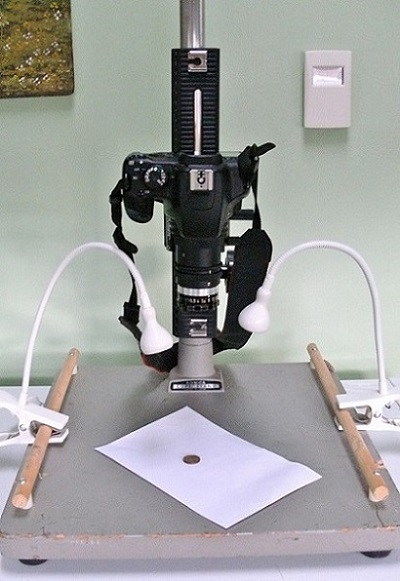
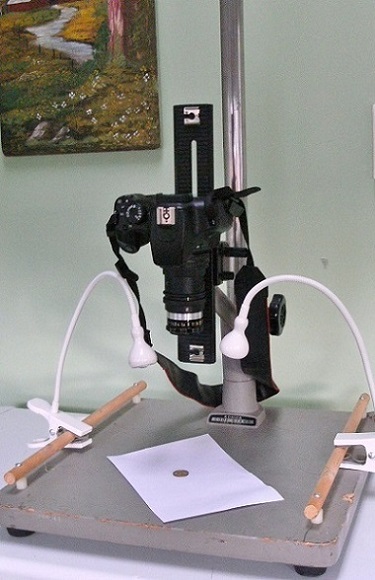
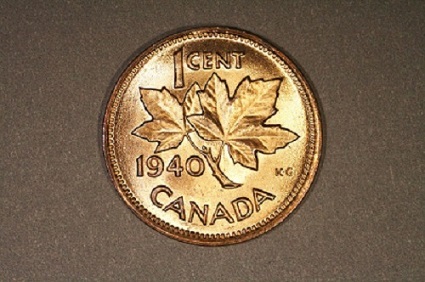
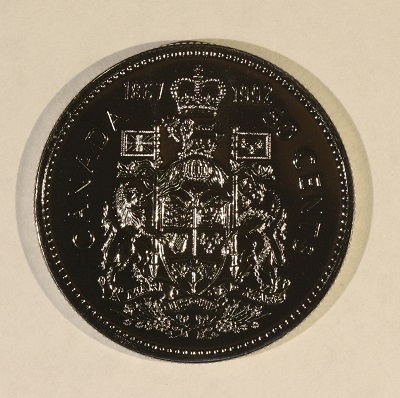
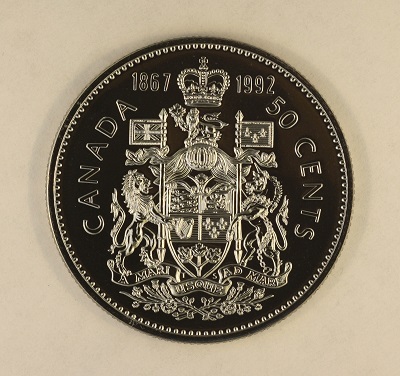
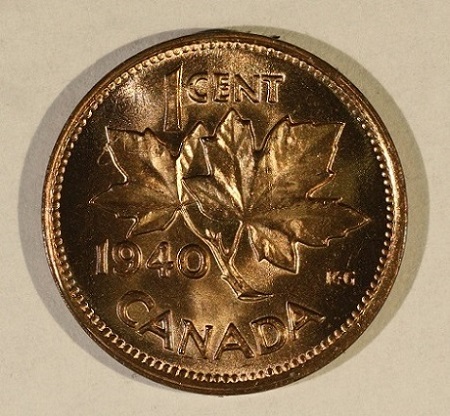
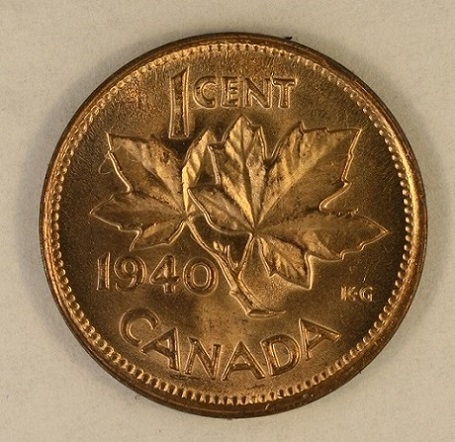
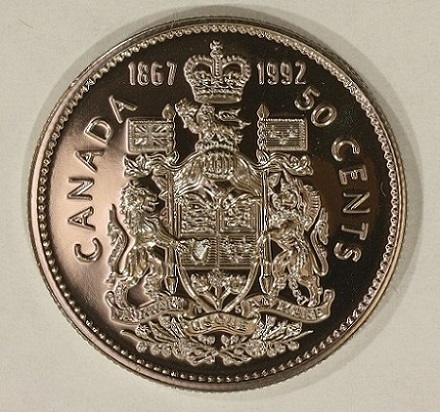
It's time for you to have image hosting appropriate to the size you're shooting. CCF offers free image hosting to members who have reached your postcount. You're limited to 800px diameter, which is quite sufficient for gradable images. The Gallery software will force an image to that size if you upload something larger. If you wish to go that route, post a request thread in the Coin Community Support forum. You'll see similar requests from others.
Another good alternative is Photobucket. A (free) account there will allow you to post larger and odd-size images here. This is important; as Ray has proven here in the past, posting image sharpness is maximized by using a strict geometrical downsizing method (1/2 of original, 1/4, etc). This doesn't result in a nice even pixel size. It's been my experience that it's not really visible in full-face images posted for grading, but you'll want to use it for 100% crop postings because it's
all about sharpness with detail images. In the Support forum you'll find an excellent tutorial from xshift regarding how to inline images from Photobucket.
Either way, you're now shooting in the "Pro" class, and you'll need to put the "Pro" uniform on.

That means coins perfectly vertical to the lens, cropped closely to the coin (exceptions for those nice obverse/reverse pairs some create, which look cool with a little airspace around the coin, but those are as much for aesthetics as anything else), and a bare minimum of 800 pixels in diameter.
Please don't upload 2500px, 5MB originals somewhere and post them here. Yes, the forum software will downsize it, but the full-size image still loads and people like me with relatively limited bandwidth end up waiting for the image to load. I have no trouble postprocessing an image to 800 pixels and around 250kb with no discernible loss in quality. We need to see images of this size to offer appropriate advice for refining your technique.
Lose any area lighting while you're shooting. Only the Jansjos or whatever you're using for direct lighting. Me, I don't even shoot in the daylight.
Now, Proofs. A few years ago I hit on what I consider the "perfect" method for lighting Proofs: I bought a small-diameter circline fluorescent fixture - the kind you see on kitchen ceilings - and cut a hole through the center to stick the camera through.
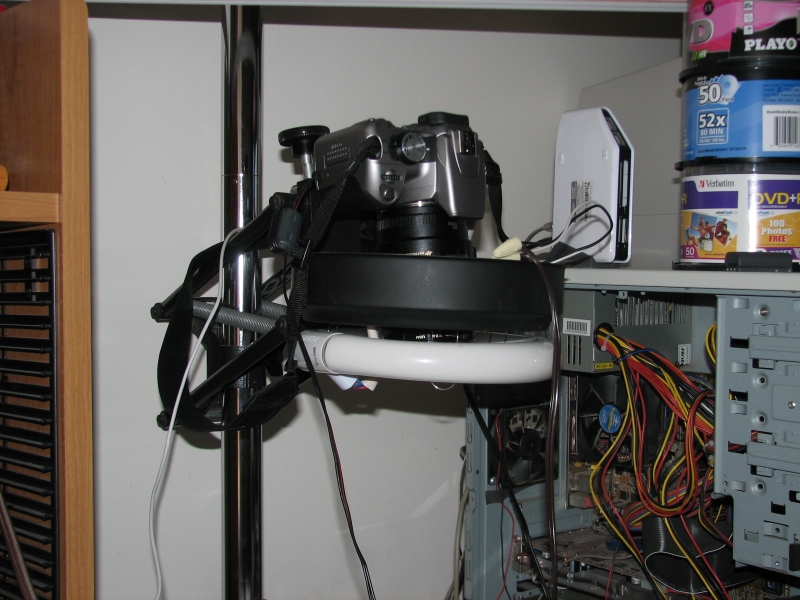
The full-circumference light brings out the very best in a Proof:
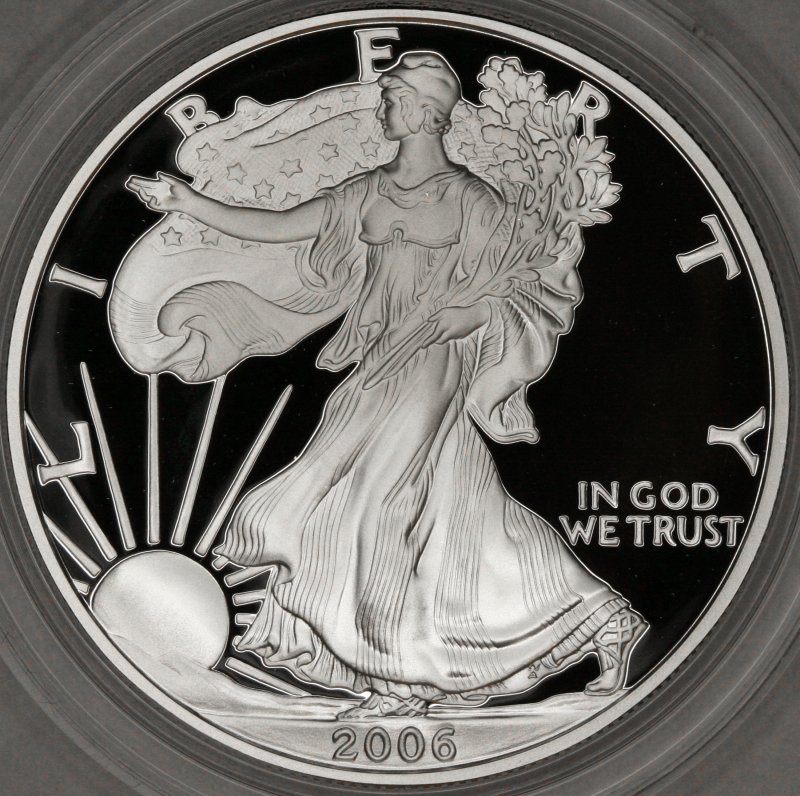

I'm thinking it possible that a standard ringlight arrangement, possibly diffused, would achieve the same result.







 First Page
 Previous Page


 Posted 10/24/2013 11:28 am