| Author |
 Replies: 610 / Views: 70,555 Replies: 610 / Views: 70,555 |
|
|
|
Bedrock of the Community
United States
11951 Posts |
4 Reales circa 1640 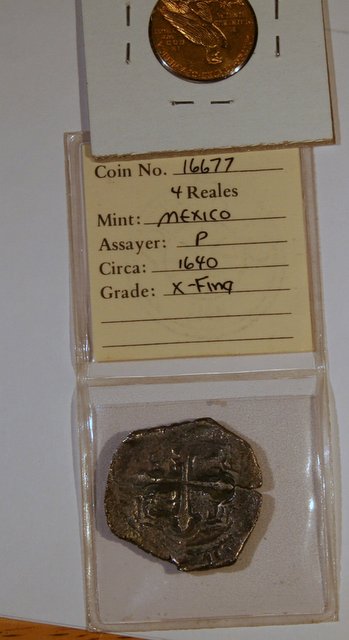 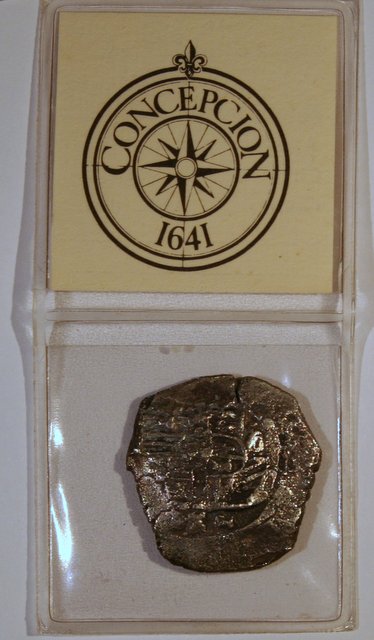 |
|
Pillar of the Community
United States
1156 Posts |
1614 Spain 8 reales of Phillip III, Segovia mint. ex Huntington. 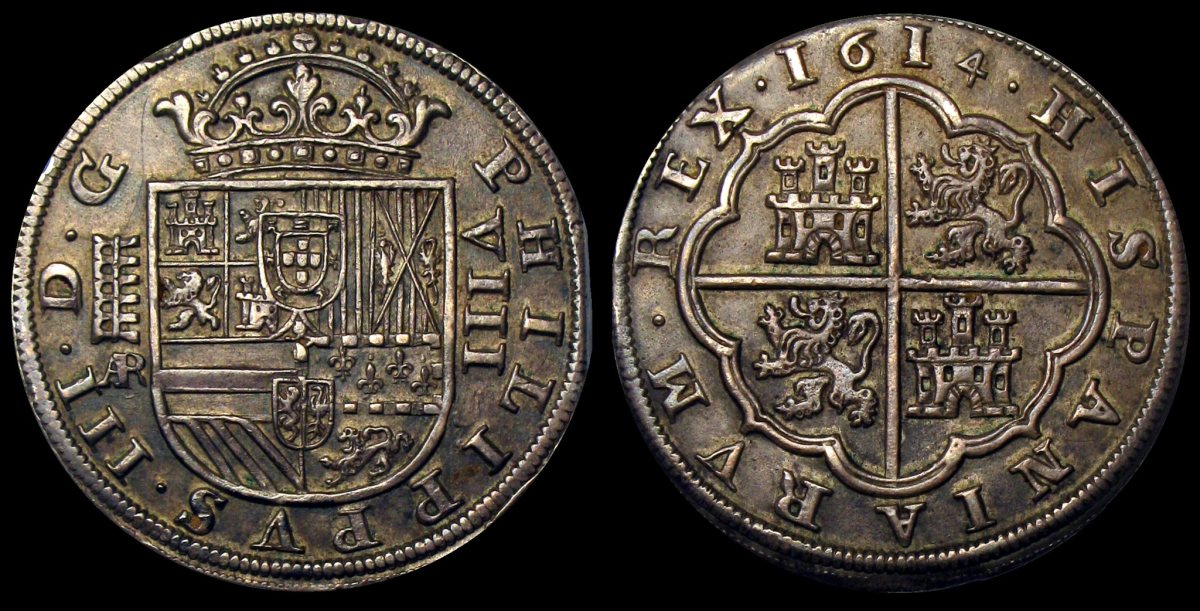 |
|
Pillar of the Community
United States
1156 Posts |
1632 Austria thaler of Leopold Wilhelm, Hall mint.  |
|
Pillar of the Community
United States
1156 Posts |
1660 Bisanz (Besançon) thaler of Charles V (posthumous). 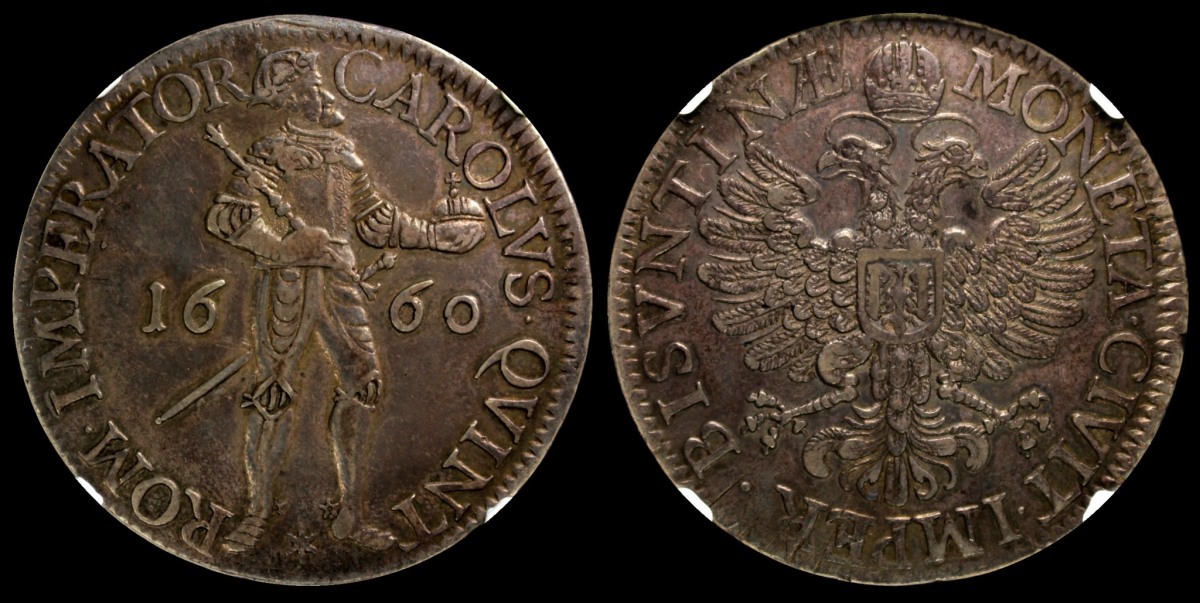 |
|
Pillar of the Community
United States
1156 Posts |
1696 Saxony thaler of Friedrich August, Dresden mint.  |
|
Pillar of the Community
Belgium
1194 Posts |
Spanish Netherlands AE jeton : Charles II : 1665-1700 obv: Carol II D.G/HISP.ET INDIAR.REX 1683 rev : GETS POUR LE BUREAU DES FINAN 31 mm , 6.3 gr , 3 h Dugniolle III-IV,p 12 nr:4576 . albert 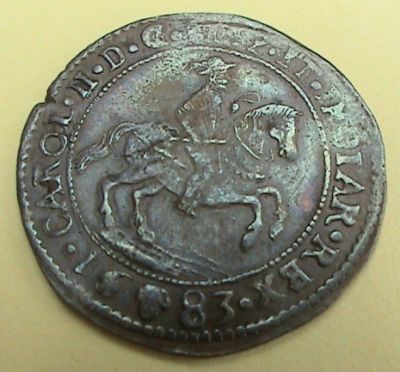 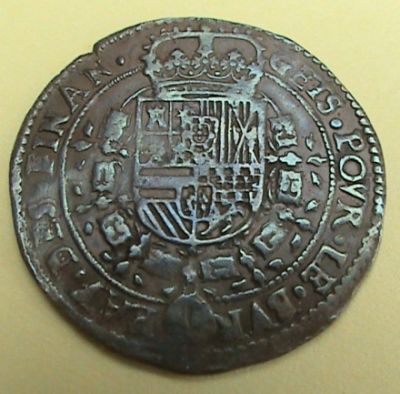 |
|
Pillar of the Community
 United States
6130 Posts |
That 8 reales  Some amazing coins right there!  |
|
Pillar of the Community
United States
6130 Posts |
China, Shunzi emperor, 1644-1661 Shang tung mint   |
|
Pillar of the Community
Australia
1874 Posts |
|
|
Pillar of the Community
United States
6130 Posts |
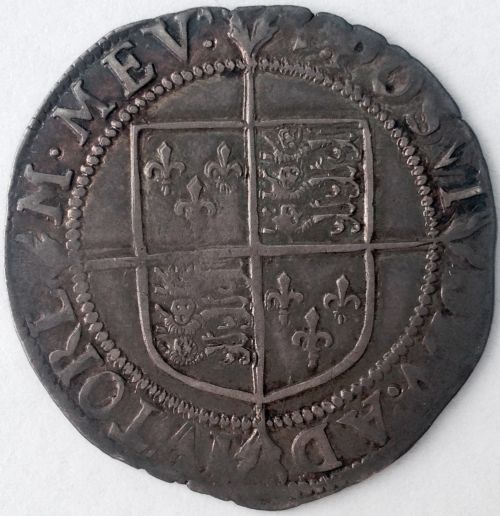
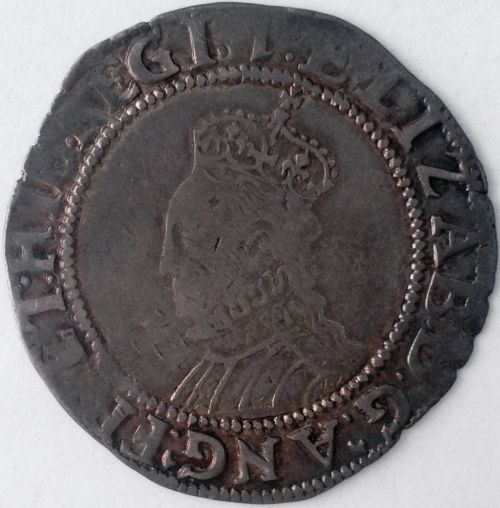
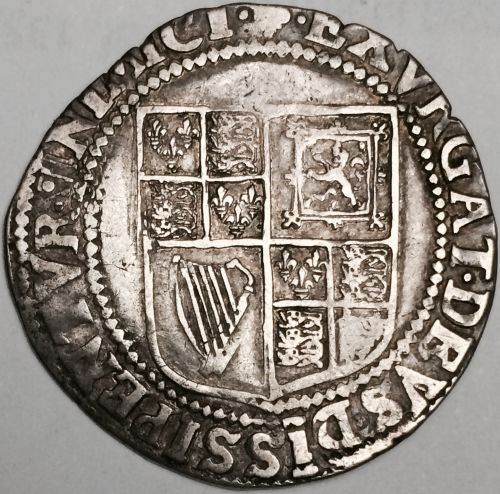
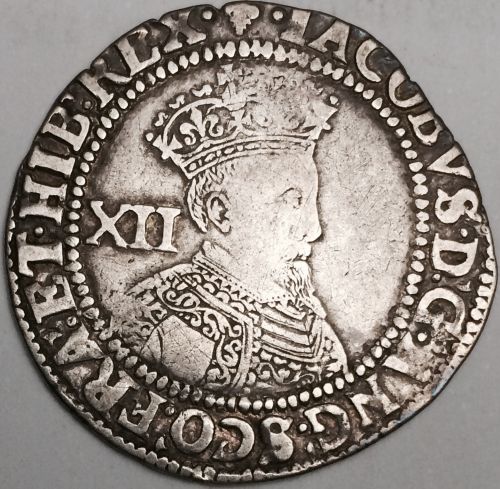
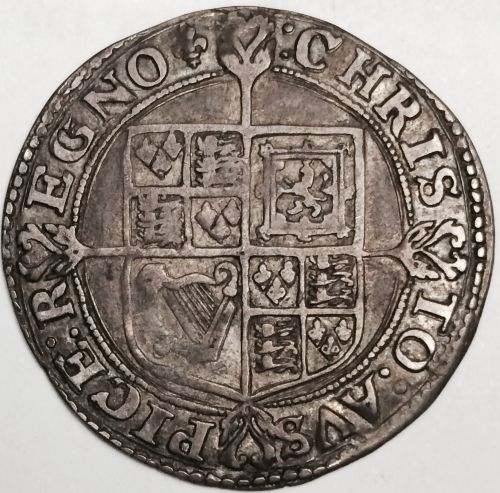
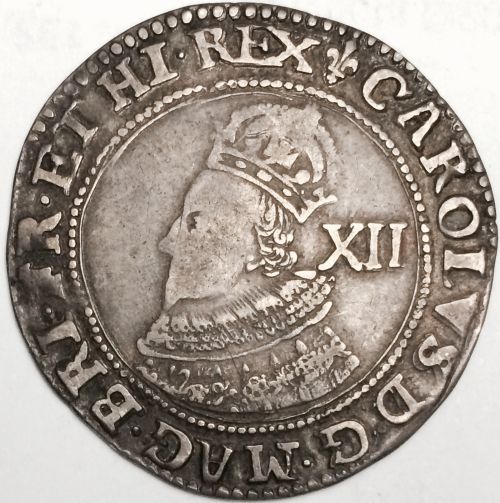
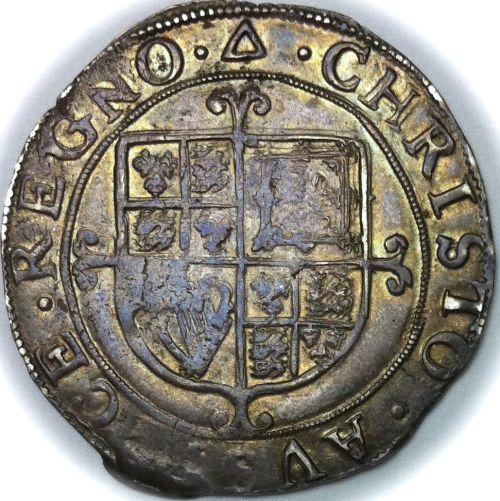
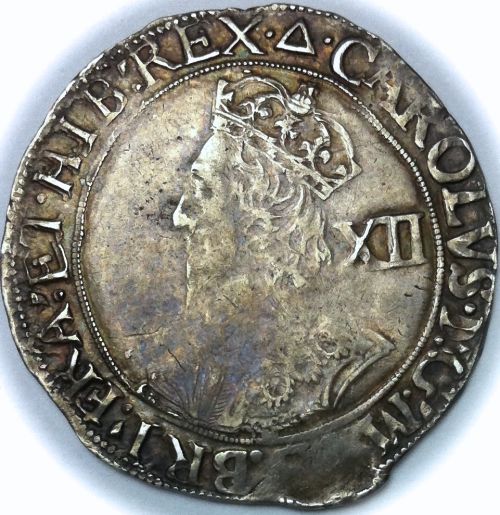
That's some nice English silver right there! |
|
Pillar of the Community
United Kingdom
548 Posts |
So much history.... |
|
Pillar of the Community
Russian Federation
5186 Posts |
I suppose I might as well show off more of my 17th century coins... Sorry for the awful photos - I suck at coin photography. 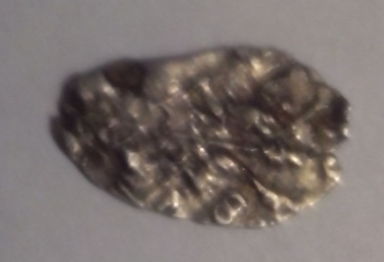 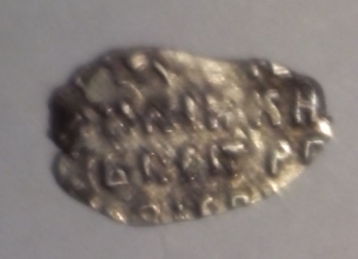 ...I especially suck at hurried coin photography (I think this one was for a smackdown that was quickly running out of time). Peter I wire kopek, double struck, "Russia" variety (KG 1586), either very late joint rule or very early sole rule, circa 1696 AD. There's a lot more detail in the smackdown post, and even more in the clarification post (later in that same thread); though I no longer consider the specific date version given in the latter post particularly likely (still, "circa 1696" is fairly certain, and it's definitely unambiguously 17th century). |
|
Pillar of the Community
Russian Federation
5186 Posts |
I did mention I had a huge bunch of 17th century coins right? And that's not counting the dozen or so other 17th century coins I have that I'm not going to post here because I don't have any photos of them so far. This one is actually pretty easy to describe: Polish Riga solidus under Sigismund III, 1615. The next two (assuming I post them) will be harder.  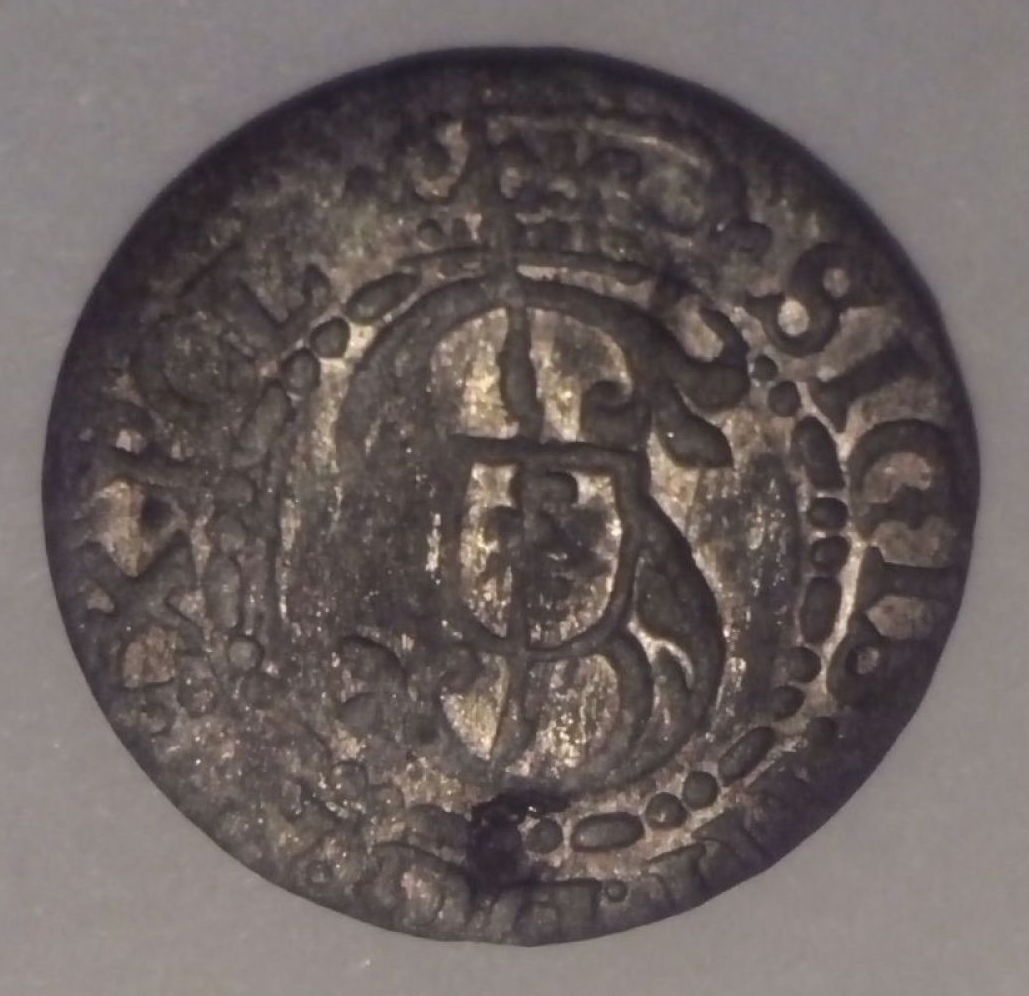 |
|
Pillar of the Community
Russian Federation
5186 Posts |
I might as well copy the entire description for this one from when I entered it in a smackdown. It's a funny story. (Also I just missed showcasing it in HFBCWG-3. But whatever.)  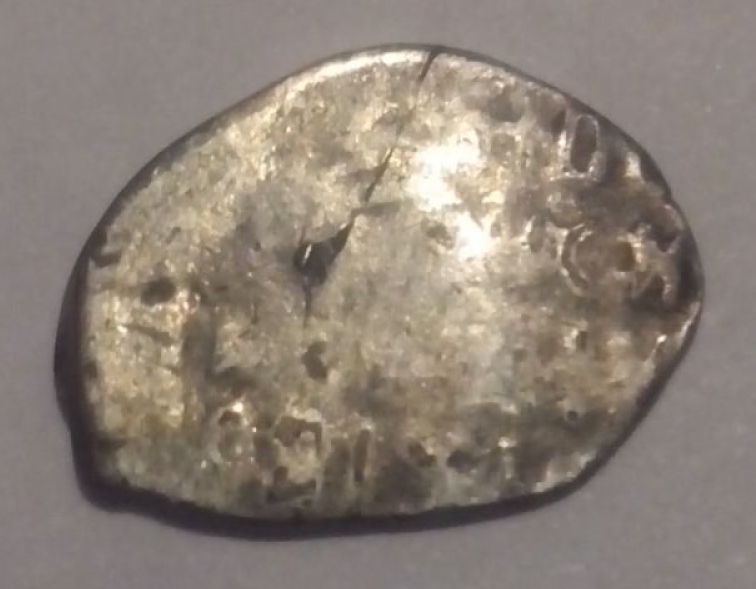 The obverse of this coin claims it was minted in the Russian year [7]113 AM, which corresponds to 1605 AD - early in the reign of False Dmitry. Meanwhile, the reverse claims (well, is supposed to claim - my example isn't particularly readable) that it is a coin of Vasily (Shuysky), who didn't take the throne until 1606. Contradiction? Yes. So which of them actually issued this coin? Neither. The actual attribution: Novgorod mint kopek issued during Swedish occupation of Novgorod, 1615-17. It's a somewhat funny story. Novgorod already had a well-established mint when the Swedes "conquered" the town in 1611; well, Sweden claimed that by "conquered" they meant "liberated from danger of Polish attacks" (it did make a bit of sense in context - we're talking about the period when a Polish ruler briefly took the Russian throne). Anyway, since the Swedes did in fact plan to use Novgorod as a base to conquer more of Russia (spoiler: it didn't succeed), they started to mint money in there - using whatever local dies (okay, technically hubs) they could find. (They actually started off with a somewhat realistic die pairing, but for some reason switched to this one in 1615; no idea why.) Meanwhile, the situation in Russia became relatively stable after Michael (Romanov) took the throne in 1613; and while taking Novgorod by force wasn't a likely possibility, the Swedes soon realized that they couldn't gain much more, either. In 1617, a peace treaty was signed, giving Sweden significant areas on the Baltic [most of that would be Russian again within 100 years] but leaving Novgorod with Russia; so the Swedish coin issue in Novgorod stopped that year (as they didn't control the mint anymore). |
|
Moderator
 United States
195559 Posts |
Quote:
Also I just missed showcasing it in HFBCWG-3. But whatever. Glad you got to show it here.  |
| |
Replies: 610 / Views: 70,555 |







 First Page
 Previous Page


 Posted 05/16/2016 11:41 pm