I see two correct answers so far. Congrats Baltas and capainyeasterday555. Yes the third one is the only genuine coin of the bunch.
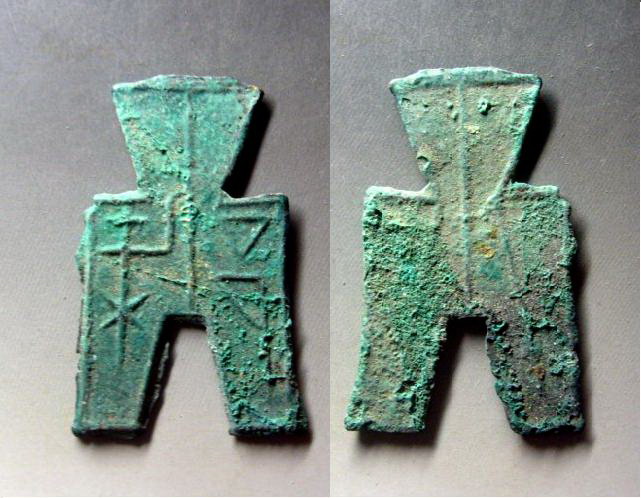
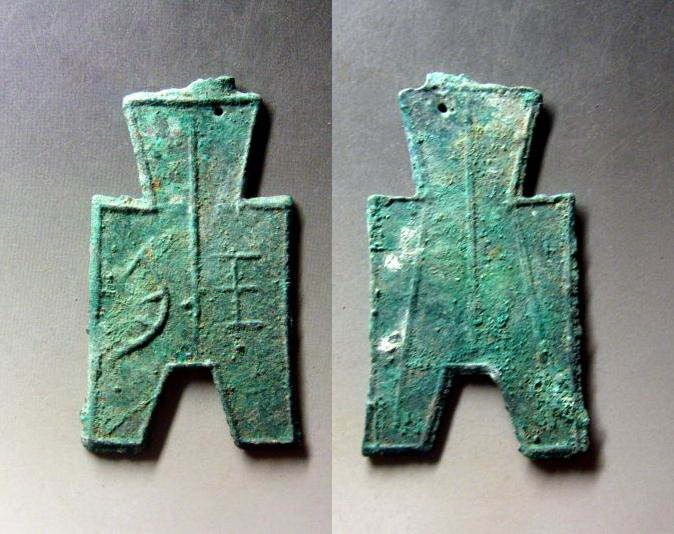
I will group the spades together as the explanation is pretty much the same. Stylistically, most (99% of the types) have needle-sharp inscriptions and rims that are typically low-relief. Basically, the rims and characters have to look like they were carved into the mould with a sharp knife. The rims and vertical lines on the two spades in question are very thick when compared to genuine specimens. The characters are are also too fat to be genuine. When looking at ancient Chinese coins, this needle-sharp style of the characters and the rims is the first thing to look for. Of course, there are always exceptions, but they are few and far between.
Here are genuine examples of the first spade type to get an idea of what I am talking about:
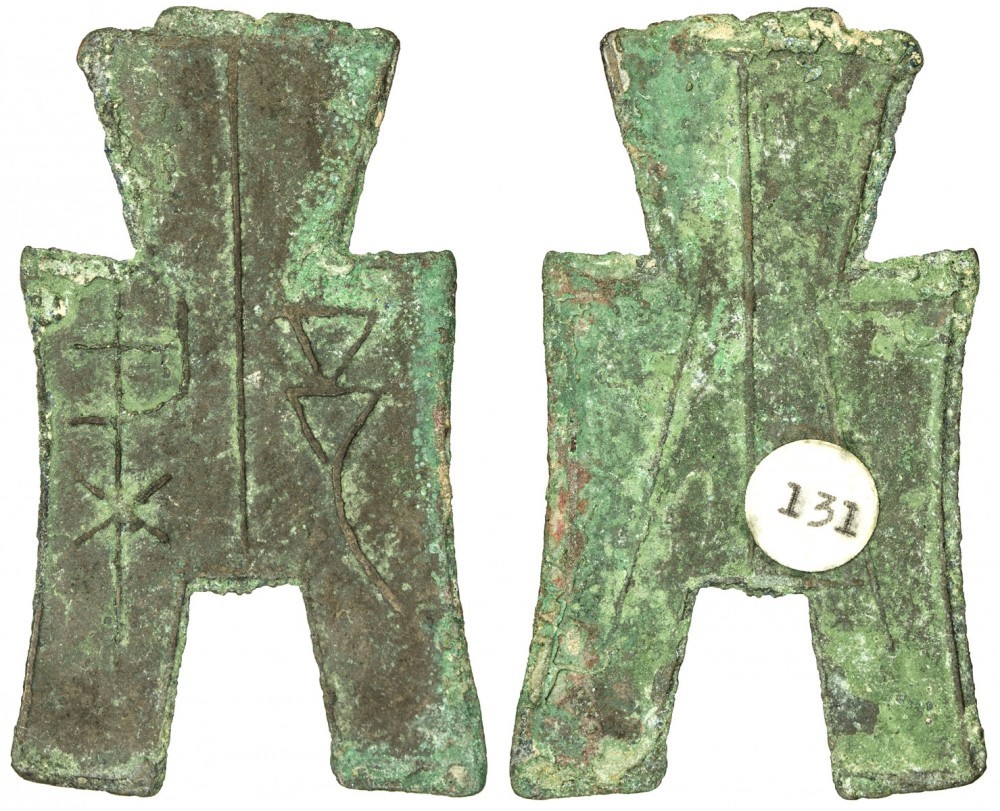
And here is a great example of what I mean by needle-sharp characters and rims:
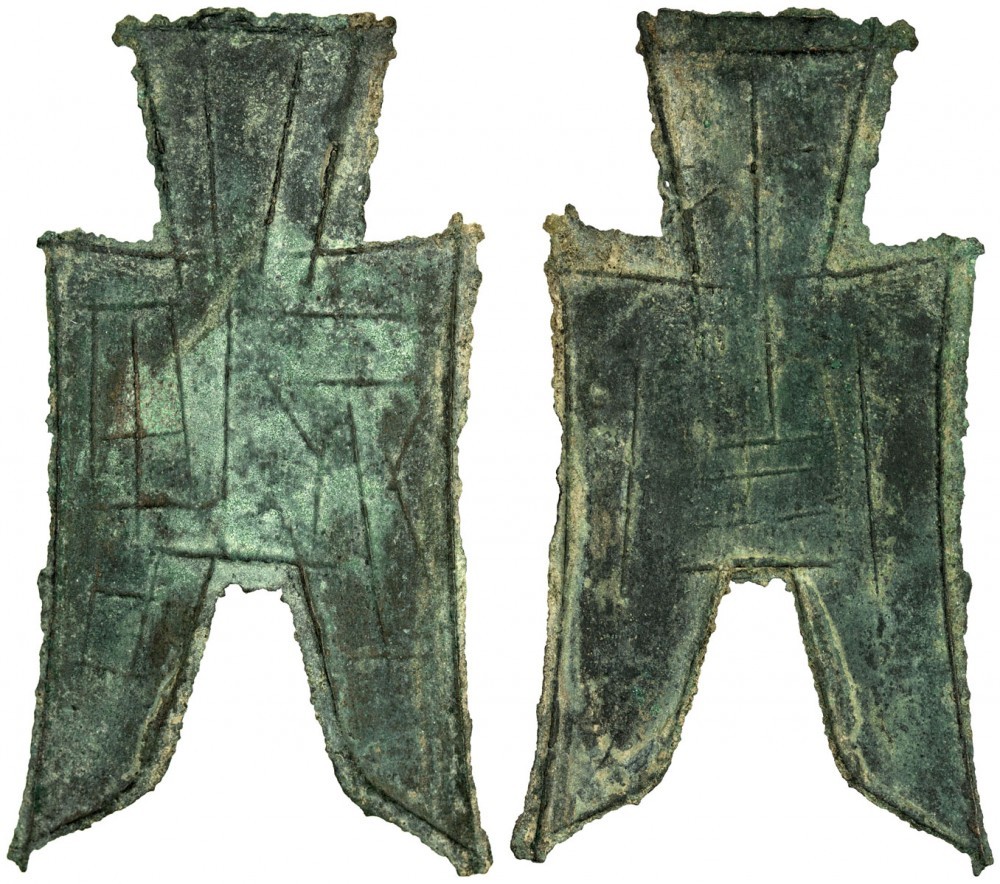
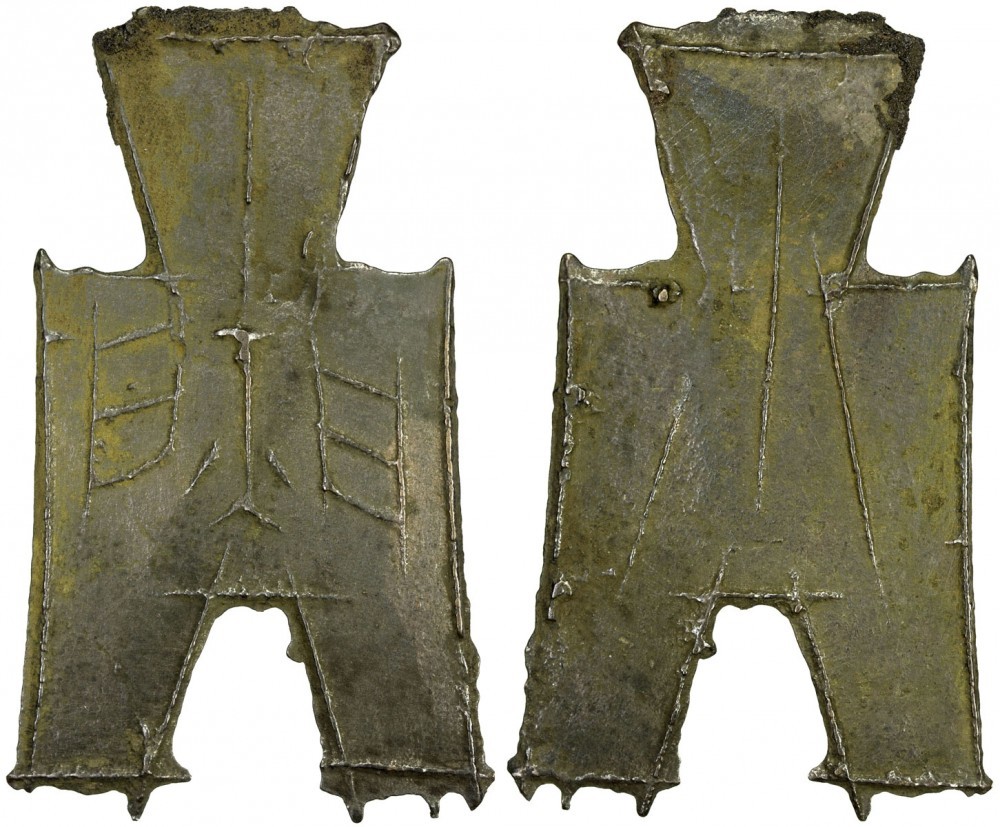
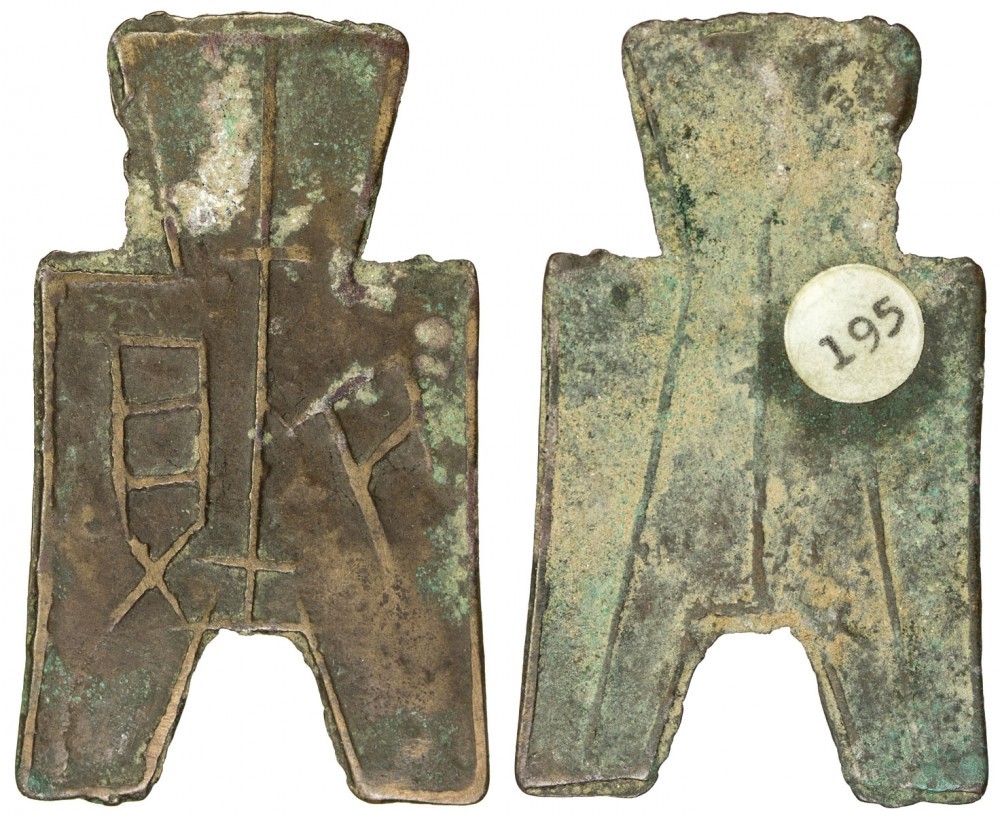
Now worn coins can have characters that look fat. That is where a knowledge of patina comes in. Also note how crude the characters look when the coin is worn:
Regarding the third one:
Quote:
characters seem too sharp for pre-180 BC casting
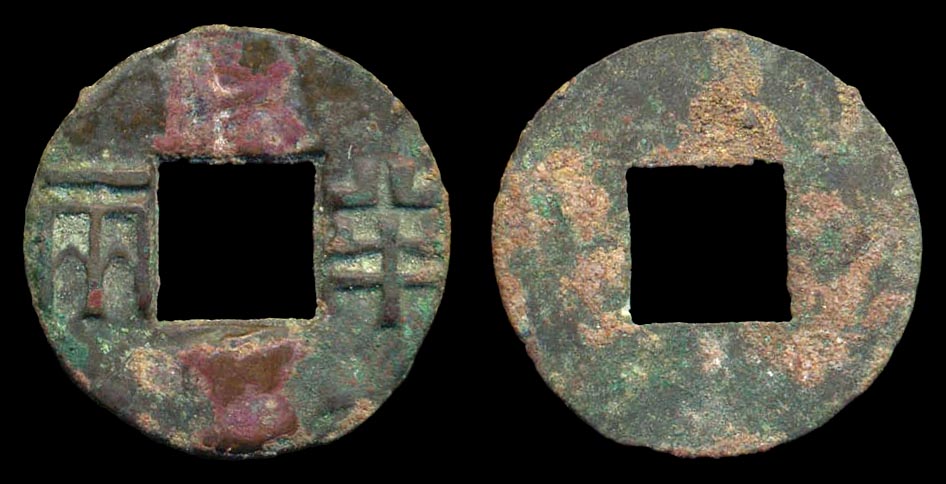
Actually, sharp characters are a good sign for pre-180 BC Chinese coinage to be genuine. Now Ban Liangs are not known for needle-sharp characters, but the smaller issues (full-weight 4-zhu coins), like this one, were usually of high quality. Some issues were cruder than others, but for the most part the characters were sharp. Also, this specific coin was cast by Deng Tong ca 160 BC after being comissioned by the emeror to do so. Pre-180 BC Ban Liangs often do not have sharp characters, but the presence of sharp characters is not a bad sign. My observations come from sifting through a hoard of about 300 Ban Liangs of various sizes.
Good fakes of common Ban Liangs (<8g with no special symbols) are virtually nonexistant. However, there are many fakes of Ban Liangs with special symbols or extra characters, and there are alterations of genuine coins into these scarcer varieties.
Quote:
rims seem round rather than flat and characters seem oversize
Quote:
Painted patina?
Quote:
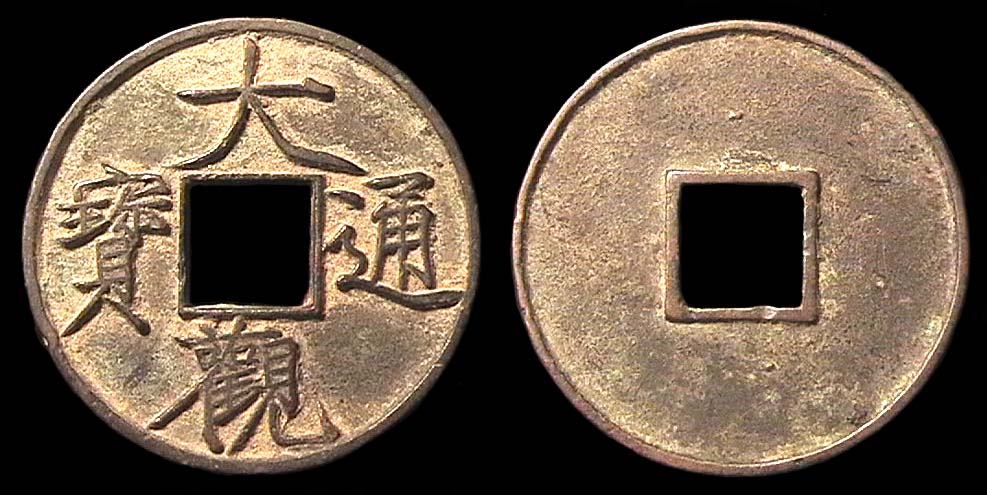
The calligraphy is too crude. An original would have a much finer script.(Reputedly in the Emperor's own hand).
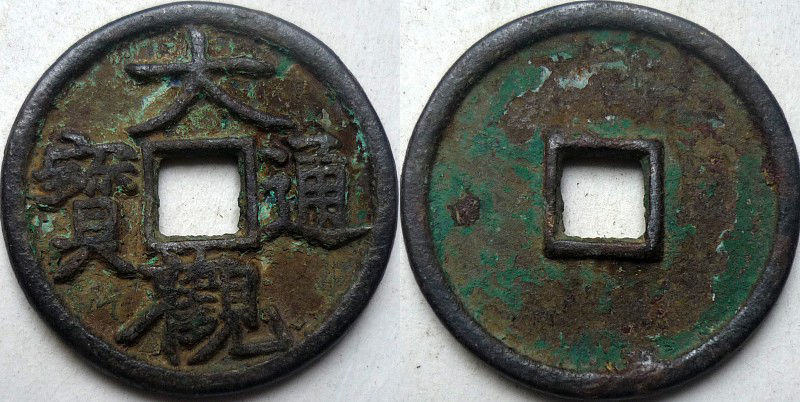
This pretty much hits it on the head. Virtually EVERY cash coin cast after 589 AD had flat rims and characters that were even in height. There are some exceptions (iron Song cash, large Yuan Dynasty cash), but for the most part, this rule holds true. Also, for the Da Guan type, the rims were very sharp, not the fat rounded stuff present here.
The characters are very fat and lifeless. The North Song prided itself in having high-quality coinage. The edges were always sharp and well-defined, and all strokes of the characters were clear. Additionally, this type is notorious for its "Slender Gold Script" style of calligraphy, in which all of the character strokes were very thin and sharp. This does not hold true for all types, especially during times of turmoil and unrest.
The patina was painted on, evidenced by the flaking on the reverse.
Here is an example of a genuine coin:







 Posted 06/23/2016 7:01 pm





