| Author |
 Replies: 139 / Views: 52,991 Replies: 139 / Views: 52,991 |
|
|
|
Pillar of the Community
 India
1996 Posts |
Hai Palouche:)
The dots sure look like visarga. This can be seen in lots of coins at the end of "hamir". But coins with visaga after "samantadeva" is a difficult find.
|
|
Pillar of the Community
 Spain
2752 Posts |
Ok thanks....Any idea what the symbol is, and its meaning, behind the head of the rider....some references say BHI AND OTHERS DHI ?
I've also just picked up 3 new coins 2 of them I'm unsure of will post them soon maybe you could have a look..
Thanks Paul
|
|
Pillar of the Community
Spain
2752 Posts |
Here is the first...sorry about photo quality ..sellers.... Coin 1.. 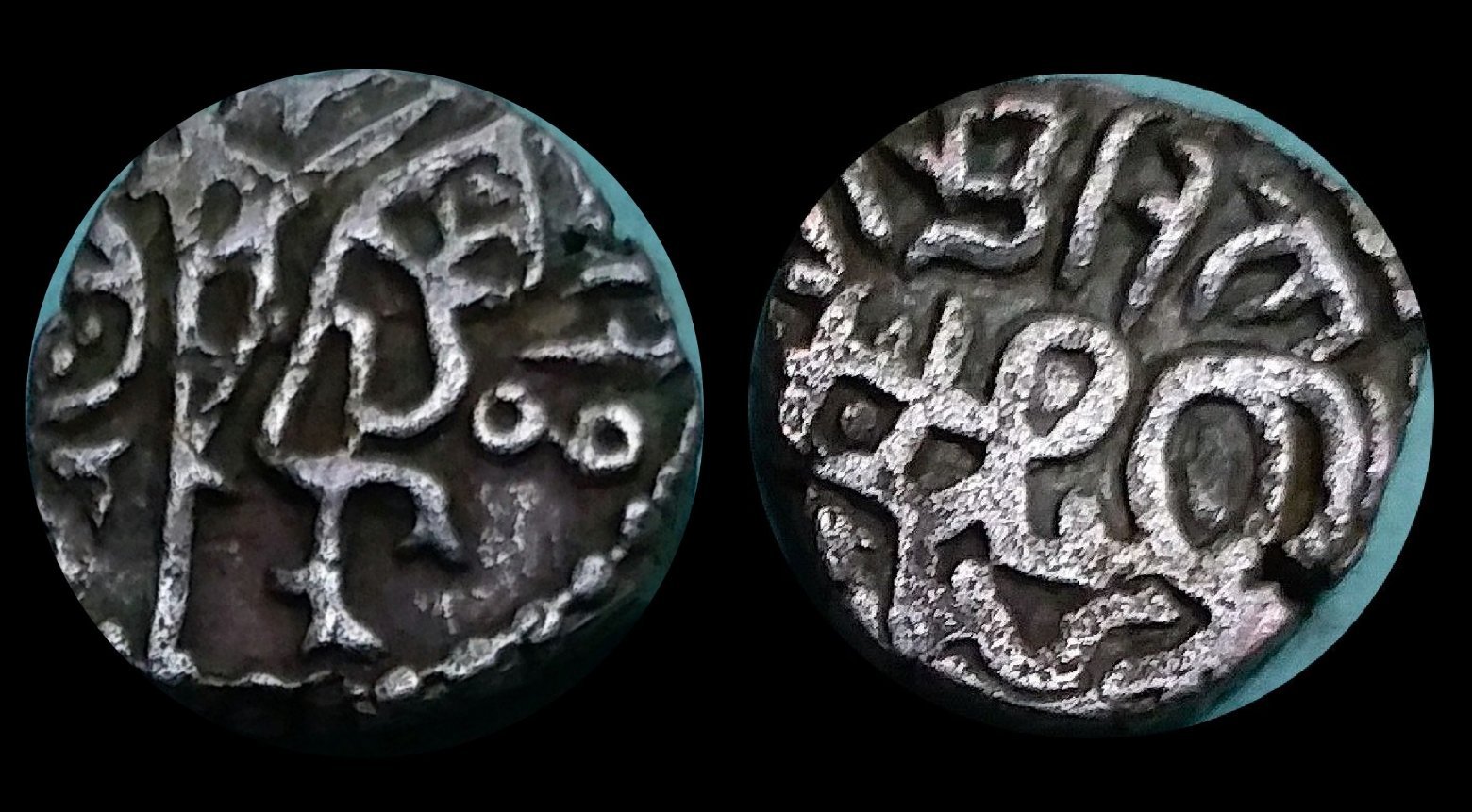 Edited by Palouche
09/16/2018 06:07 am
|
|
Pillar of the Community
Spain
2752 Posts |
Coin 2.... Looking through your thread I am reasonably sure this is Muhammad bin Sam-1193-1206.... seems to match 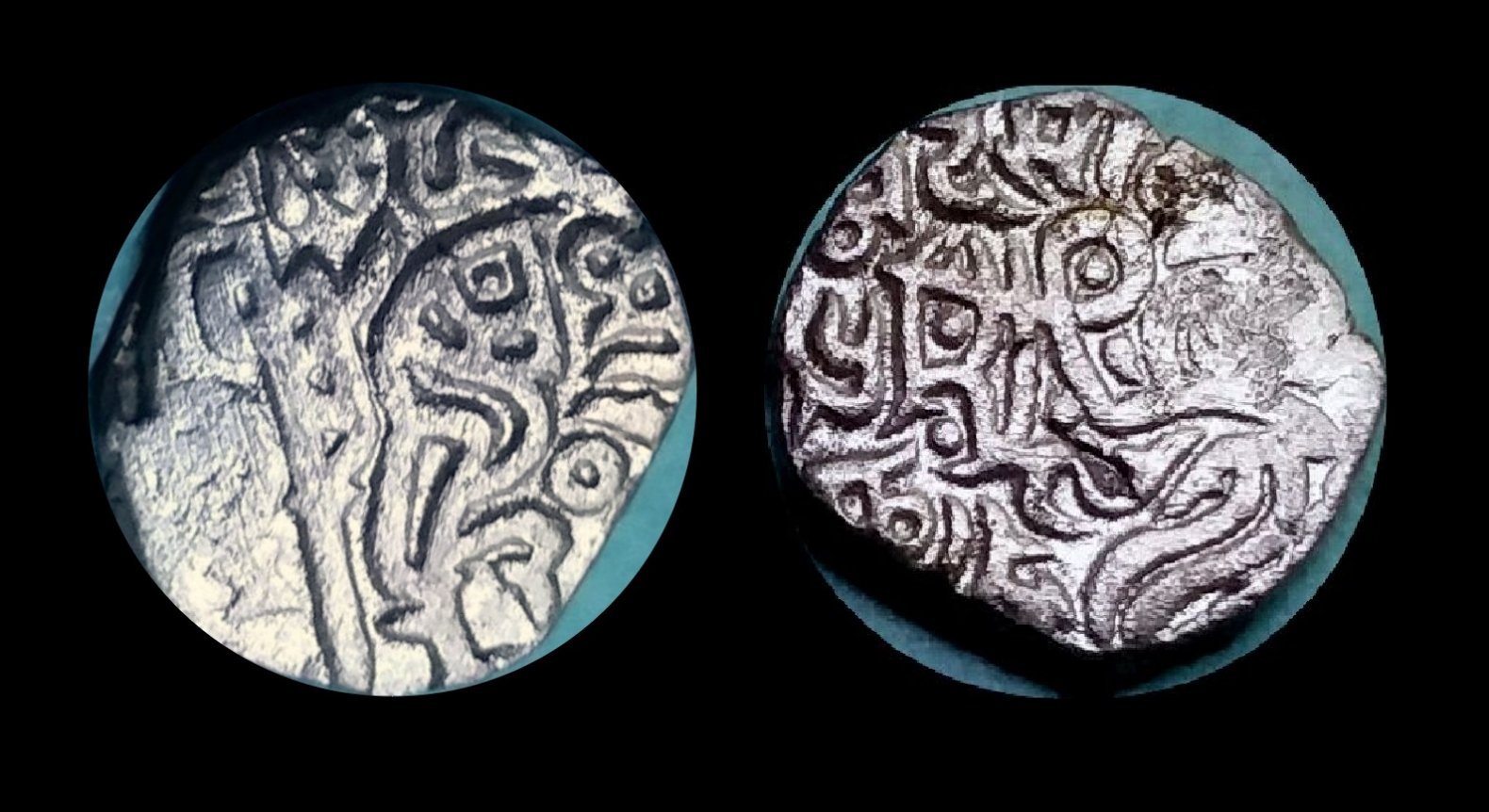 |
|
Pillar of the Community
Spain
2752 Posts |
Coin 3.... Again looking through your thread I am reasonably sure this is Mingburnu-1220-24 Any help and thoughts on the 3 coins much appreciated Thanks Paul 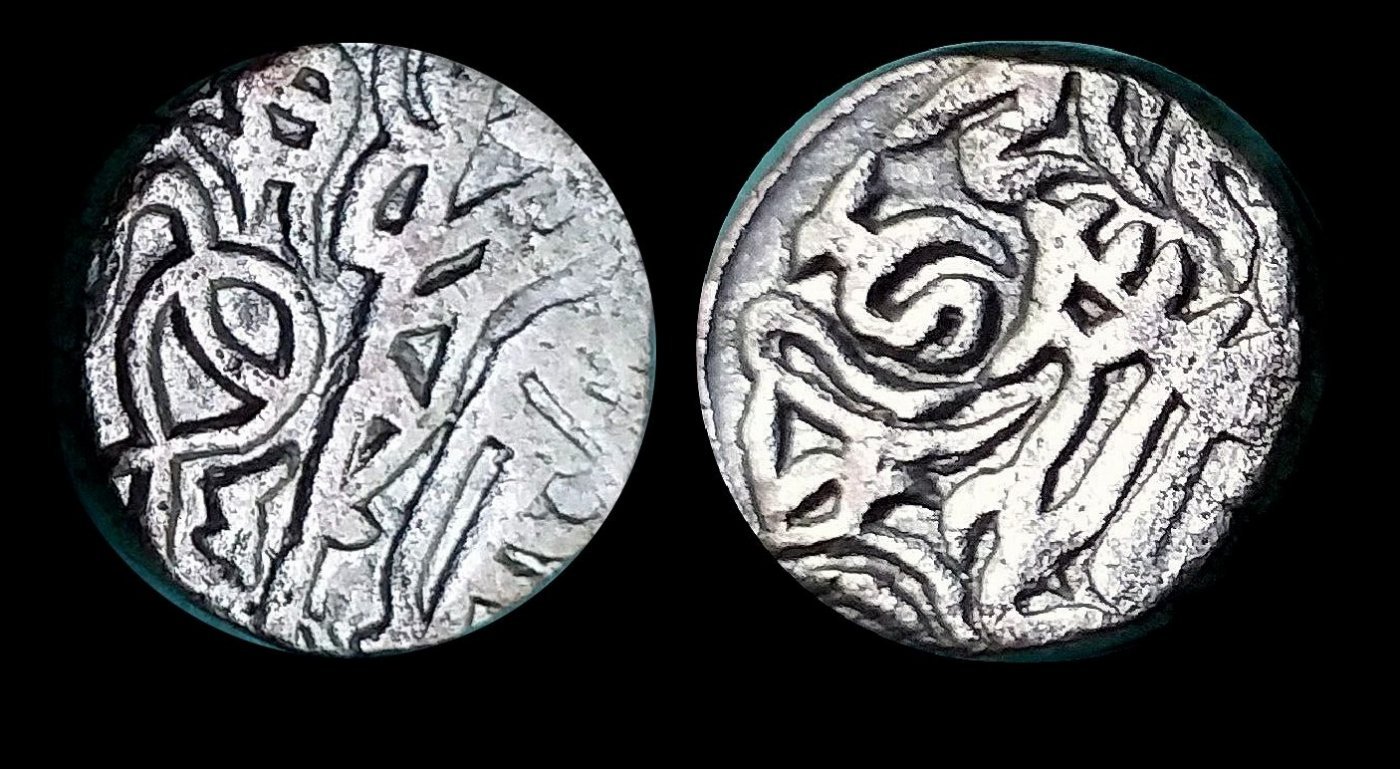 |
|
Pillar of the Community
United States
1554 Posts |
@ Palouche Yes, #1 is Ghorid successors, Nasir al-Din Qubacha, 1203-1228, Tye 206. #2 is Ghorids of Ghazna, Mu'izz al-Din Muhammad b. Sam, 1173-1203, Tye 185. #3 is Khwarizmshahs, Jalal al-Din Mangubarni, 1220-1224, Tye 318.5. The word behind the rider's head on #3 is "Sri", part of the obverse legend Sri Hamirah. "Sri" is a title of respect or veneration. Here, I think "Lord" is an appropriate interpretation. "Hamirah" is a Sanskritization of Arabic "amir" ("commander"). Thus Sri Hamirah is something like "Lord Commander". https://en.wikipedia.org/wiki/Sri Edited by Kushanshah
09/17/2018 3:37 pm
|
|
Pillar of the Community
United States
6130 Posts |
Very nice coins Paul!
The "Samanta Devah" is reported by several to be a scarce coin, but I have seen a lot of high grade examples surface in the last couple of years; I believe there was a hoard discovered recently.
|
|
Pillar of the Community
Spain
2752 Posts |
Thanks guys! Thats REALLY helped... @Kushanshah, Glad your around, excellent info, couldn´t of wished for a better answer ..thanks! @drnsreedhar..Maybe a little overlay will top this off..  Quote:
I believe there was a hoard discovered recently. I agree but can´t seem to find any report on it... Heres a very interesting link that some people might find interesting.. http://revista-hecate.org/files/561...s_Bueno2.pdfLet me know what you think..Thanks again Paul |
|
Pillar of the Community
United States
1554 Posts |
On academia.edu, Robert Tye has made available the first 25 pages of his catalogue, which includes a basic illustration/ attribution for each of 481 types. Use with caution. Many types look very similar and can only be differentiated with information in the full listings. I highly recommend purchasing Jitals if you can find a reasonably-priced copy. http://www.academia.edu/356700/Jitals |
|
Pillar of the Community
India
1996 Posts |
Thanks Kushanshah for the literary help. Here is the overlay 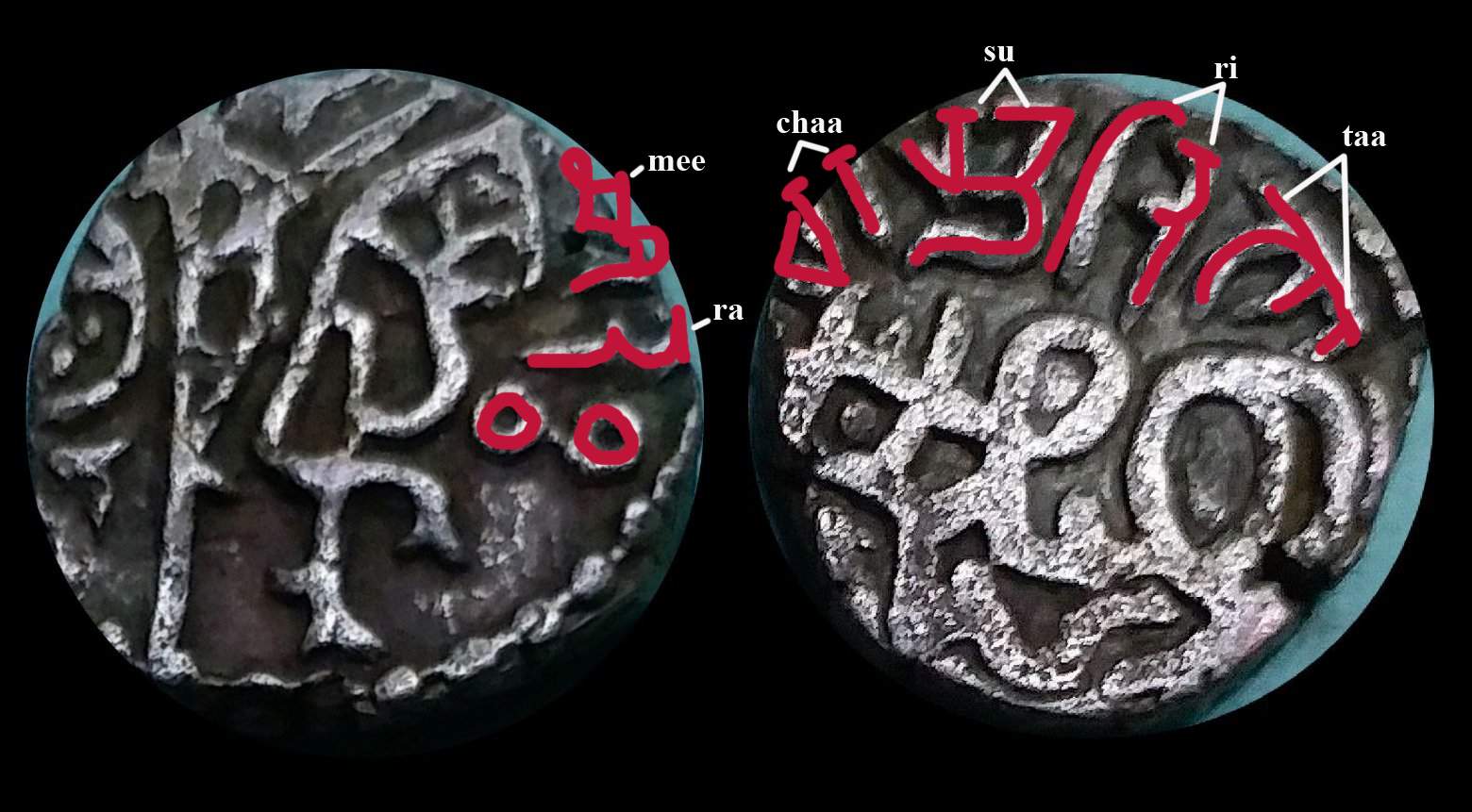 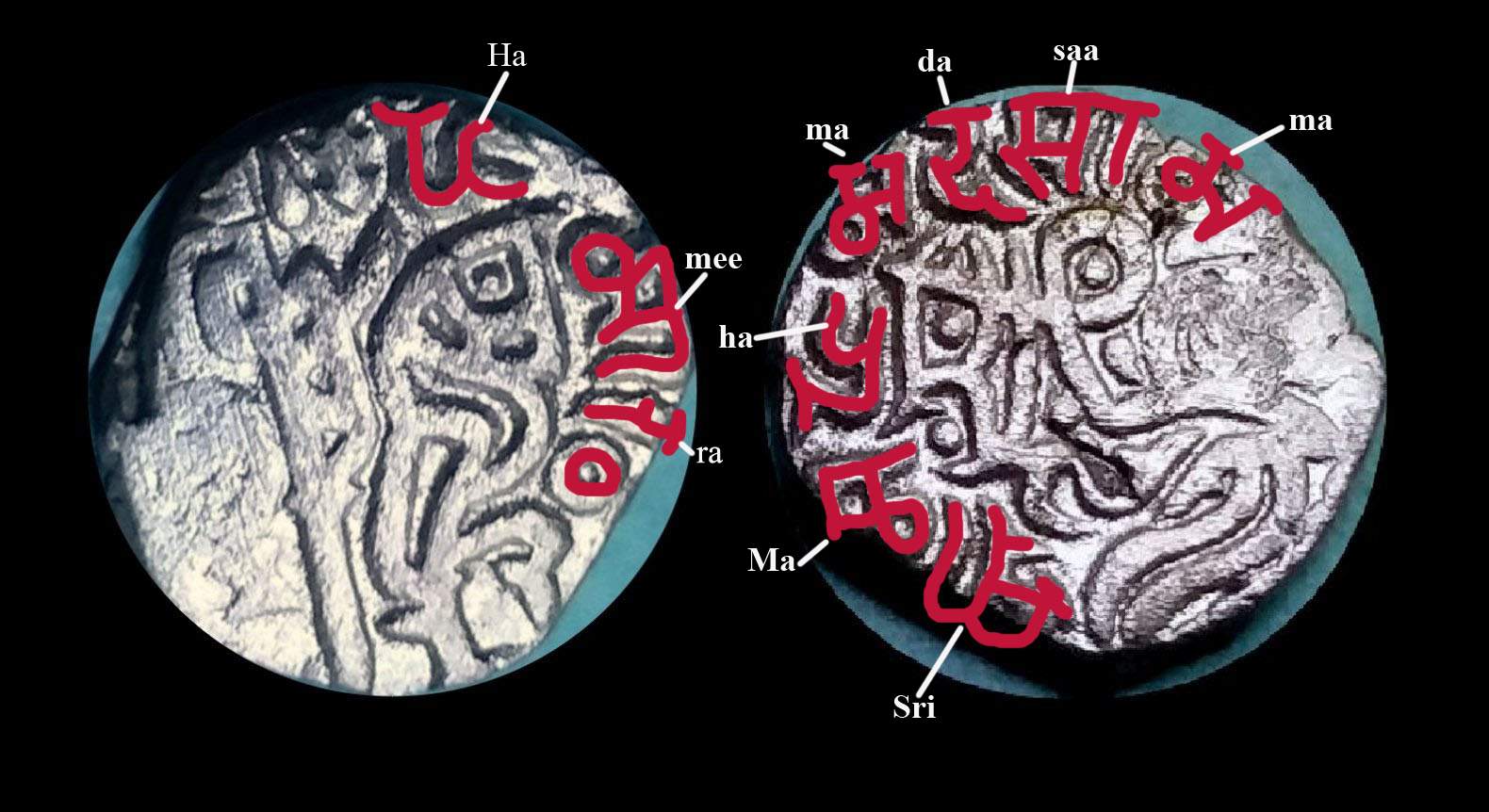 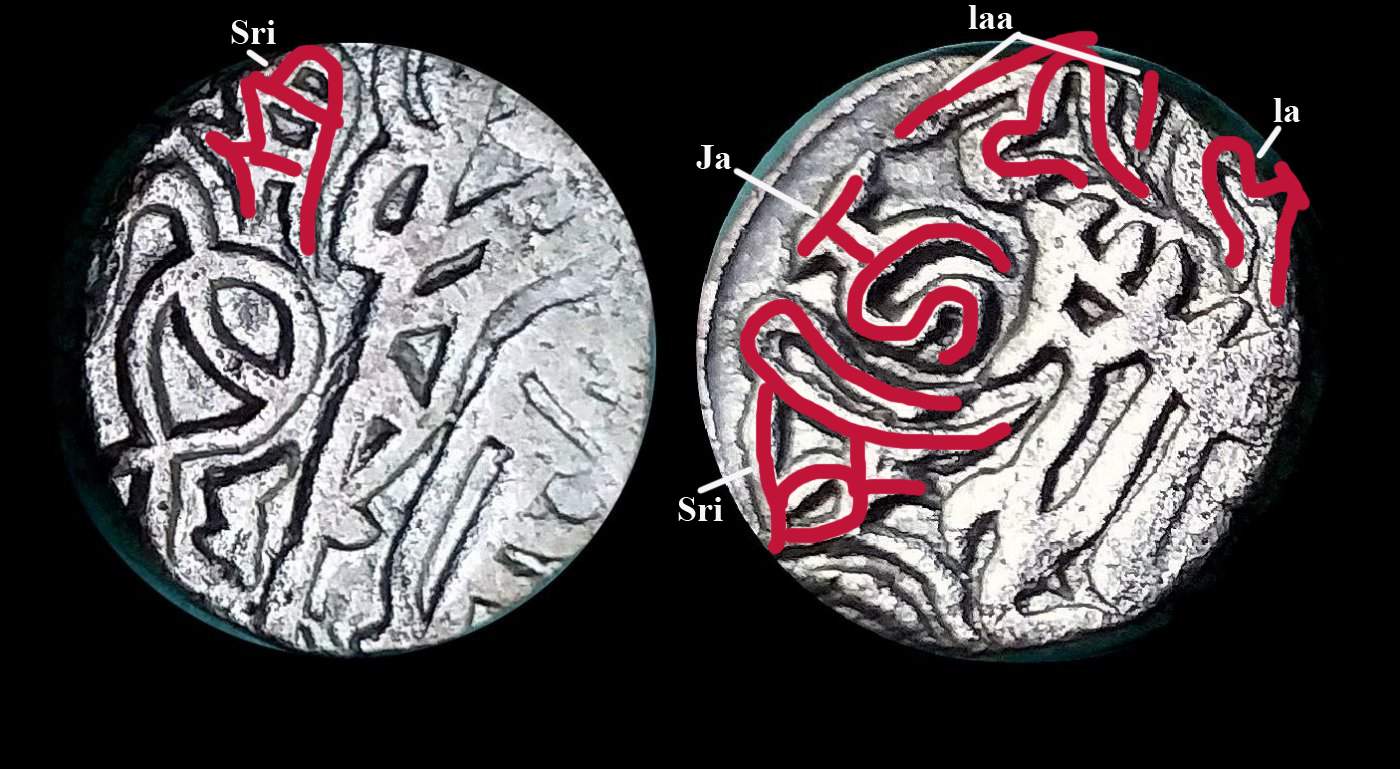 On Qubacha coin, the obv legend is "(kuba)cha suritana" = sultan Qubacha On Muhammad bin Sam alias Muhammad Ghori, it is on the obv "sri Mahamada saama" And on the Jalal ud din coin, it is " sri Jalala(dana)
Edited by drnsreedhar
09/20/2018 01:54 am
|
|
Pillar of the Community
Spain
2752 Posts |
Thank you drnsreedhar really appreciated.....Its so helpful to see the overlay...
I like this series of coins and due to your thread have been able to attribute the majority myself but theres always one that throws me...
1 question, any ideas what the 2 small circles are in front of the horse..is it a more stylised visarga?
I cant seem to find the Jitals book for sale though?
Thanks again Paul
Edited by Palouche
09/20/2018 03:19 am
|
|
Pillar of the Community
India
1996 Posts |
Dear Palouche:)In Sanskrit and some Indic scripts, visarga makes the end of the word sound a little differently. For eg: without visarga, the script reads "hamir" and if visarga follows it reads "hamirah". It is usually written as two vertically placed dots. It may be that they have been stylised into two vertically placed circles on these coins. In Devanagari, the rule is if a letter comes at the end of a word, it is pronounced in the root form without added vowel. If it comes anywhere else, it is read as root+vowel"a". Eg: Letters "de" and "va" written in a word in Devanagari will read "dev". If the same letters are written sequentially like "de" "va" "de" "va" it is to be read as "devadev". Here it is worth noticing the "anuswaara" written on Anangapala coins. "A" "nam" "ga" is written as "a","na" with a dot above the transverse line to make it "nam" and "ga". Please see this coin and the illustration below. https://www.coincommunity.com/forum...angapala.jpgAnangapala is written as below. 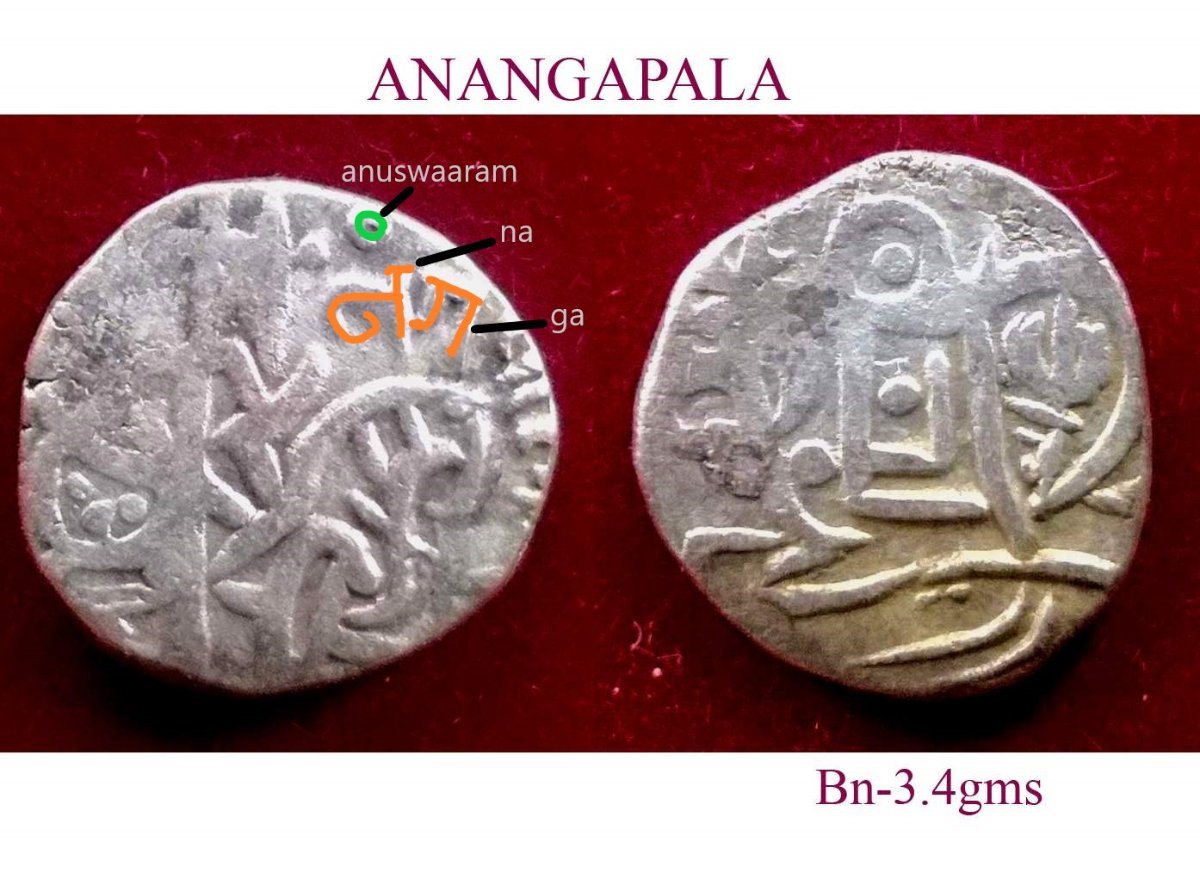 In writing, a dot called "anuswaara" is placed above the letter "na" to make it "nam". Please note on this coin that the dot is stylised to a circle. So it is my presumption that the circles after "hamir" may be the two dots of visarga modified. Thanks.
Edited by drnsreedhar
09/26/2018 08:35 am
|
|
Pillar of the Community
 United States
5029 Posts |
I do not collect ancients, but I come into this section of the forum frequently to look and drool. The overriding feeling I have every time I leave this section of CCF is one of being educated and leaving knowing more than when I entered. You ancient folks are a deep well of knowledge. Thanks for the lessons you all share with this community.  |
|
Pillar of the Community
Spain
2752 Posts |
Thanks drnsreedhar.... Here's a coin I thought I'd share it's another coin of Ghorids of Ghazna, Mu'izz al-Din Muhammad b. Sam, 1173-1203, Tye 185.... It shows the reverse horseman legend with the anuswaara above the ha and the visarga at the end. So I assume this now reads...Sri Ham/mee/rah.....? 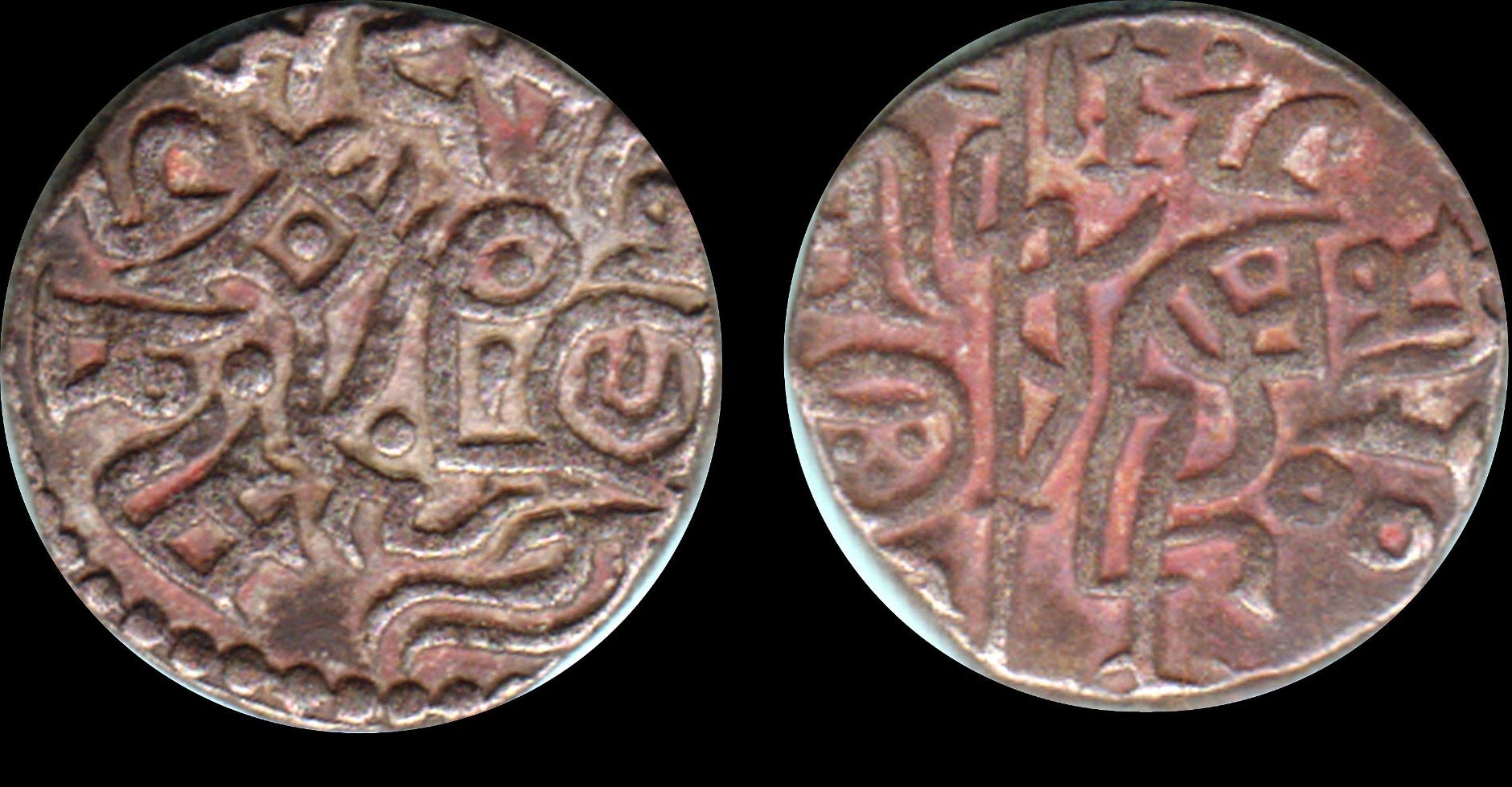 |
|
Pillar of the Community
India
1996 Posts |
Yes, Palouche,
The anuswaara above "ha" makes it "ham" and the correct reading with that is exactly as you have made.And the folks pronounce it "hameera".The anuswaara is not modified to circular form and that is anybody's guess. Thanks
Edited by drnsreedhar
09/30/2018 08:20 am
|
| |
Replies: 139 / Views: 52,991 |








 First Page
 Previous Page


 Posted 09/16/2018 05:44 am


