| Author |
 Replies: 10 / Views: 4,214 Replies: 10 / Views: 4,214 |
|
|
Valued Member
United States
76 Posts |
|
|
|
|
Rest in Peace
United States
17900 Posts |
|
|
Rest in Peace
United States
7075 Posts |
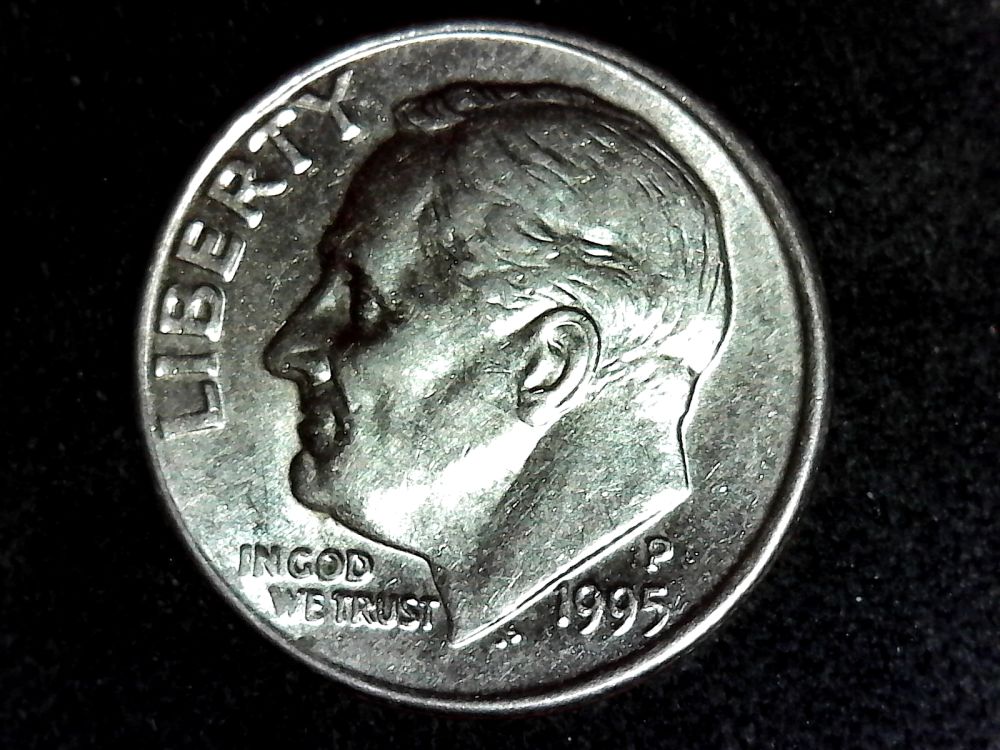
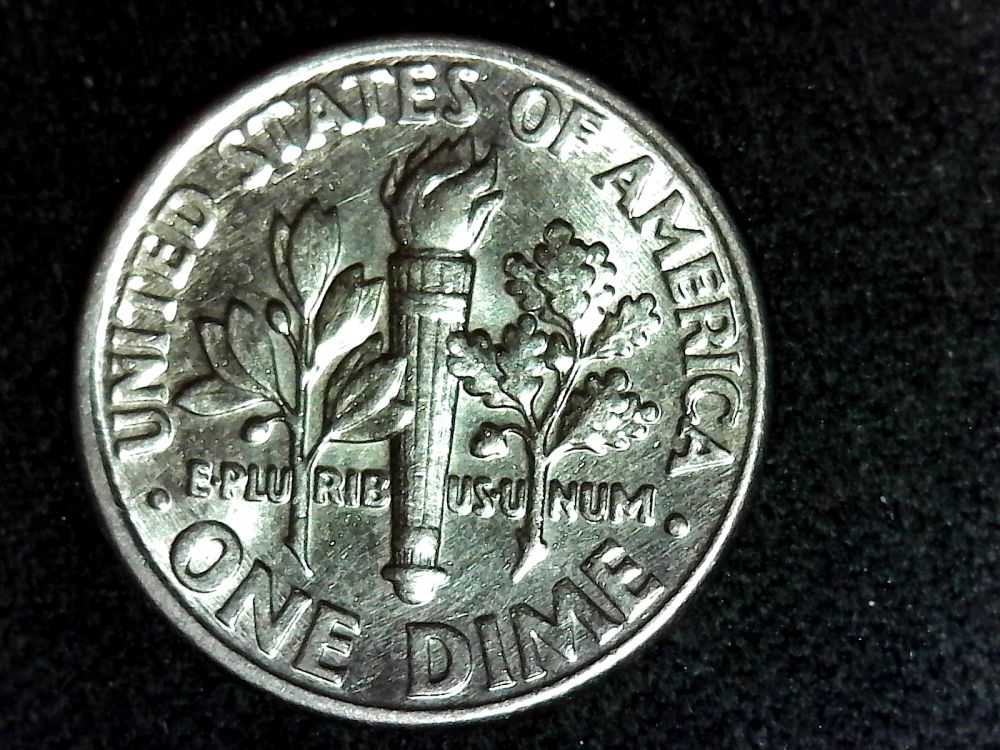
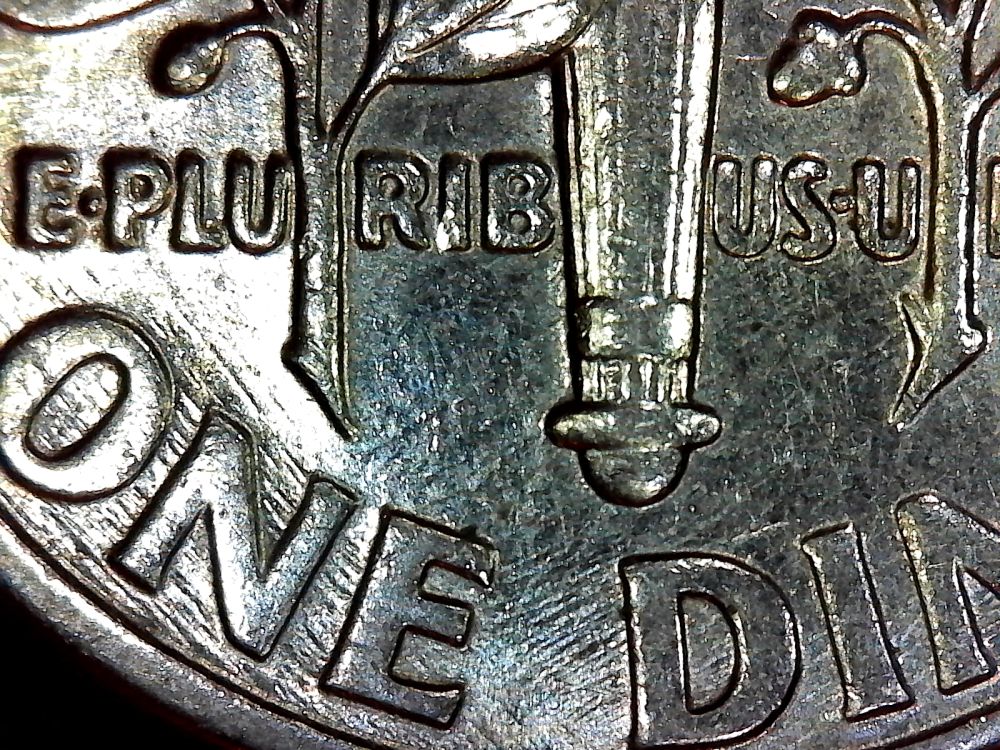
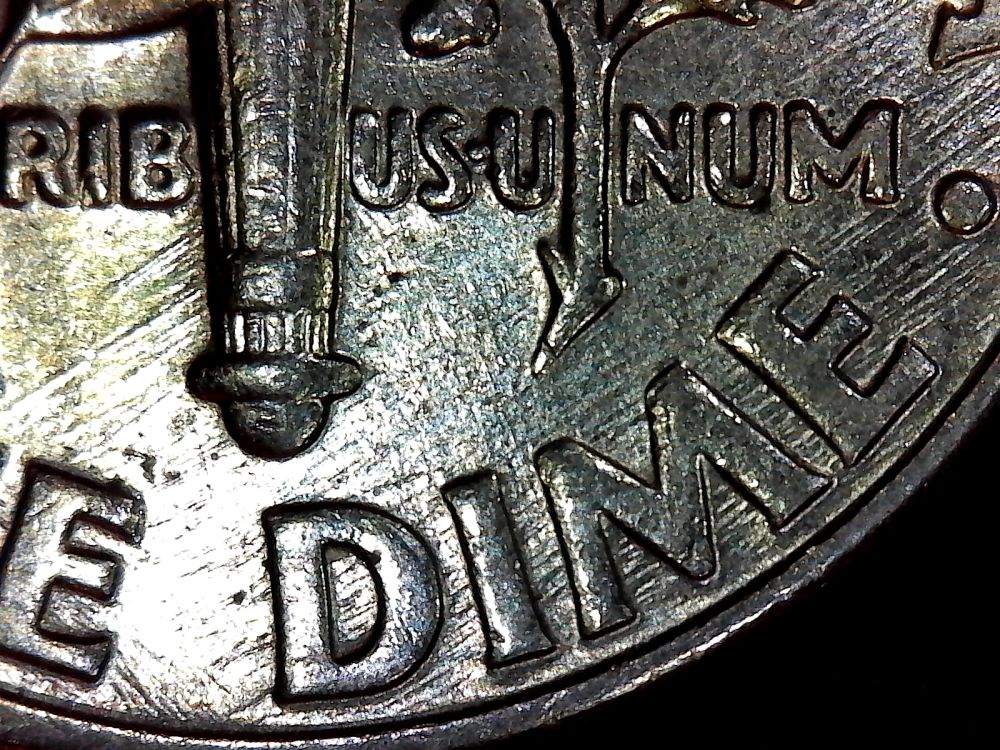
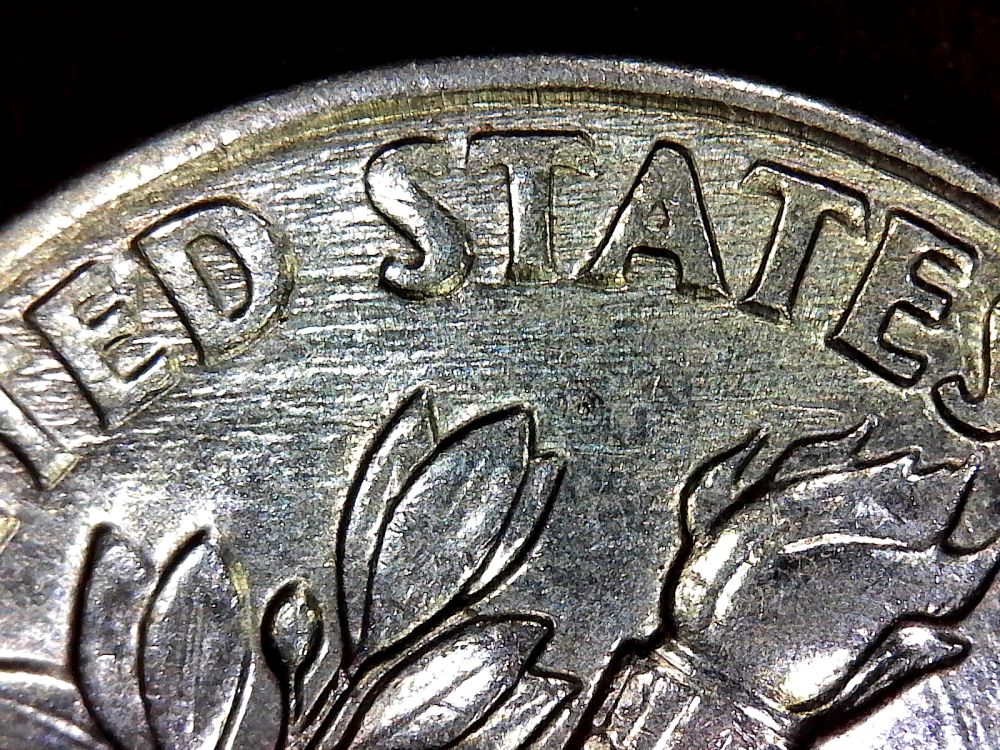
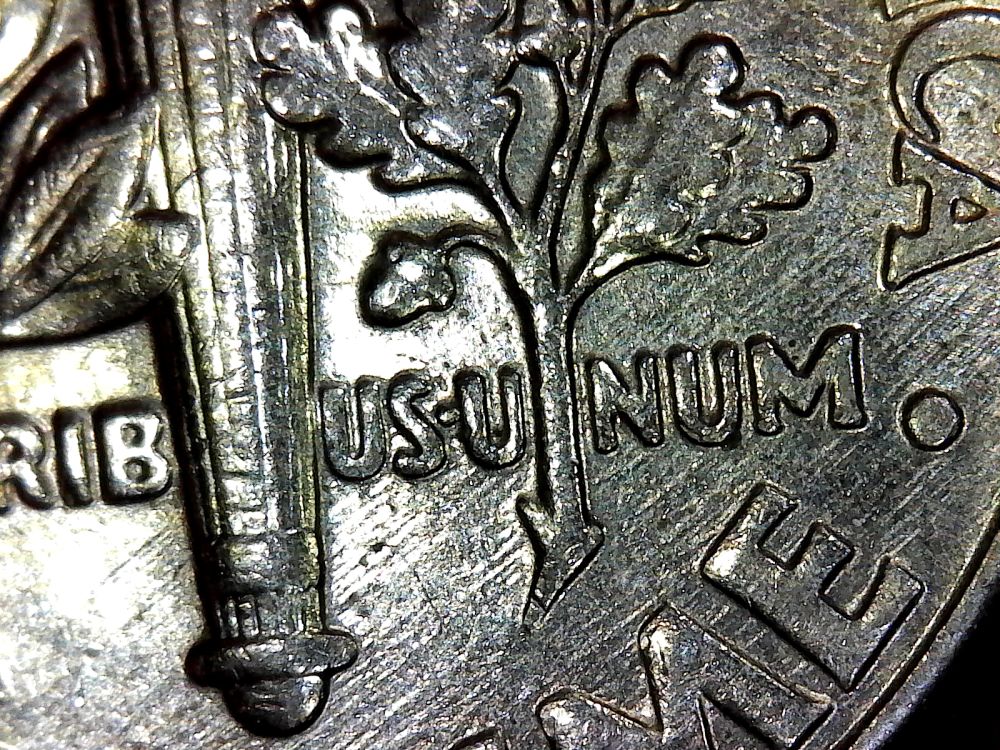
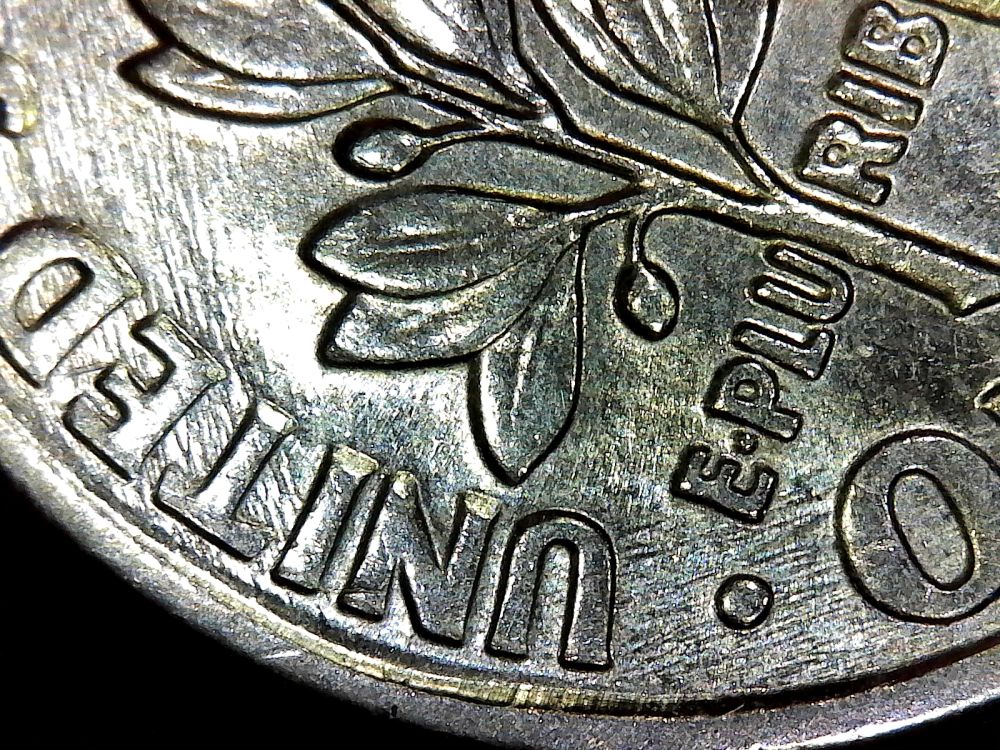
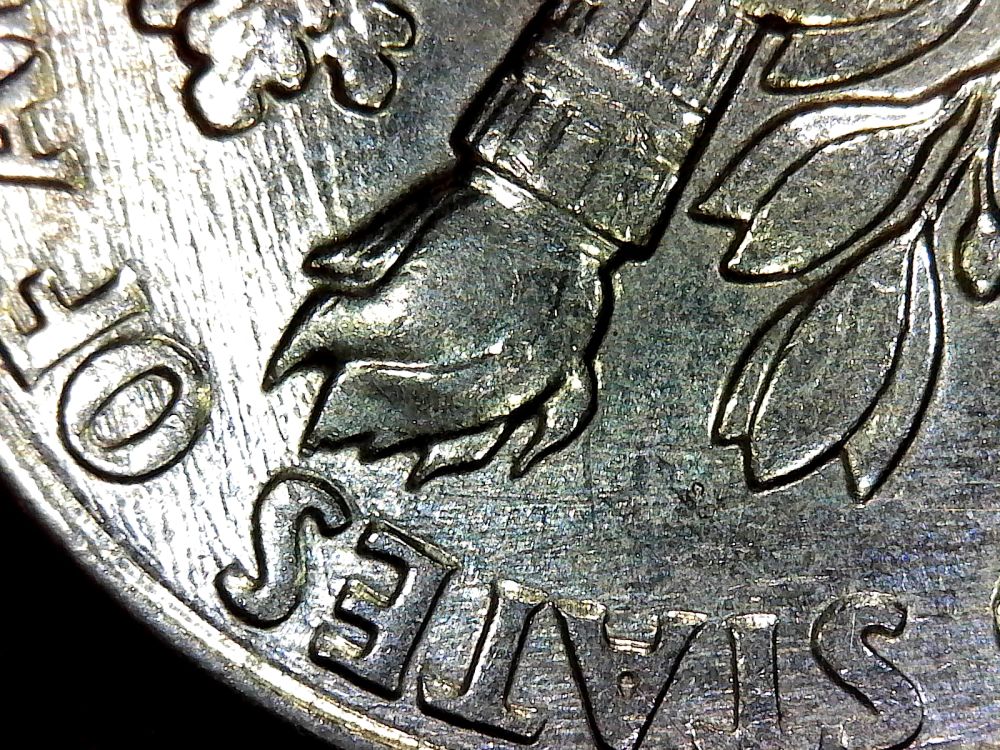
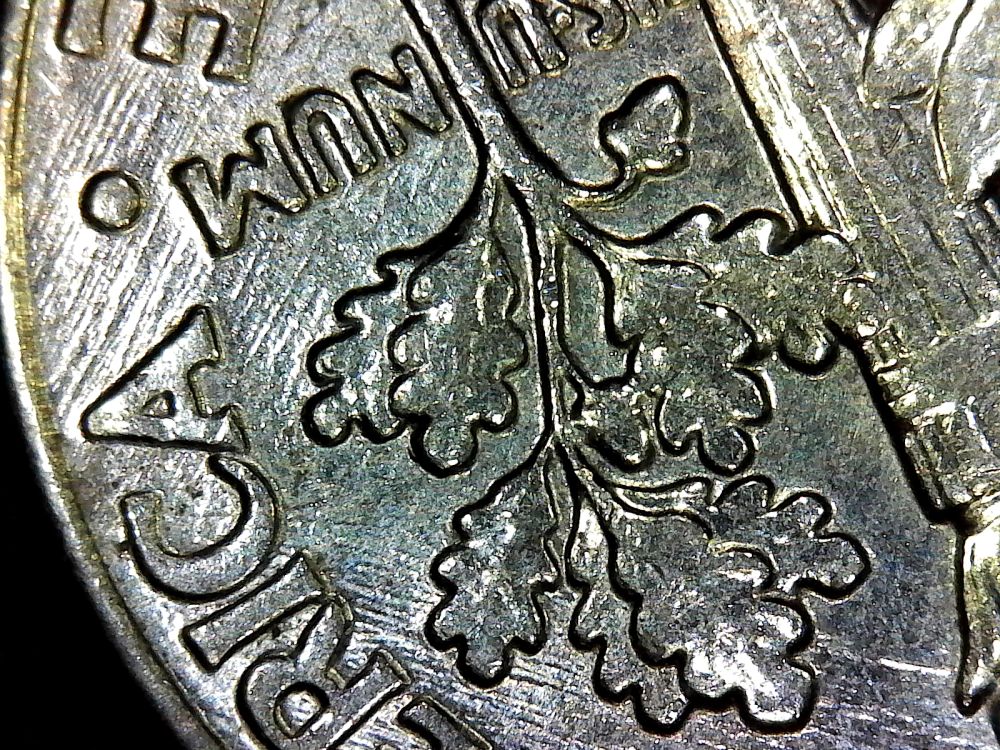
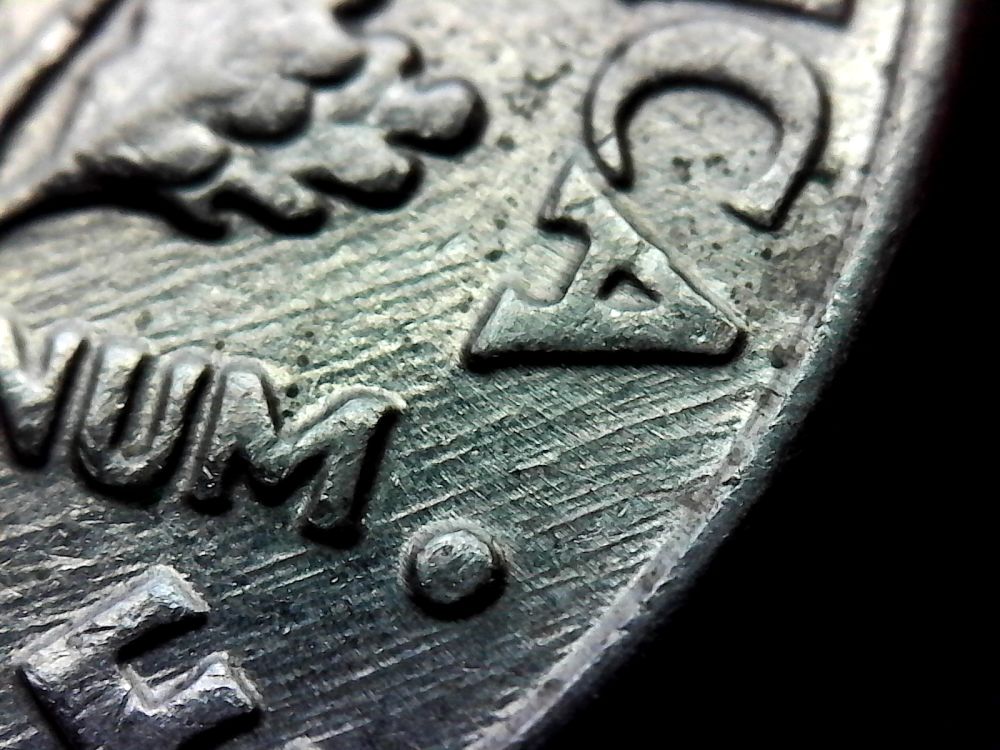
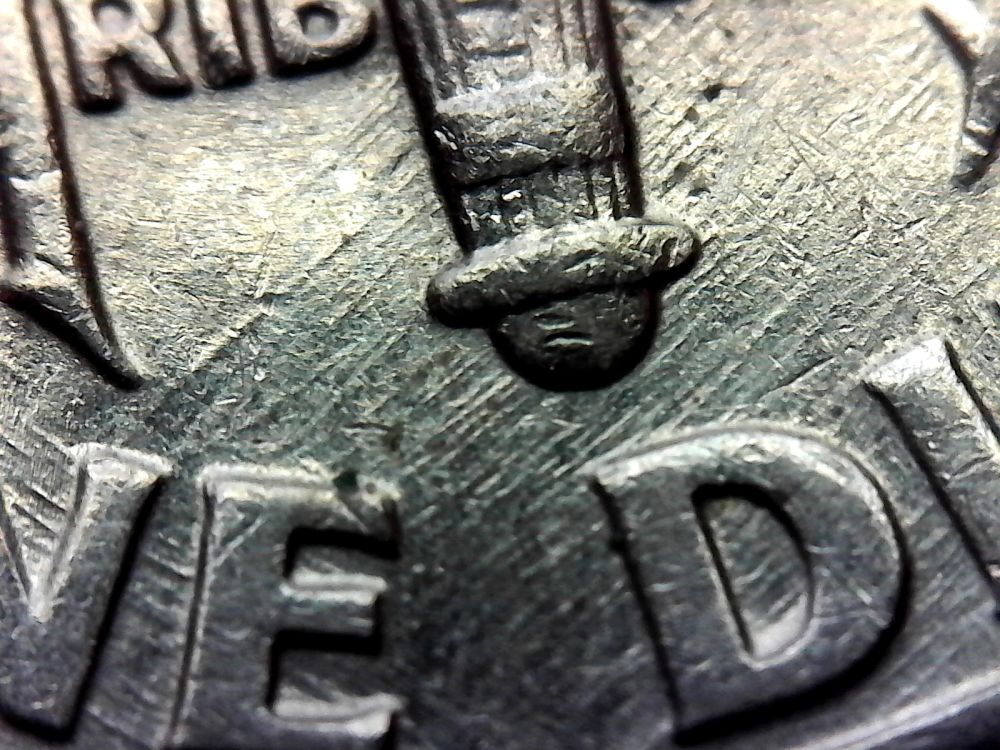
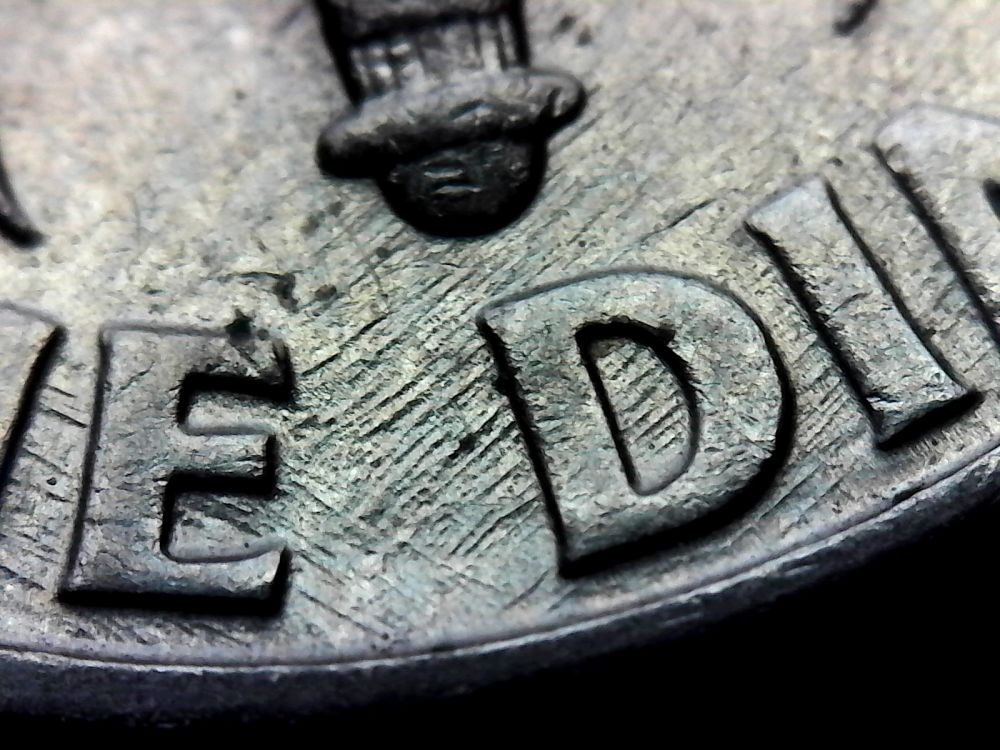
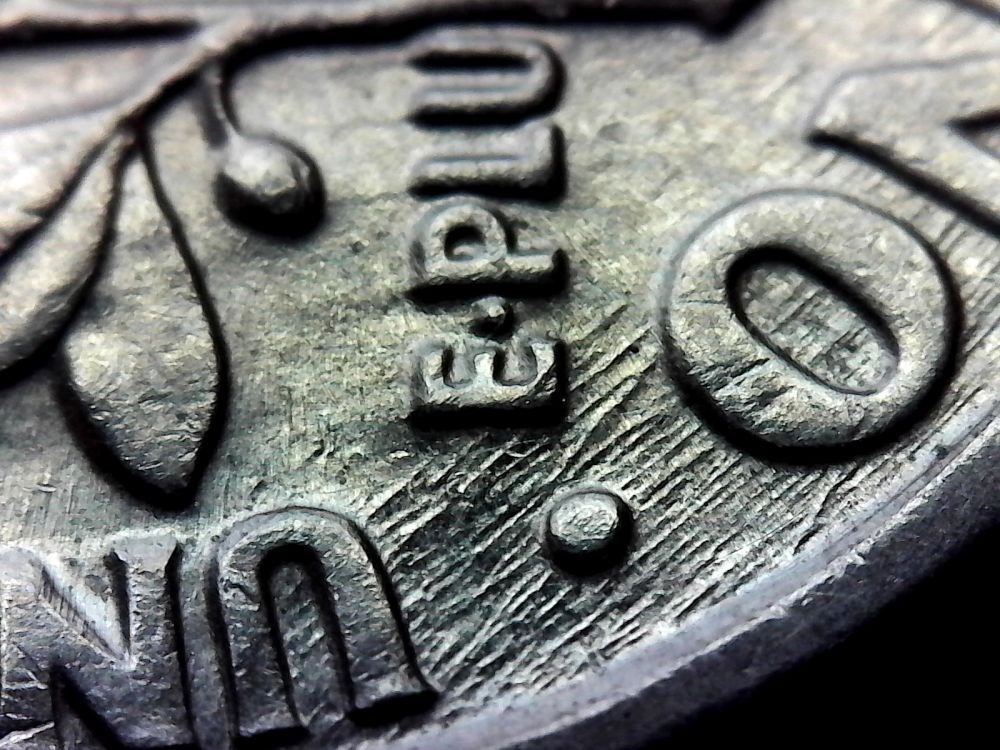
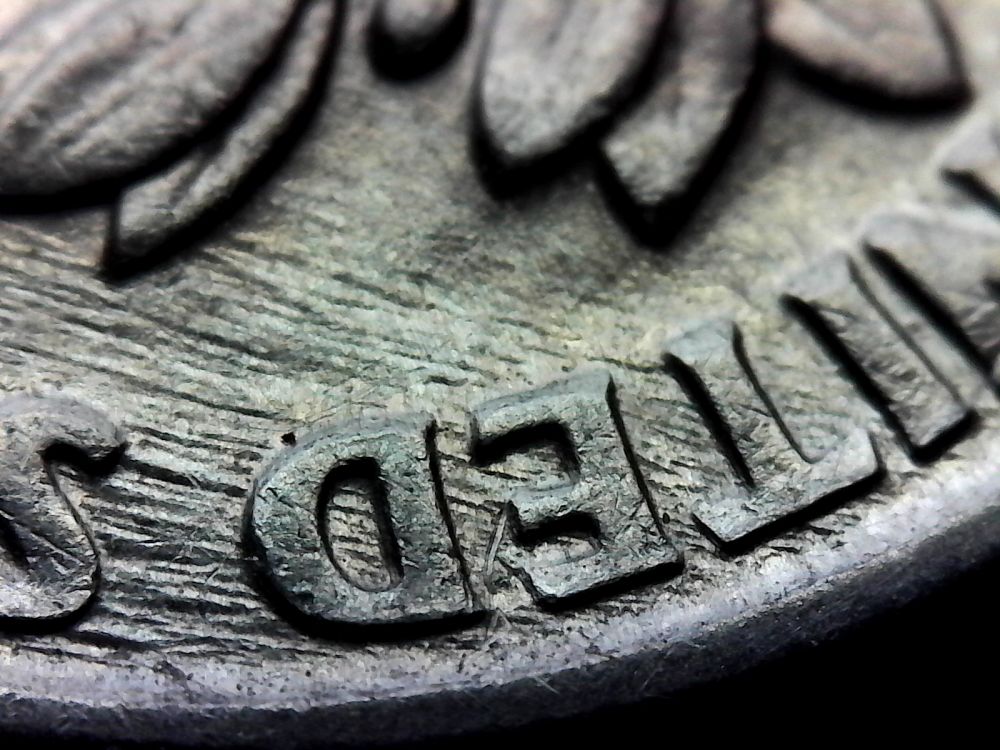
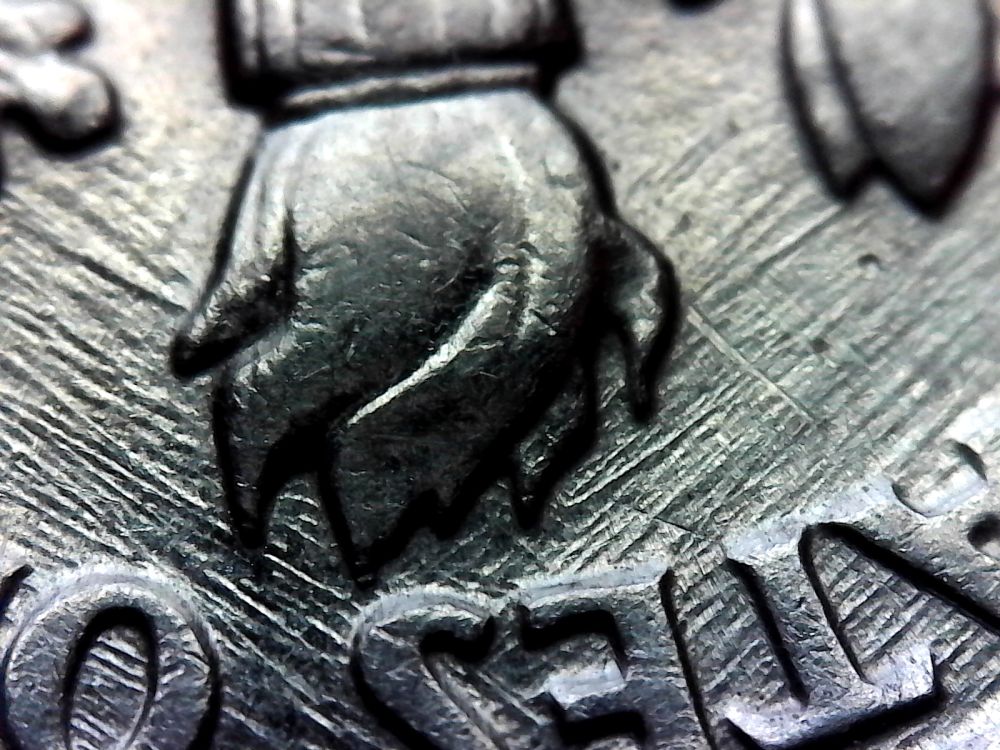
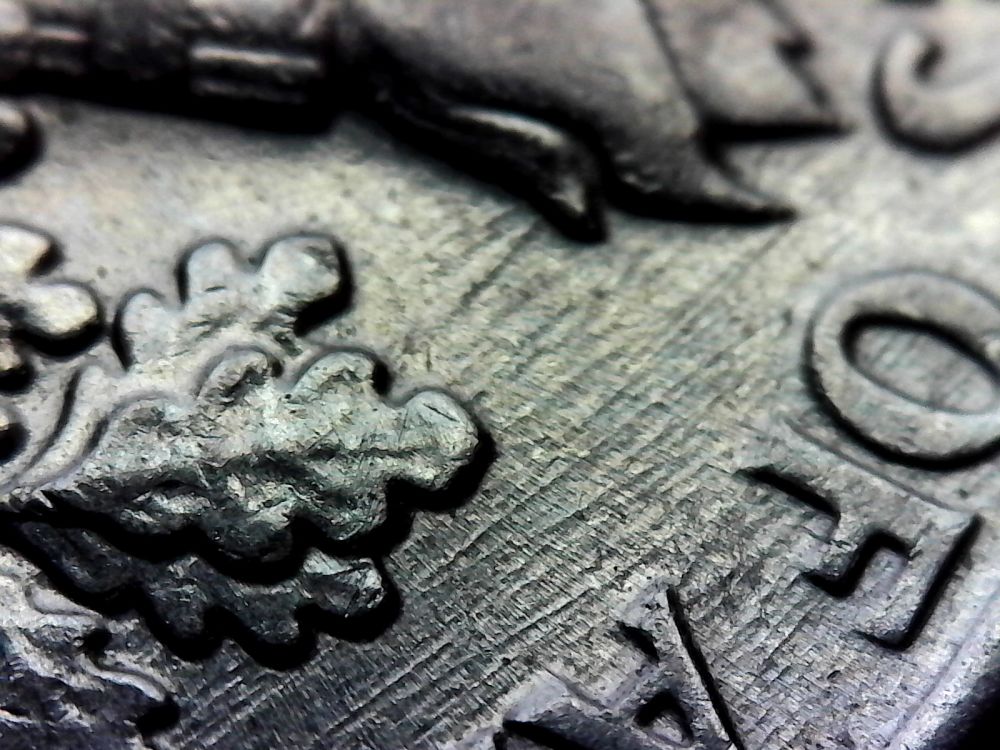
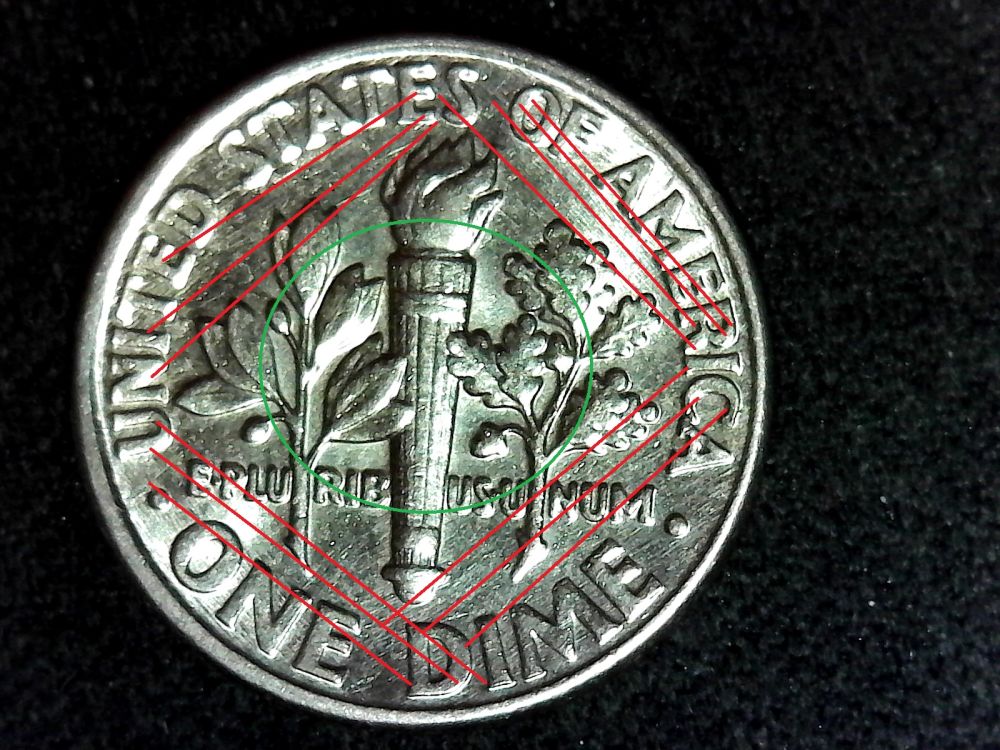
 Looks like wire brush marks. Not an error coin. Good pics. |
|
Valued Member
 United States
76 Posts |
So your saying the die was wire brushed? It's crazy how it goes in four different directions.
|
|
Valued Member
United States
226 Posts |
Chances are there was a die clash which would have left an outline of Roosevelts head. They would have had to wire brush/polish the entire circumference if the clash was strong enough. Below is a link to a clashed Roosevelt reverse. I found years ago. https://goccf.com/t/230006 |
|
Pillar of the Community
United States
3463 Posts |
That was a great find Jake!  |
|
Valued Member
United States
76 Posts |
So when they found these clashes being made they would scrub them off with a wire brush and polish it? Interesting, I would never have known that, thanks for the info Jake and nice find. You'd think someone at the mint would attempt to polish this die out again to get rid of all those scrapes before making more dimes. Its really cool how the scrapes on the outside fields went into four directions leaving the center fields all smooth (diamond shape. It was a "eureka" moment for me and I don't get them often.
|
|
Pillar of the Community
United States
3463 Posts |
They don't always leave deep scratches like that. Sometimes they can even polish away details from the die's surface and the coins minted with that die will be missing some of the original design's details. A great example of this is the 1922 plain Lincoln Cent. Die Pair #2 is suspected of having the D mint mark polished away after a die clash. The reverse die was replaced with a new one but the obverse was just polished. That's why the reverse of this coin has a sharp strike but the obverse appears worn, even in better grades. Edited by cwb
09/15/2016 12:05 am
|
|
Bedrock of the Community
United States
62064 Posts |
The story I heard was that they were give just a few dies that year and they had to keep polishing them as they were not getting more. So the obverse dies suffered.
|
|
Valued Member
United States
76 Posts |
Thanks for the information. Well I plan on keeping it as a future reference in case I run into more. I highly doubt I will find another like this one with die scrapes in multiple directions, overlapping each other with a smooth center. Pretty cool, it reminds of reading Coincents 2016P Rosie Feeder Finger/Die Scrapes thread but his are horizontal and in the center on the reverse.
|
|
Bedrock of the Community
United States
17884 Posts |
What you are seeing is something the mint called "stoning" of the dies. Sometimes to remove clashmarks they would use an emory stick with coarse abrasives to scour out the marks. Now ideally this would be followed with finer abrasives and eventually polishing with a circular lap to remove all the scratches left by the coarse abrasives. (Polishing out heavy clashmarks with the fine polishing lap would that forever.) Well that didn't always happen, maybe they forgot or were pressed for production and the coarsely abraded dies were put back into service. We call all of these marks coarse, fine, or almost invisible, die polish lines. Although in the early stages they really aren't "polishing".
|
| |
Replies: 10 / Views: 4,214 |
|










 Posted 09/14/2016 7:27 pm





