| Author |
 Replies: 480 / Views: 54,272 Replies: 480 / Views: 54,272 |
|
|
|
Pillar of the Community
 United States
6514 Posts |
Awesome stuff. Thanks for sharing.
|
|
Moderator
 United States
196327 Posts |
Very interesting!  |
|
Pillar of the Community
 United States
574 Posts |
Here is something that I acquired a little while ago. It is a 1915 Mexican Revolutionary Cardboard 5 Centavos Piece from Toluca. Sorry for the photo quality, this one proved to be hard to photograph well, the details look better in hand. 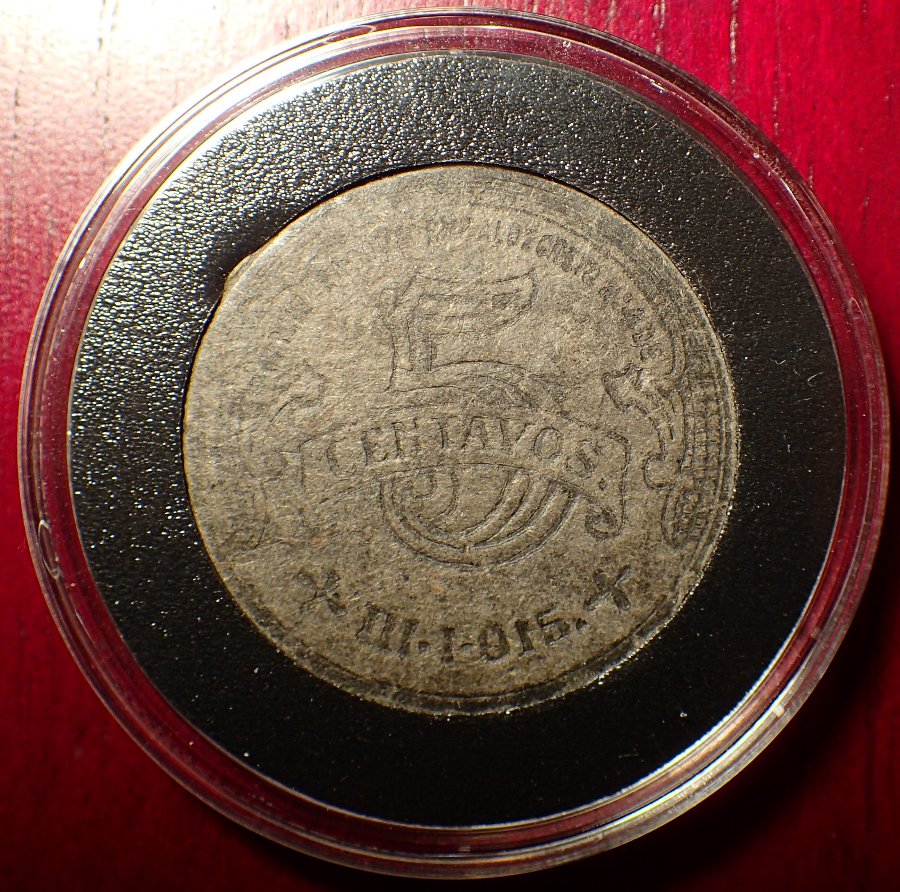 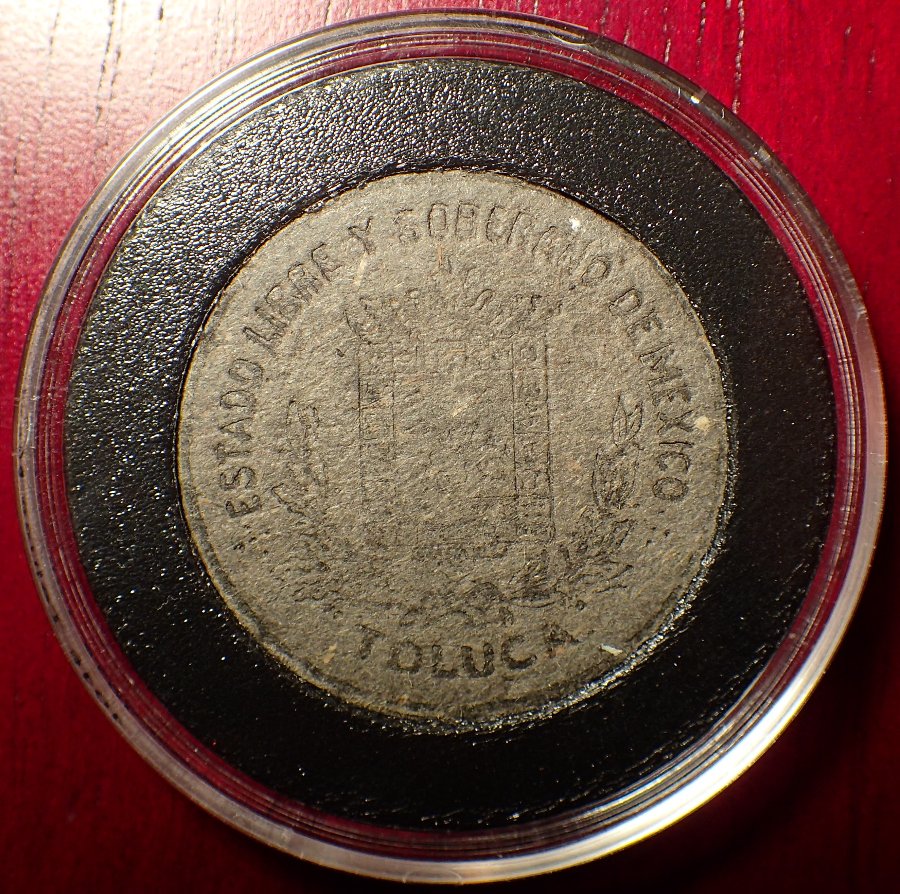 Edited by casualcoincollector
02/11/2021 01:30 am
|
|
Pillar of the Community
United States
6514 Posts |
Cardboard?! Seriously? Now I've seen it all. They would have minted on anything on hand.
Check out my counterstamped Lincoln Cent collection: http://goccf.com/t/303507 |
|
Moderator
United States
196327 Posts |
Impressive! |
|
Valued Member
United States
333 Posts |
That one is pretty neat -- a lot of Mexican 'notes' from those times are rectangular cardboard stock. It looks like it might be incuse, suggesting it was actually struck which is not common for cardboard items.
|
|
Pillar of the Community
Russian Federation
5186 Posts |
Quote:
It looks like it might be incuse, suggesting it was actually struck  |
|
Pillar of the Community
United States
574 Posts |
Yeah, it is incuse and definitely a struck piece although this one has kind of a weak strike in my opinion. It is also one of the few nonmetallic coins listed in Krause.
Edited by casualcoincollector
02/12/2021 02:25 am
|
|
Valued Member
United States
333 Posts |
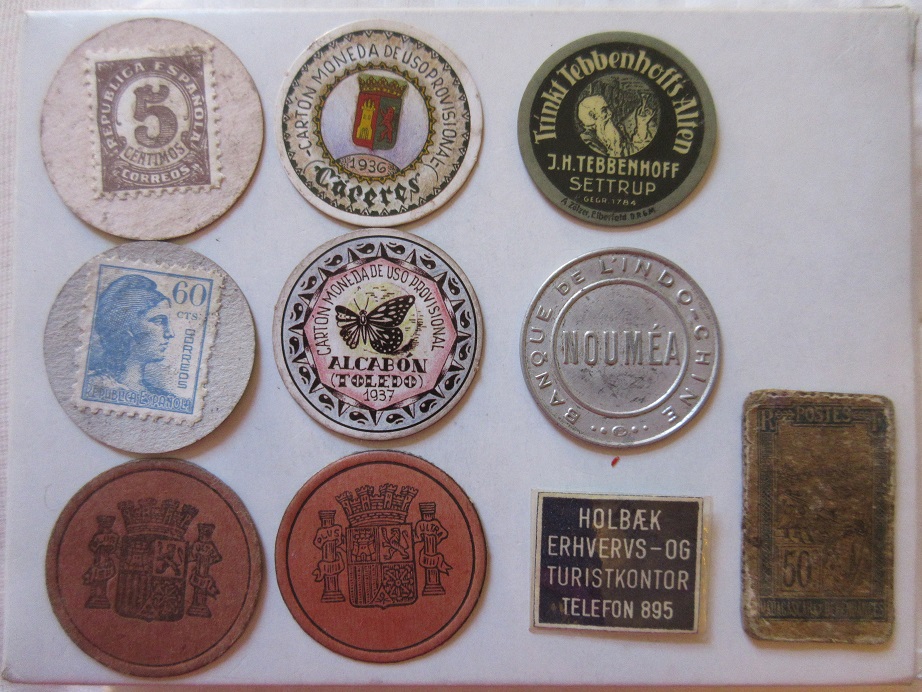 A few random-ish encased postage stamps. On the left are Spanish ones, which are easy to get a hold of. The colorful ones are a bit better than the plain ones at the bottom. At the upper right is a German one, also easy to find but worth more than the Spanish ones. Below it is a New Caledonia stamp from when it was a French possession, and that one is pretty valuable. Below that, a Danish one. These types are very common. The one at the lower right is from Madagascar. Those are pretty rare and worth a fair bit even in the terrible shape that that's in. |
|
Moderator
United States
196327 Posts |
Nice examples! |
|
Valued Member
United States
333 Posts |
You've probably seen these. They're wooden flats and the ones with a pretty distinct 'treading' on them. 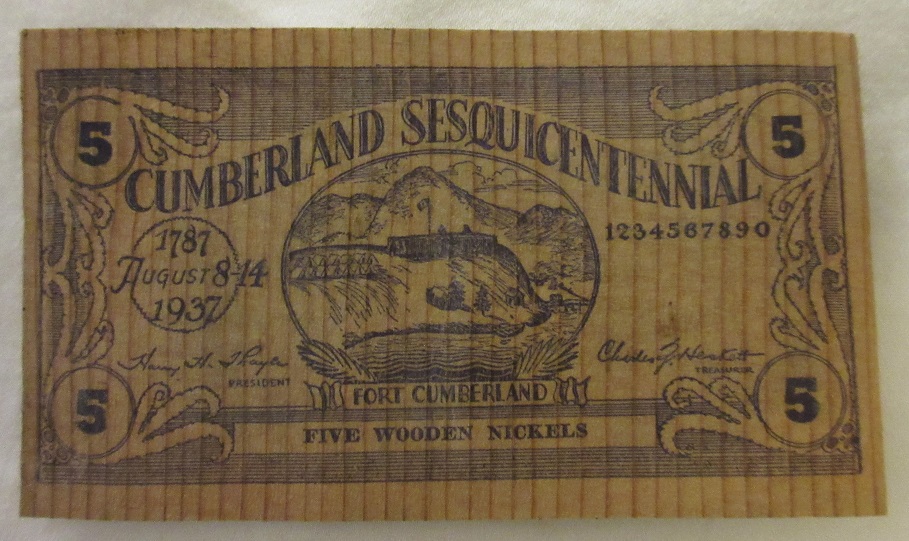 I just discovered something neat going through some I just got in a lot of them. 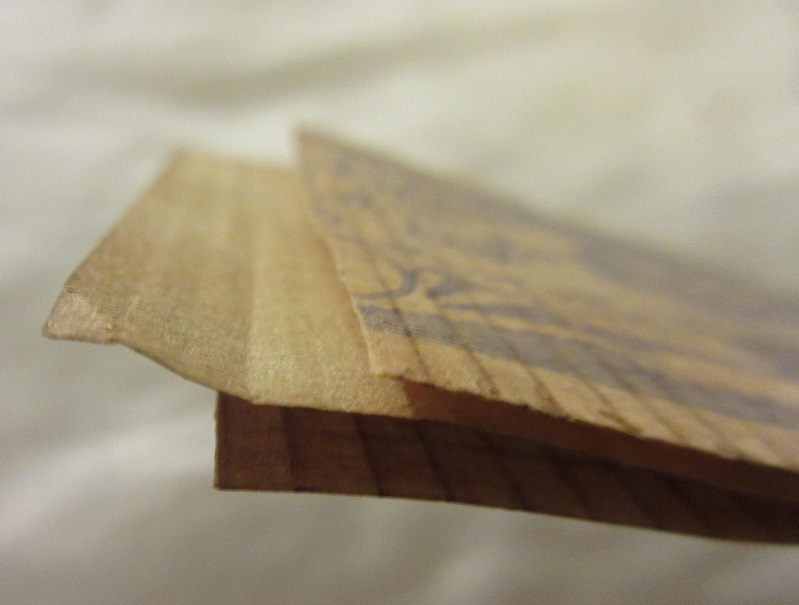 These are peeling apart and they have three layers to them. The interesting thing is that the middle layer is paper, thus these are made of two layers of wood and one of paper. A lot of depression scrip is made of this sort of thin ply as well, but the ones I know of are just two layers of wood directly bonded together. |
|
Moderator
United States
196327 Posts |
Quote:
You've probably seen these. They're wooden flats and the ones with a pretty distinct 'treading' on them... Very interesting! |
|
Valued Member
United States
333 Posts |
|
|
Moderator
United States
196327 Posts |
Very interesting! |
|
Valued Member
United States
333 Posts |
Two recent medals from Australia. 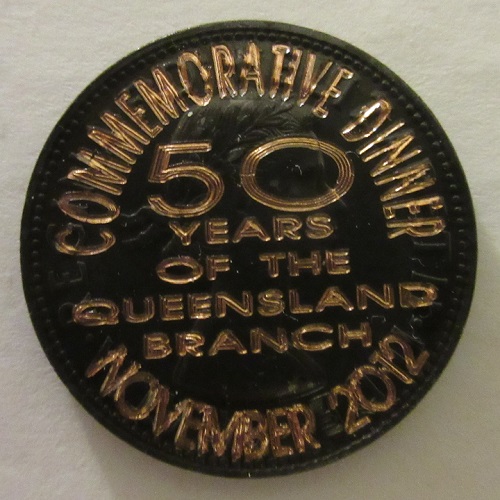 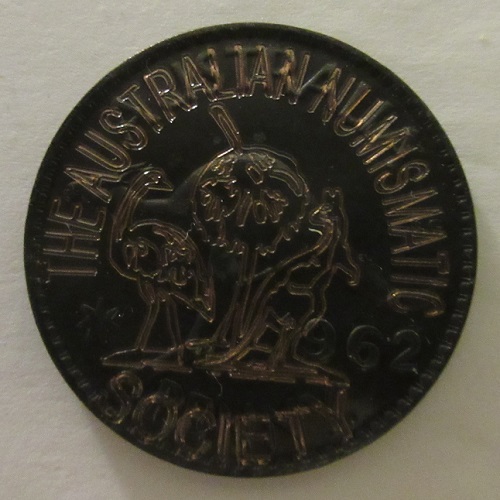 The ANS came up with this medal, celebrating their 50th meeting, by lacquering a penny and engraving it. (Thus, it's a medal made of a penny.) 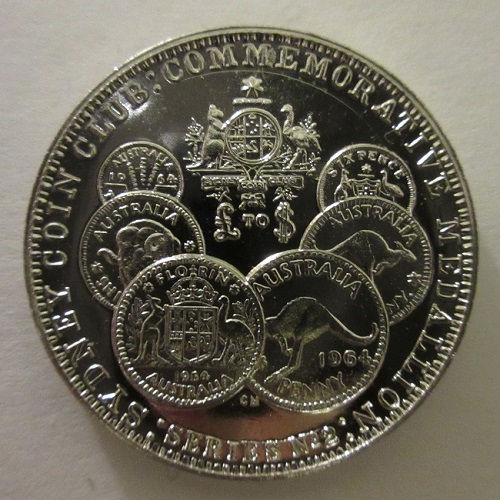 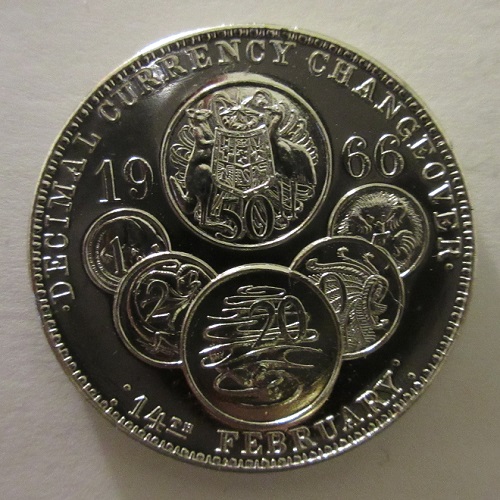 Some older medals commemorating decimalisation were cadmium-plated. They're extremely shiny and do not corrode, I'm told. Edited by nautilator
05/09/2021 1:51 pm
|
| |
Replies: 480 / Views: 54,272 |






 First Page
 Previous Page


 Posted 02/05/2021 10:55 am