Been a while since I added anything here.
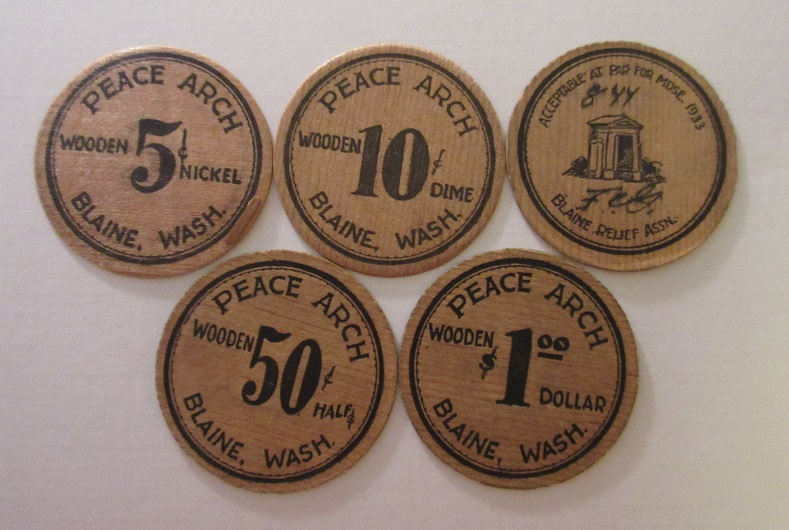
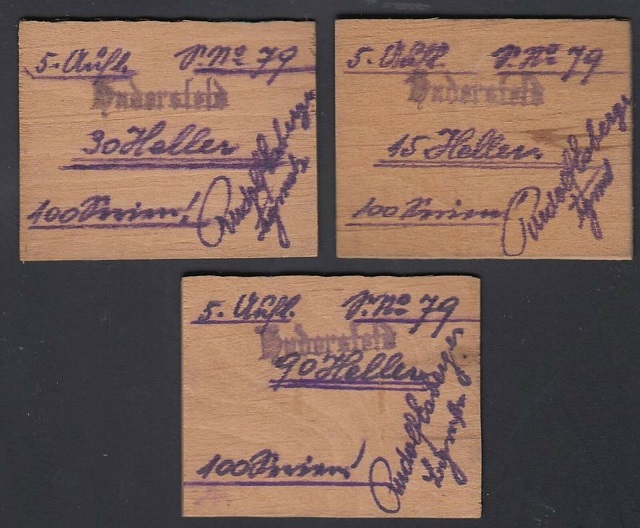
Blaine's wooden depression scrip. These are fairly common (that goes double for the reprints) but I don't think these have been added to this thread yet.
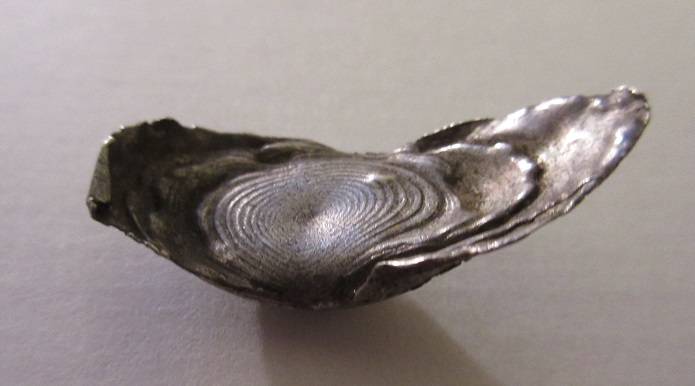
Though not an unusual material, it's unusual and noteworthy due to its material. Sycees are boat-shaped ingots cast in China on a local level. Many are silver (including this one) though some of the really nice ones are gold. This one doesn't have any identifying marks which is probably why it was on the cheaper side...
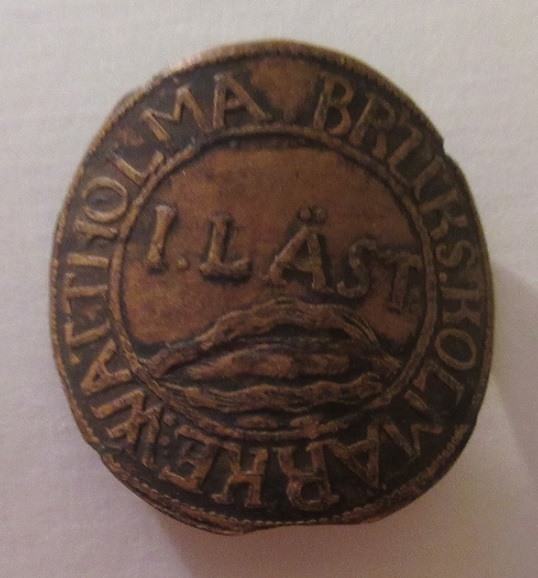
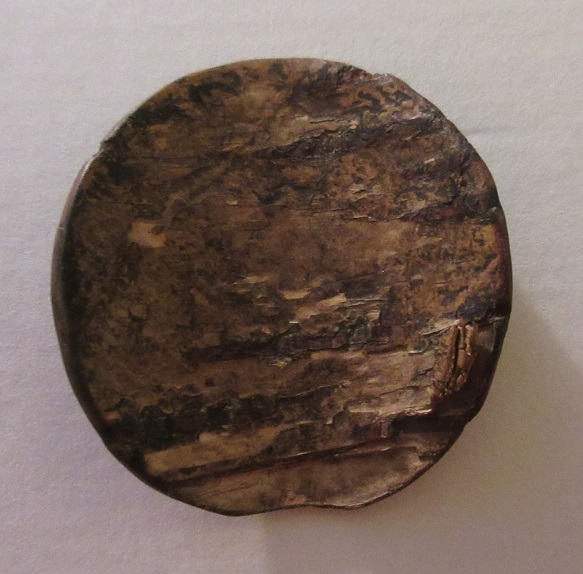
Swedish birch bark token from c. 1670. There are at least six different Swedish birch bark tokens, this one is likely the most common of them (which is not to say it is common, mind you!). Naturally curled. 1 last = 12 barrels of coal.
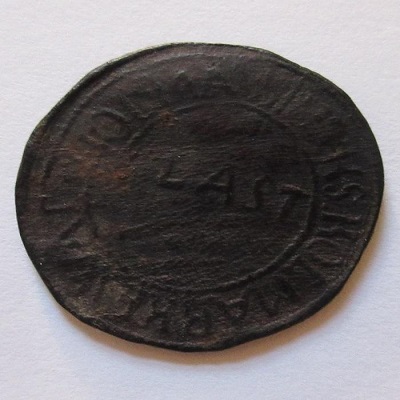
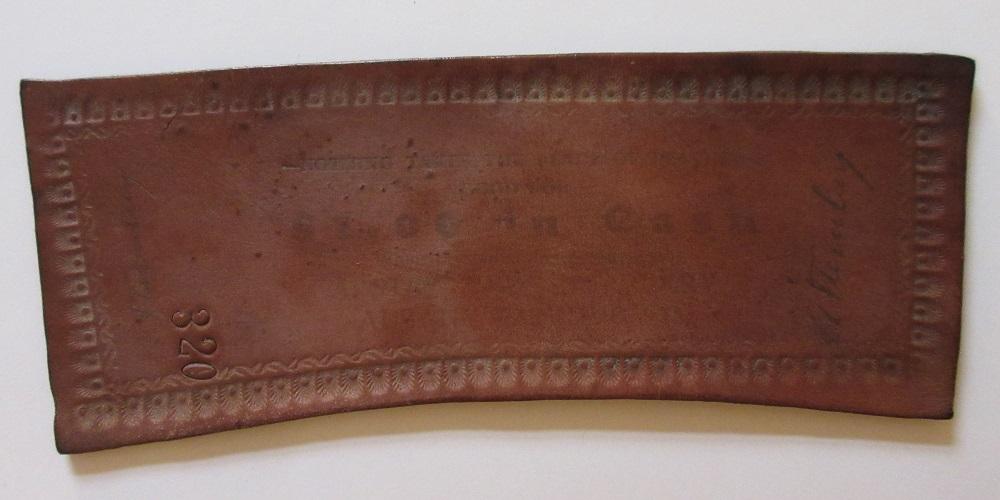
Not long after the birch bark token above, they switched over to leather tokens. Probably distorted, may be part of how they end up as the years go by. This is probably the oldest ownable leather item one can reasonably get a hold of.
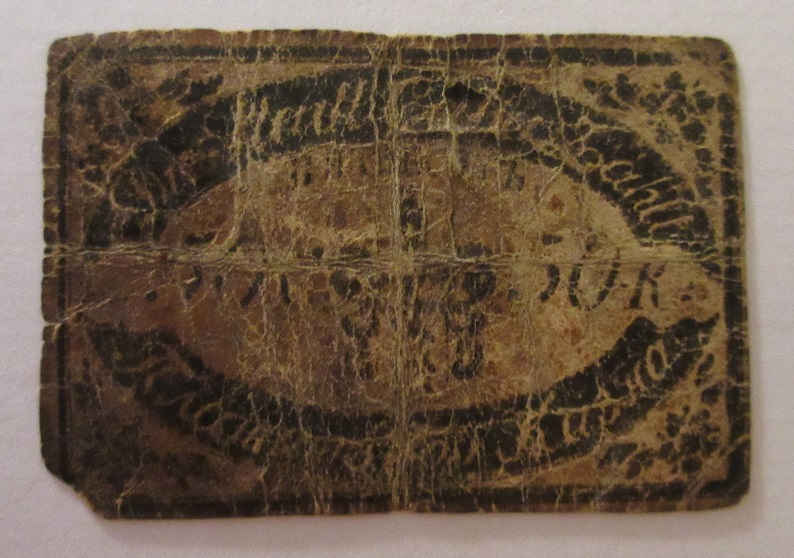
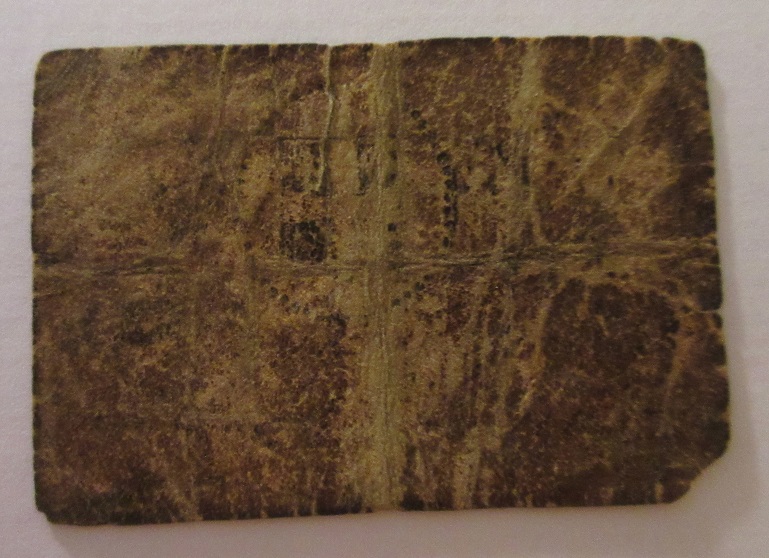
This is another Estonian locally-issued leather scrip, slightly older than 200 years. Not in great shape but these are not exactly common to begin with. It has a shield on the reverse.
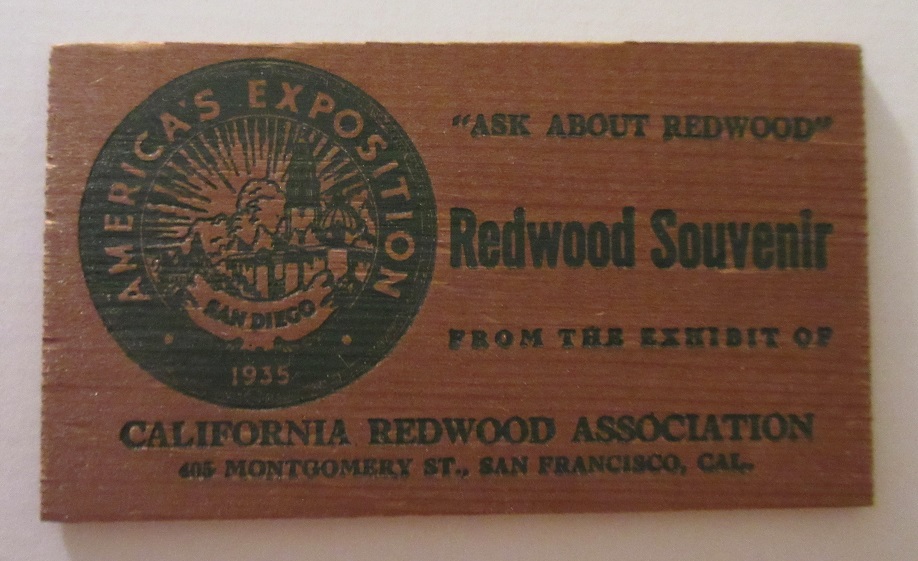
Redwood souvenir, not that hard to get a hold of.
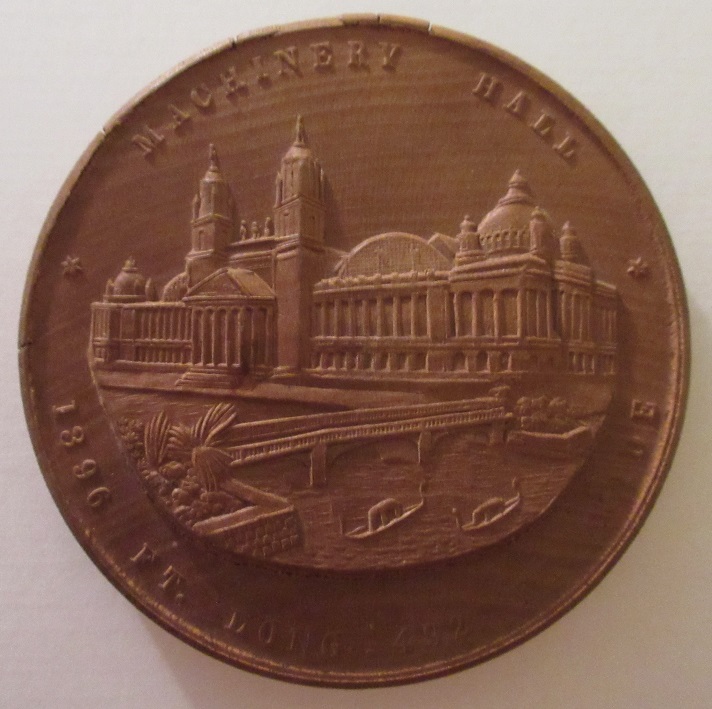
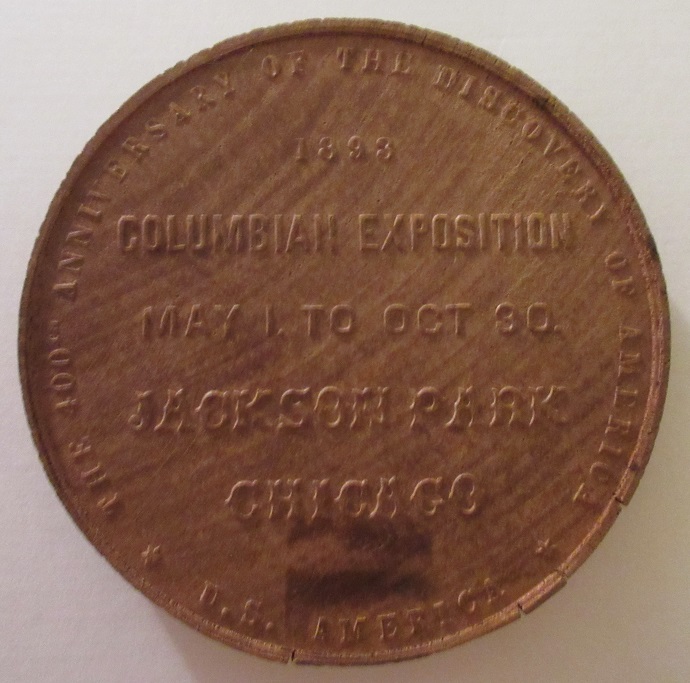
Large Chicago Expo wooden medal. This and other wooden medals of that time are far less known than the Philadelphia centennial ones.
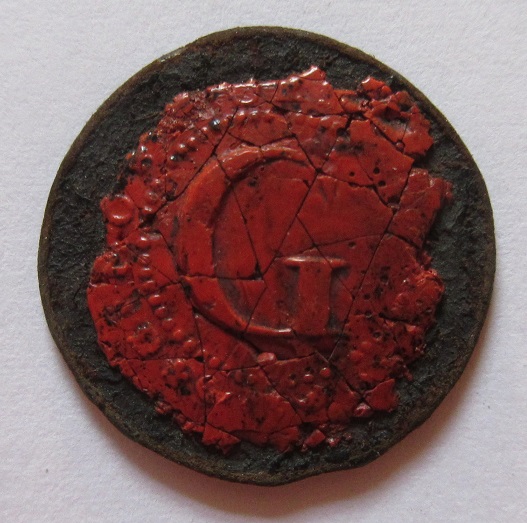
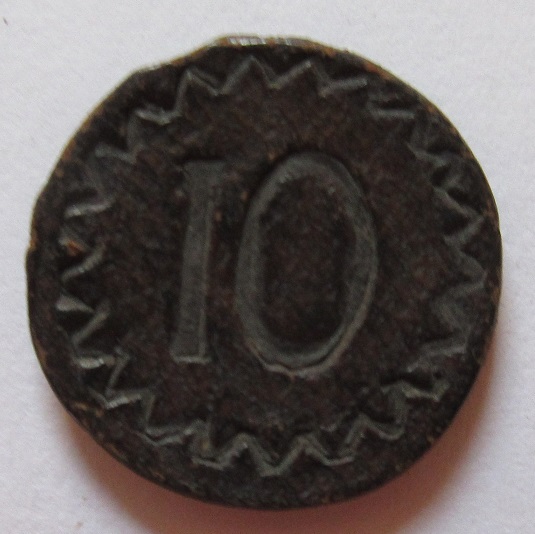
Swedish leather and wax token, good for 10 tons? barrels? of coal, probably about 300 years old. These are actually quite neat because all the identifying information (town, etc) are actually part of the wax (though that has broken off of this one). A similar Swedish token is made the same way, but wood instead of leather.
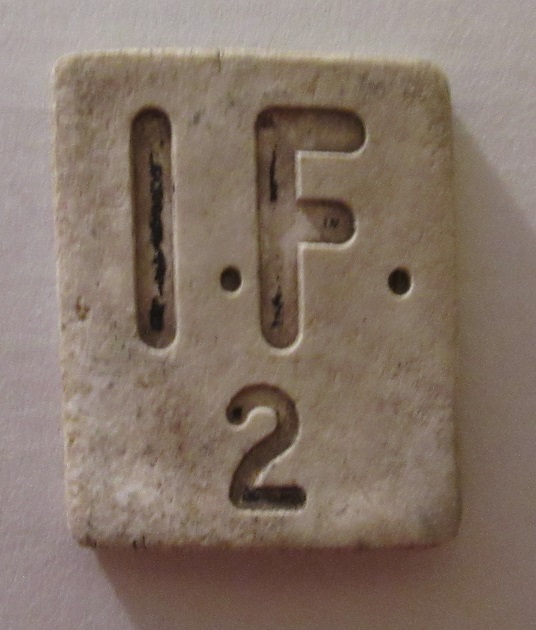
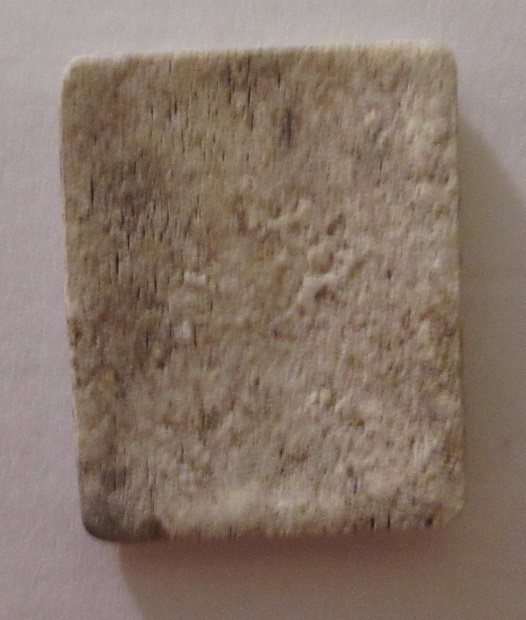
I was told that this nondescript Canadian token is made of whale bone. While I have no additional information about it, that smells about right.
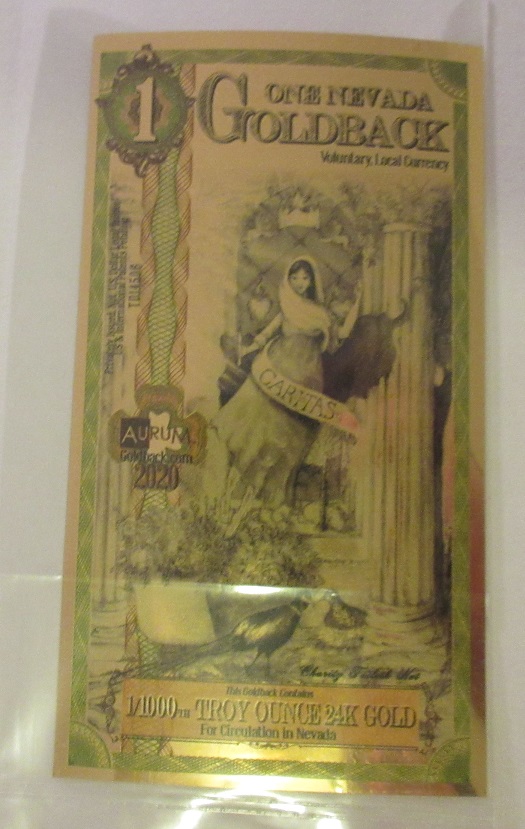
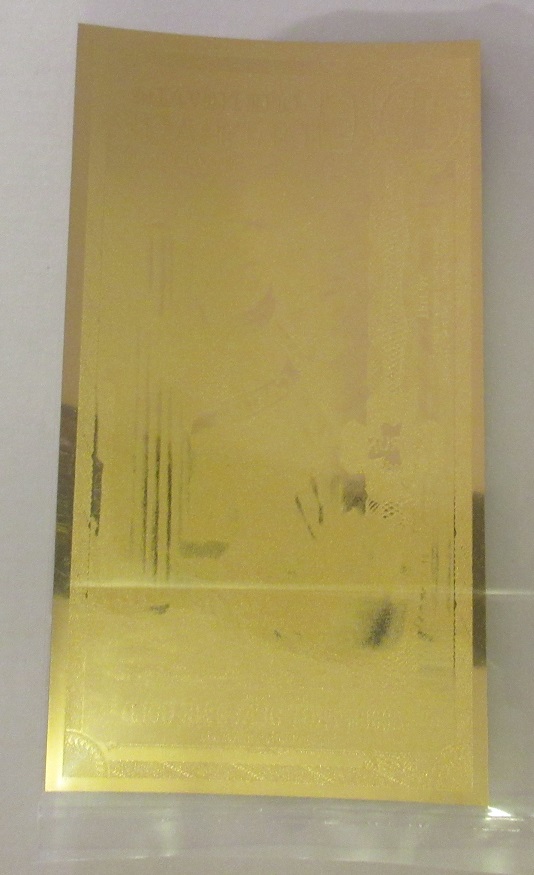
Goldbacks have been out for about 2 years now and were made so there would be small units of gold out there. Naturally, they're sold at dramatically more than their gold value. They're quite beautiful to see and I can't get a very good picture of it. These are technically plastic-plated gold.
Some island in the Caribbean issued gold and silver leaf NCLT currencies a few decades ago, but I never got to look into it and forgot who did it.
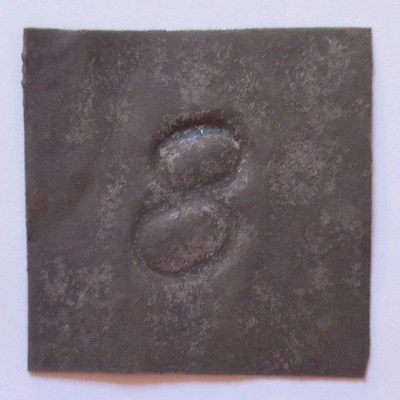
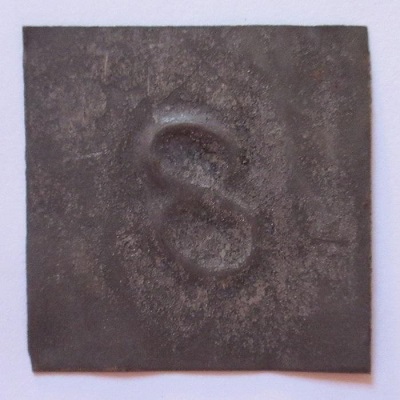
This is one of a set of Swedish tokens used in the Dannemora Mines c. 1850-1870. They're tin-plated steel, which is very commonly seen in British co-op tokens but I had otherwise not seen this material used elsewhere.
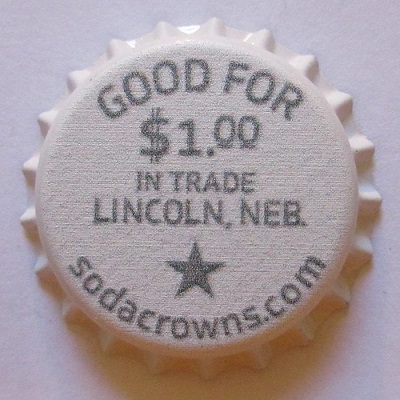
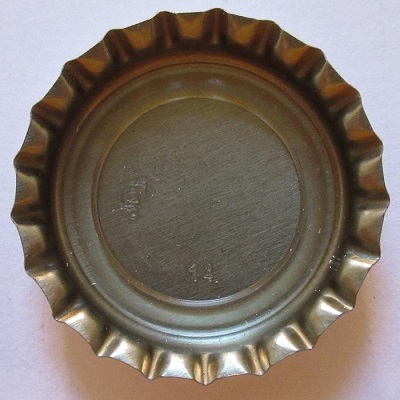
Someone who sells soda caps got the bright idea recently to print up trade tokens on bottle caps. I asked him to verify and yes, these are legitimate trade tokens.
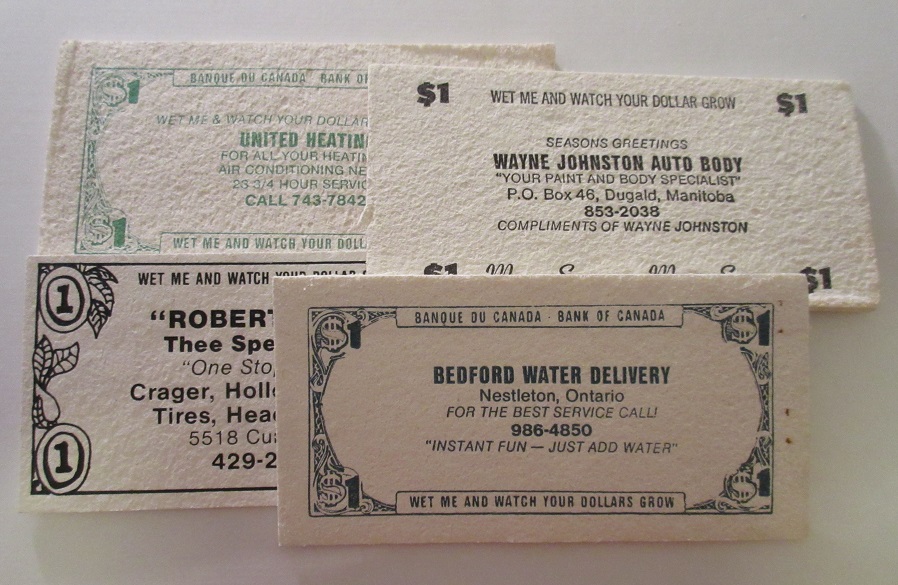
And something fun, advertising bills printed on sponge. You're supposed to drop them in water to watch your money grow though I'm not doing that with any of them.







 First Page
 Previous Page


 Posted 05/29/2021 2:18 pm