| Author |
 Replies: 73 / Views: 6,762 Replies: 73 / Views: 6,762 |
|
Valued Member
United States
164 Posts |
What is the oldest coin you have with a date on it?
I don't have anything worthwhile to post myself anymore, but years ago I had a dated coin from the late 1500s. (I have old pictures of it which I'll have to dig up.) But I'd like to see what others have.
|
|
|
|
Moderator
 United States
198363 Posts |
After correspondence with the OP, I agree that this is different than the existing topic since it looks like the majority of those coins do not have dates on them.  |
|
Moderator
United States
198363 Posts |
My oldest dated coin. I hope to amend that in the future.  1806 Half Cent |
|
Bedrock of the Community
United States
37242 Posts |
France 1595-L 12 Denar 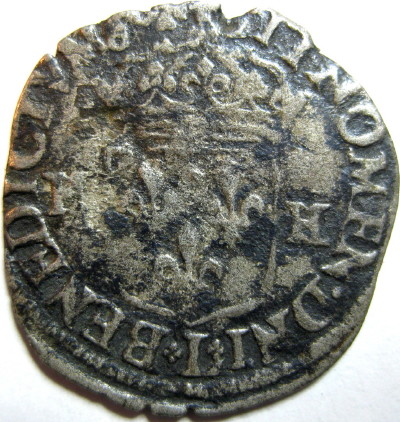 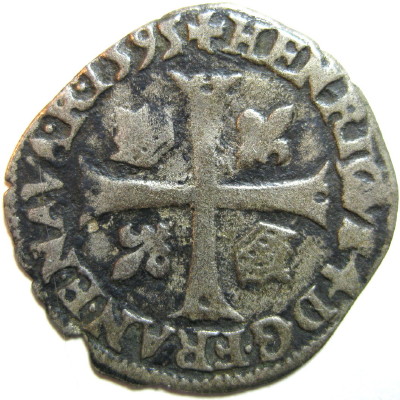 |
|
Moderator
Australia
17035 Posts |
I assume it doesn't have to be an AD date? Or written in Western numerals? I believe my oldest dated coin is this silver drachm from King Ariarathes V of Cappadocia. 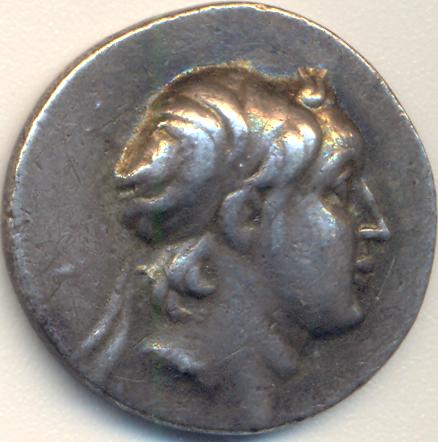 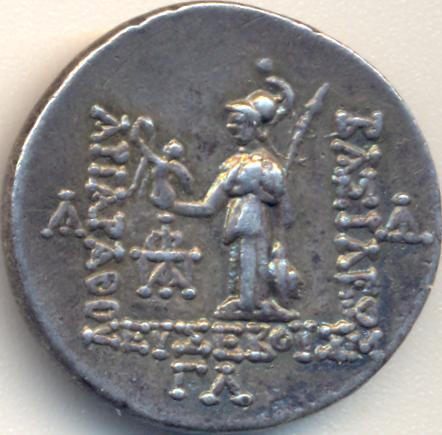 The date is in the reverse exergue: "gamma lambda" are Greek letter-numerals for "33". The 33rd year of reign of Ariarathes V was 131 BC. Don't say "infinitely" when you mean "very"; otherwise, you'll have no word left when you want to talk about something really infinite. - C. S. Lewis
|
|
Bedrock of the Community
United States
31157 Posts |
I only collect modern silver coins but I have a few older coins from my mom's collection. 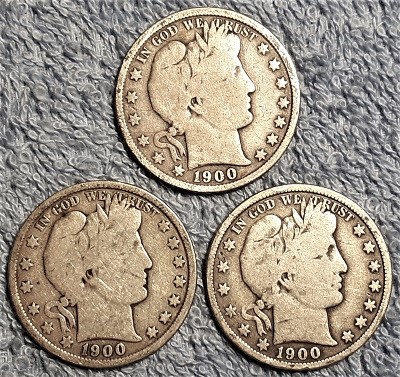 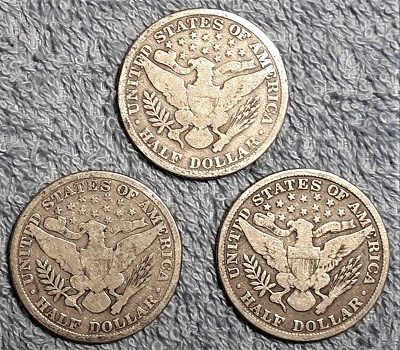 1900 Barber half dollar |
|
Bedrock of the Community
United States
80611 Posts |
Nice examples!  Errers and Varietys.
|
|
Valued Member
 United States
164 Posts |
Quote:
I assume it doesn't have to be an AD date? Or written in Western numerals?
I believe my oldest dated coin is this silver drachm from King Ariarathes V of Cappadocia.
The date is in the reverse exergue: "gamma lambda" are Greek letter-numerals for "33". The 33rd year of reign of Ariarathes V was 131 BC. Well, I was specifically looking for the oldest dates that are written in Western numerals (e.g., 1595) but examples like yours are interesting enough to be included as well. |
|
Pillar of the Community
 United States
1502 Posts |
1723 Hibernia 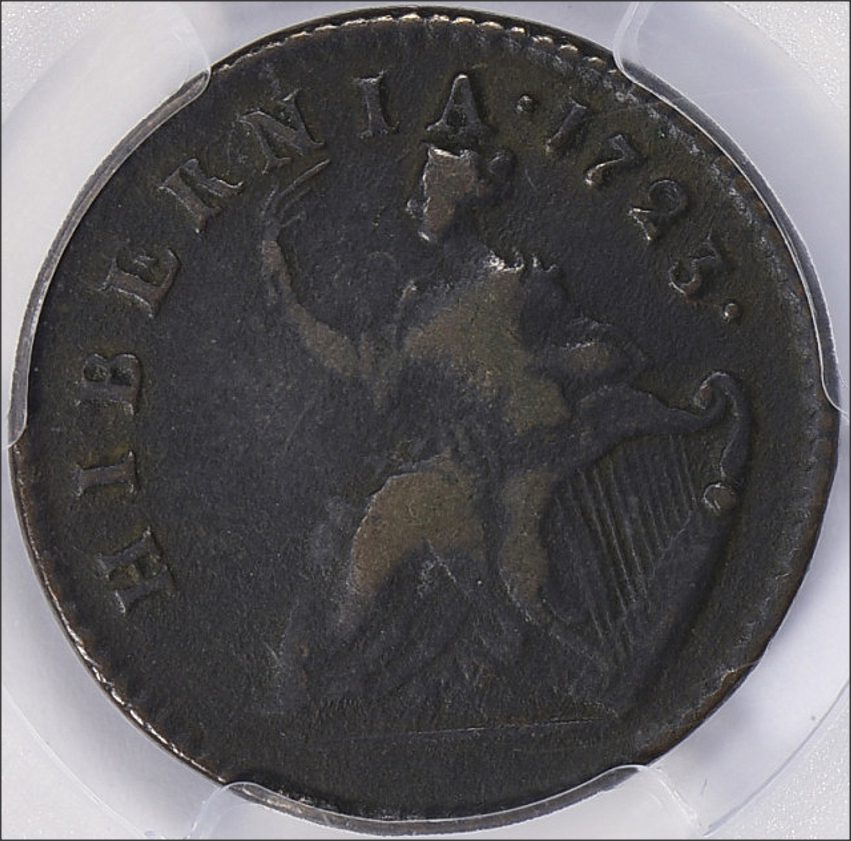 |
|
Moderator
United States
198363 Posts |
Interesting examples! |
|
Valued Member
United States
164 Posts |
I was really hoping to see more examples from around the time when coins first started to be dated with Western (or, even earlier, Roman) numerals.
At any rate, I checked and found that the earliest dated coin I ever had (before I sold the bulk of my collection around 1982) was an English coin from 1567. Unfortunately, the photos I happened to take of it are really poor so it wouldn't be worth trying to scan them.
|
|
Pillar of the Community
Sweden
2124 Posts |
Lorraine 1523, teston.  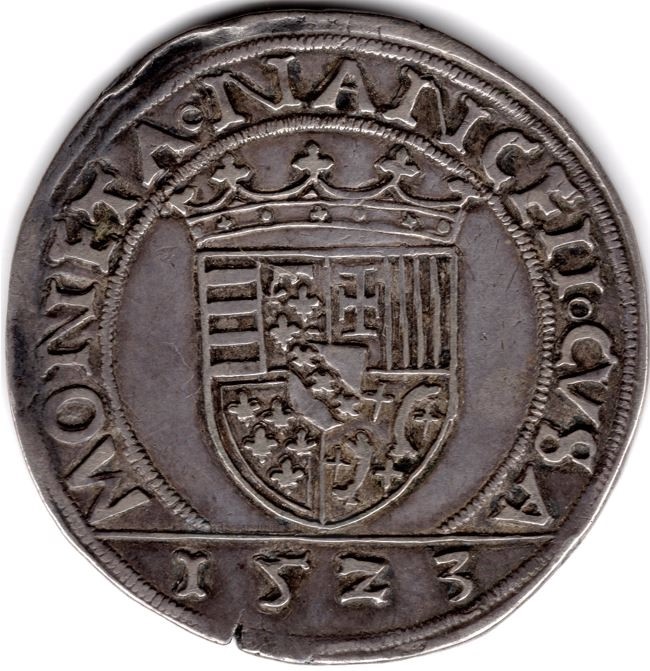 |
|
Moderator
Australia
17035 Posts |
If you're specifically wanting AD dates, then there's a whole book about them. This is a popular series to collect, so the coins as a result are all quite expensive. The oldest coin with an AD date is actually relatively modern - the AD calendar wasn't invented until AD 525, and didn't appear on a coin until 1234. That first coin, from the Bishopric of Roskilde in Denmark, was struck by a ruler who thought the date "1234" was so numerologically significant that they covered the entire coin design with it: "ANNO DOMINII MCCXXXIIII" is the entire inscription on the coin. Numista has an example. After that, you have to wait over a hundred years for another dated coin: the 1372 groschen from the German city of Aachen. After that, they start to become more common - but still all with Roman numerals. You don't find too many AD dates written in Roman numerals, simply because such numbers are quite large, and take up a resultant large amount of space. Mediaeval coins are typically small, and don't have much room for extraneous writing. Other information, such as the name of the king, city or moneyer was considered more important. The mathematical concept of zero, and thus the concept of writing numbers using non-alphabetic symbols from 0 through to 9 and a positional system of determining tens, hundreds etc was invented in India a couple thousand years ago, but was slow to spread out from there until the Muslims conquered India; they liked the concept and took it with them wherever they went. The so-called "Western" numerals were derived from Arabic numerals (and are to this day often called "Arabic numerals" as opposed to "Roman numerals") and first used in Muslim-occupied Spain in the 970s. They were viewed with suspicion by most of Europe, having a Muslim origin, and usage didn't become commonplace in Europe until the Late Middle Ages. The oldest coin to bear an AD date written in recognizable Western numerals is from the Swiss city-state of St Gallen, a silver plappart dated 1424. The numeral "4" is written funny, to modern eyes, it's written "diagonally", in the shape of a memorial ribbon - but still readable as "1424". From there, the concept of putting the date on coins spread rapidly across Europe. England was one of the last countries in Europe to adopt the concept of putting the date on coins. The earliest English dated coins are the silver halfcrowns and crowns from 1551, at the start of the reign of Edward VI - by which time the numerals had settled into their current shapes. Don't say "infinitely" when you mean "very"; otherwise, you'll have no word left when you want to talk about something really infinite. - C. S. Lewis
|
|
Bedrock of the Community
United States
80611 Posts |
Nice examples. Errers and Varietys.
|
|
Valued Member
United States
256 Posts |
1496 AV Gulden. Maximilian I-Frankfurt am Main. 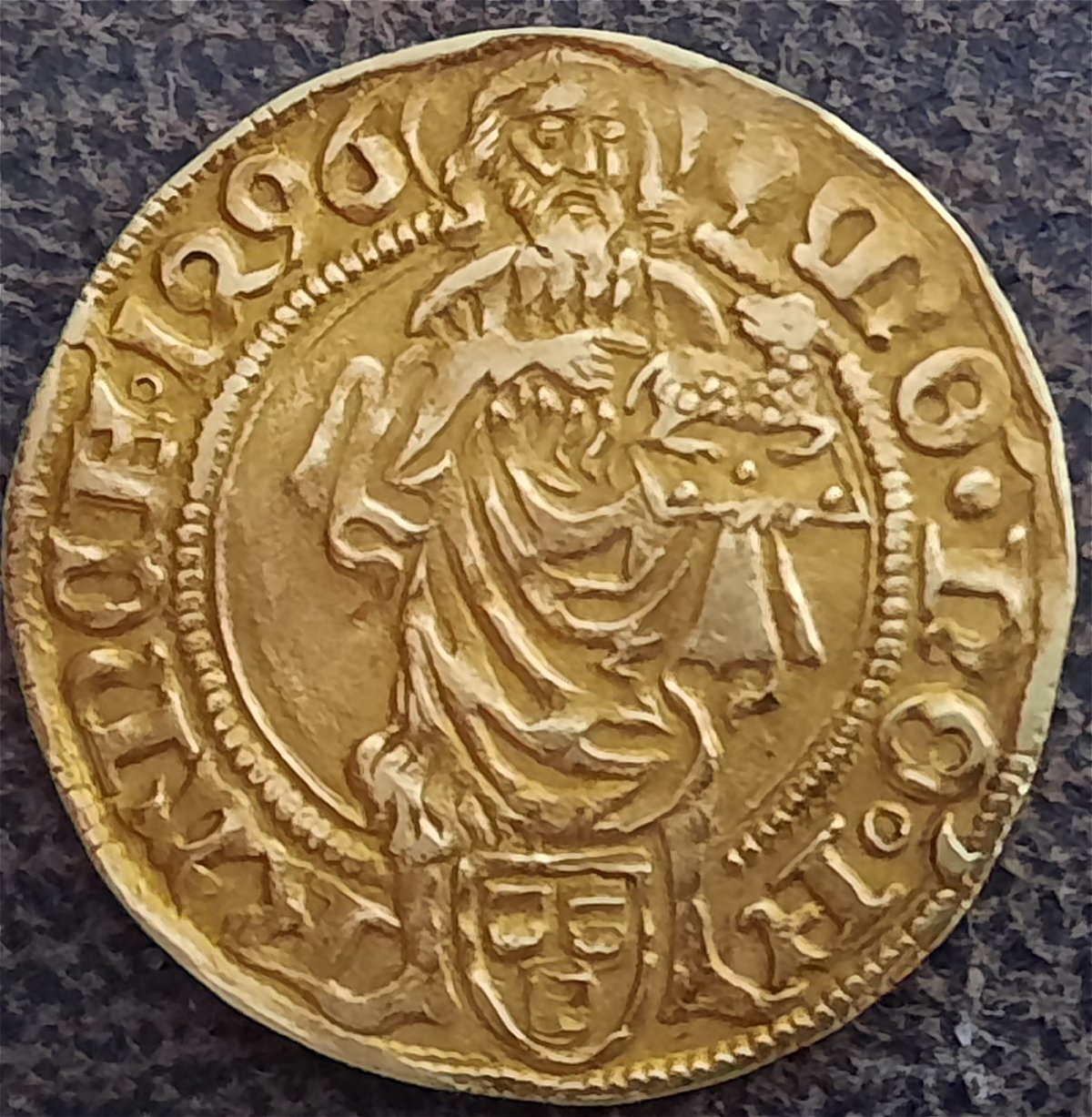 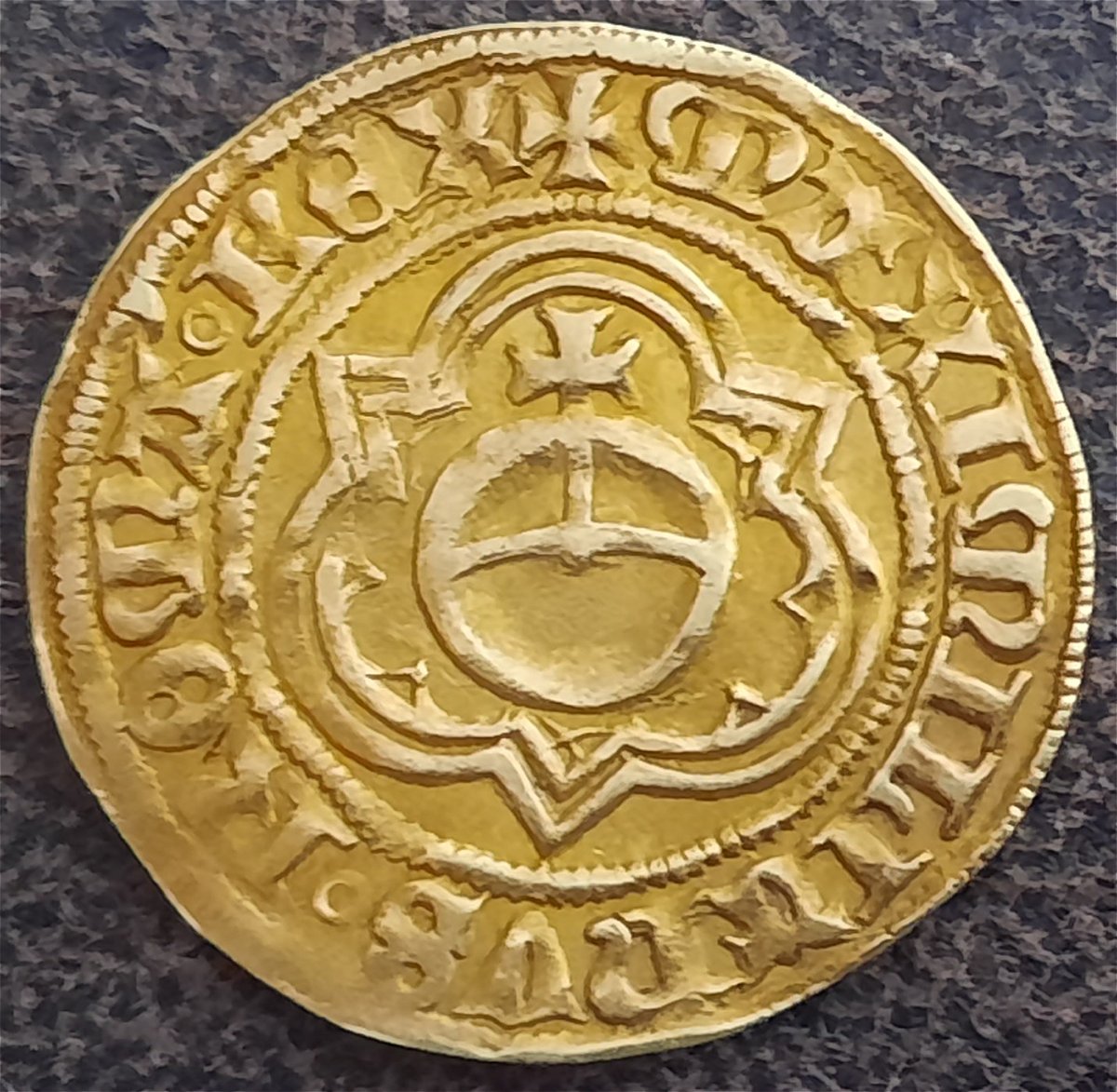 Here is an example of the ribbon-like "4" of the date that Sap had mentioned. It is located in the 10/11:00 position. Edited by Finn70
02/15/2024 12:54 am
|
|
Valued Member
United States
256 Posts |
@erafjel: Here's my 1523 Lorraine Teston. 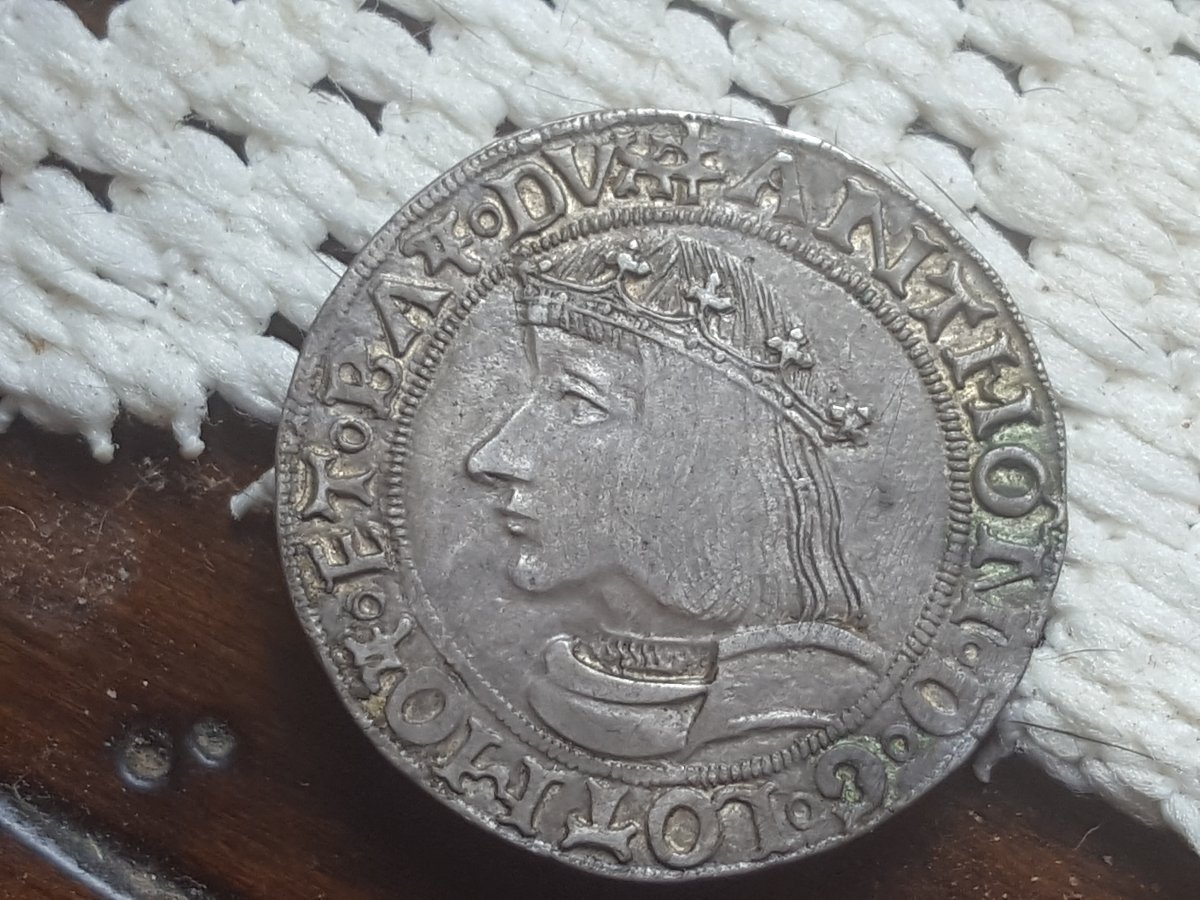 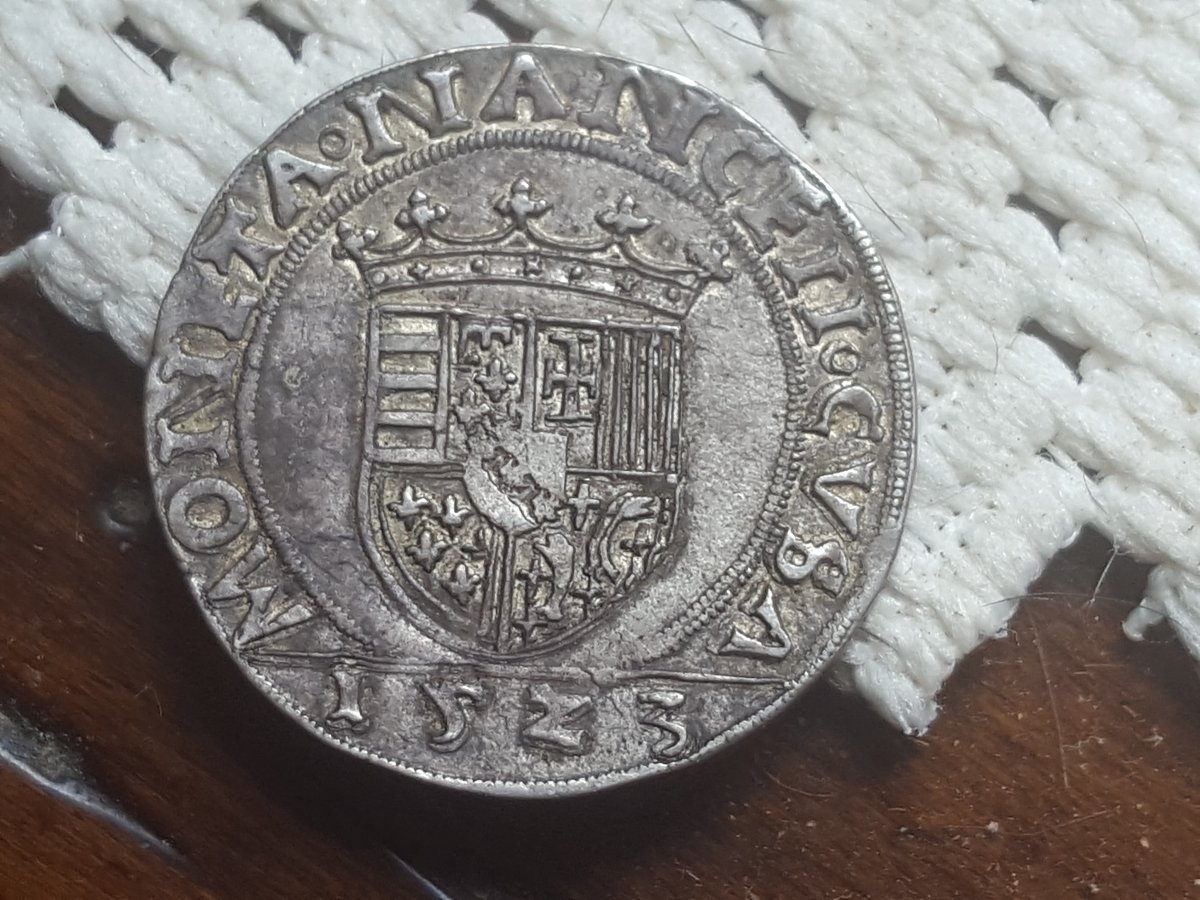 |
| |
Replies: 73 / Views: 6,762 |




 Posted 02/12/2024 5:04 pm





