Some 18 months ago I stopped hunting for better optics for my coin photography set up. However, there remained one lens that had always tempted me. I hunted for it in a relaxed and infrequent manner for about 2-3 years. Earlier this year one came up for sale at a local camera store. It was in excellent condition( boxed with original papers) and was very affordable(Euro 80.00). The lens, Minolta CE- Rokkor 30mm F 2.8, became mine and it proved to be,
for the price a very good high magnification lens. I was so impressed with it I decided to get the other two lenses in the series; the CE Rokkor 50mm F 2.8 and the CE Rokkor 80mm F 5.6.
I had a very poor view of Minolta enlarger lenses. My poor view had been based on my one and only experience of a Minolta E-Rokkor 75mm F4(or 4.5) it was a horrible lens producing soft, and flarey images. The E rokkors are simply black and white enlarging lenses they have a very basic optical(4 element) construction. The CE( stands for color enlarger) Rokkors are much better designed lenses. The specifications( taken from the documentation that came with the lenses) for these lenses are as follows:
The 30mm was designed for 16mm film( digital equivalent would be Micro Four Thirds) enlarging. Its a Gauss variant consisting of 6 elements in 5 groups( I have seen one online review claim it is 4 groups). Although it has click stops it is designed, as are the 50 and 80mm variants, so that the click-stop can be disabled. This feature allows for continuous aperture adjustment. It has a single amber coating. Mount is M 39( as are the other two lenses in the series)
The 50mm is designed for standard full frame enlarging(35mm) it is also a Gauss variant with 6 elements in 5 groups. It also has a single amber coating.
The 80mm is an Orthometar design( I have not been able to find out what that is; so any enlightenment would be appreciated) it has 6 elements in 4 groups and has two coatings amber and magenta. It was designed for medium format enlarging.
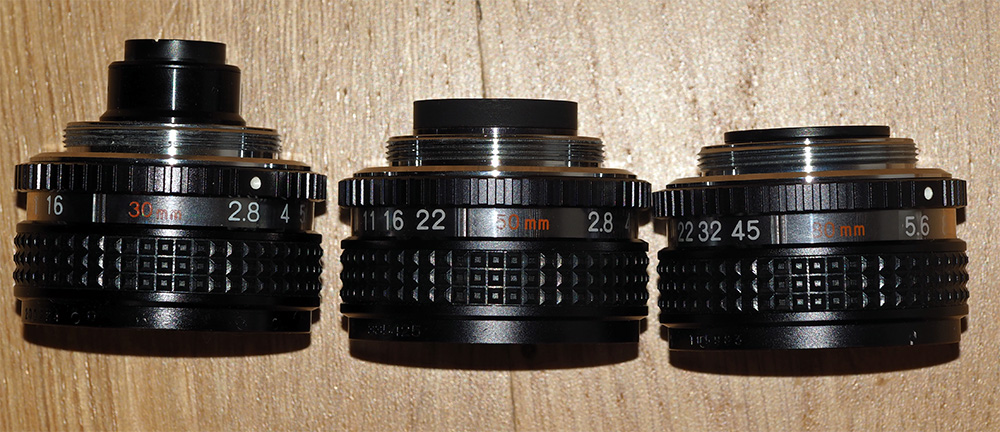
My attraction to the 30mm was due to the theoretical possibility that when reversed it could produce a magnification of 26X and cover a full frame sensor. In reality I found although it covered a full frame sensor its optimal magnification range was from just over 3X through to 8X magnification. It is comparable in optical design to the Canon 35mm f/2.8 bellows lens, a lens that costs between US$300 and $500.00 dollars. I don't know how the CE 30mm actually compares to that canon lens. I have used the Olympus 38mm 3.5 bellows lens(5 elements 4 groups) and the Ce-30mm is the better lens. I have compared it to the Minolta 25mm F 2.5 bellows lens and the 25mm is only slightly better. The lens barrel containing many of the optical elements extends past the m39 mount reminiscent of the physical layout of some early retro-focus wide angle lenses produced by Canon, Minolta, and(perhaps) Nikon. I don't think the 30mm is retro focus. The 30mm front element is recessed considerably within the lens housing . As best as I can judge the front element is positioned where you can see the aperture markings in the above photo(lens on the left). To me that lens barrel looked, and proved, to be an advantage for using the lens reversed. That extension enables lighting to be easily placed, especially as the working distance is only about 30mm.
There are some issues using the 30mm. It has no filter thread and its design when reversed saw a center field hot spot at the shortest possible extension. The hot spot was due to internal reflections from the shiny black lens housing which were transferring reflections from the inner surface of the the reversing ring to the sensor. I first used a 49mm reversing ring (Minolta SR mount) mounted to the lens via a 48mm-49mm stepping ring (attached to the lens using insulation tape). At the shortest extension this produced horrendous hot spotting in the images. I later received from Raf camera( I commissioned its production) an adapter that enables the use of a 52mm reversing ring. Just using the 52mm reversing ring reduced the hot spotting ( but not completely).
To eliminate the hot-spotting completely I ended up using self adhesive black out material to line the lens's recess and front section. The other two lenses also produced the similar reflections but due to different mounting geometry did not produce the hot spot.
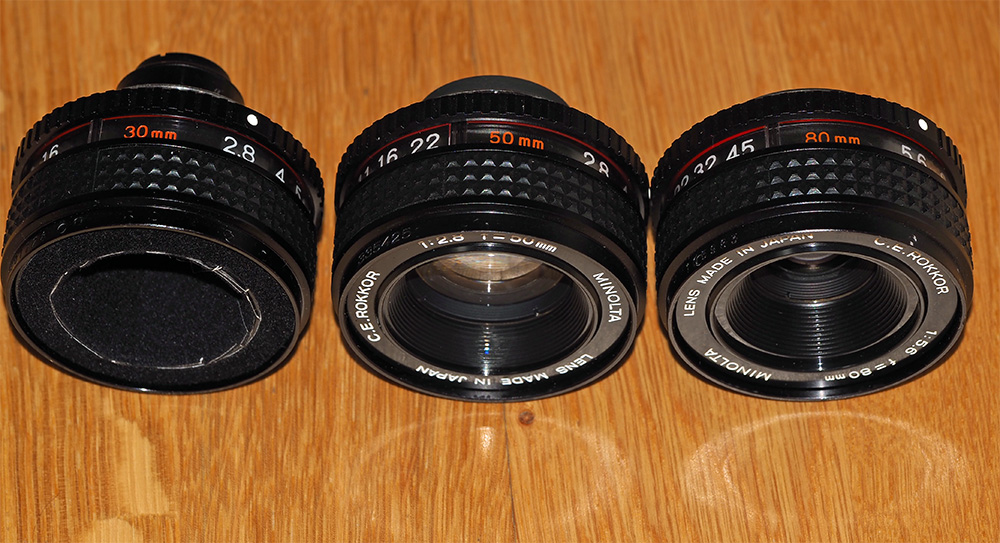
The photo(above) demonstrates the amount of reflection coming from the front housing of the the lenses( you should observe the reflected light on the wood in front of the middle and right hand lenses. The blackout material successfully prevented the hot spot occurring with the 30mm lens. This is a front on image of the "flocked" front of the lens:
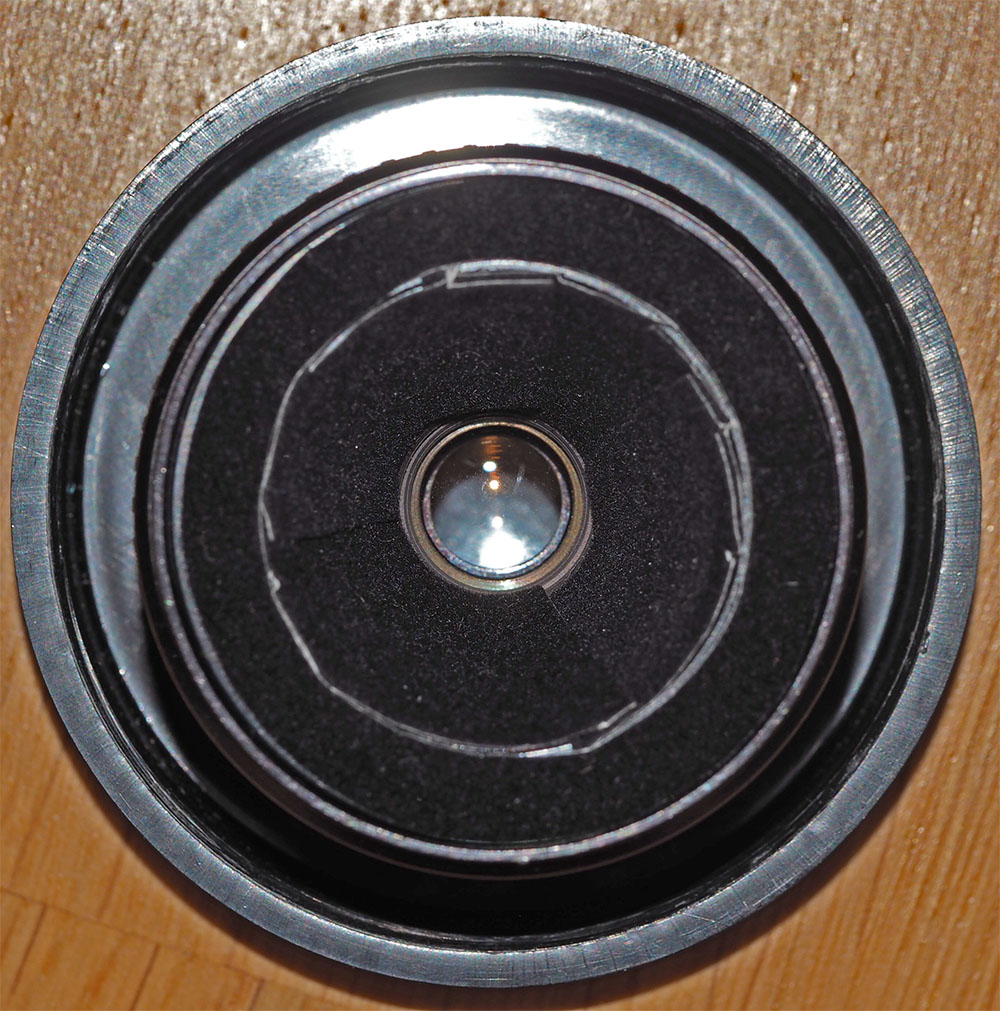
In the the above image the adapter from RAF camera is fitted. In using the lens I found Jansco lights ( Which I personally dislike) worked well. I discovered on
ebay this microscope ring light( read on if you are tempted to use it in a similar fashion):
http://www.ebay.co.uk/itm/40-LED-Bu....m2749.l2649That ring light had an internal 28mm thread, so using a m28 to m42 stepping ring in combination with a m42-m39 adapter I was able to fit the ring light to the lens like this:
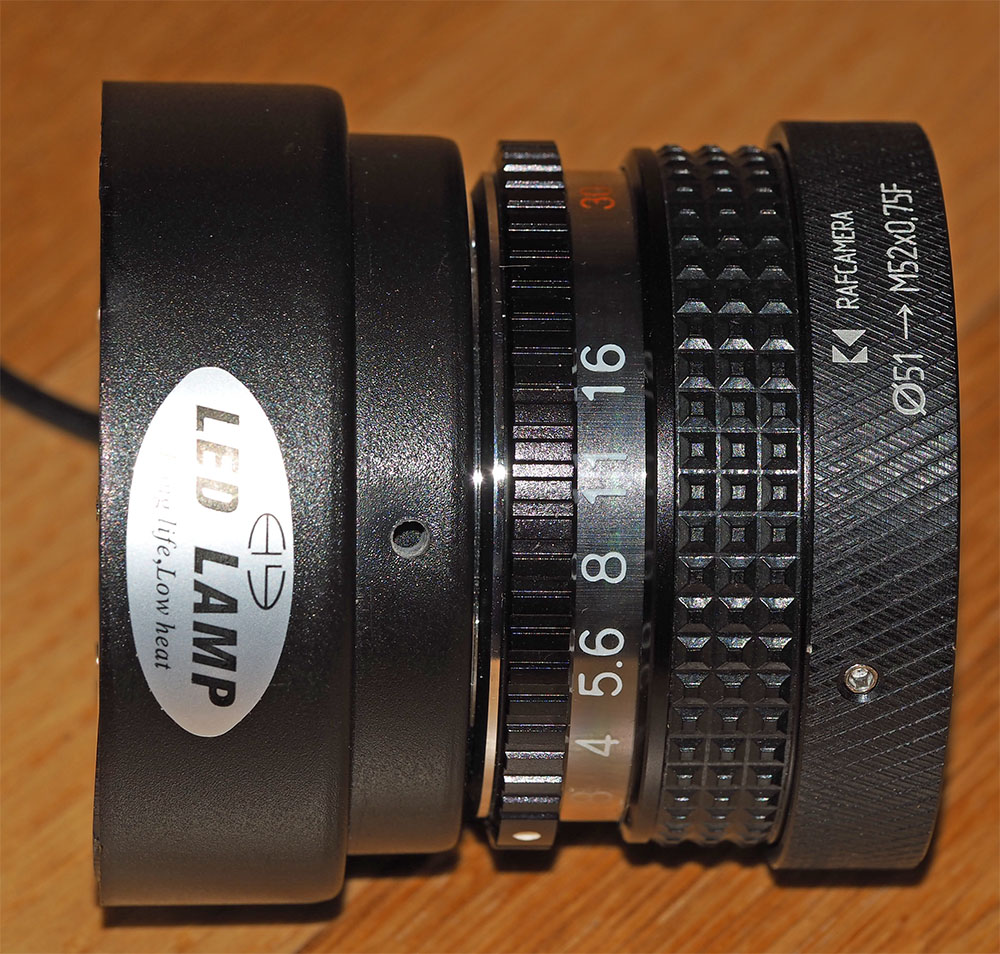
Note for those who might be interested you can see the Raf camera adapter fitted displaying the relevant adapter description)
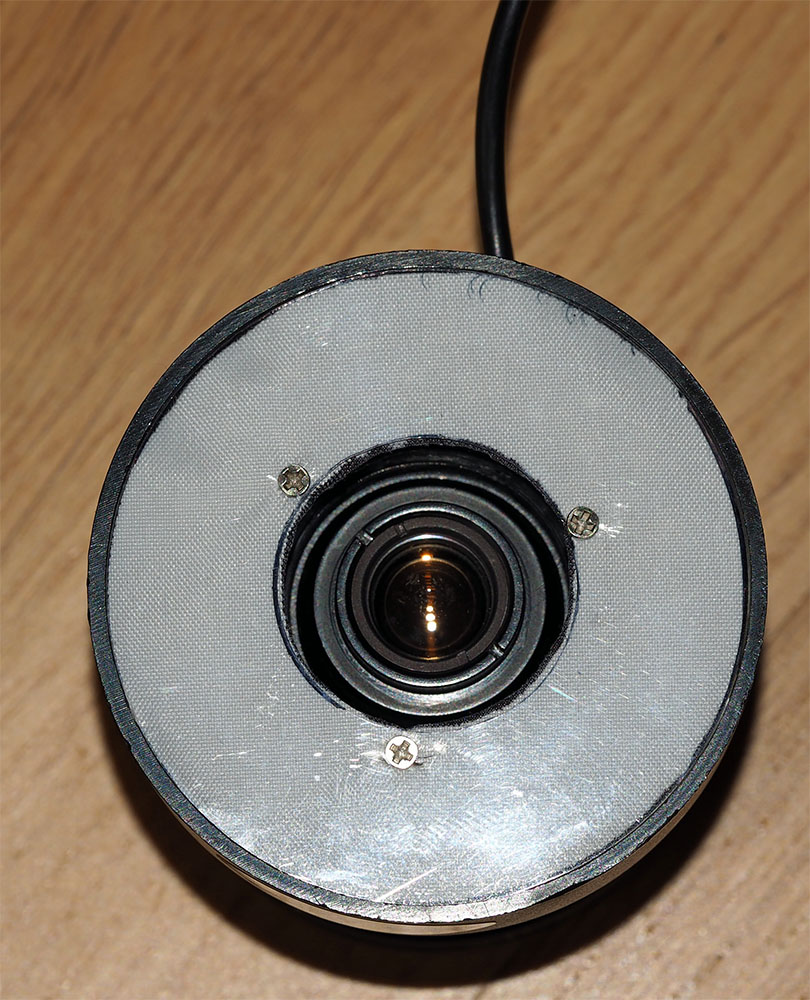
You will also see I fitted some diffusing material to the ring light. The whole set up reminded me of a Medical Nikkor lens. The advantage of this particular lighting is that the light, from the subjects perspective, comes from a position that gives the appearance that it is being projected from the lens( pseudo Axial lighting). A normal ring light would not position the light so closely to the lens barrel. I subsequently found the RAF camera adapter fitted the 50mm and 80mm lenses. I know postage from Russia or Belarus( seems Raf camera has two locations) to the USA can be high a cheaper alternative would be to use a 48mm to 52mm( not 49mm) stepping ring attached by epoxy or insulation tape.
The ring light would only fit the 30mm and 80 mm lenses and it performed best on the 80mm lens. The diameter and extension of the lens barrel of the 50 mm prevented the attachment of the ring light. If you are considering imitating this form of lighting; I have since seen a better version of the same ring light that includes an M42 thread( means you can reduce the number of adapters needed)
Now some demonstration pictures from the 30mm
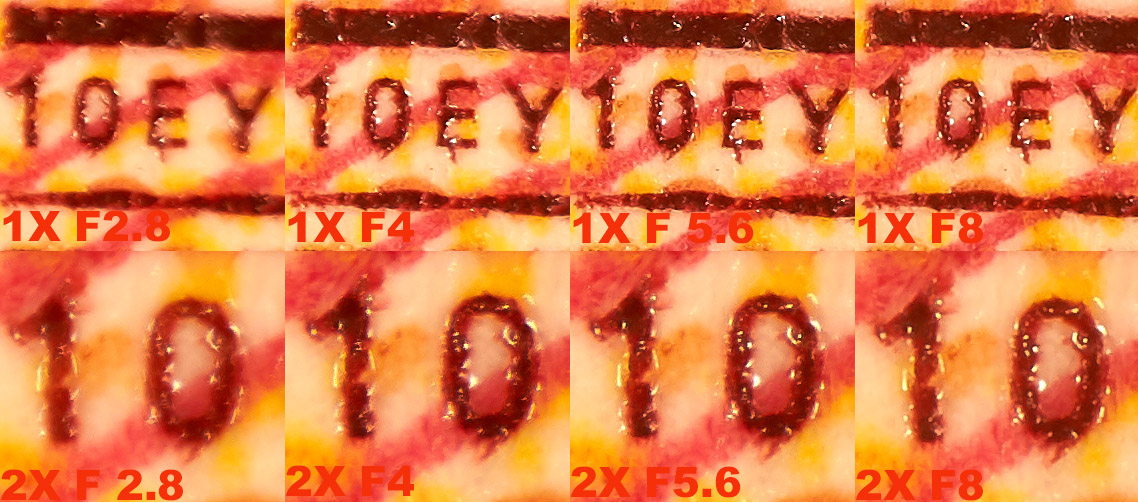
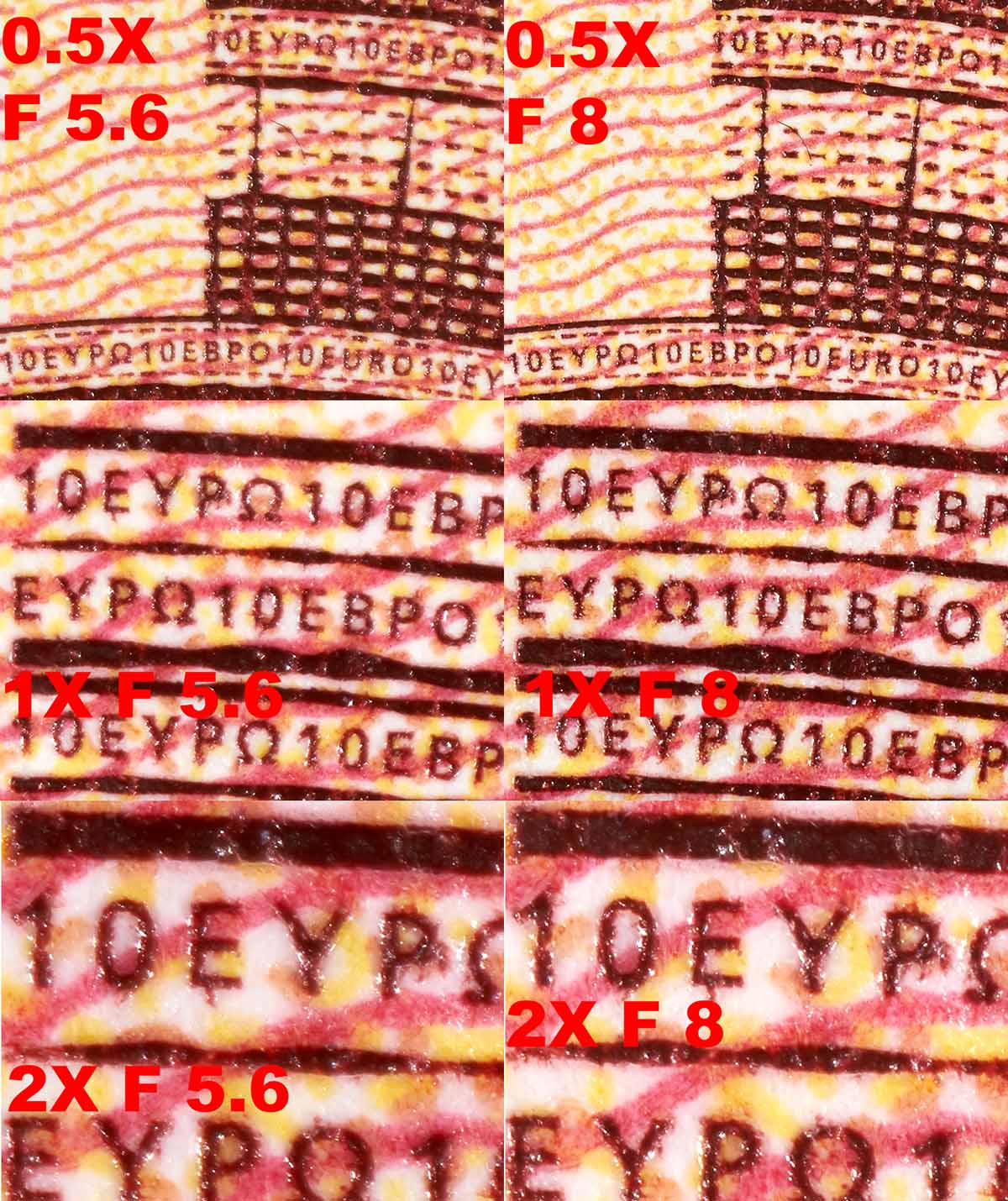
First resolution. The target is the micro printing on a 10 Euro note (numerals and letters are 0.3mm high)
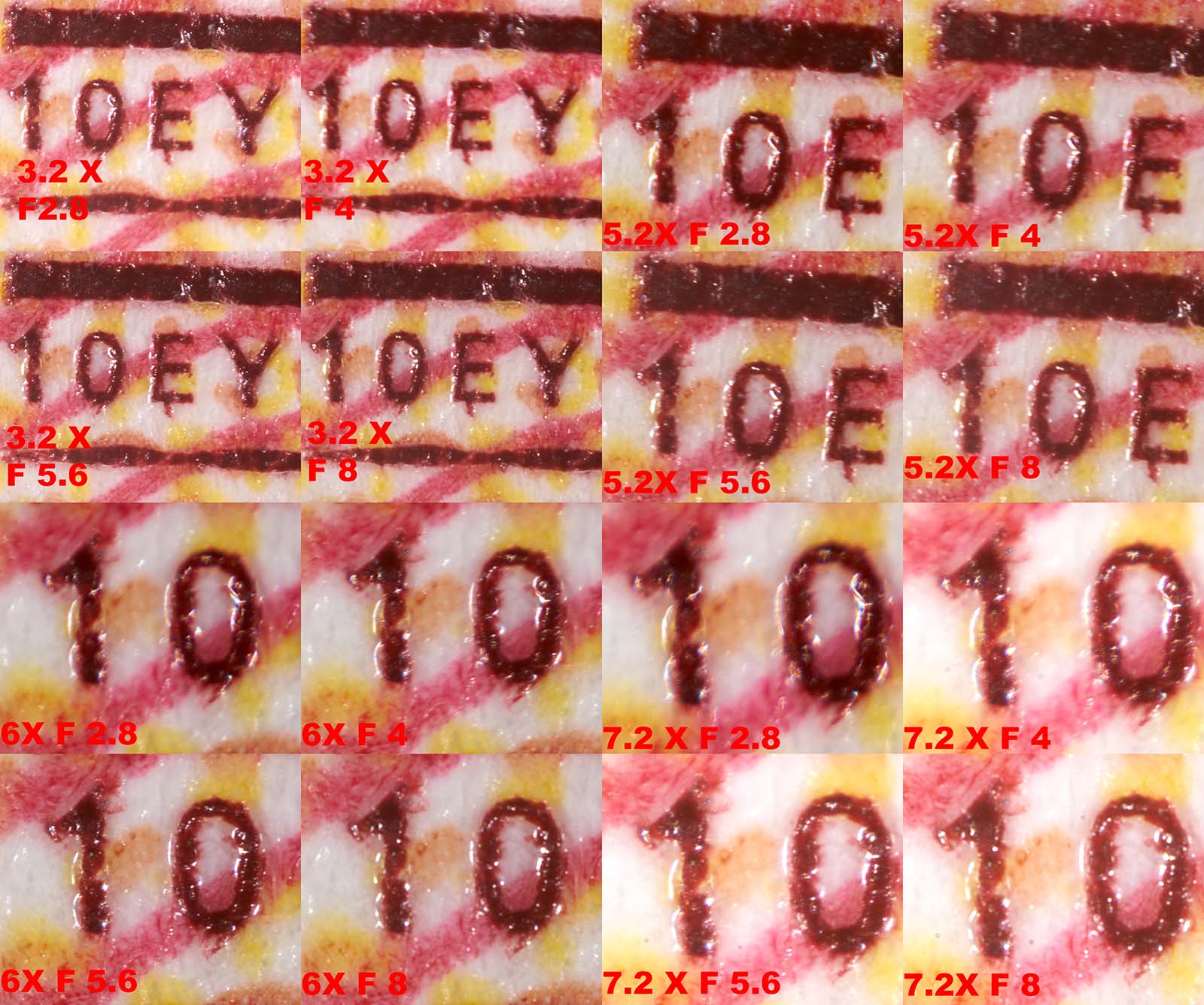
To my eye F 5.6 is best at all magnifications. With my bellows set up the lowest magnification I can get is 3.2X. I found I couldn't really go beyond 8 X and get reasonable images. There is a seller on
ebay at the moment who is enthusiastically claiming 30X magnification. I believe that is hyperbole. Connecting two bellows together in combination with a 200mm tube lens I managed to get 20X. At that magnification(20X)the images were not worth the effort. That sellers listing is current and, although higher than other listings, is not unrealistic. That said it has been relisted twice since I started monitoring the sale.
http://www.ebay.co.uk/itm/Minolta-R...AOSw8GhZf7lbNote: the seller also claims you can get 1X magnification. I guess that is theoretically possible but the deep recess of the front element makes it impossible.
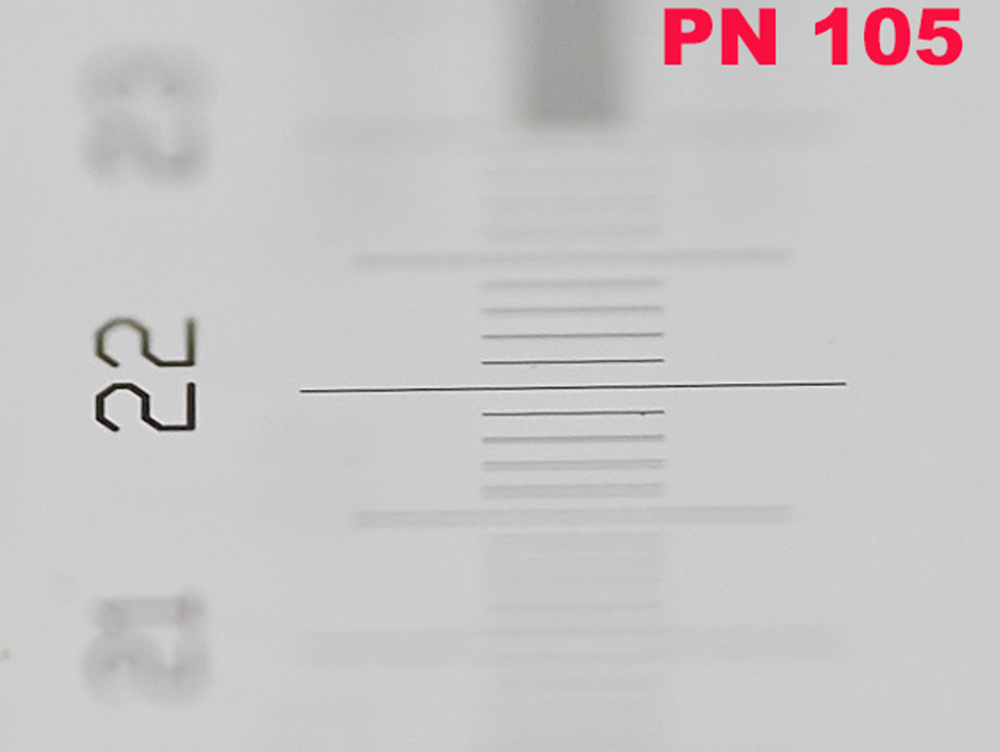
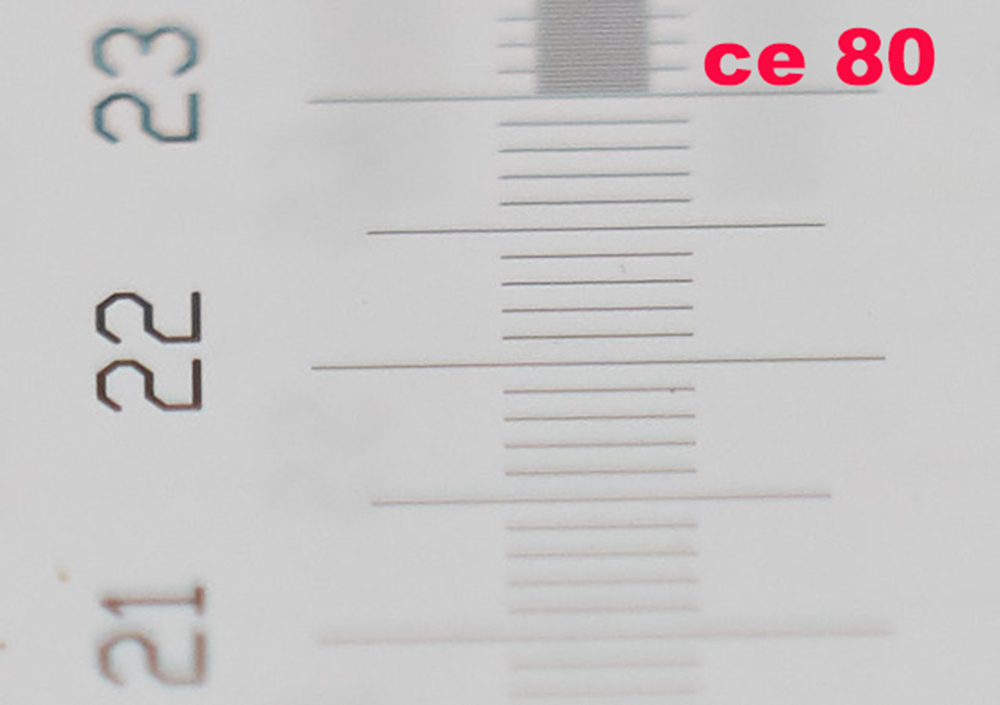
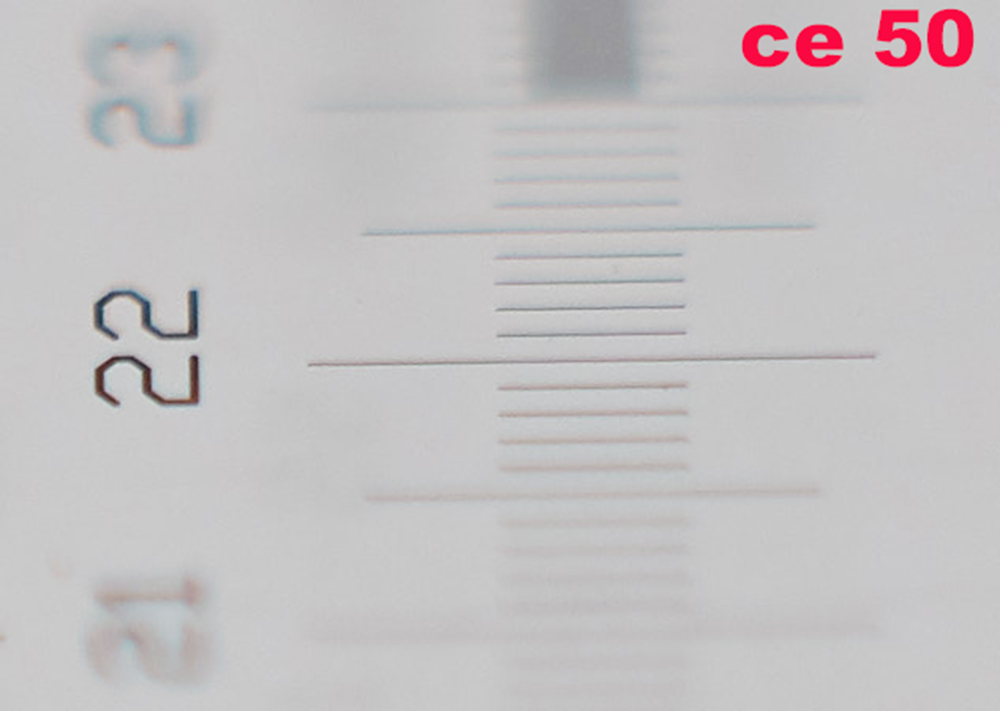
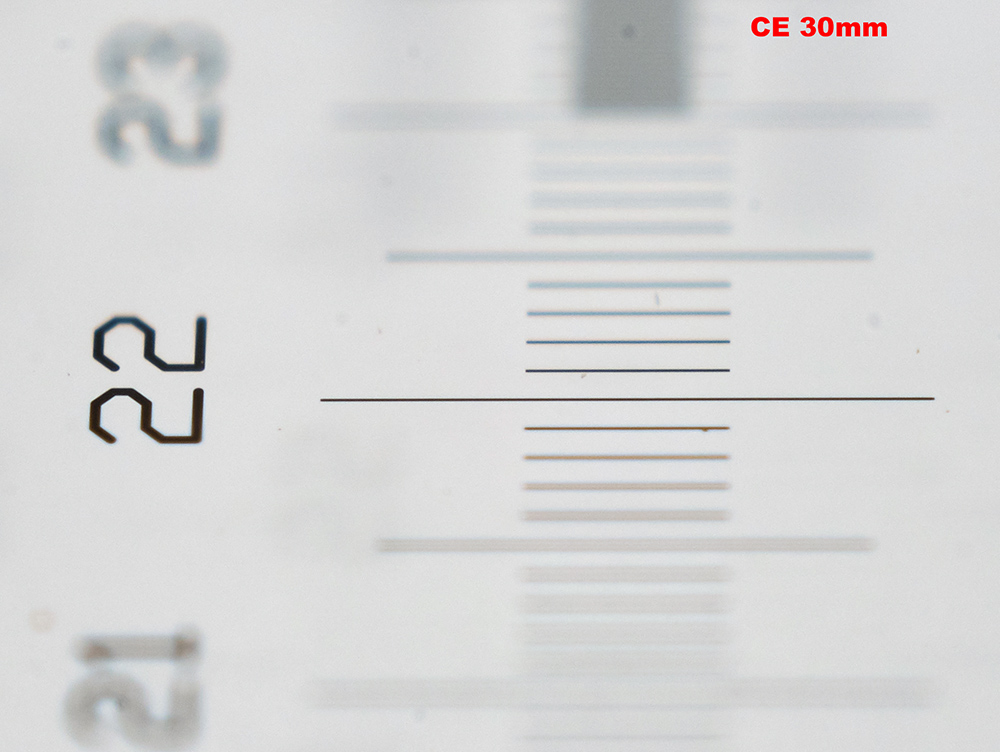
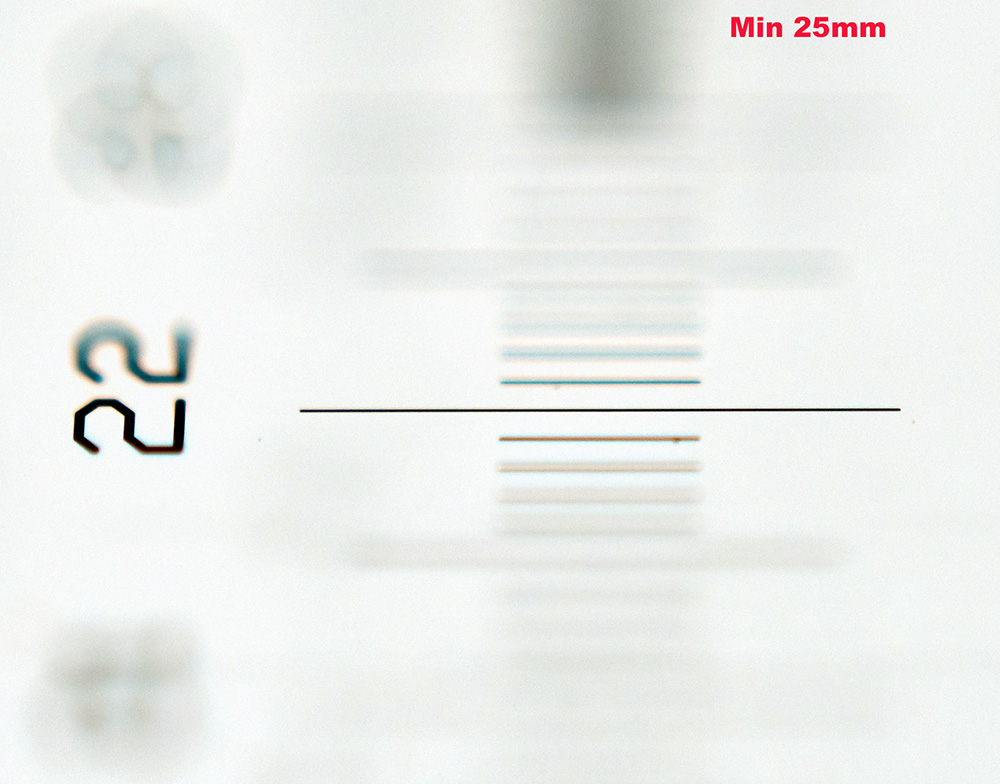
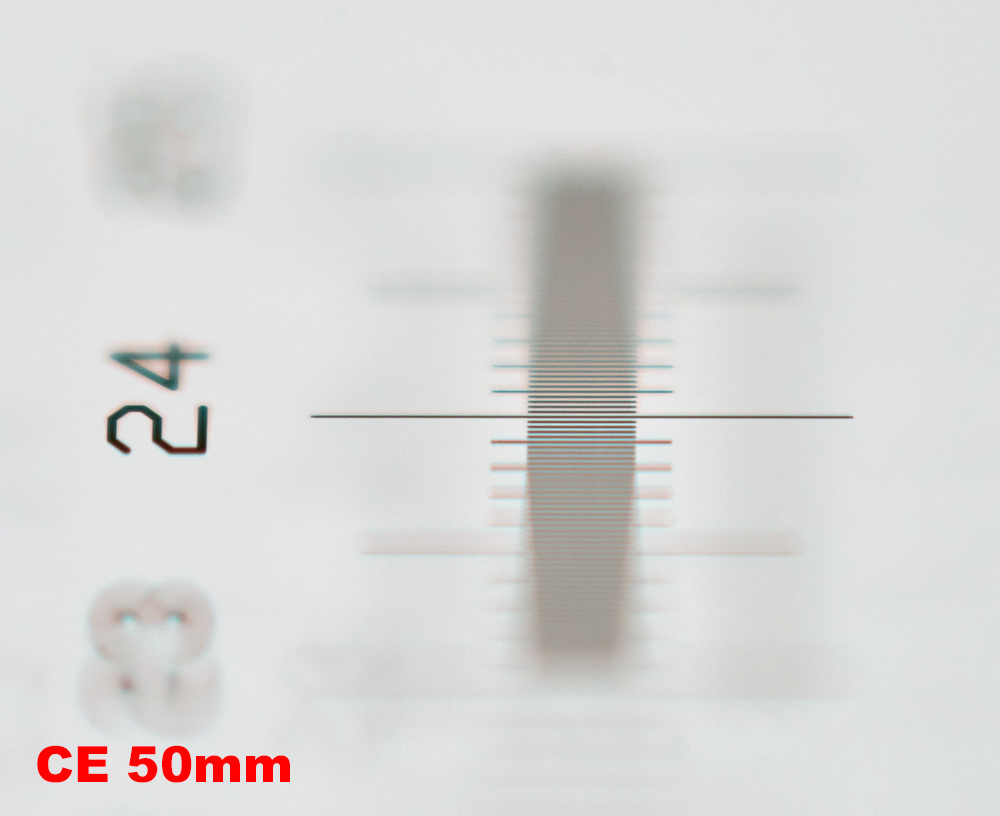
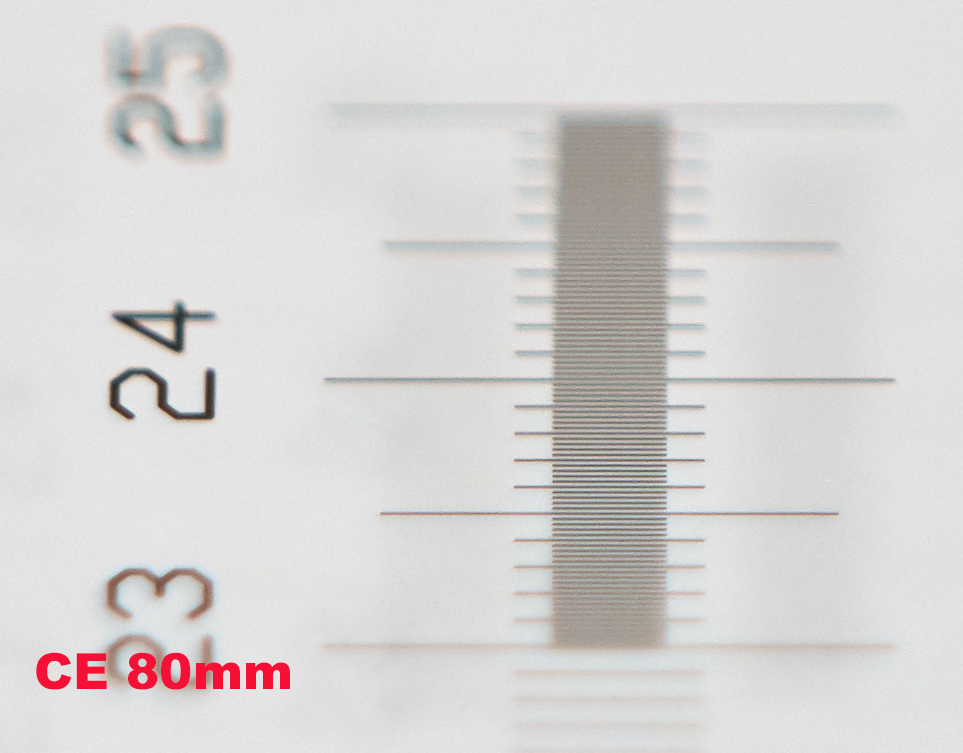
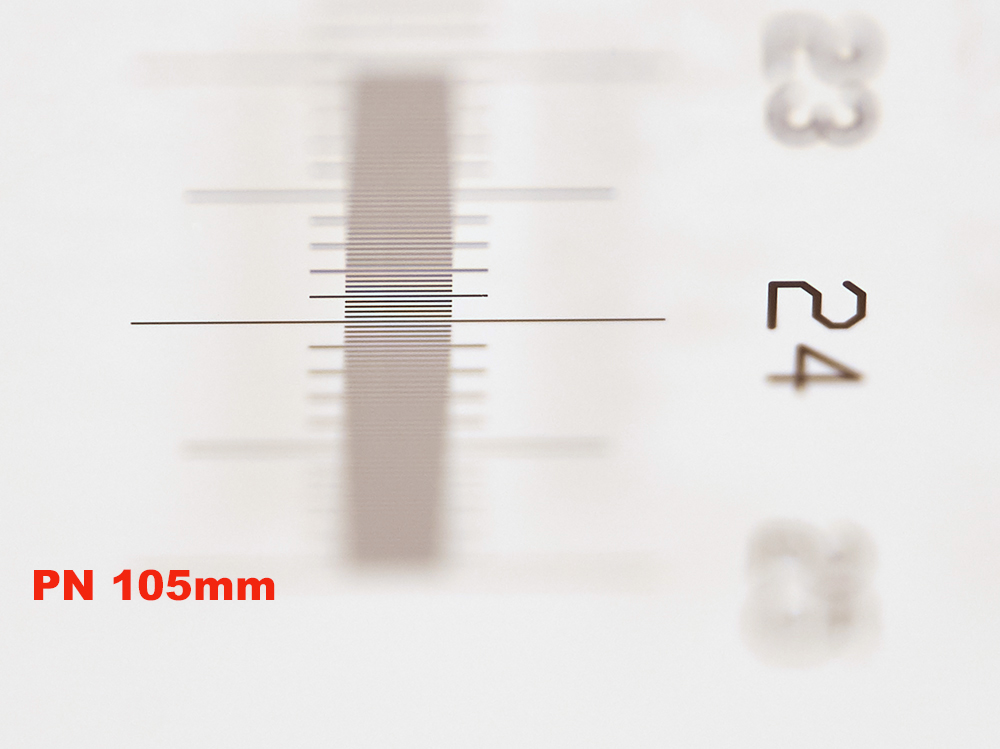
As far as color correction goes here I leave it to you to judge from this photo and the following two comparison shots( these were at around 4 X magnification) target is a Microscope calibration slide mounted at 45 degrees. This target allows us to see the color shift either side of the point of focus:
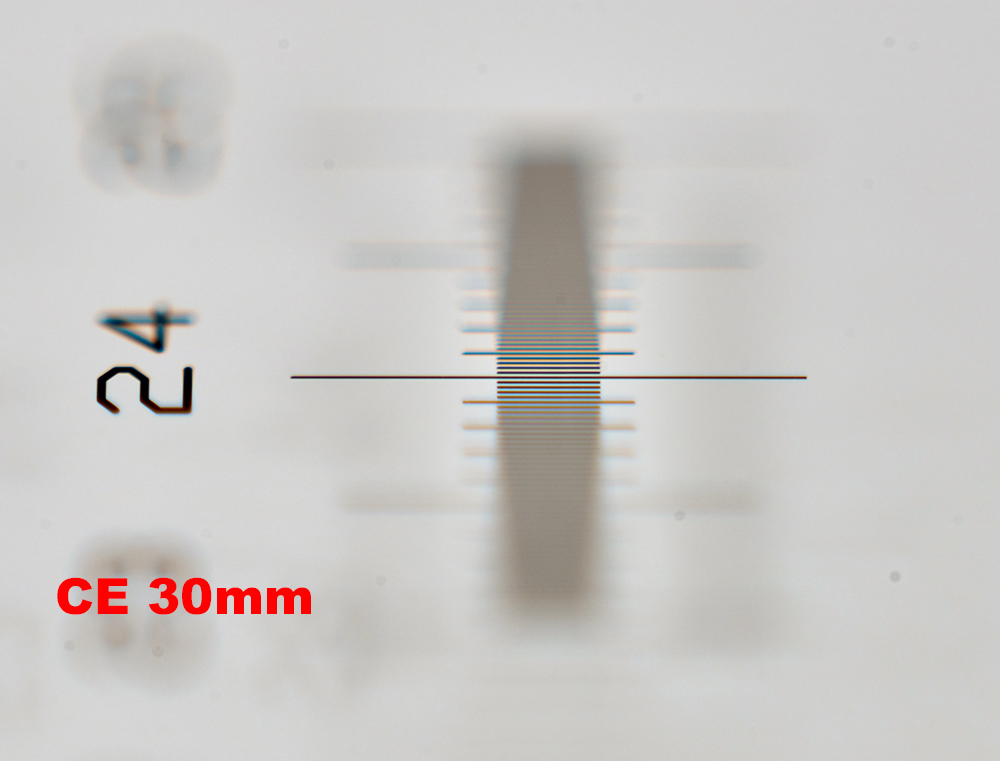
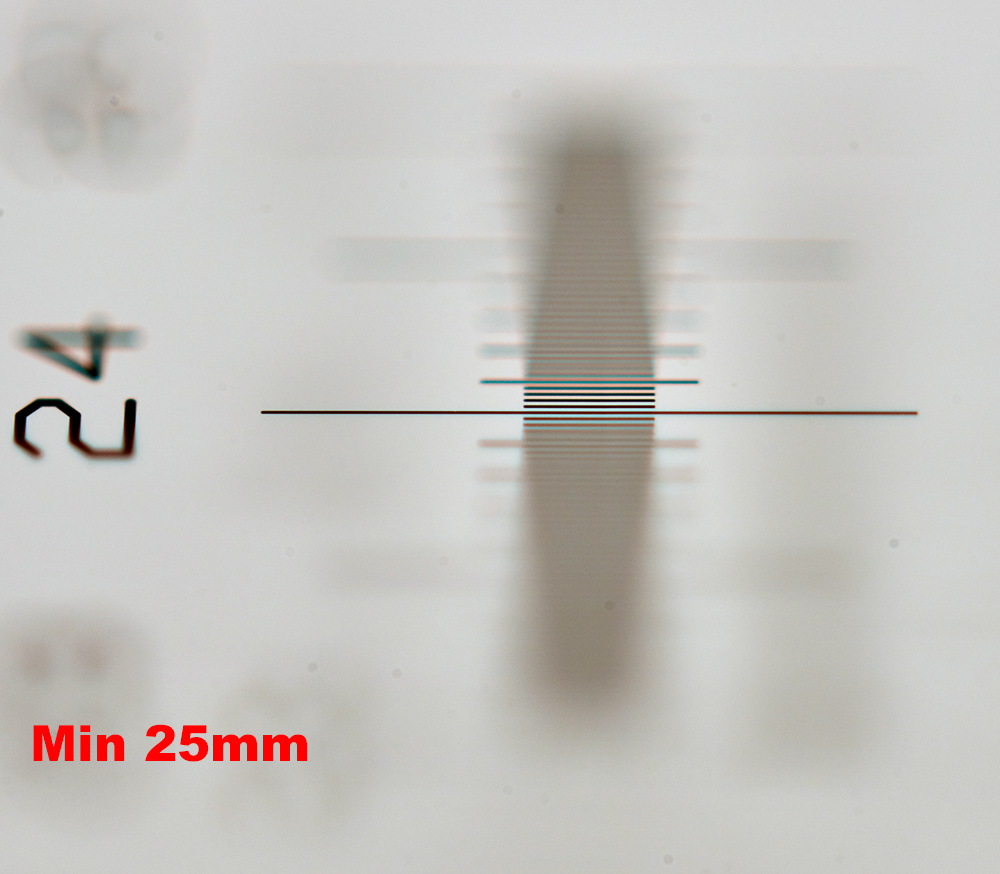
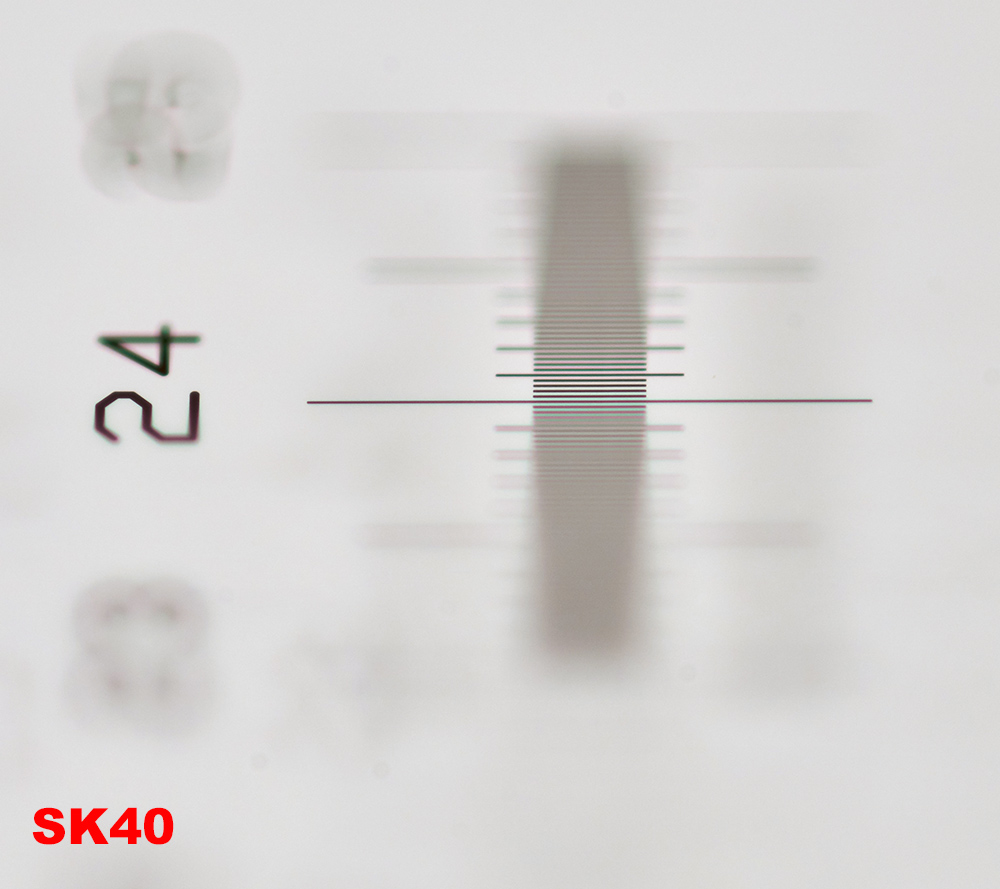
In this indicative test I could see very little difference between the three lenses. The Minolta 25mm F 2.5( believed by many to be a Leica Photar design) is a Euro 360.00 lens, while the SK 40, a supposed APO lens ranges in price from around US$350 through to ( for new) close to US$1000. To my eye the sk40mm is the best lens but its not a very large difference
Mounted normally on a MFT camera ( it was a struggle to get a small enough extension) I could get a high quality image at just below half sized magnification
{note after some of the following photographs you will see a google drive link. That link should allow you to preview a high resolution version of the photo concerned( file sizes are large so you may not want to download the images), Using the zoom feature in the preview will enable pixel peeping. All photos, even though they are just test images, are copyrighted }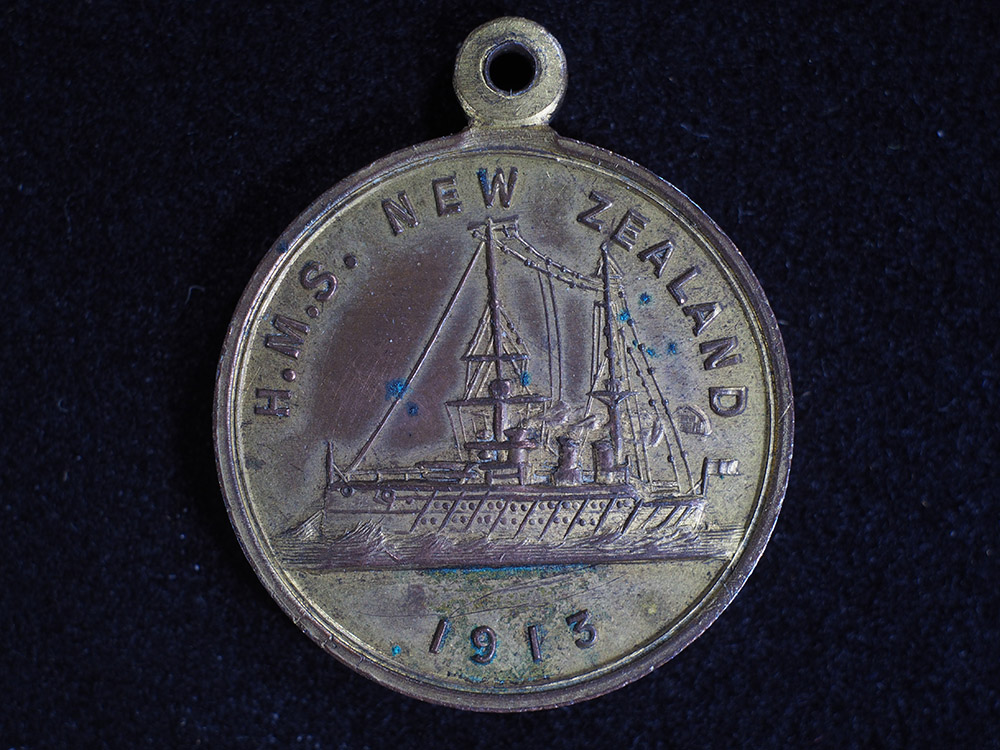 https://drive.google.com/file/d/0B0...?usp=sharing
The 30mm like the other two lenses is best used reversed:
At 7X( stacked image)
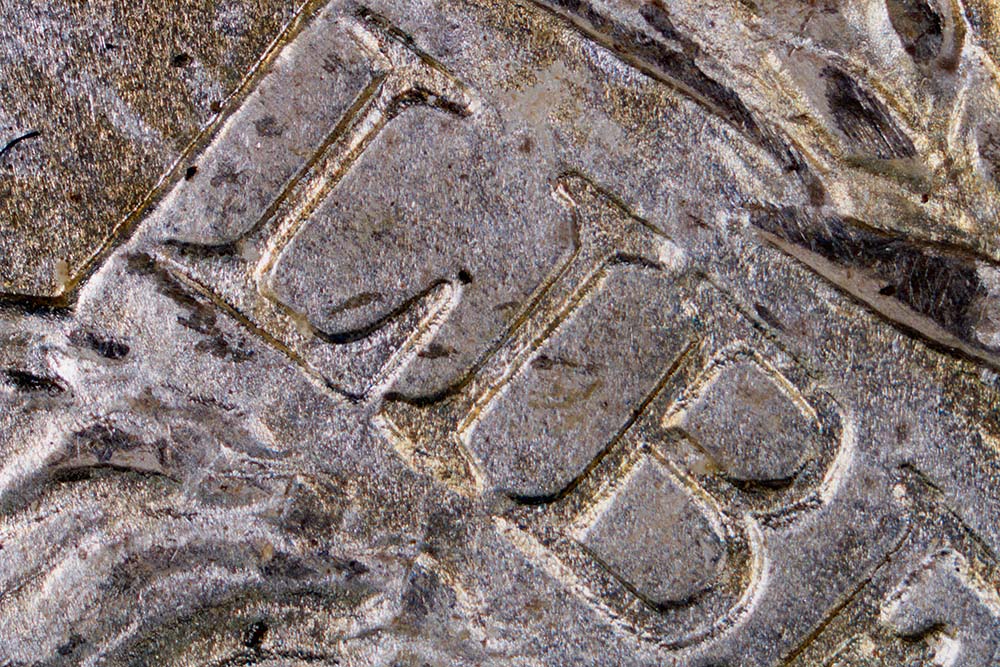 https://drive.google.com/file/d/0B0...?usp=sharing
Wrongly, I thought the 50mm would be the better of the other two lenses. It is a solid performer but I found the short working distance and magnification range was limiting. the 80 mm gave the better magnification range and resulted in some, for me, impressive images.
A half dinar taken with the 50mm
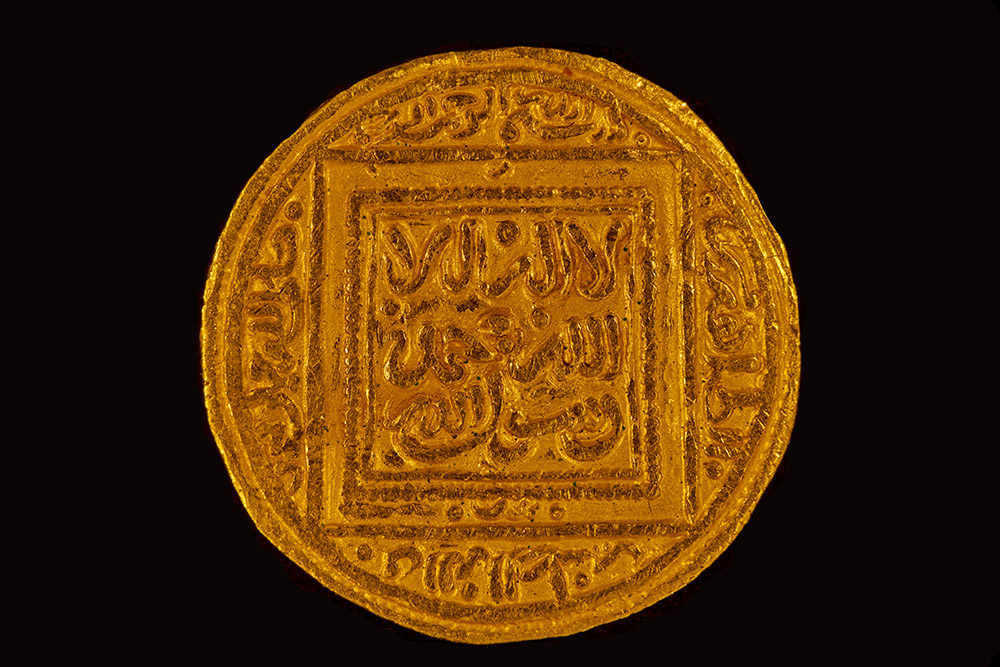 https://drive.google.com/file/d/0B0...?usp=sharing
Now the 80mm shots. the 80mm compliments the 30mmm it covers from silver dollar sized through to small coins and where its magnification range stops the 30mm starts. I also found that with the ring light described above the lens was producing ( to my eye) eye-popping axial like images. the image you see here is so degraded from compression That I strongly suggest you use the google drive link posted just after the image to preview a higher resolution version. Although that is not the original full sized image it does show what this lens is capable of
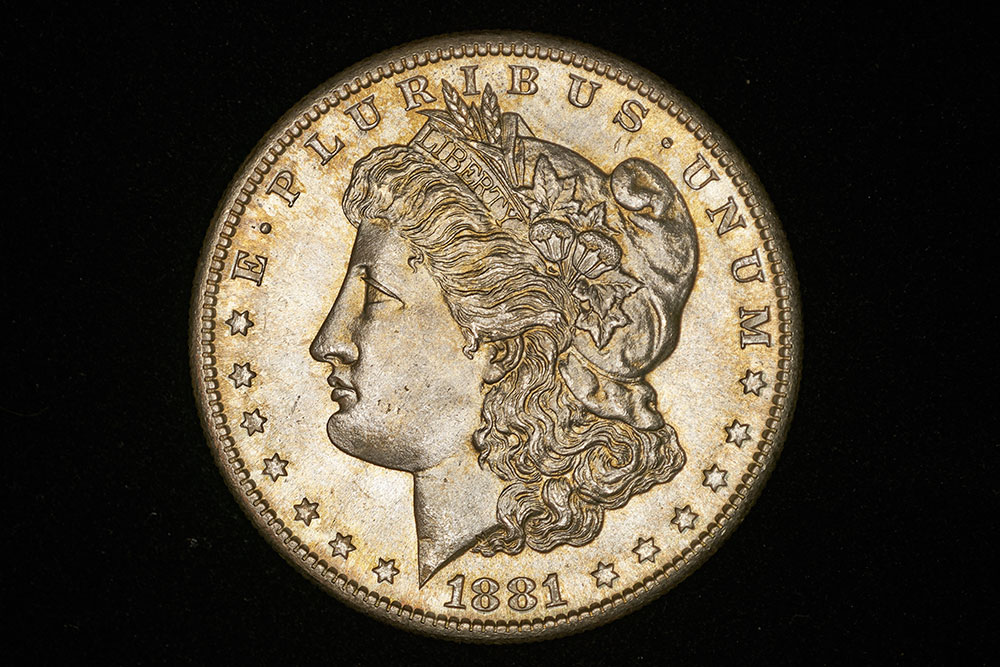 https://drive.google.com/file/d/0B0...?usp=sharing
The last photo ( it is a single image) was taken at F6.3( guesstimated) using the Sony A7rII
Final note. Of the three lenses the 80mm is I think the most useful for coin collectors. It is capable of producing great images. I have no idea how it compares to other 80mm lenses. I am sure the Rodenstock 75mm, often recommended here, would outperform it but that said the 80mm is often found for sale at prices less than US$100.00. The same applies to the 30mm. My Schneider Kreuznach APO-Componon 40mm F 2.8 produces better pictures, but that lens can cost close to US$1000.00 (new), my sencond hand version cost close to US$300.00, if my memory is correct. The 30mm is hard to find but when it is for sale it is often under US$100.00, its IQ is only slightly less than the SK 40mm.










 Posted 08/06/2017 12:46 pm