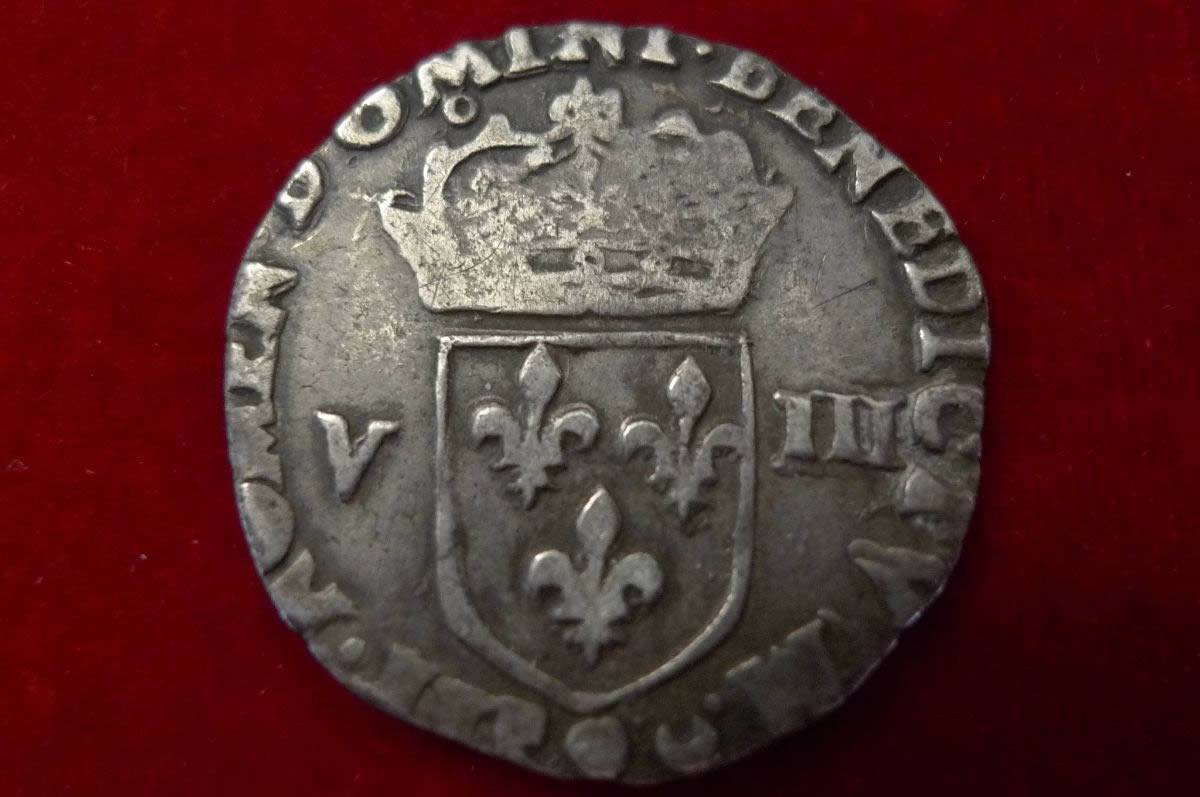
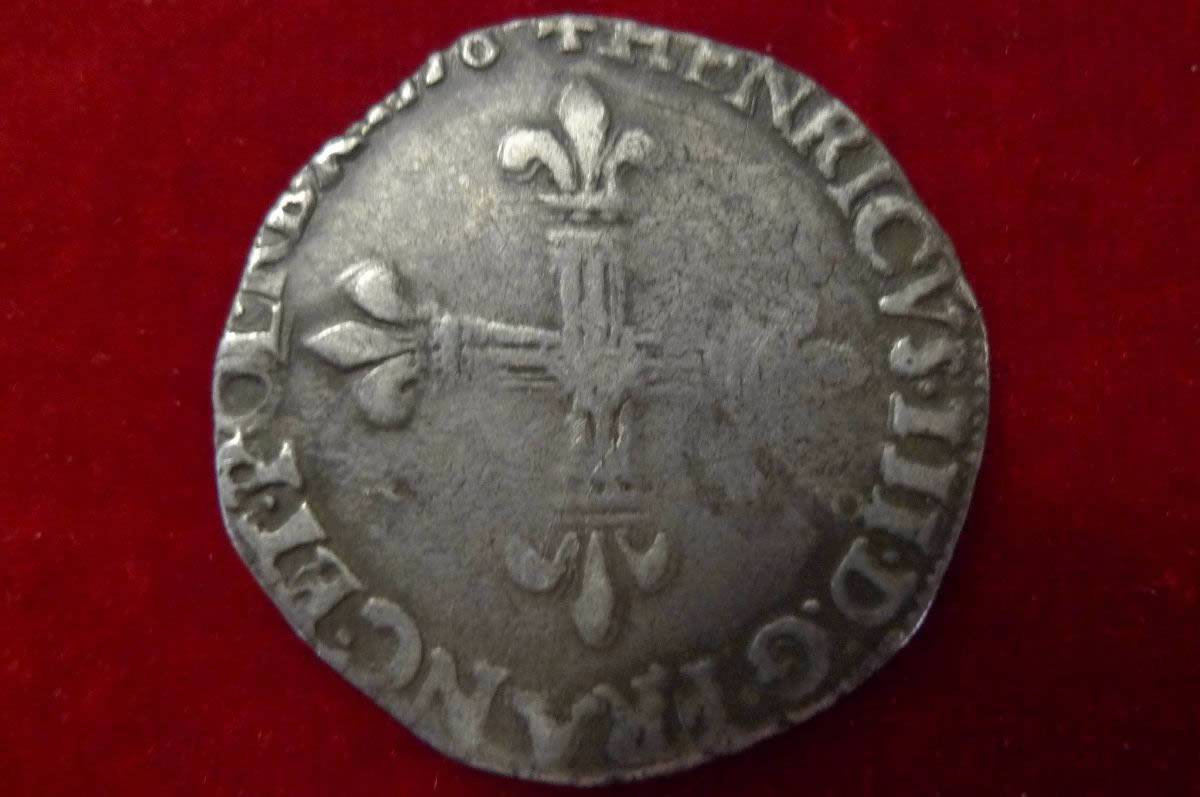
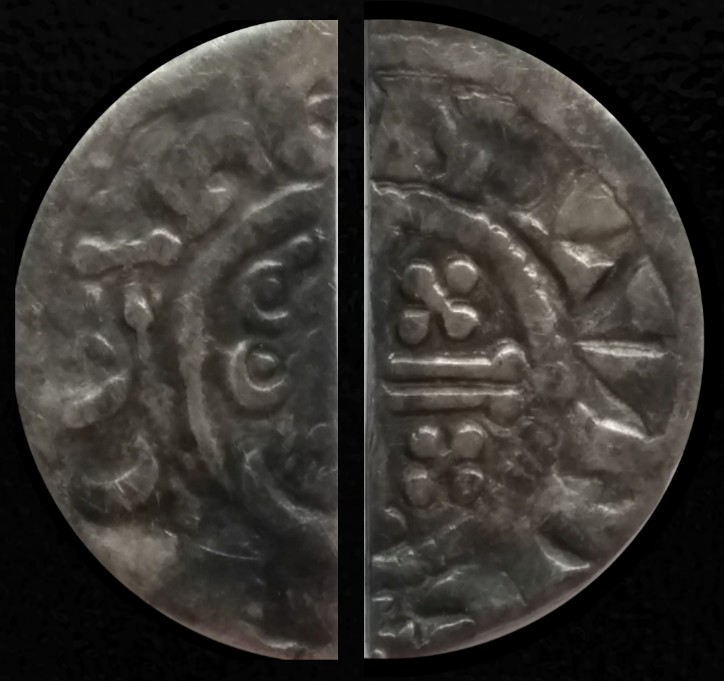
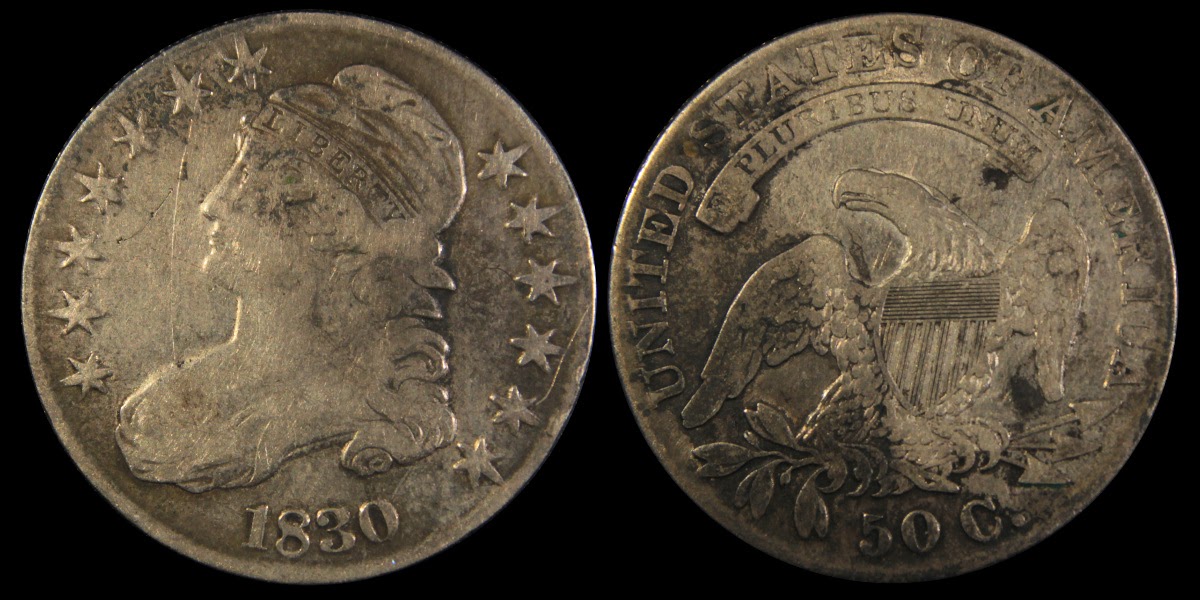
Ancients day!
Since "ancient" encompasses about 2,000 years (600 BC until 1400 AD) I hope I can be forgiven for posting more than one coin!
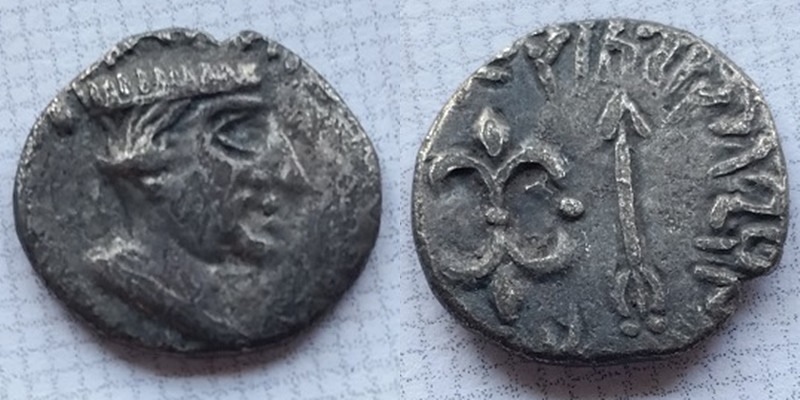
Unknown, probably local imitation of Kushan type, ca. 150-400 AD
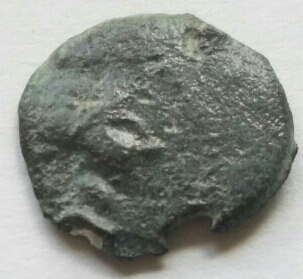
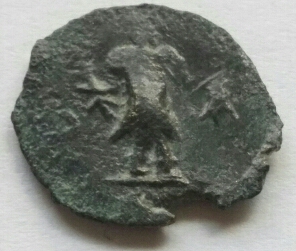
This one had experts on three different forums stumped. It's not in any reference catalog, and nobody has seen one like it before. I figure that speaks for itself?
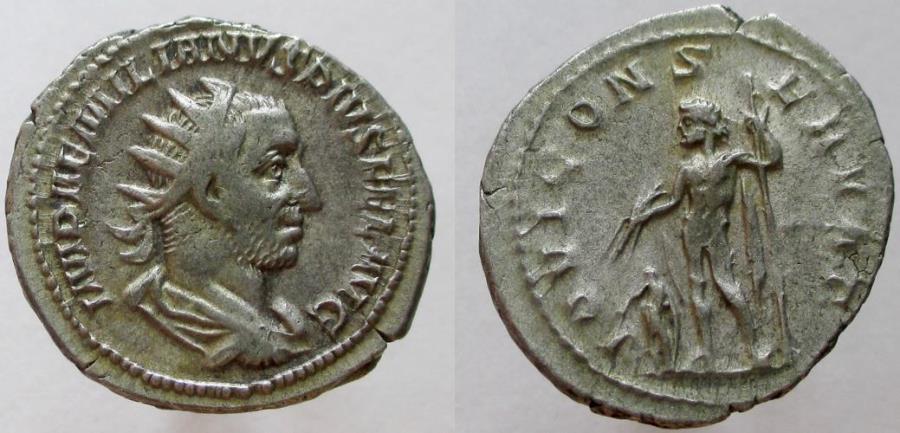
Rome, Aemilian. August-October 253
Unlike some later short-lived emperors, Aemilian struggled to gain enough acceptance to have coins minted in his name, and was also declared a public enemy upon his death and non-hoarded coins were recalled. All of his coins are rare to very rare.
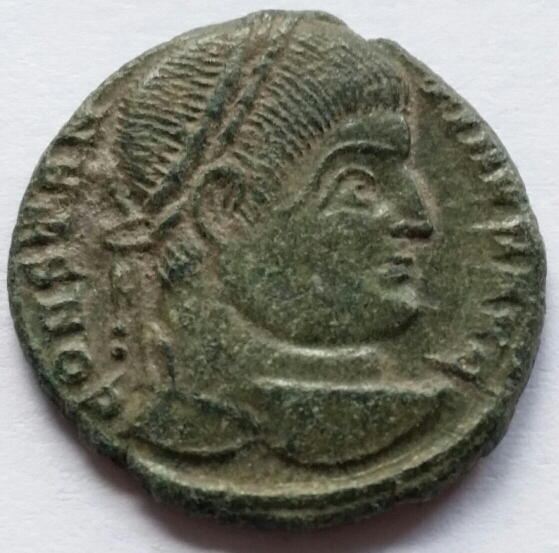
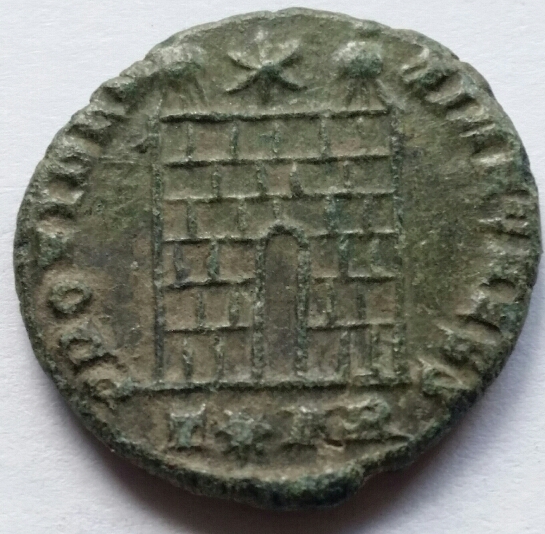
Constantine the Great
PROVIDENTIAE CAESS, Camp Gate or city fortification
Unpublished and likely unique mule from Trier, 3rd officina (T*AR), using a reverse of Crispus or Constantine II. Providentiae Caess means "foresight of the Caesars" and is not a legend the Emperor would have used. Trier's third mint office is not known to have produced any coins for Constantine at all. This is comparable to a 1999
WAM cent turning up from the Denver mint.
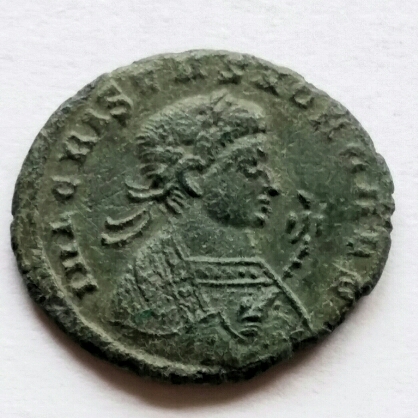
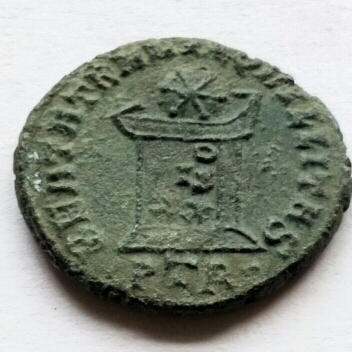
Crispus AE3
IVL CRISPVS NOB CAES
Laureate, consular bust right,
wearing trabea, eagle-tipped scepter in right hand.
BEATA TRANQVILLITAS, Globe on altar inscribed VO/TIS/XX, three stars above
Trier Mint
Mintmark Dot PTR dot
RIC 376, Rated R4, 3-5 known (in the 1980s... more have been found since)
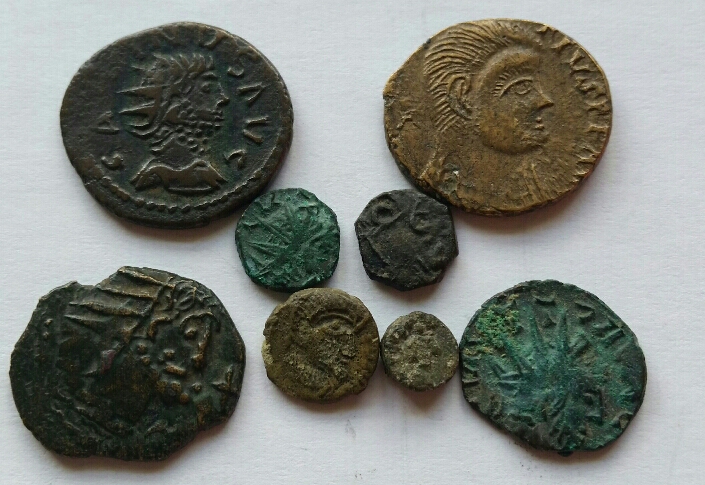
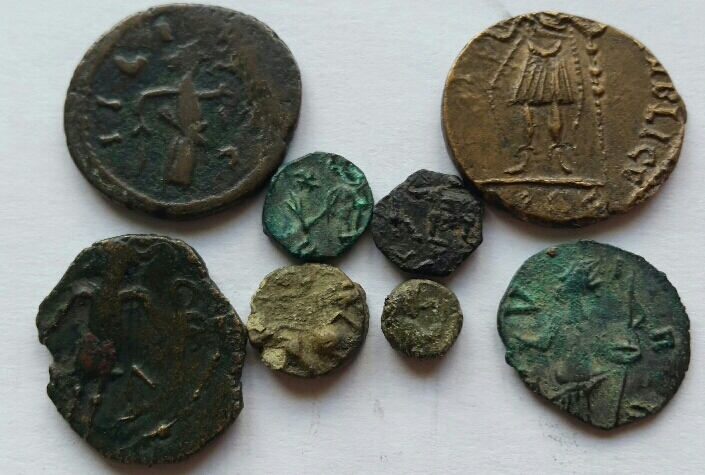
A small selection of my favorite "barbarous" Roman coins, from ca. 265-350. These are poorly understood, but may have been:
1. Imitations made by the barbarians north of the Rhine
2. Emergency supplies of small change made by local blacksmiths, with or without official approval.
3. Attempts to counterfeit.
That said, while these coins as a whole are almost as common as regular coinage, these were made on a small scale with cheap equipment. Die matches are exceedingly rare to nonexistent, and most individual types probably had mintage runs in the low hundreds before a new die was required.
Huns in Sindh (Pakistan), ca. 600 AD
Sri Yashaaditya silver "obol"
Known from a single hoard of a few hundred, first discovered in 1990s.
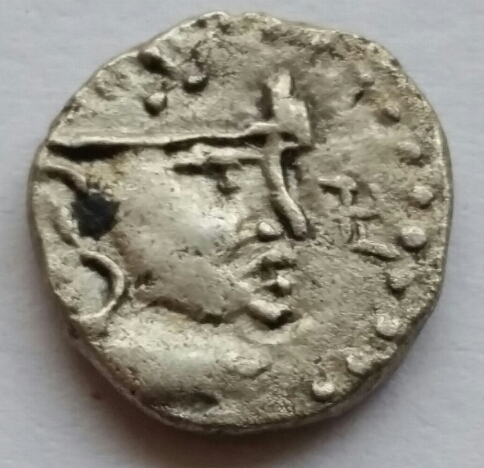
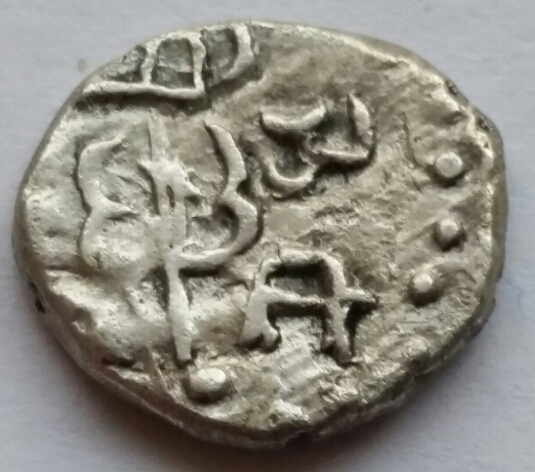
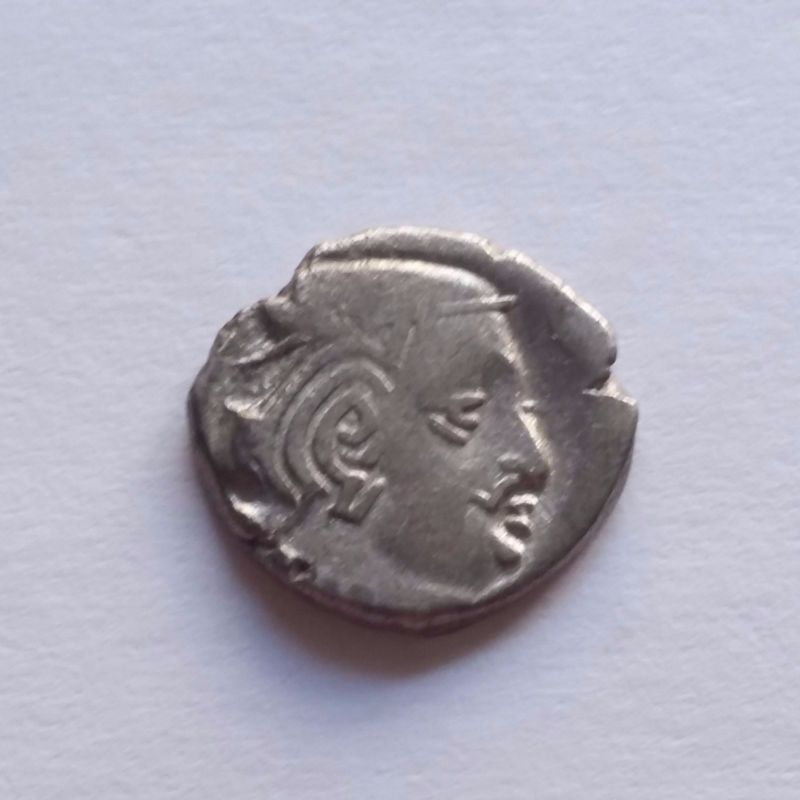
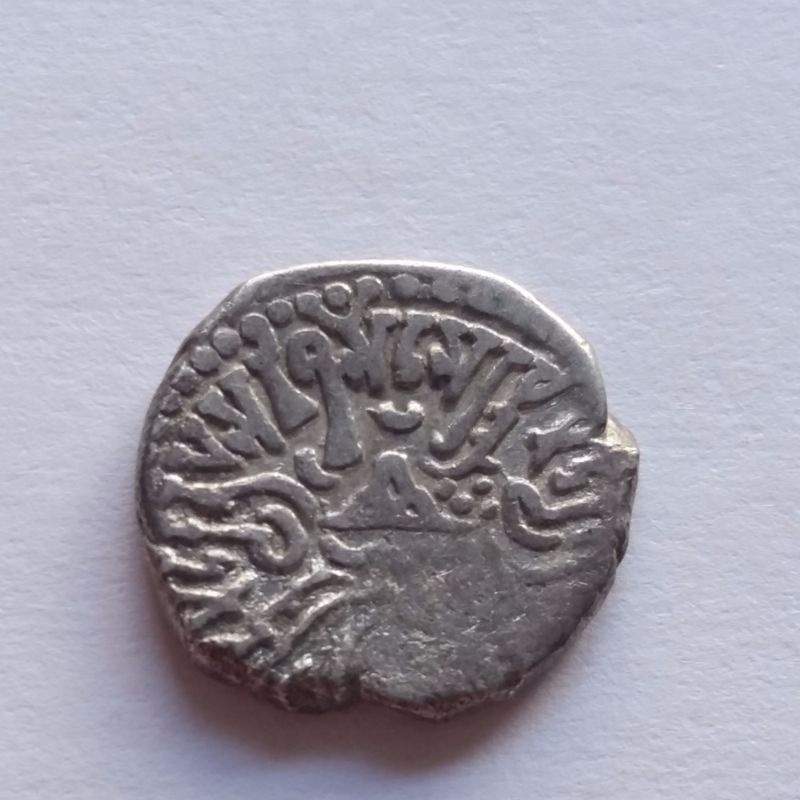
Huns or Gurjuras in NW India, ca. 550-700 AD
Peroz-imitation type (the great-great-granduncle of the Gadhaiya Paisa)
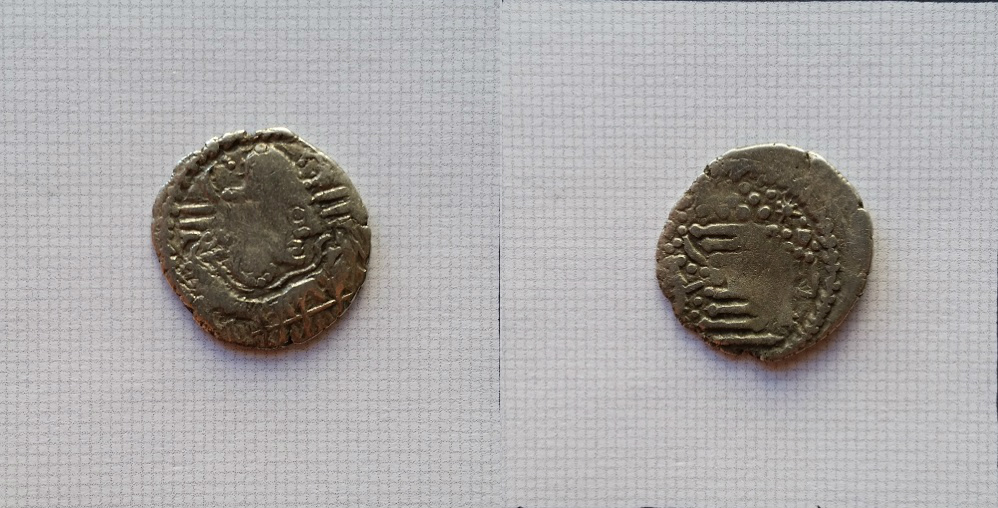
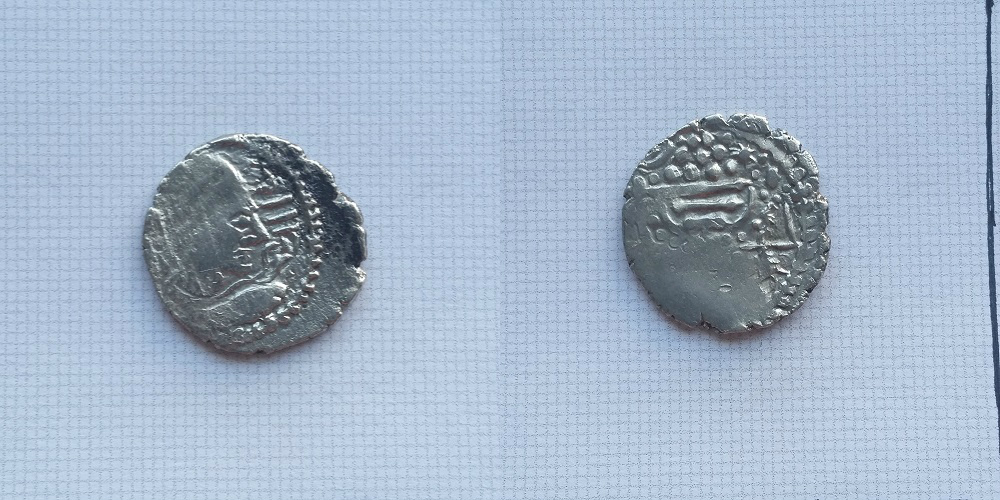
I only currently own one, but note that these coins are a die match to each other. I purchased these about a year apart, ostensibly from different hoards. I have only ever seen these two, and the fact that they are die matches strongly supports the hypotheses that only a single die was ever made. This particular type (broad flan, large nose, no facial hair) is also quite rare itself.




 First Page
 Previous Page




 Posted 09/22/2017 4:30 pm







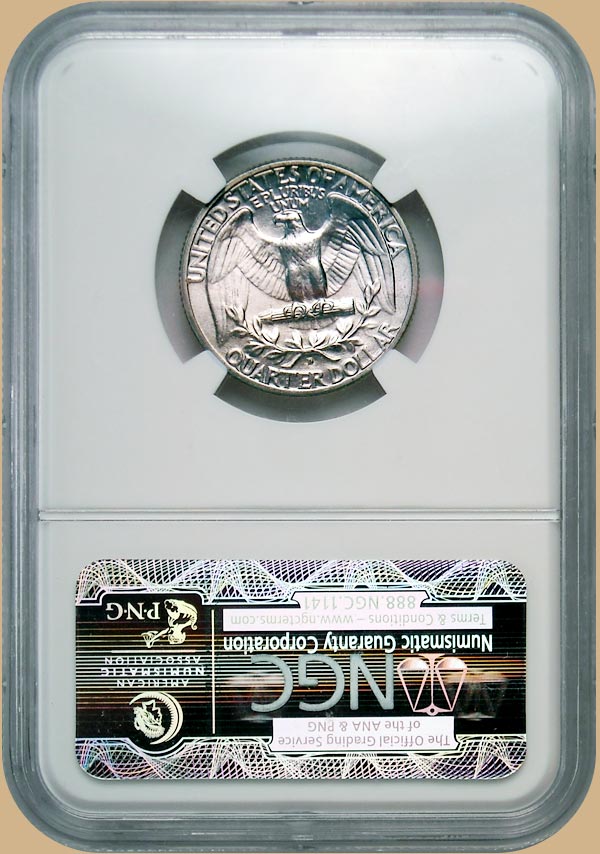
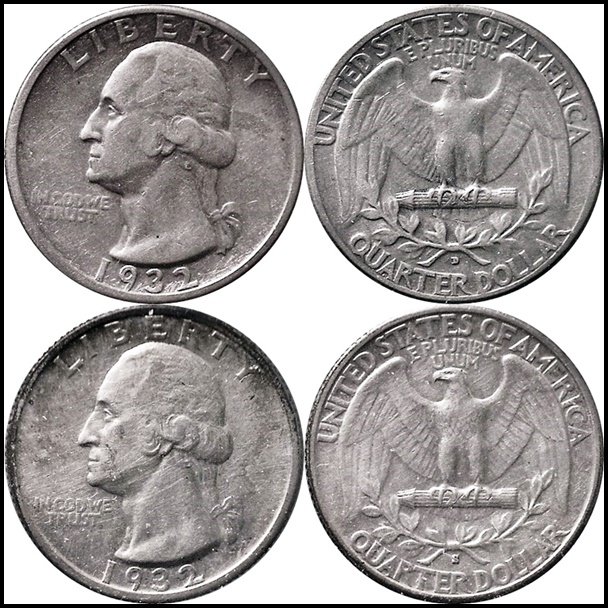


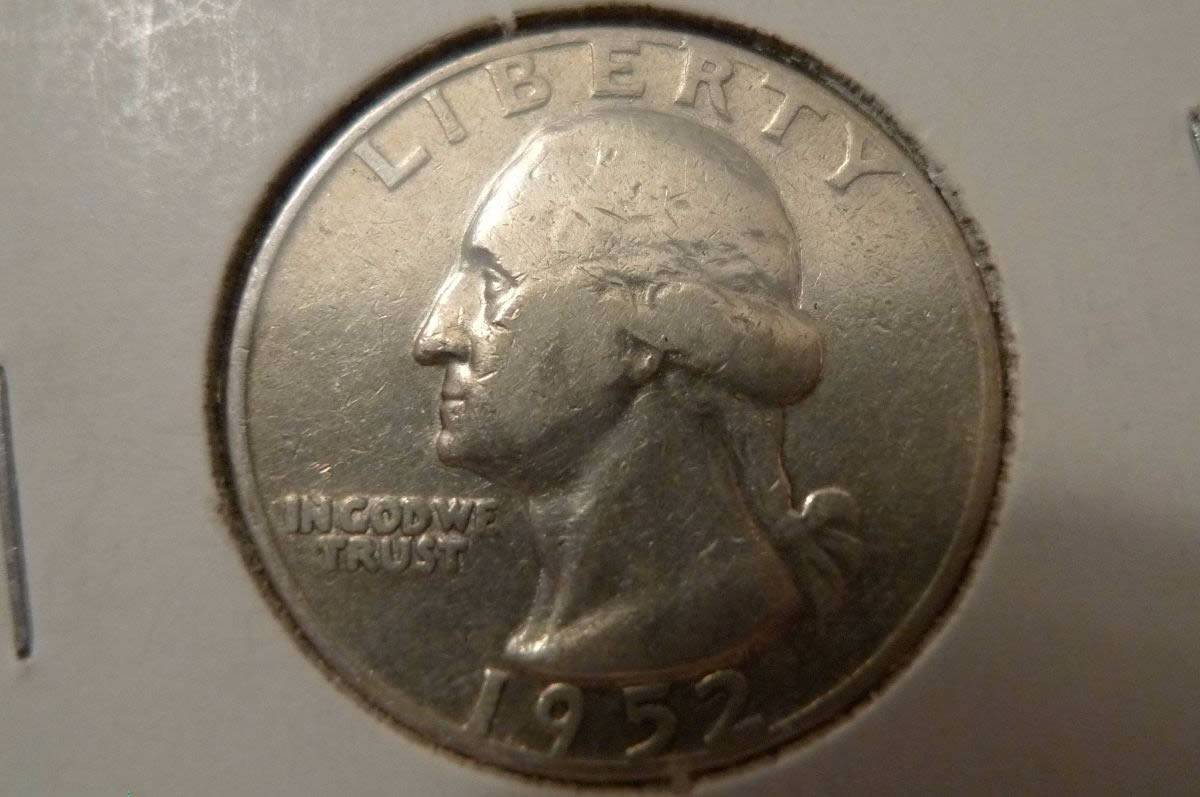
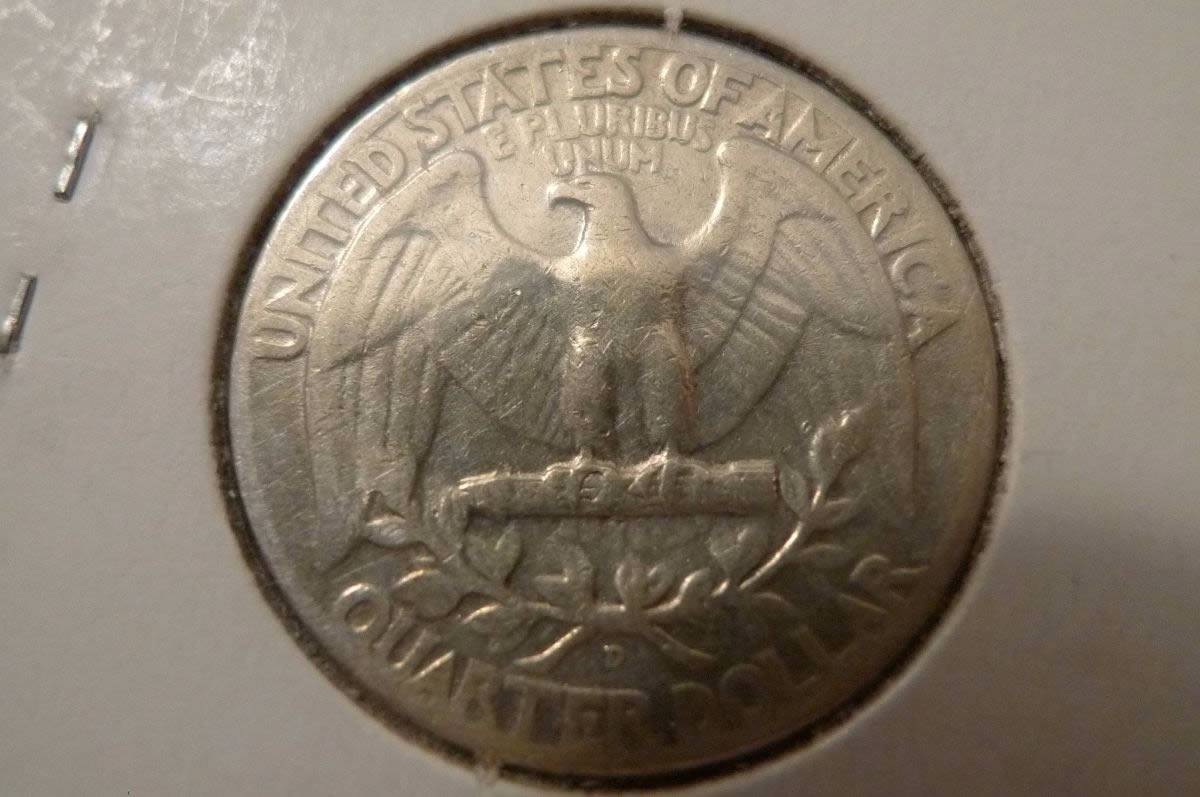



 My little ancient collection has no mintage figures, probably a rarity scale instead.