| Author |
 Replies: 222 / Views: 11,945 Replies: 222 / Views: 11,945 |
|
|
|
Pillar of the Community
5464 Posts |
|
|
Pillar of the Community
Australia
9735 Posts |
My first Lincoln Cent_USA_Lincoln_Cent_(VDB).jpg) My last Lincoln Cent (for now). _USA_Lincoln_Cent.jpg) My first Great Britain 1/2 Penny. (1737) 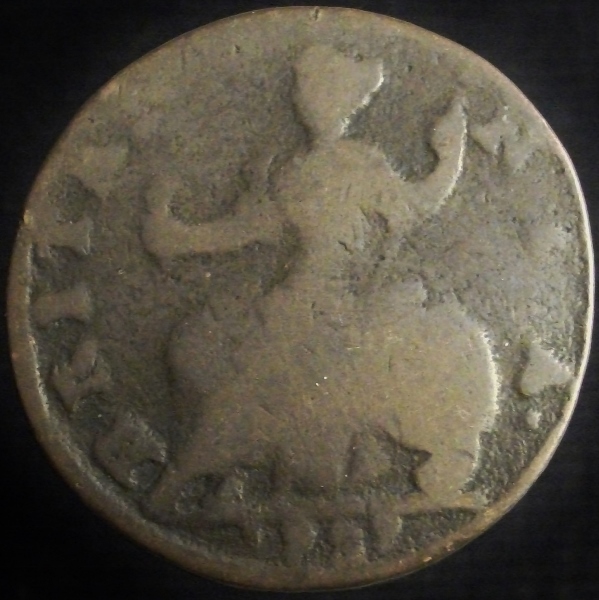 My last Great Britain Half Penny. 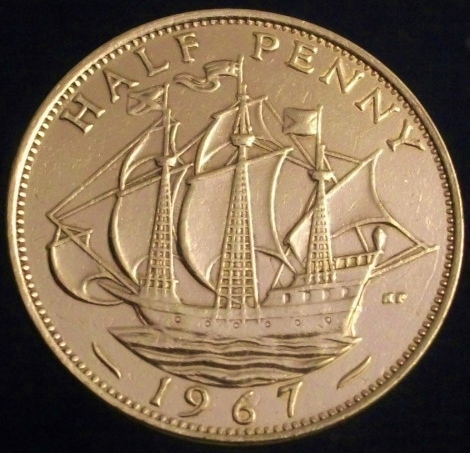 My first Australian shilling. 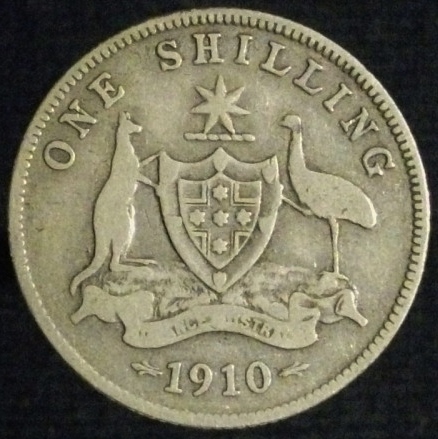 My last Australian Shilling. 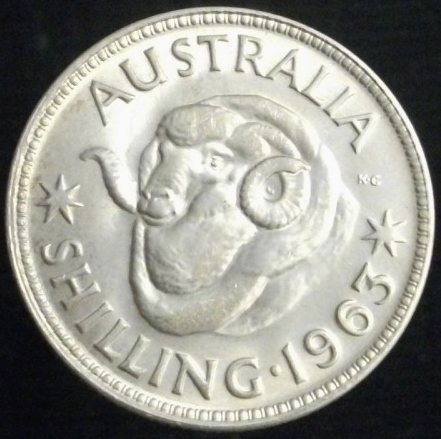 My first German Federal Republic One Pfennig. _Germany_One_Pfennig.jpg) My last German Federal Republic One Pfennig. _Germany_One_Pfennig.jpg) Steve  |
|
Bedrock of the Community
United States
94367 Posts |
trigger - Nice comparisons!
Edited by Coinfrog
12/02/2017 7:31 pm
|
|
Pillar of the Community
5464 Posts |
|
|
Pillar of the Community
United States
1314 Posts |
|
|
Pillar of the Community
 United States
6130 Posts |
Earliest and last Attic weight drachms (4.2g) Left: Alexander the Great (Posthumous, late 4th or early 3rd century BC) Right: Indian "Gadhaiya" from the Sri Omkara monastery, Malwa, ca. 1350 AD. 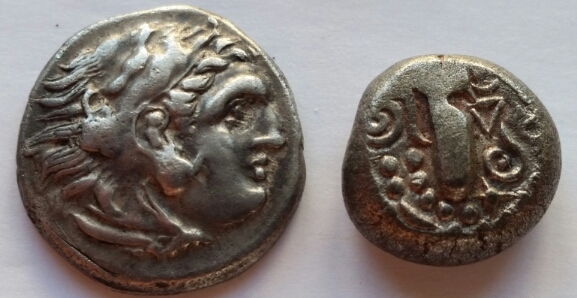 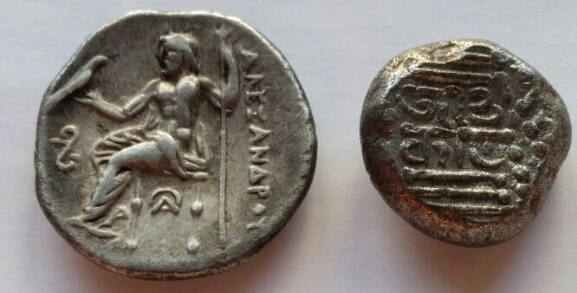 The survival of this denomination into the middle ages is incredible to me. The Drachm was first produced in Greece, as a weight of silver nominally equal to 6 oboli, or rod-shaped bronze ingots. Drachm meaning "grasp", the average adult could only hold 6 oboli while still making their fingers touch. Athens came to be the dominant trade power in the world at this time, so their standard of the 4.2 gram drachm was widely adopted. Alexander coined all of his money to the Attic standard, which set the precedence for the entire Greek world after his death. The drachm faded from use in Europe in the 1st century BC, being replaced by the Roman denarius, originally an equivalent coin, but slowly reduced to about 3 grams. It was retained in the Persian kingdom of Parthia, who were Rome's only unconquerable great foe. Parthia fell and was replaced by the Sassanian empire in 224 AD, and they continued to use the same weight standard, albeit in a wafer-thin 24-30mm coin. Their coinage was adopted by the Huns in about 400-500 AD, who in turn reintroduced it into India in around 600. The Indians slowly molded it back into a thick, deeply struck coin, where it became the local standard of trade until the Muslim conquests at the end of the 13th century. The monastery at Sri Omkara continued minting the coins until the mid or late 14th century, but they reportedly still circulated there as late as the 1960s. |
|
Pillar of the Community
 United States
5029 Posts |
Interesting write up Finn. Thanks!
|
|
Moderator
United States
194611 Posts |
Well done, Finn.  |
|
Pillar of the Community
United States
1314 Posts |
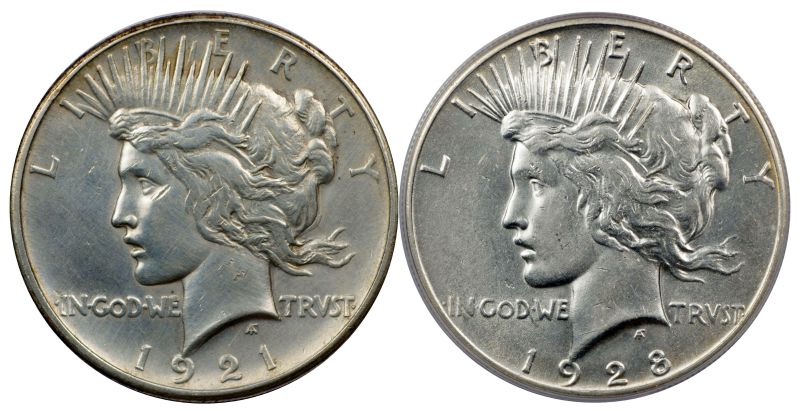
Thanks Finn. Thinking resumed after sleep and a meal, much like the production of Peace dollars did in 1934. 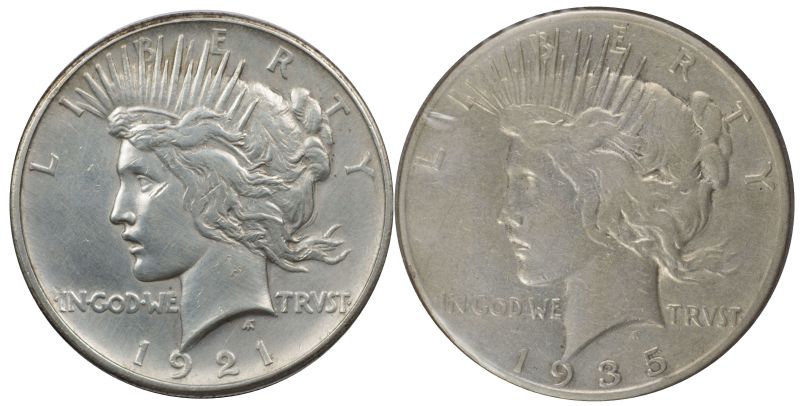 |
|
Bedrock of the Community
United States
12477 Posts |
In Memory of Crazyb0 12-26-1951 to 7-27-2020
In Memory of Tootallious 3-31-1964 to 4-15-2020
In Memory of T-BOP 10-12-1949 to 1-19-2024
|
|
Pillar of the Community
5464 Posts |
Quote:
That's probably enough exposure for that homely coin. Good point! |
|
Pillar of the Community
United States
6130 Posts |
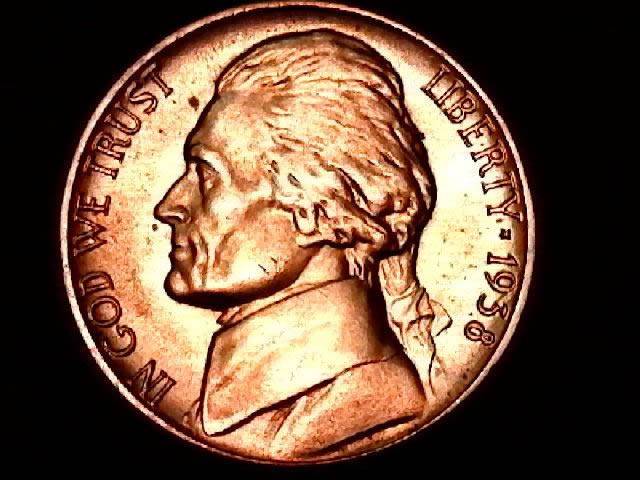
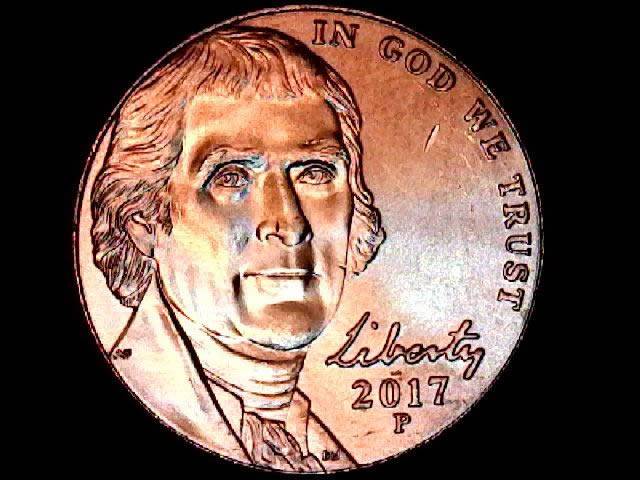
Finally found it for a photo op! Dateless 1790-something Liberty Cap cent + 2017-P cent 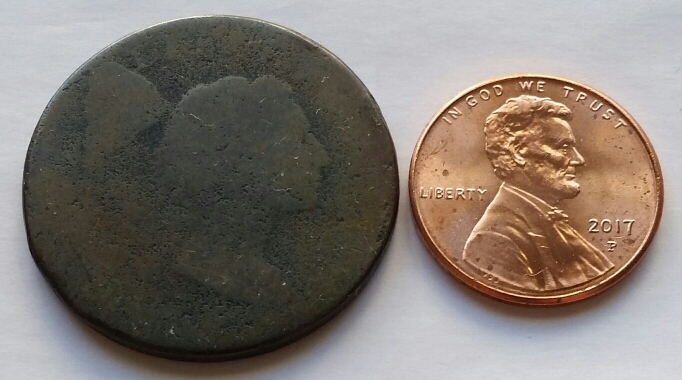 |
|
Pillar of the Community
United States
3504 Posts |
The first coin I ever collected was an 1884 Morgan given to me by my great grandmother, he birth year. The most recent, not last, is a 2017 Sacagawea Enhanced Uncirculated 70 PCGS.
|
|
Moderator
United States
194611 Posts |
Quote:
Finally found it for a photo op!
Dateless 1790-something Liberty Cap cent + 2017-P cent Excellent!  |
|
Pillar of the Community
United States
6130 Posts |
Here's the collapse of the Roman economy in two coins. Both are antoninianii, or double-denarius coins; nominally carrying the same face value, and both of the emperor Gallienus who ruled with his father Valerian from 253-260 and alone from 260-268. 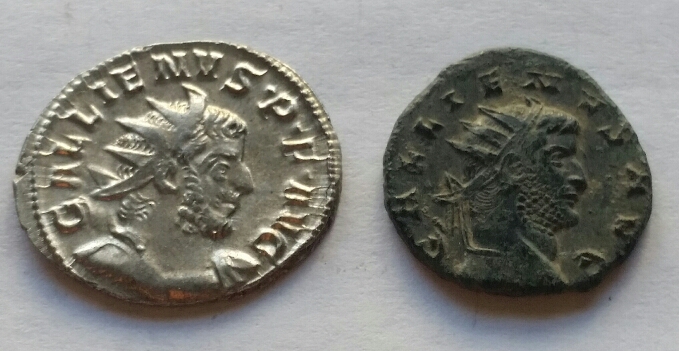 In 253, the Antoninianus was already heavily debased, only about 25-30% silver, but acid-washing the planchets prior to striking somewhat hid this fact. Barbarian raids and a massir Persian campaign caused runaway inflation, not helped by the capture and execution of Valerian in 260. By the time of Gallienus' assasination in 268, the antoninianus was a near-worthless copper coin with a >4% silver content, sometimes coated in a thin wash of silver. |
| |
Replies: 222 / Views: 11,945 |








 First Page
 Previous Page


 Posted 12/02/2017 7:13 pm