| Author |
 Replies: 5,294 / Views: 290,693 Replies: 5,294 / Views: 290,693 |
|
|
|
Pillar of the Community
United States
9395 Posts |
1524 -- City of Schweidnitz, 1/2 groschen: 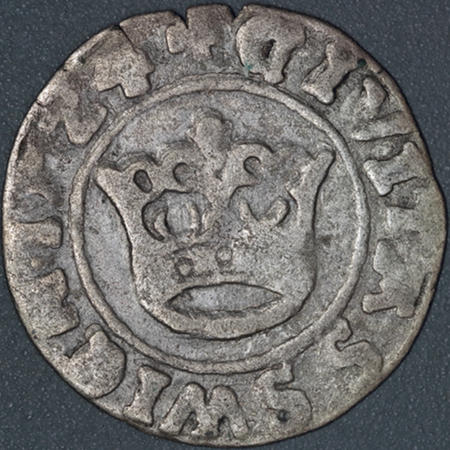 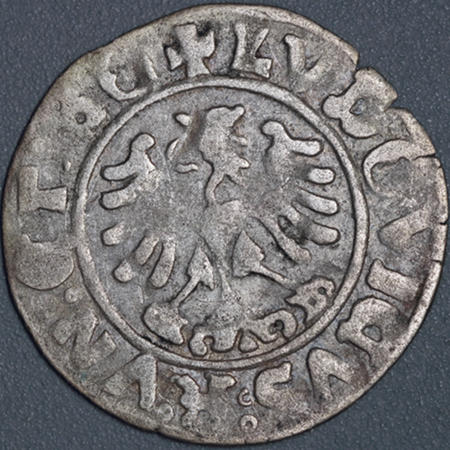 |
|
Moderator
 United States
34562 Posts |
And now for something a little different. Here is a Aksce from Ottoman Turkey dating to around 1524. 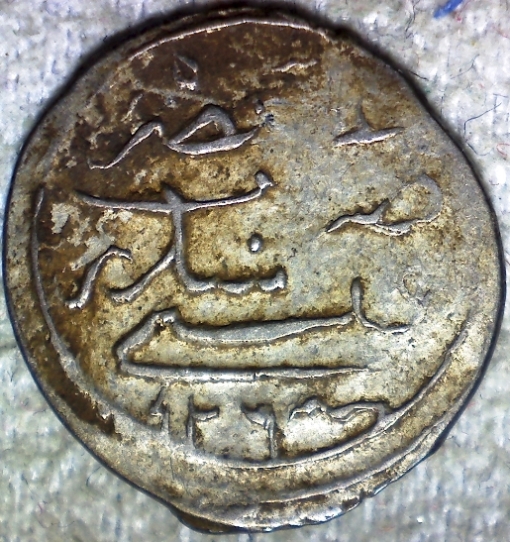 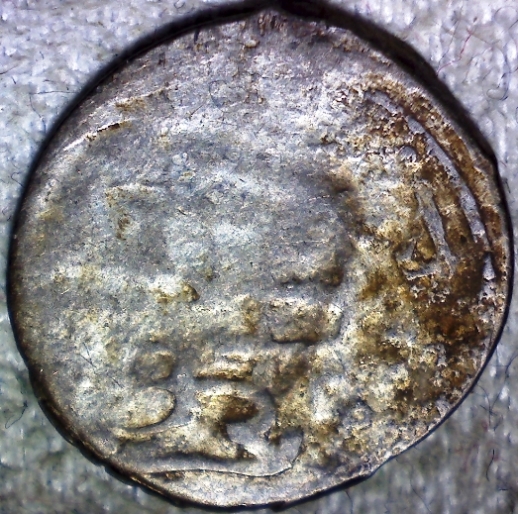 "If you climb a good tree, you get a push."
-----Ghanaian proverb
"The danger we all now face is distinguishing between what is authentic and what is performed."
-----King Adz
|
|
Pillar of the Community
 United States
8056 Posts |
I like that denar @petrus. I understand that on coins with AH dates, the AH year will generally span more than one year in the Gregorian calendar (and hence the comment "around 1524." So for purposes of this thread do we count the AH dated coin based on which Gregorian year contains the majority of the days in the AH year? Or can the poster choose? I don't have any medieval coins with AH dates,, but I do have an undated European coin which I know spans two years. This 1524 schilling is the earliest dated coin from the Gdansk mint. 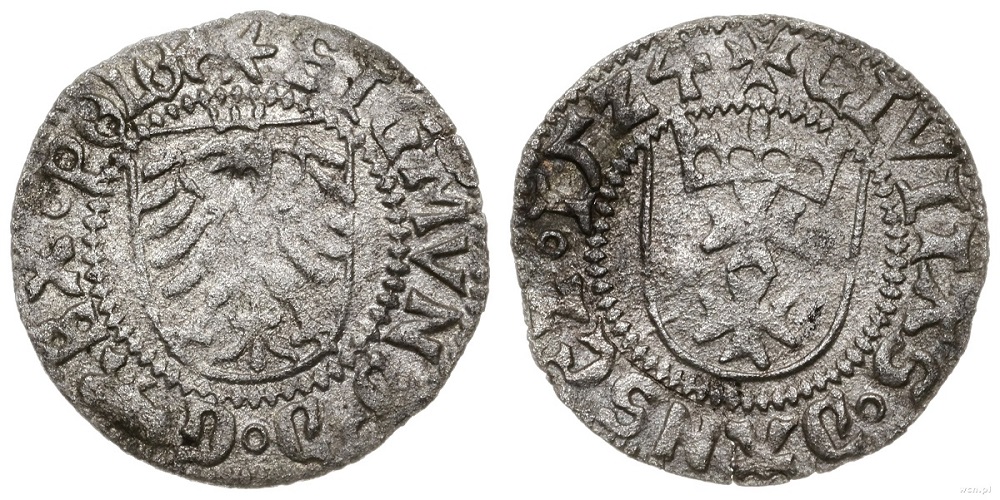 |
|
Moderator
United States
34562 Posts |
Quote:
Or can the poster choose? It is my experience that this thread is a little more lenient than some others when it comes to dates. "If you climb a good tree, you get a push."
-----Ghanaian proverb
"The danger we all now face is distinguishing between what is authentic and what is performed."
-----King Adz
|
|
Pillar of the Community
Russian Federation
5186 Posts |
I believe that for AH dates (and other examples of minting periods spanning across two AD years but not exceeding a year in length), it's supposed to go under the AD year that contains the majority, but the poster can choose if they're fine with it not advancing the year (e.g. if an AD dated coin of that year had already been posted), and probably also if the majority is very slim (and the same date had not been already used to advance from the other year).
As for coins with a multiple-year minting period, by the rules, they never advance the year, so yes, the poster can choose; typically, such coins are posted at the earliest year of the range, but it's not a requirement.
|
|
Pillar of the Community
Belgium
2895 Posts |
Quote:
I believe that for AH dates (and other examples of minting periods spanning across two AD years but not exceeding a year in length), it's supposed to go under the AD year that contains the majority, but the poster can choose if they're fine with it not advancing the year (e.g. if an AD dated coin of that year had already been posted), and probably also if the majority is very slim (and the same date had not been already used to advance from the other year).
As for coins with a multiple-year minting period, by the rules, they never advance the year, so yes, the poster can choose; typically, such coins are posted at the earliest year of the range, but it's not a requirement. that is what I try to do with AH coin or ND coins.  |
|
Moderator
 United States
196100 Posts |
This is correct.  |
|
Pillar of the Community
United States
1186 Posts |
Both of these are 1524 Hungarian Denars under King Louis II with a Lily-Lily/L-C mint mark. This one has a backwards 2 in the date. 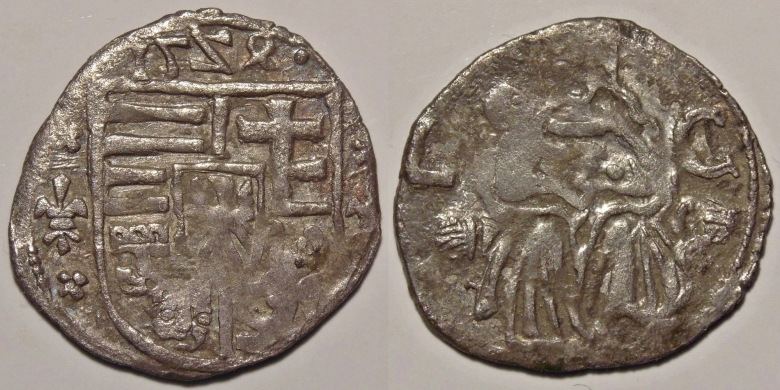 This one has a normal 2 in the date. This is actually the scarcer of the two. 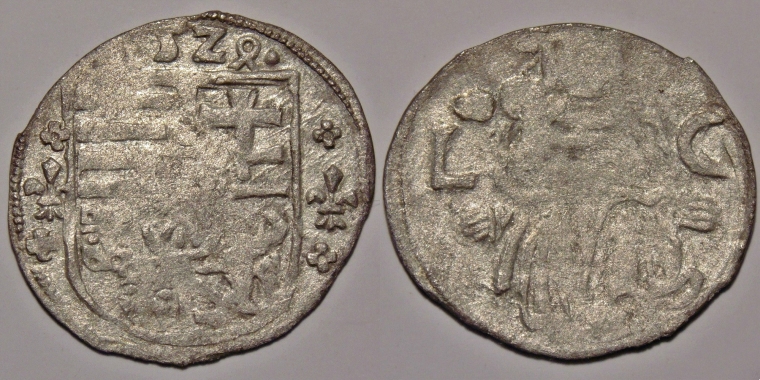 Edited by EddieDiz
10/31/2019 1:02 pm
|
|
Valued Member
Lithuania
386 Posts |
Sigismund the Old, Lithuanian half-groat 1524 from my collection, 93S in our book. 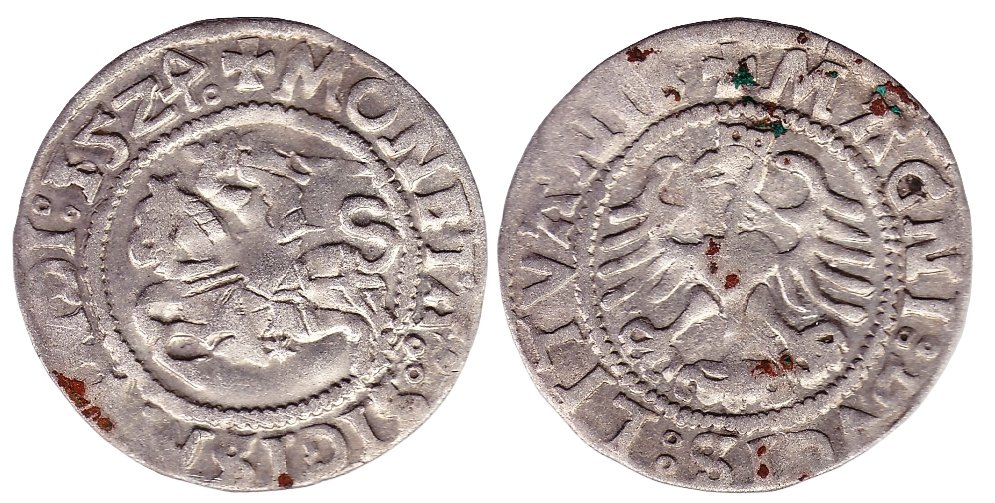 Edited by giedrius
10/31/2019 4:57 pm
|
|
Pillar of the Community
United States
9395 Posts |
1523 -- Grand Duchy of Lithuania, 1/2 groat:   |
|
Pillar of the Community
United States
8056 Posts |
Interesting to look at the various depictions of the numeral 4 in the date yesterday.
EddieDiz' Hungary denars have the old style 4, whereas the 1534 denars had the modern 4. The Lithuania half groat has a backwards 4 (varieties with the normal4 are more rare), and Schweidnitz and Gdansk have a modern 4.
Edited by tdziemia
11/01/2019 08:15 am
|
|
Pillar of the Community
United States
1186 Posts |
It must have been a transition because I have some 1524's with the new style 4's also.
|
|
Moderator
United States
34562 Posts |
Quote:
It must have been a transition I agree that the end of the 15th Century and into the 16th is when the shape of some of these numbers started to become more finalized. For today, I have a Batzen from the German Free City of Isny dated AD 1523: 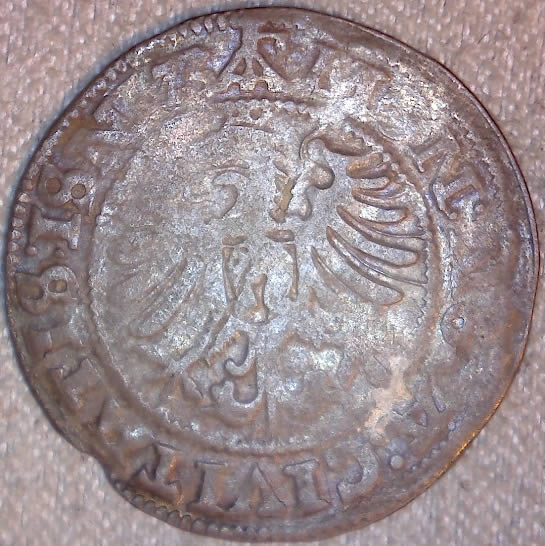 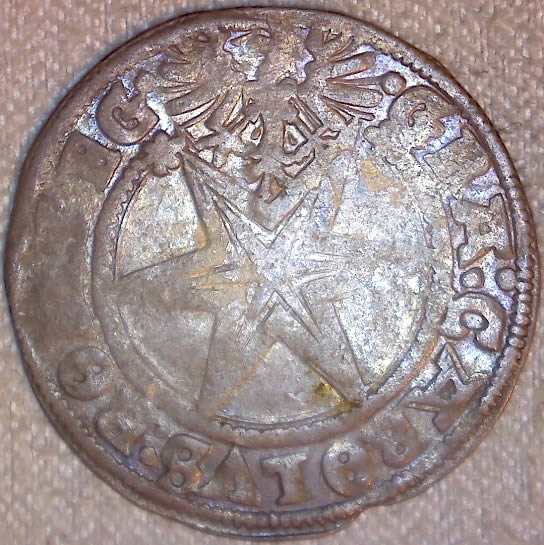 "If you climb a good tree, you get a push."
-----Ghanaian proverb
"The danger we all now face is distinguishing between what is authentic and what is performed."
-----King Adz
|
|
Pillar of the Community
United States
8056 Posts |
So many similar heraldic eagles at that time... though that Isny star is pretty unusual! I have the same as @pepactonius (different subtype), and will have mostly this type for the next two weeks. 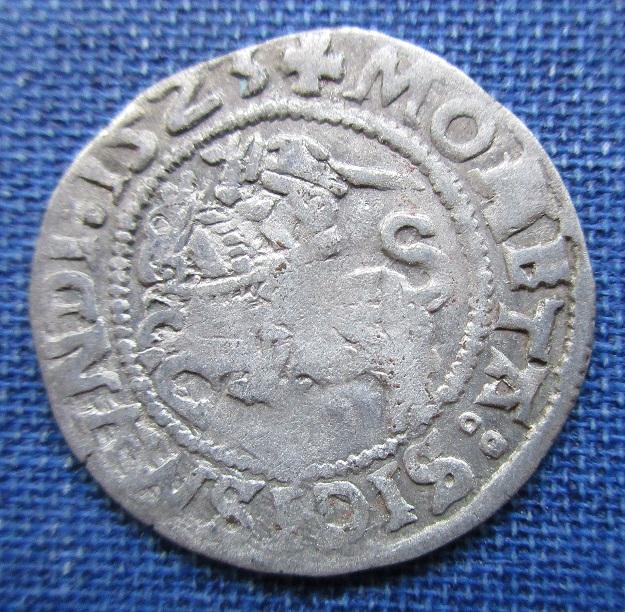 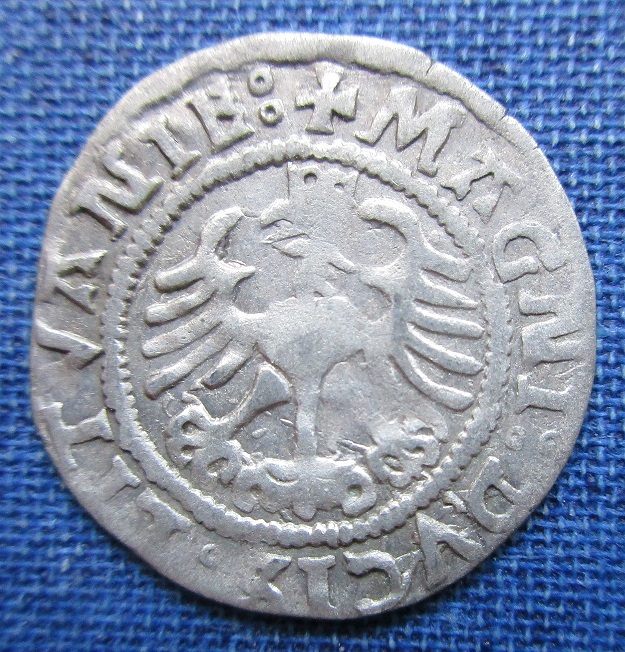 Edited by tdziemia
11/01/2019 9:57 pm
|
|
Pillar of the Community
United States
9395 Posts |
1522 -- Free City of Kempten, 1/2 batzen:  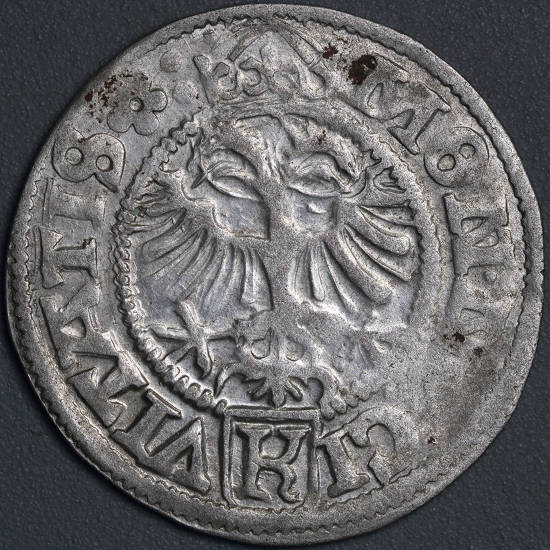 |
| |
Replies: 5,294 / Views: 290,693 |








 First Page
 Previous Page


 Posted 10/31/2019 05:40 am


