| Author |
 Replies: 177 / Views: 20,118 Replies: 177 / Views: 20,118 |
|
Pillar of the Community
United States
2645 Posts |
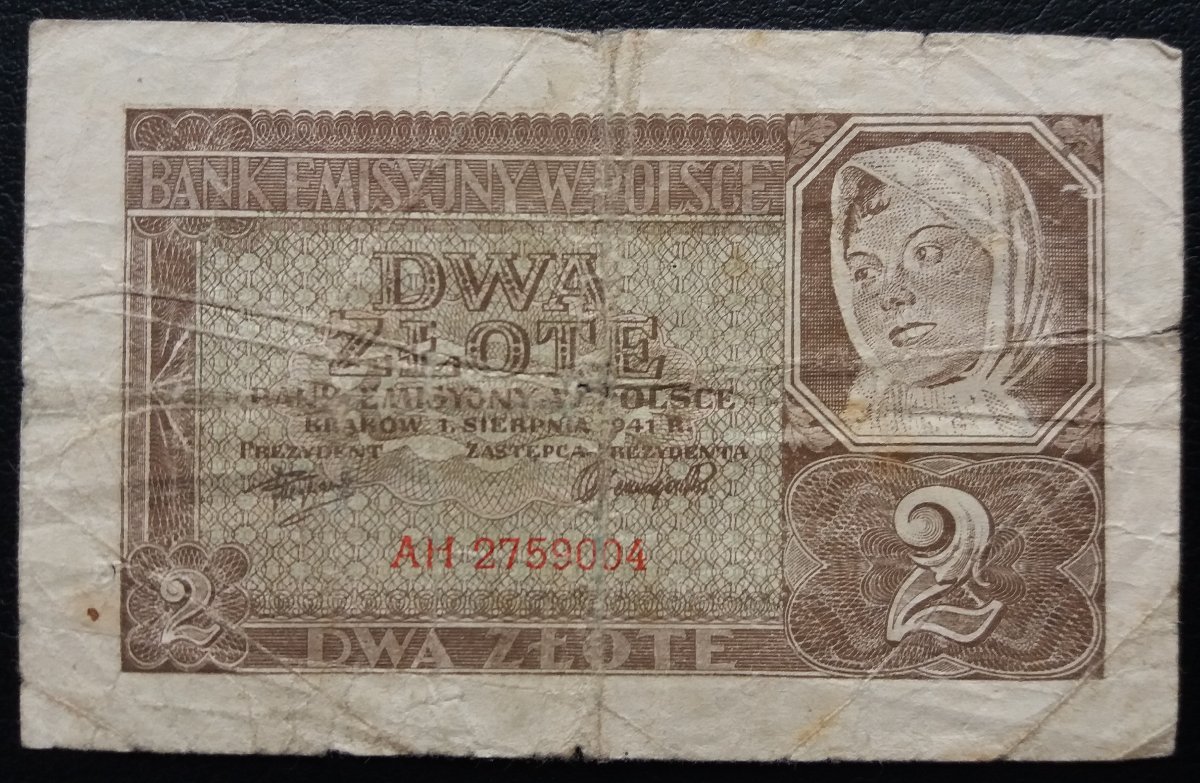
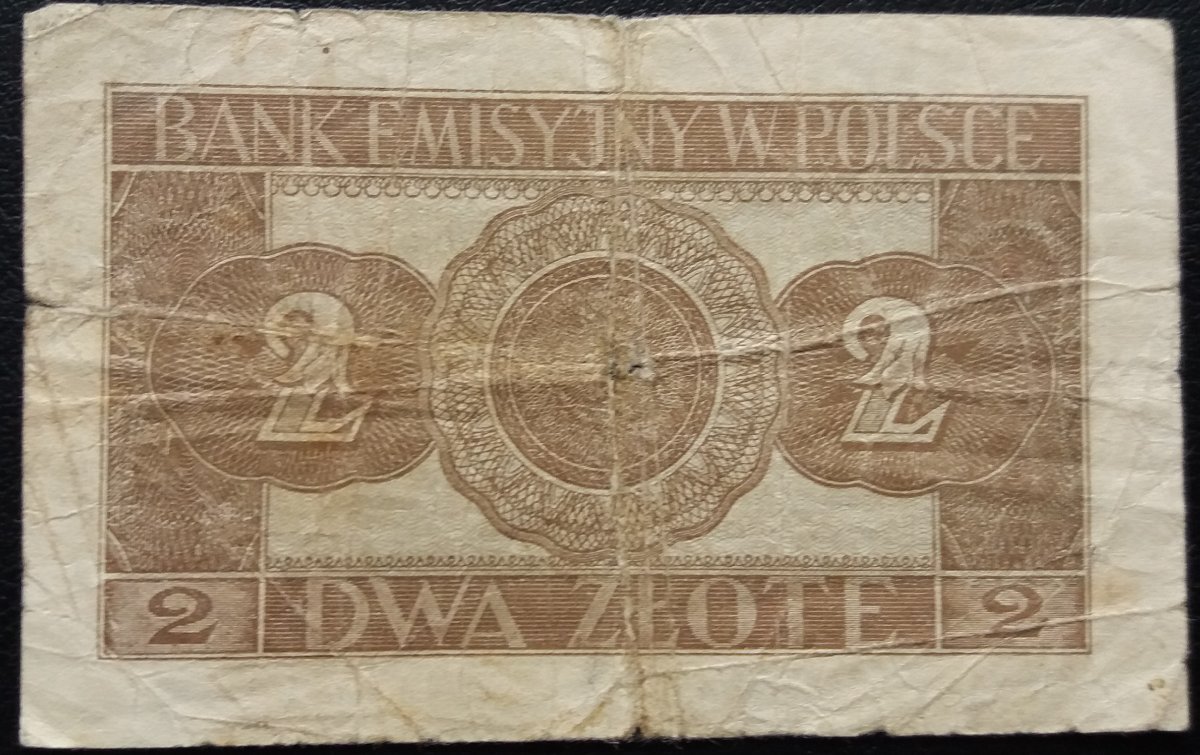
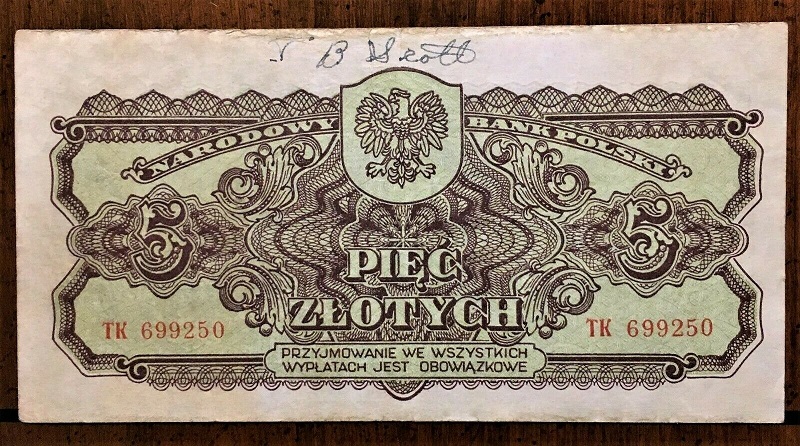
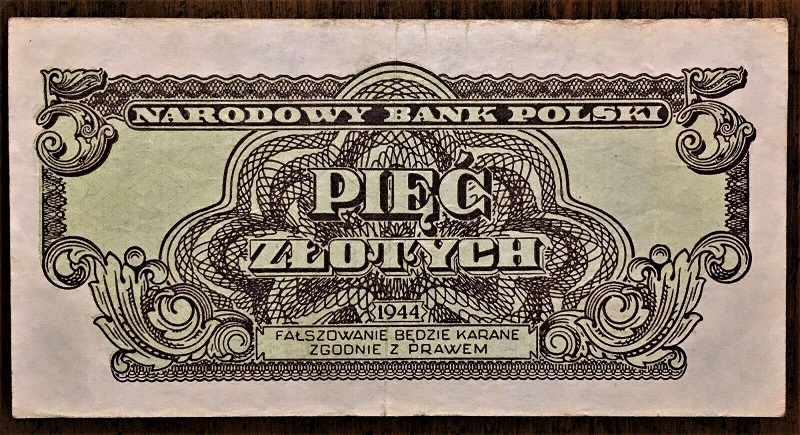
Picked up a couple of notes at the LCS that caught my eye. The 1914 Luxemburg note offers value in both marks and francs. Reminds me of the picture of a prewar American express traveler's check that had the exchange rate of multiple European currencies along the edge. 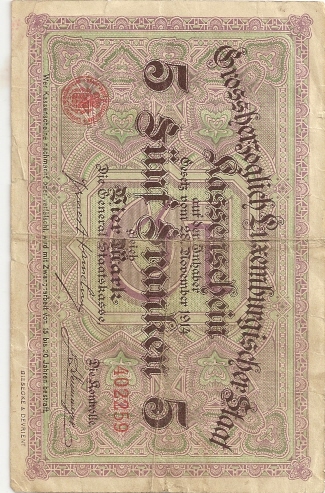 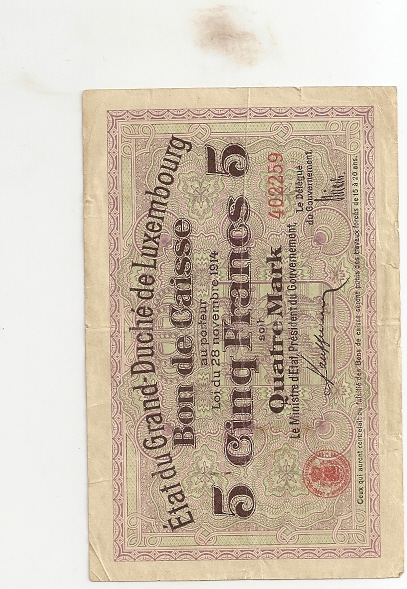 Then there was this 1944 Polish note. No swastika or hammer & sickle. Created for the government in exile perhaps? 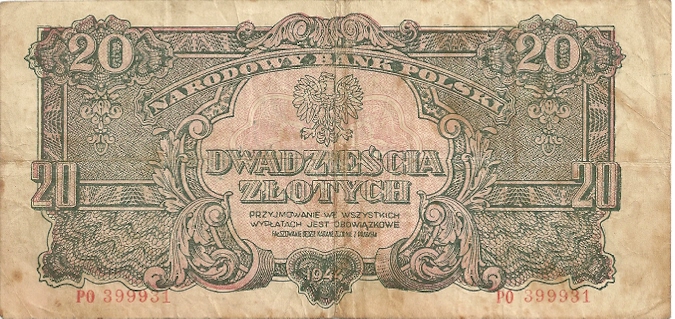 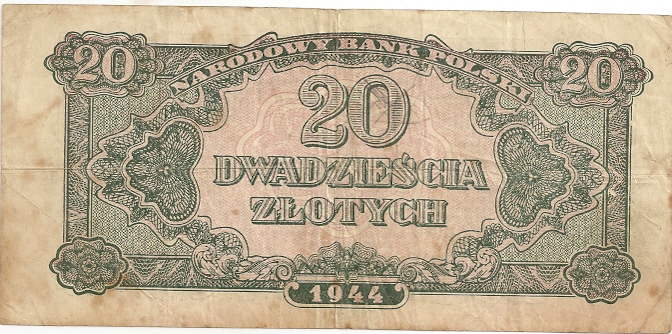 |
|
|
|
Pillar of the Community
United States
747 Posts |
The Luxembourg note is a tougher note.
The Polish note was issued by the Polish National Bank under the authority of the Committee for National Liberation. It is part of the first issue after liberation. There are two varieties, one printed by Goznak the Soviet government printer and the other printed by the Polish National Bank. Yours was printed by the PNB.
|
|
Pillar of the Community
 United States
2645 Posts |
Did these ever circulate in Soviet-occupied Poland?
|
|
Pillar of the Community
United States
747 Posts |
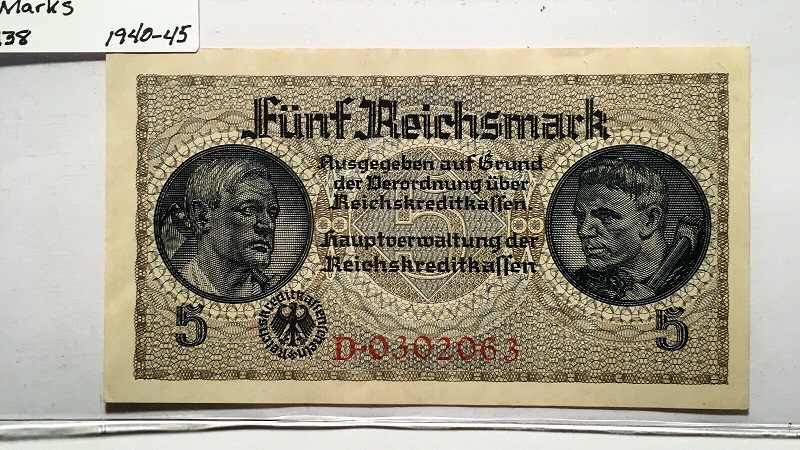
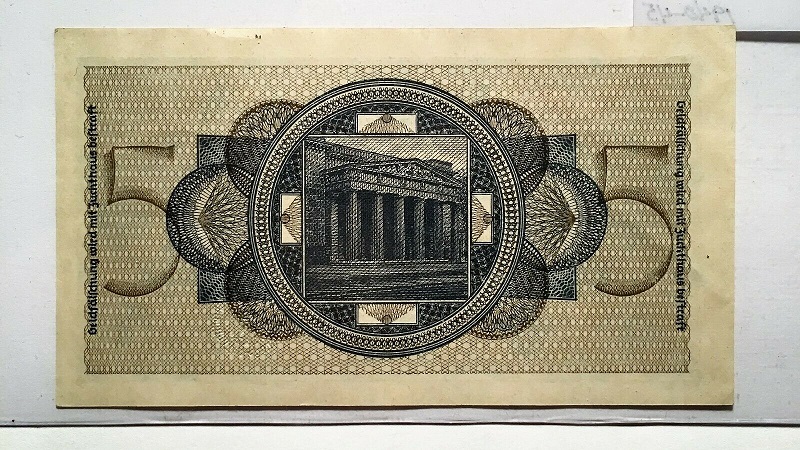
The only notes used in Poland with the swastika were German occupation notes issued by the Reichskreditkassenschein. These did not circulate widely and were used by German authorities to pay the expenses of the occupation.
The notes for general circulation issued by the Emission Bank of Poland did not depict a swastika.
|
|
Pillar of the Community
United States
747 Posts |
This series was circulated by the pro-Soviet government established in 1945. They were in circulation until 1947 when they were replaced by a new series issued by the PNB under the Peoples Democratic Republic of Poland.
|
|
Pillar of the Community
United States
2645 Posts |
Quote:
The notes for general circulation issued by the Emission Bank of Poland did not depict a swastika. I have one of those too. It looks like it's been through a war. 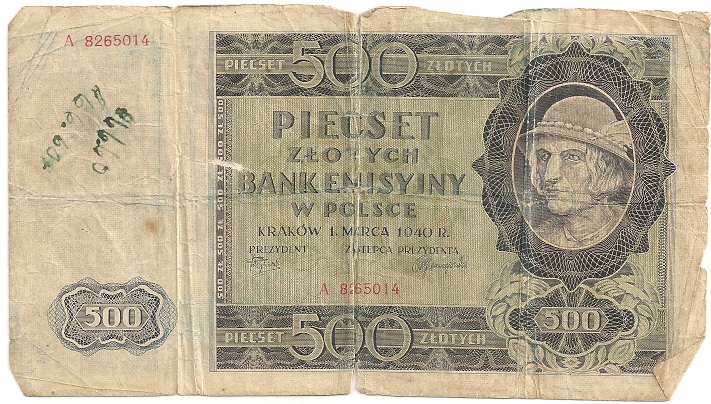 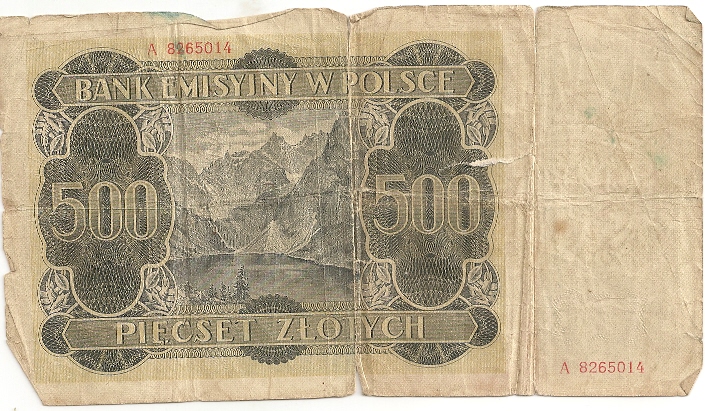 |
|
Moderator
 United States
197316 Posts |
Very nice!  |
|
Pillar of the Community
United Kingdom
901 Posts |
|
|
Pillar of the Community
United States
2645 Posts |
So why is two "zlote" but 500 is "zlotych"?
|
|
Pillar of the Community
United Kingdom
709 Posts |
Re the Polish note, I think there is a parallel with Polish army insignia of that era.
Pre ww2 the Polish eagle army badge had a crown on the eagle's head. When the Soviets set up Polish units in the soviet army they reused the eagle minus the crown, because it was not politically acceptable. Some Polish troops referred to this eagle as the "plucked chicken".
The Polish eagle on this banknote has no crown which would suggest to me it was produced under communist authority, as already confirmed above.
|
|
Pillar of the Community
United Kingdom
901 Posts |
Arkie, not sure. Maybe just a pluralism?
Hopefully someone can answer better
|
|
Moderator
Australia
17021 Posts |
Quote:
So why is two "zlote" but 500 is "zlotych"? Wikipedia offers some explanation here. Basically, in Polish, things that are counted have two forms of plural: one for "a few" (2 to 4) and one for "many" (5 or more). Don't say "infinitely" when you mean "very"; otherwise, you'll have no word left when you want to talk about something really infinite. - C. S. Lewis
|
|
New Member
United States
10 Posts |
|
|
New Member
United States
10 Posts |
The Polish eagle with no crown symbolizes the overthrow, and the end, of the Russian czar/monarchy by the "revolutionaries" in 1917.
|
|
Pillar of the Community
United States
2645 Posts |
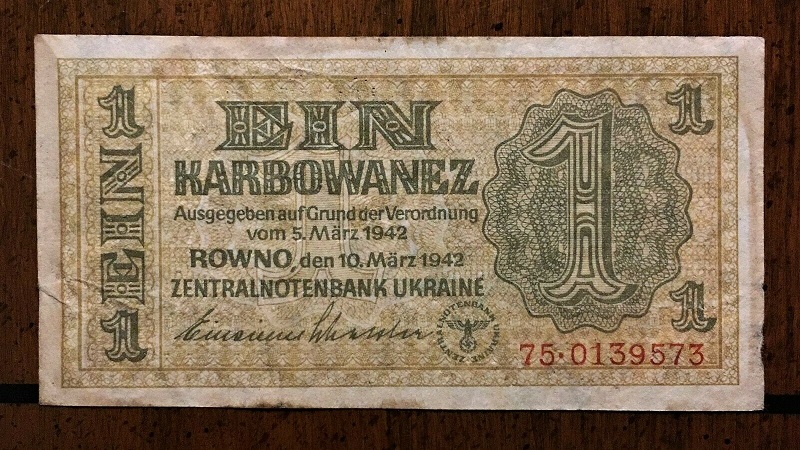
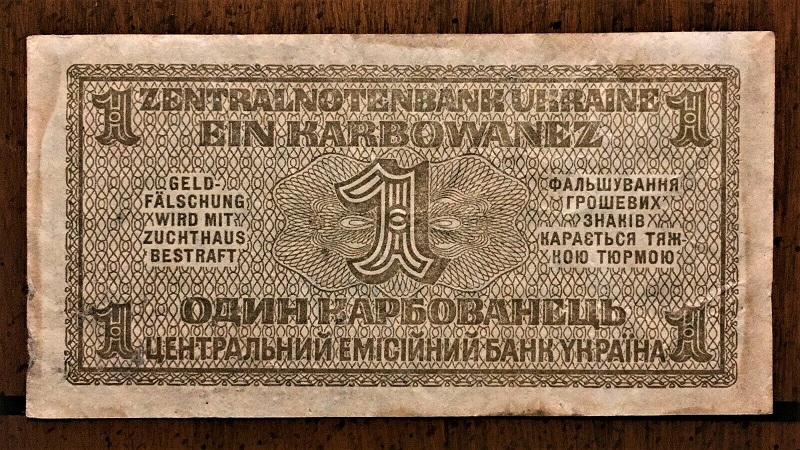
I assume Karbowanez was the German translation of Chervonets 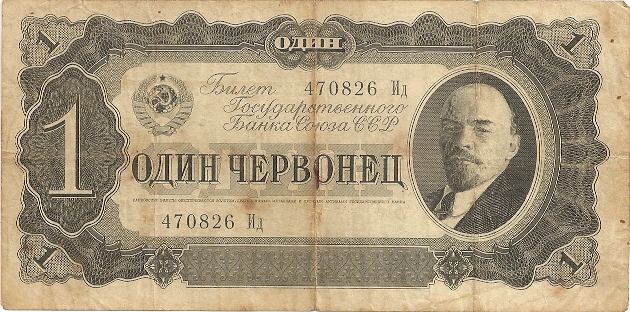 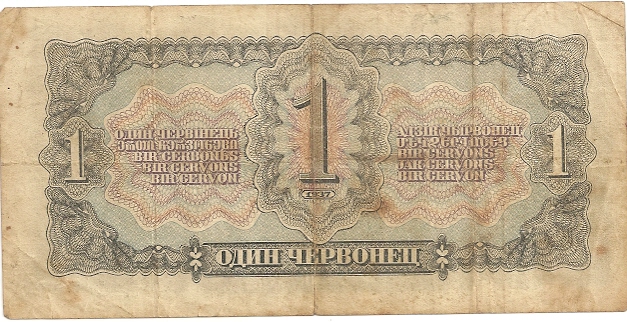 I had thought the chervonets was tied to gold, and was only for use in foreign trade. Here is another wartime note from Belgium: 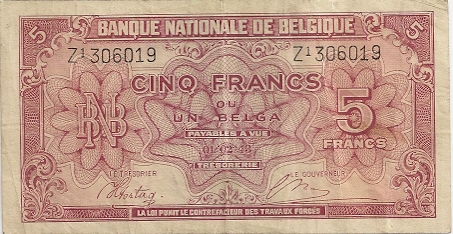 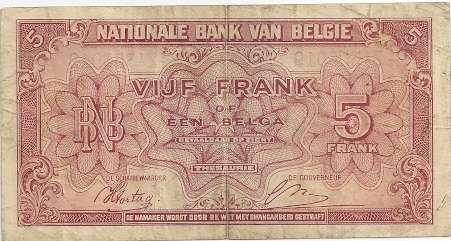 |
|
Moderator
United States
197316 Posts |
Nice group! |
| |
Replies: 177 / Views: 20,118 |




 Posted 06/22/2019 3:06 pm