| Author |
 Replies: 9 / Views: 6,816 Replies: 9 / Views: 6,816 |
|
|
Pillar of the Community
United States
607 Posts |
|
|
|
|
Bedrock of the Community
United States
10635 Posts |
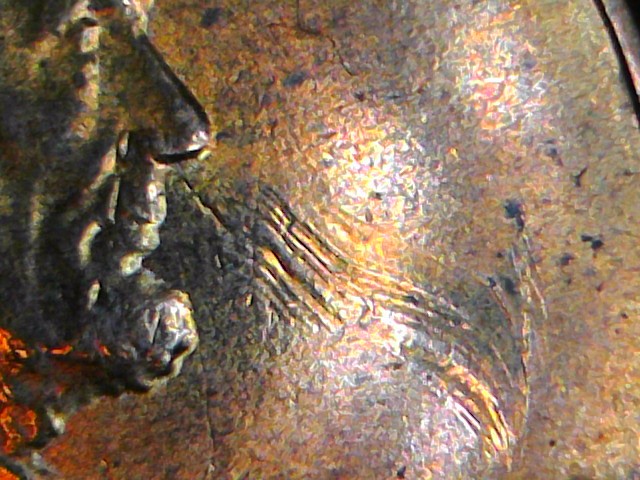
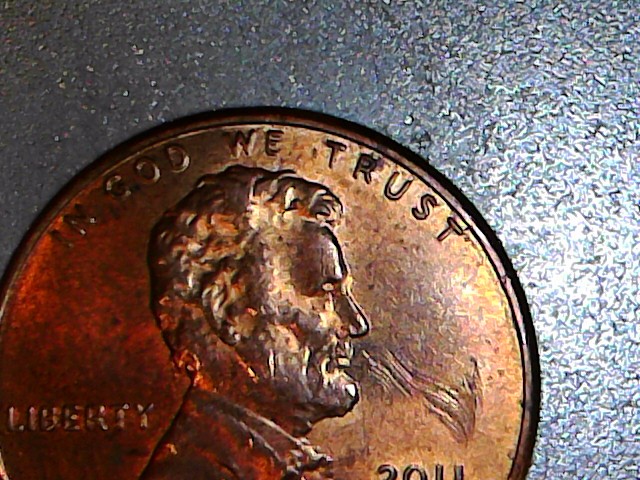
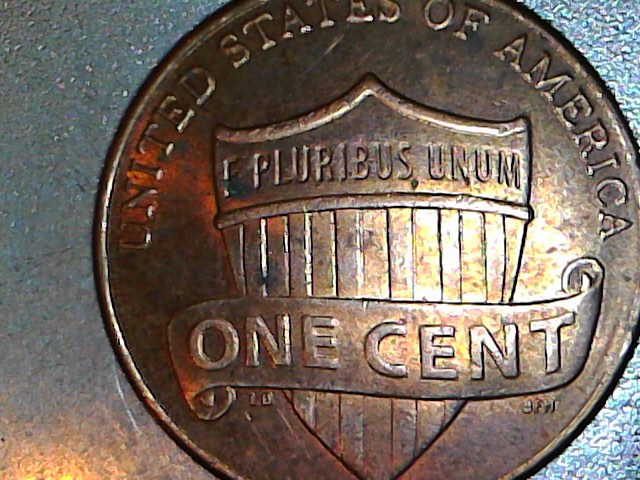
Knowing what the coin should look like as it comes from the Mint is key, and knowing what minting damage looks like is important as well. Your LSC has damage that was done after it left the Mint ( PMD). Your cent did not leave the mint looking like this. How was the damage done? There are a million ways damage can occur, but how doesn't really important in the end, as damage is just damage, and yours is post mint.  |
|
Pillar of the Community
 United States
607 Posts |
Thank you! I see so many coins that claim strike through cloth, thread, and a myriad of other substances. How on earth do they differentiate between PMD and a something from the mint? |
|
Bedrock of the Community
United States
62064 Posts |
Fields are flat on the die and they are the outside edge of the die: 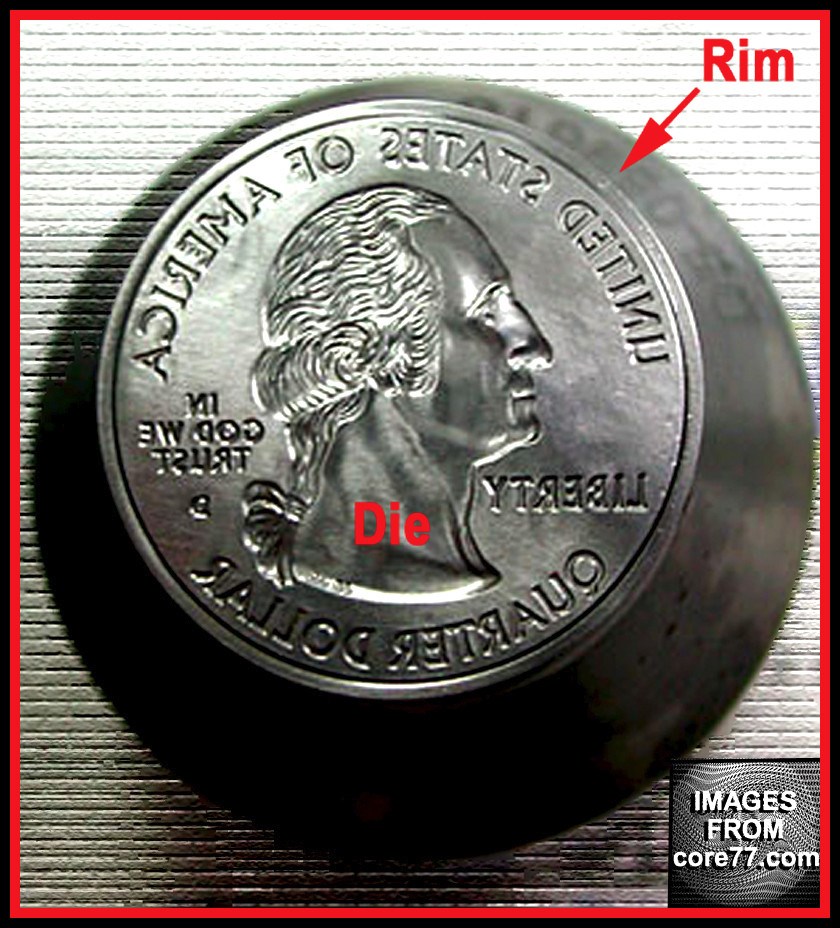 So any mark on the fields would create an incuse mark n the die. An incuse mark on the die will leave a raised area on the fields (example of die scraches, they are raised. If the there is a die gouge, this will leave a raised mark above the fields: 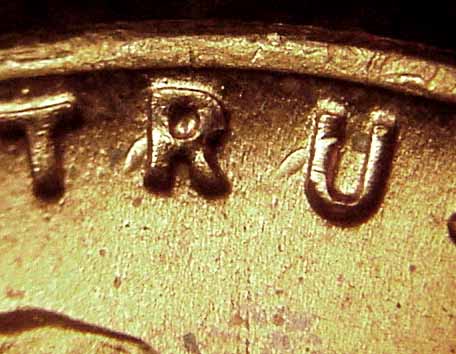 If you are seeing incuse marks on a coin, then that is damage. Not a die issue. So if the area in question is below the fields, you have coin damage on this coin. If it is raised, then it is a die issue. |
|
Bedrock of the Community
United States
10635 Posts |
All I can suggest is to study known examples of strike throughs to educate your eyes to them. |
|
Bedrock of the Community
United States
62064 Posts |
Well there is a cheap test to see if they are raised or incuse. Take a small piece of aluminum foil. Note there is a shiny and a dull side on it. Press the foil with shiny side up. Press hard, Then note on what side, the raised area is? Shiny side raised, a die error is present. If the raised area is on the dull side, then it is coin damage. If it is both, then it is coin damage. As the incuse lines can have low areas and raised areas where the metal was moved. So hope that it is just raised on the shiny side. Then it is a die issue. But with that many lines, I'm guessing coin damage. But that is how you can tell. (How did I know this? My Brother and I used to do this with cents or coins and fill the incuse areas with Elmer's glue. Making a have of a coin. Never figured out how to make the other half) LOL
Edited by coop
04/25/2021 11:22 pm
|
|
Pillar of the Community
United States
607 Posts |
|
|
Pillar of the Community
United States
6196 Posts |
When a coin is damaged or struck through the metal has to go somewhere. During a strike through all the metal that was in the planchet to start with is generally fully incorporated into the coin and it shows no bumps or rises on either side or around the edges of the mark left on the coin. Damage is usually the opposite, where something rises above the surface of the coin, either around the edge of the damage spot or on the opposite side, as now there is a hole and that metal had to go somewhere.
That's a really short way to explain what can in practice be a little more tricky to work out.
|
|
Pillar of the Community
United States
607 Posts |
Ty Tropical. This process of diagnosing the coin as a strike through seems like it can be very tricky.
|
|
Valued Member
United States
197 Posts |
The foil test has already answered many 'question mark' coins I've set aside...thanks Coop
|
| |
Replies: 9 / Views: 6,816 |
|







 Posted 04/25/2021 11:09 pm





