| Author |
 Replies: 1,279 / Views: 79,833 Replies: 1,279 / Views: 79,833 |
|
|
|
Valued Member
251 Posts |
And one more dang of Jani Beg Khan (my last one for this decade from the Saray al-Jadida mint) year 750AH (1350). Sagdeeva 243 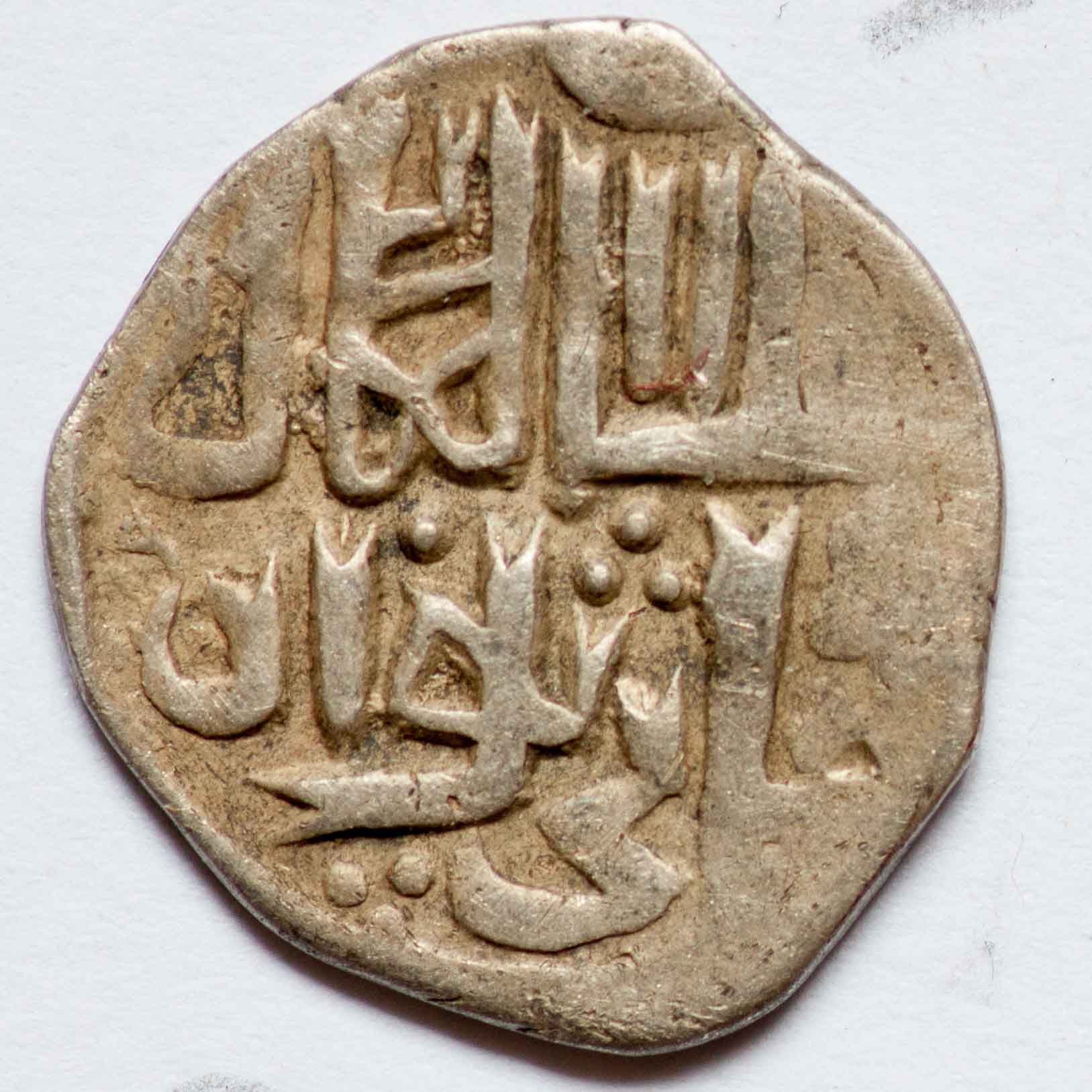 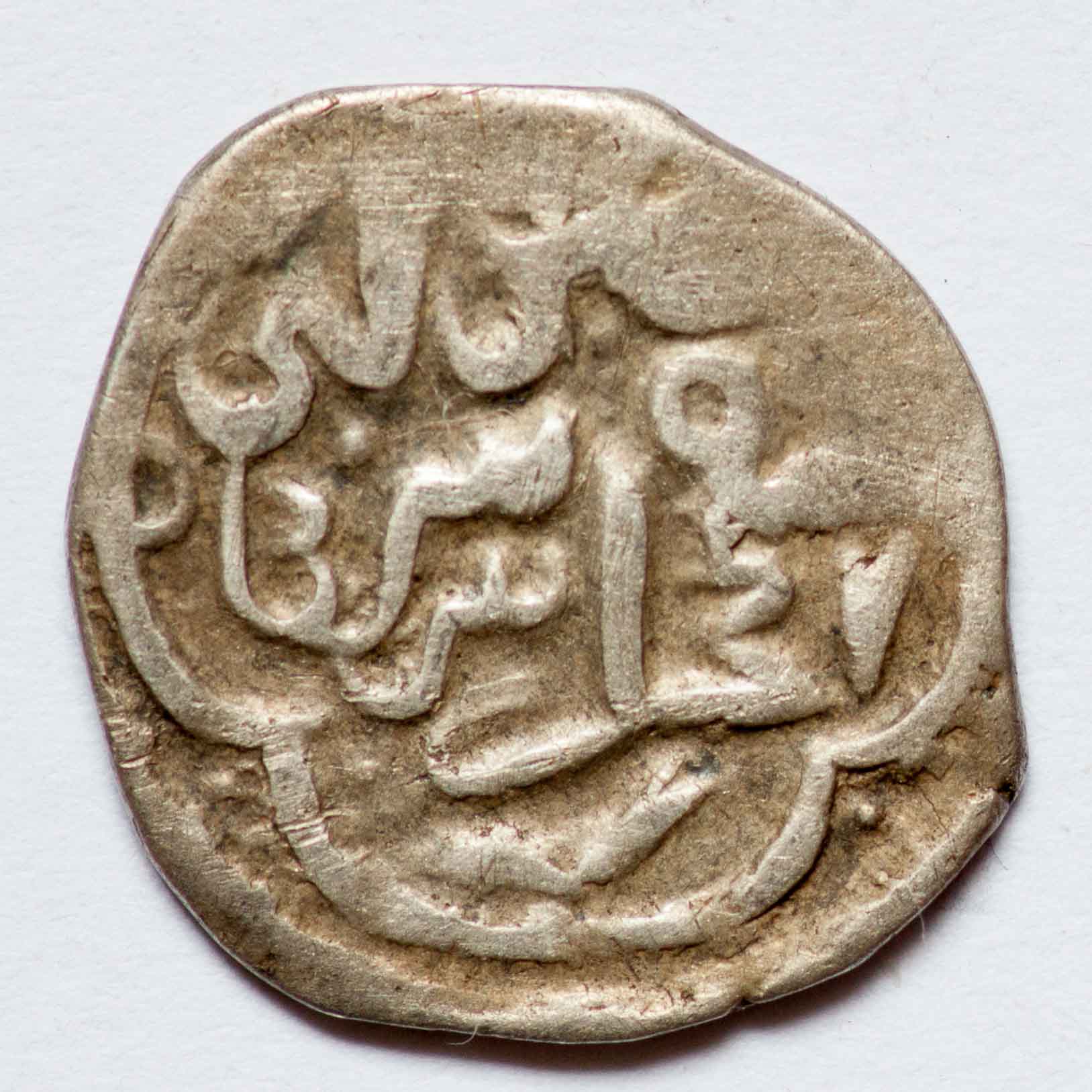 I think I have coins from this decade for a couple of more posts, will do them later:) Edited by Grinya
12/31/2021 06:40 am
|
|
Moderator
  United States
34466 Posts |
Quote:
I think I have coins from this decade for a couple of more posts, will do them later Sounds great--keep them coming! "If you climb a good tree, you get a push."
-----Ghanaian proverb
"The danger we all now face is distinguishing between what is authentic and what is performed."
-----King Adz
|
|
Moderator
United States
34466 Posts |
@grin, how about if you post your last coins from this decade today so that we can drop back to the 1340s starting tomorrow am?
"If you climb a good tree, you get a push."
-----Ghanaian proverb
"The danger we all now face is distinguishing between what is authentic and what is performed."
-----King Adz
|
|
Valued Member
251 Posts |
@Spence, yes, this is what I've planned to do:) A couple of Jani Beg Khan's dangs from Gulistan mint year 752AH Sagdeeva# 207 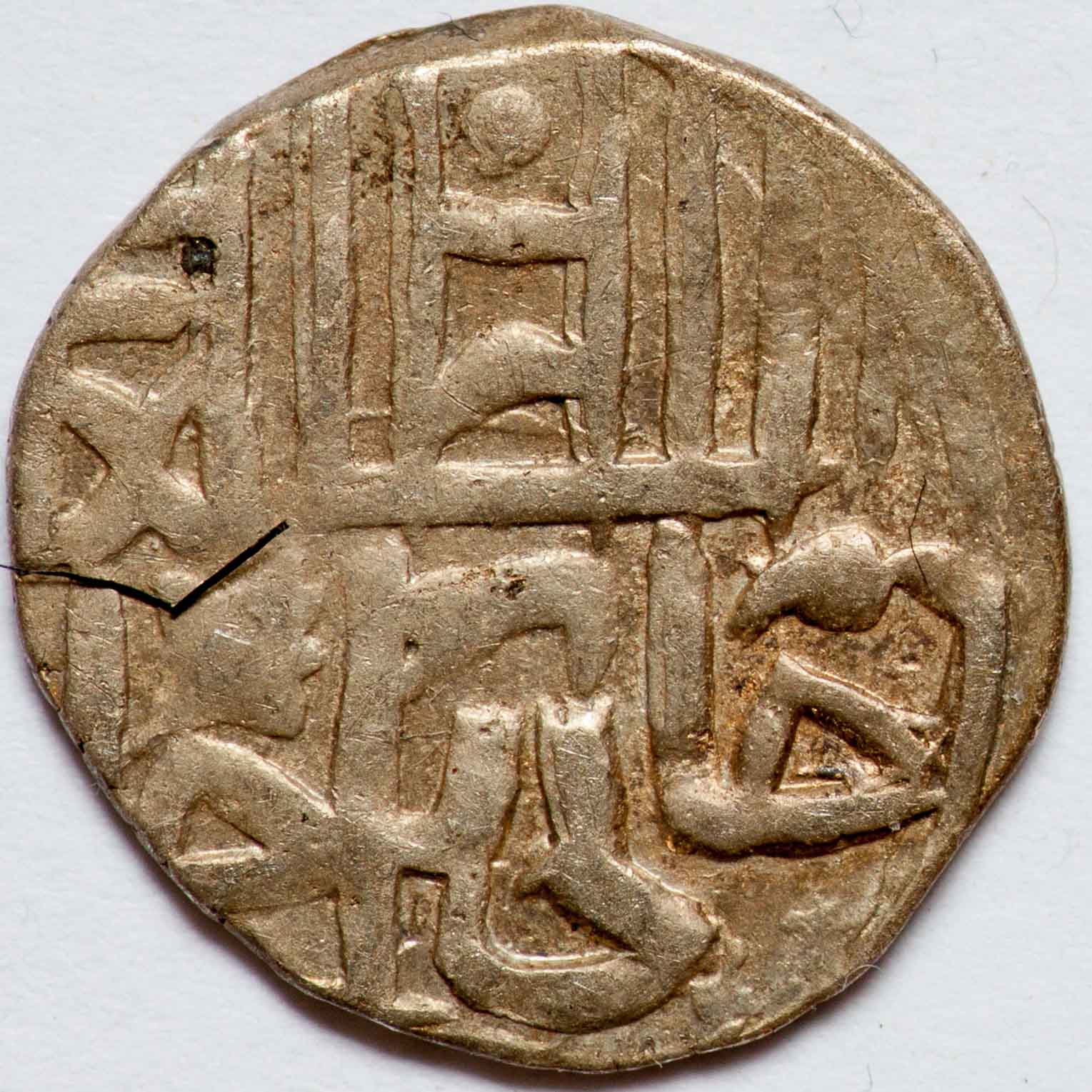 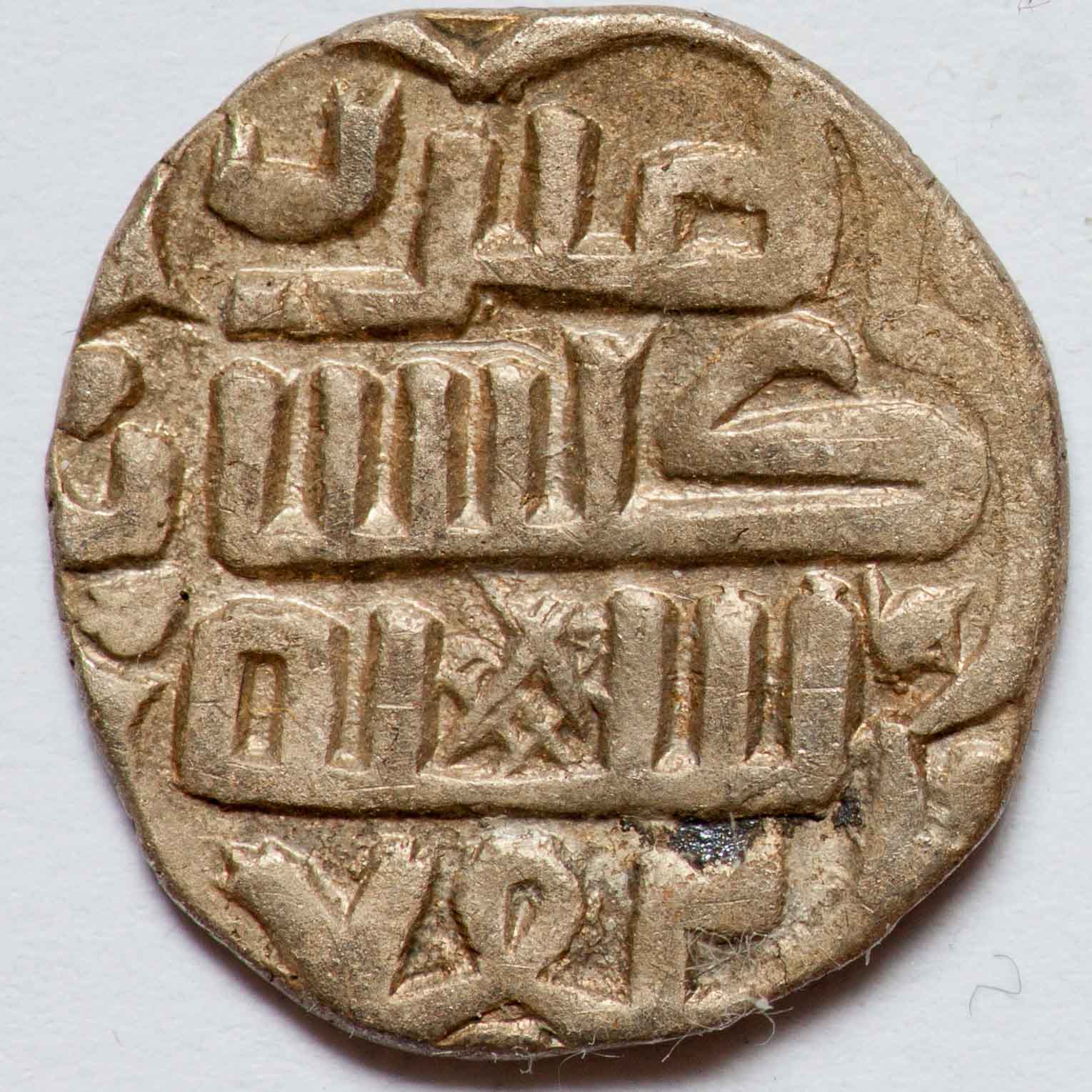 and Sagdeeva# 209 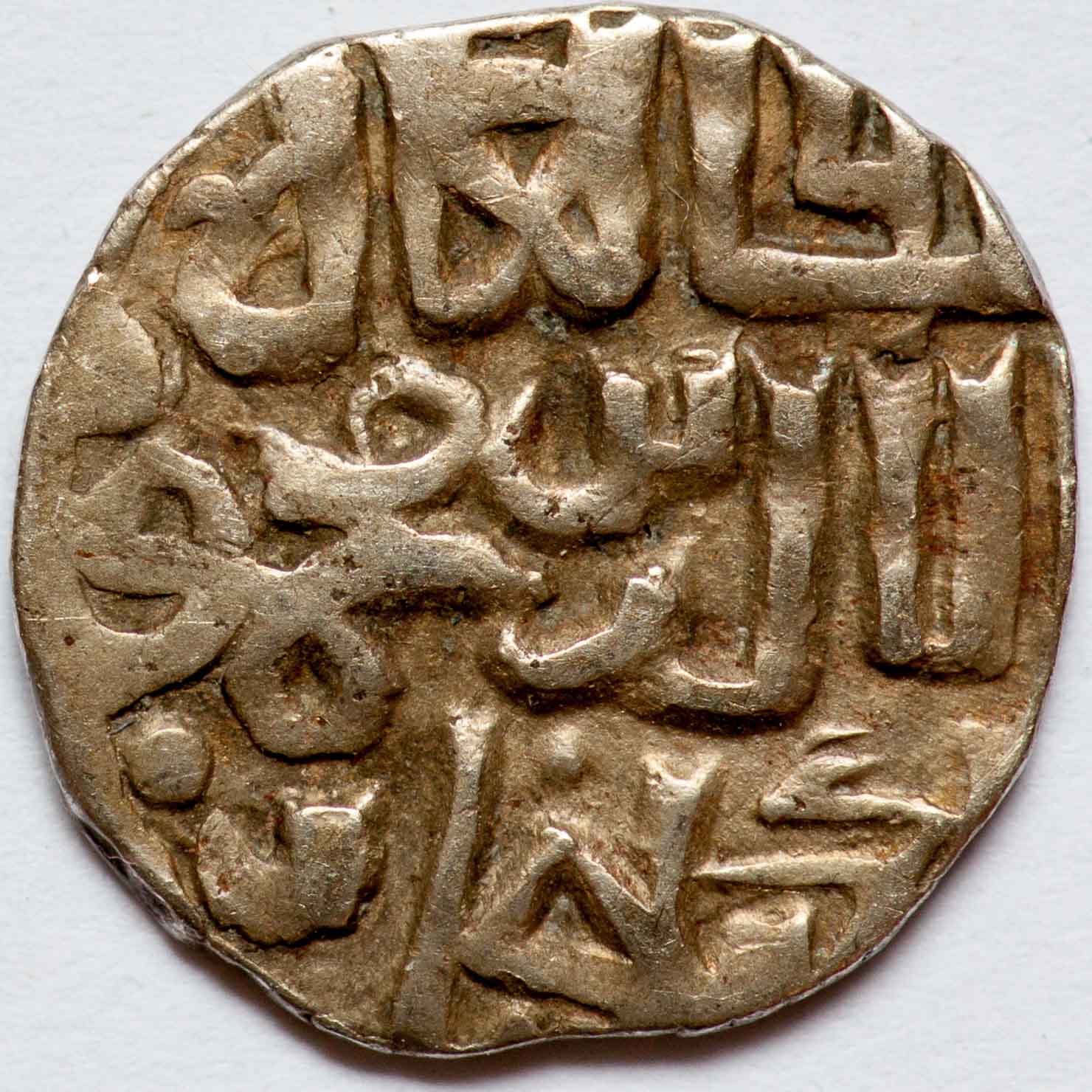 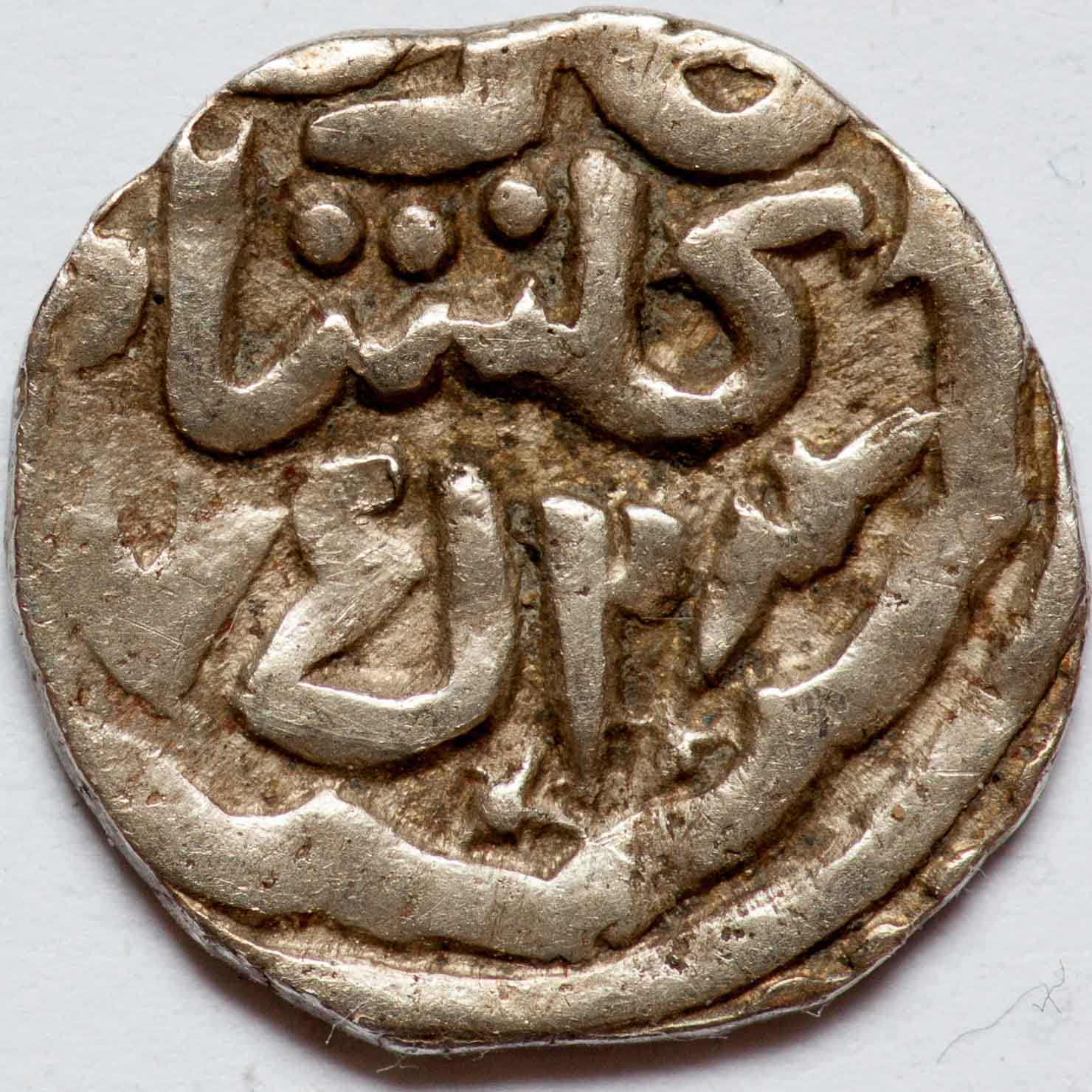 |
|
Valued Member
251 Posts |
...and one more dang of 751AH of Jani Beg Khan. An interesting thing that the mint was read as Sarai al-Jadidah (by Fraehn) or Khwarizm (by Fedorov-Davidov and Sagdeeva). On Zeno such coins are at Khwarizm, but the prevailing opinion now that reading as Khwarizm is not correct 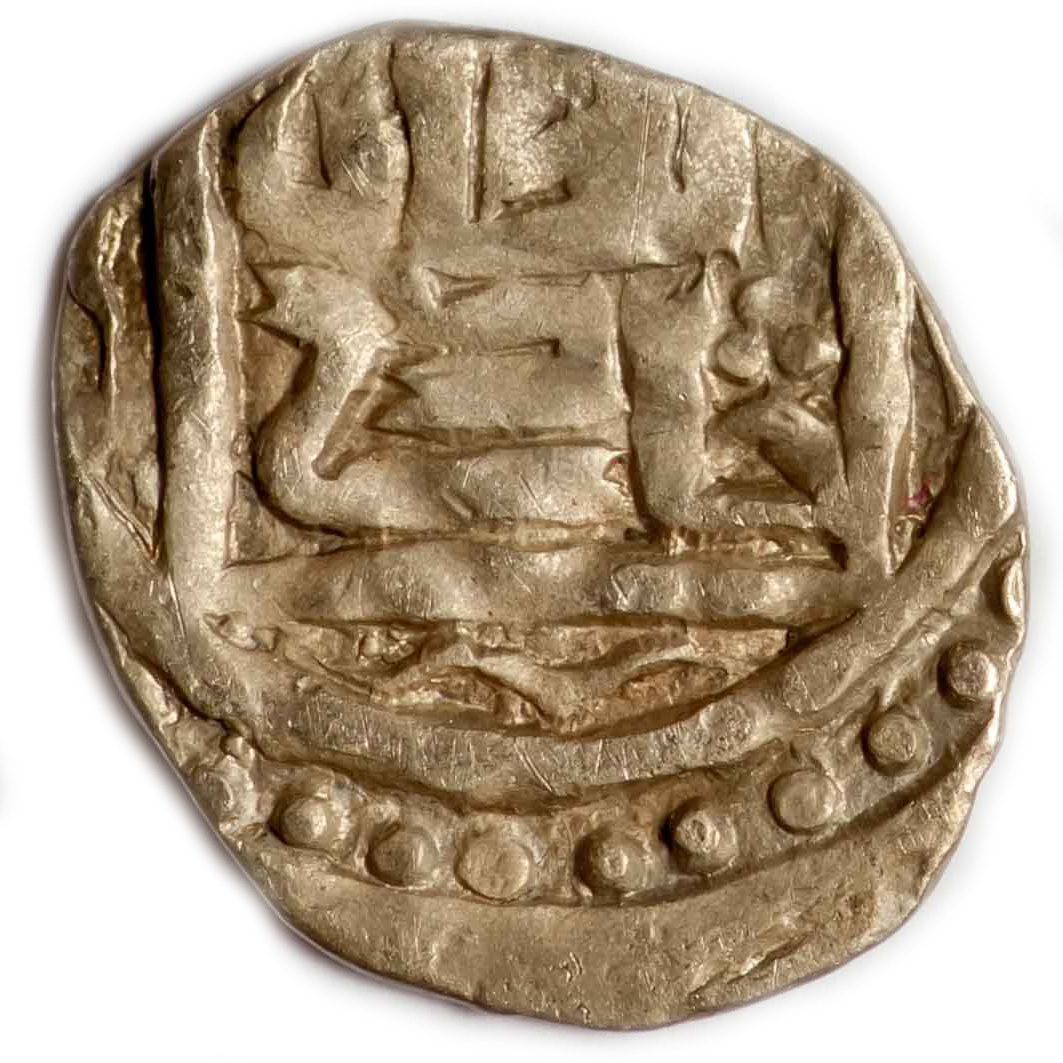 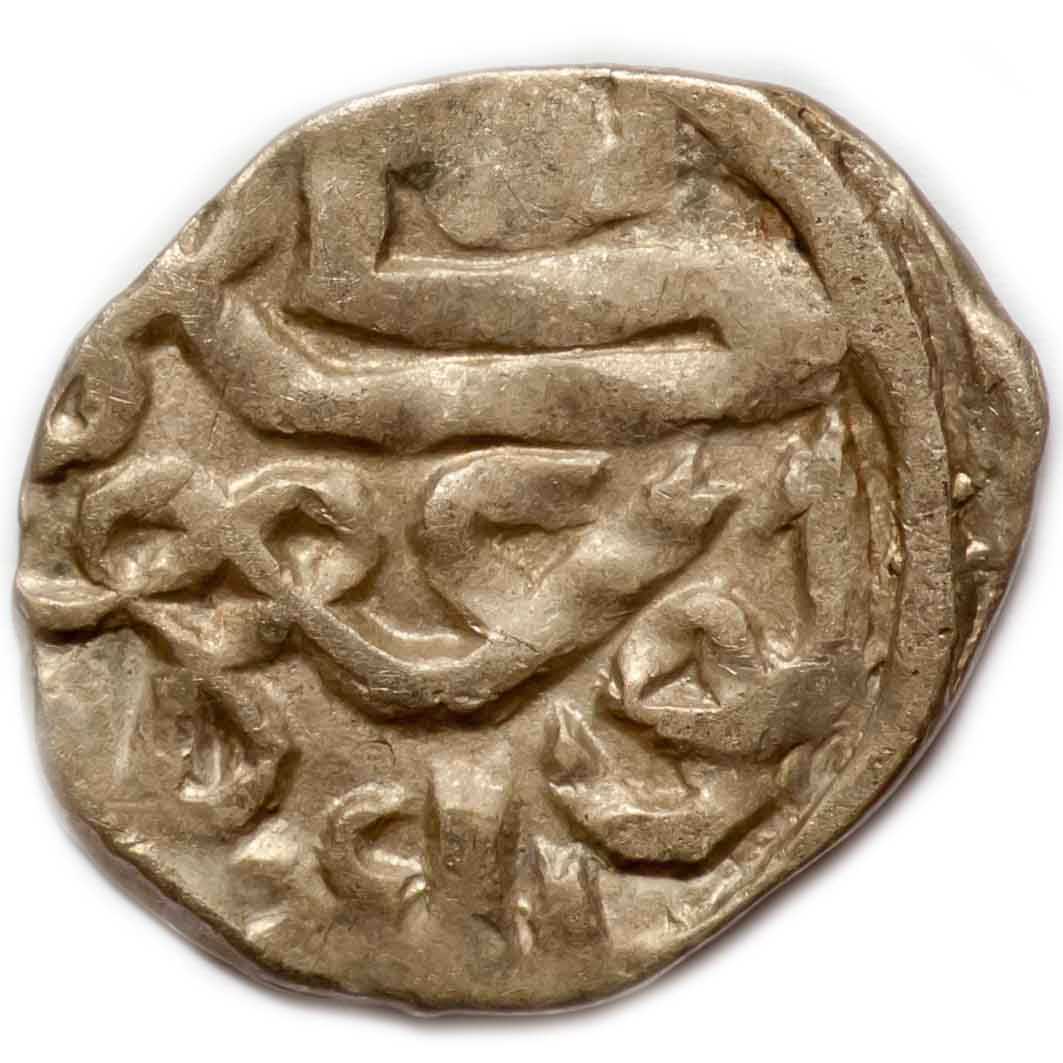 Sagdeeva 268 |
|
Pillar of the Community
 United States
7974 Posts |
That was an amazing run of Golden Horde coins, and looking over at Numista, I am guessing we will see some more in the 1340s? Interesting that Western Europe was completely MIA for dateable coins for the 1350s. I will begin by saying that the decades from the late 1200s to mid-1300s have many of the most attractive coins ever issued in the Low Countries and Lorraine (my opinion), two places that are in my collection. Some from the Low Countries can be narrowly dated, but my collecting aims are narrow there (mostly Brabant), so if anyone wants to see the variety of types and designs from this era, go take a look at the section "Low Countries, Feudal" in Numista, looking in particular at County of Hainaut, though there are nice coins in all the small states there (be forewarned all the heraldic lions can get a bit monotonous  ) This 1 gros "au quadrilobe" of the Duchy of Brabant can be dated to 1344 in the reign of Duke John III. 2.4 g., Witte 344 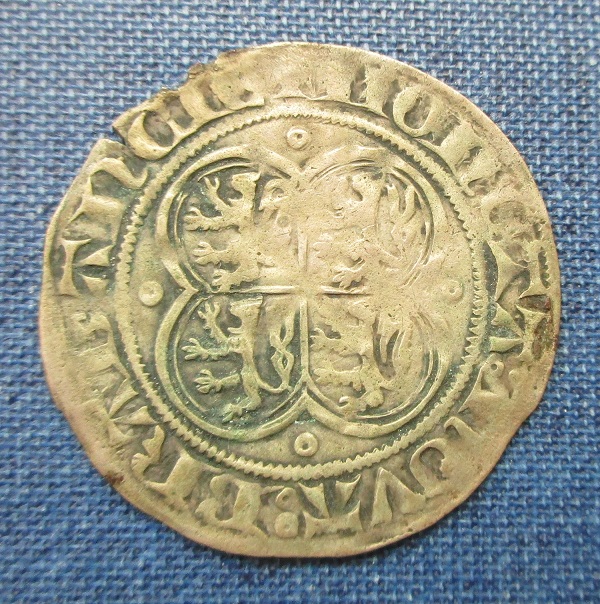 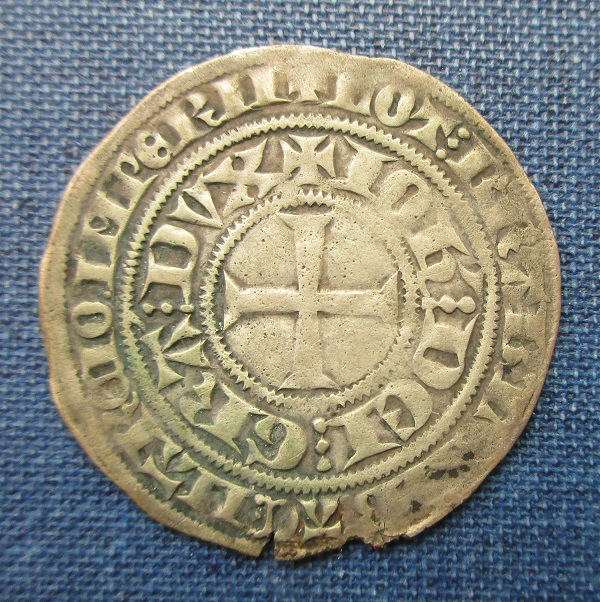 Obv: Quartered arms of Brabant-Limburg in a quadrilobe. MONETA:NOVA:BRABANCIE Rev: SHort cross pattee. (From center outward) IOh' DEI GRA DVX (exterior): LOT BRAB LIMB AC MARCIO IMPERII Edited by tdziemia
01/02/2022 07:59 am
|
|
Pillar of the Community
United Kingdom
725 Posts |
Quote:
On Zeno such coins are at Khwarizm, but the prevailing opinion now that reading as Khwarizm is not correct It's tricky to read anything on some of these. The letters run in seemingly random directions and merge with the design. Quite a lot isn't even on the flan. The 1340s is still quite a big decade for Golden Horde coinage, so I'll break it up a bit with this Black Death-era English penny. Edward III 3rd Coinage, Class 2, Long Cross Penny, 1344-1351
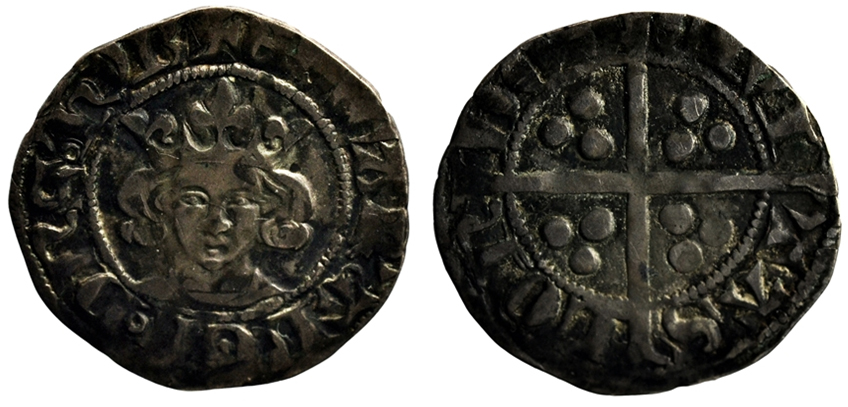
Tower. Silver, 18.5mm, 1.3g. Crowned bust, Lombardic Ns and annulet stops; +EDWA R ANGL DNS HYB (Edward King of England, Lord (Dominus) of Ireland). Reverse I; long cross and three pellets in each quarter, Lombardic Ns; CIVI-TAS-LON-DON (City of London) (S 1544). |
|
Pillar of the Community
United States
7974 Posts |
Quote:
Lombardic Ns I had not seen that term before (I assume it is what I call a "small n?"). The references I am using are often in French and refer to the styles as Latin (N) and gothic or onciale for the Lombardic (n)? I will add that I have seen legends from this era that combine both, sometimes even in the same word, and in one case I have seen them adjacent (IOhAnNES). |
|
Pillar of the Community
United Kingdom
725 Posts |
Quote:
Lombardic Ns
I had not seen that term before (I assume it is what I call a "small n?"). The references I am using are often in French and refer to the styles as Latin (N) and gothic or onciale for the Lombardic (n)? It's the name given to decorative capital (uppercase) letters used to start paragraphs in medieval books. For some reason, the N does look like it's lowercase, as does the H, which would explain IOhAnNES https://commons.wikimedia.org/wiki/...tal_type.jpgEdited by JohnConduitt
01/02/2022 08:39 am
|
|
Pillar of the Community
United States
1186 Posts |
No dateable ones for this decade but I have some for the next 2 decades. This is a slightly out of range date range one. It is a 1346-57 Hungarian Denar under King Louis I;Huszar 532,Unger 420,Pohl 67. 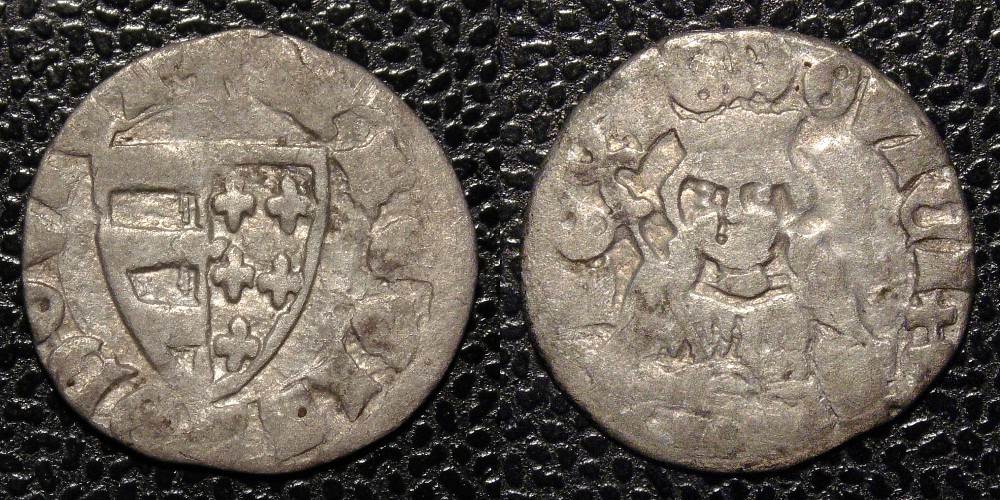 |
|
Pillar of the Community
United States
7974 Posts |
@JohnC, thanks for that explanation. None of my Lorraine coins are attributable to a single year. This plaque (2 gros) is the closest, with a date range of 1346-1348. Duke Raoul of Lorraine was killed in the Battle of Crecy in 1346 (as was Count Louis I of Flanders, and a few other notable nobles of this era). His son, John was only 6 months old, so his mother Marie of Blois served as regent until she remarried in 1348, and the regency was taken on by someone else. 28 mm, 3.8 g., Boudeau 1467 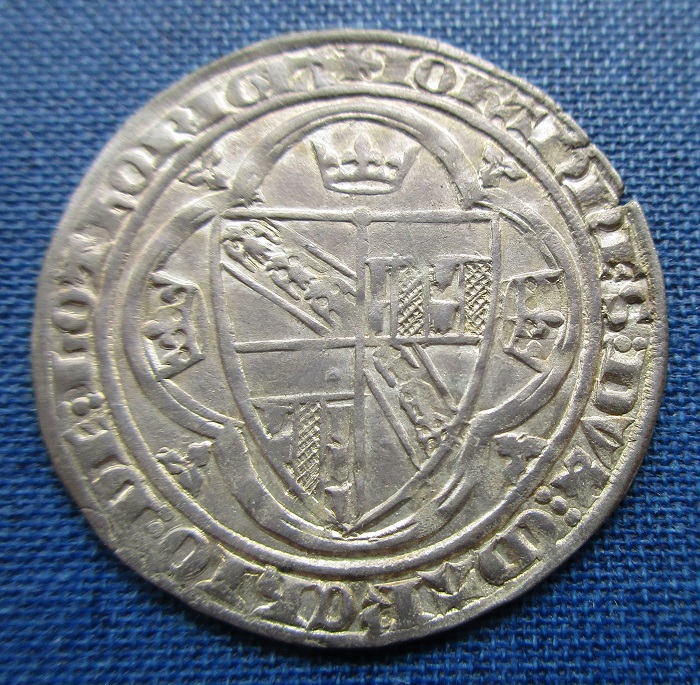 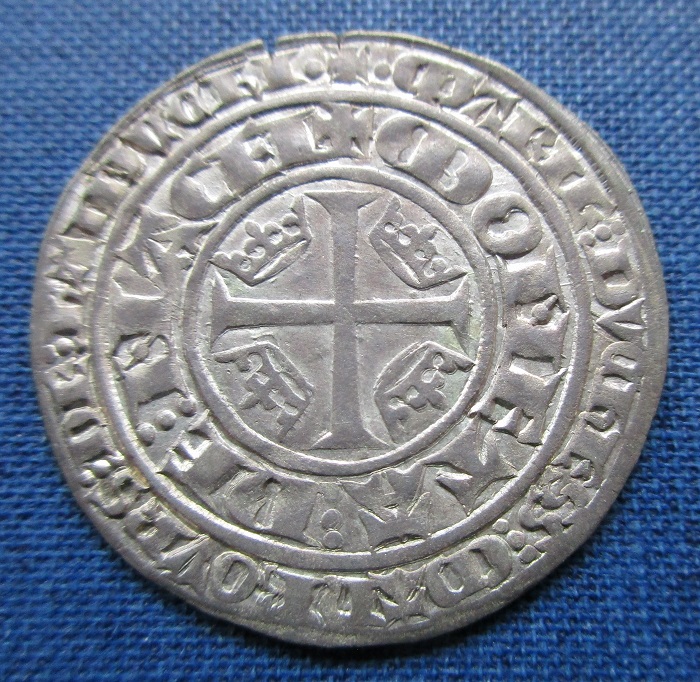 Obv: Quartered arms of Lorraine-Blois inside a quadrilobe with a small crown in 3 of the lobes. IOHANNES DVX MARCHIO DE LOTHORIGIA Rev: Short cross pattee with crown in each angle. MARIE DVCHESS MANBOURS DE LA DVCHI Edited by tdziemia
01/02/2022 11:00 am
|
|
Pillar of the Community
Sweden
2124 Posts |
Quote:Quote:Quote:
Lombardic Ns I had not seen that term before (I assume it is what I call a "small n?"). The references I am using are often in French and refer to the styles as Latin (N) and gothic or onciale for the Lombardic (n)? It's the name given to decorative capital (uppercase) letters used to start paragraphs in medieval books. For some reason, the N does look like it's lowercase, as does the H, which would explain IOhAnNES https://commons.wikimedia.org/wiki/.tal_type.jpg So did I learn something new already this year  It seems combining uncial M's and Lombardic N's is common on coins from this period. Quote:
This plaque (2 gros) is the closest, with a date range of 1346-1348 Wow, beautiful coin!  |
|
Moderator
United States
34466 Posts |
Great coins so far today! Here is a French Gros ala Couronne that can be dated to 1340 AD (4th Emission). It was issued on behalf of Philip VI and is attributed as Duplessy 262C and Roberts 2473. It was a COVID pick-up for me. 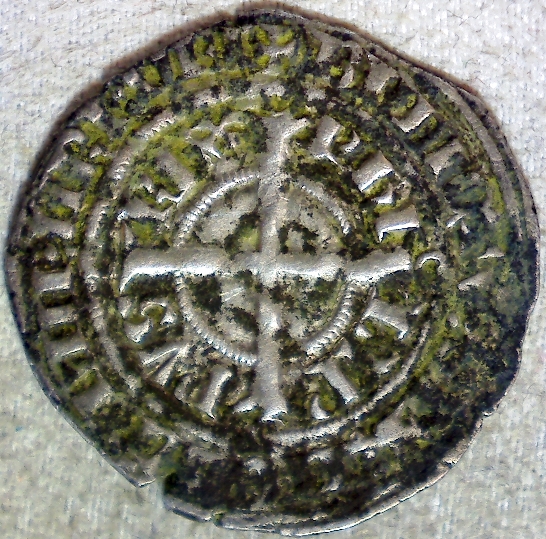 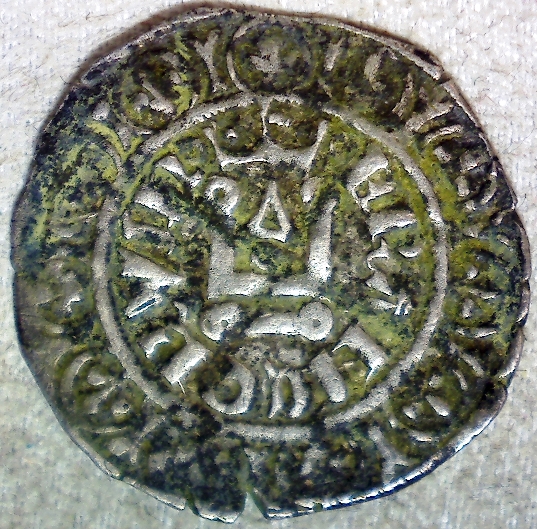 "If you climb a good tree, you get a push."
-----Ghanaian proverb
"The danger we all now face is distinguishing between what is authentic and what is performed."
-----King Adz
|
|
Pillar of the Community
Russian Federation
5181 Posts |
Nice to see some neat European coins again! No offence but it really did feel a bit boring to see the 1350s represented by Golden Horde and approximately nothing else.
I do have an entry for the 1340s (undated, but apparently narrow enough to qualify for the decade), but I want to try making better pics of the coin before I post it.
In the meantime, here's the final listing for the 1350s...
1359 - JohnConduitt, Grinya (760 AH)
1358 - JohnConduitt, Grinya (759 AH)
1357 - Grinya, Spence? (758 AH)
1356 - apparently none (would be 757 AH)
1355 - Grinya (756 AH)
1354 - apparently none (would be 755 AH)
1353 - Grinya (754 AH)
1352 - Grinya (753 AH)
1351 - JohnConduitt, Grinya (752 AH)
1350 - Grinya (751 AH)
I'll try to figure out the 1340s listing in a while; the AH dates get a little more complicated (again) towards 1340.
Now that we have made it halfway through the 14th century, I can list the gaps for the entire 1350-1399 period: 1399, 1396, 1394, 1393, 1392, 1390, 1389, 1382, 1381, 1379, 1378, 1377, 1372, 1371, 1368, 1367, 1364, 1356, 1354. That's 19 gaps out of 50 dates, or a success rate of 62%.
(For comparison, 1400-1449 had 13 gaps, corresponding to a success rate of 74%.)
|
|
Pillar of the Community
United States
7974 Posts |
Thanks for continuing to maintain the scorecard @j1m. I have one more coin that can be attributed to a single year this decade, this billon half gros of the Duchy of Brabant that was issued in 1343. Witte 348 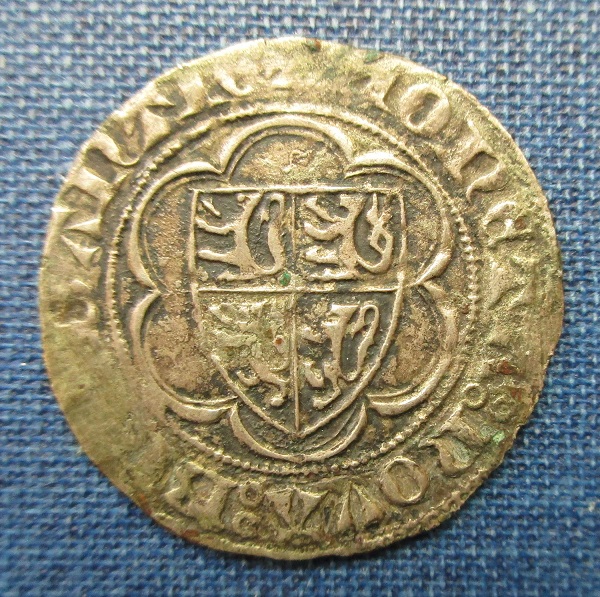 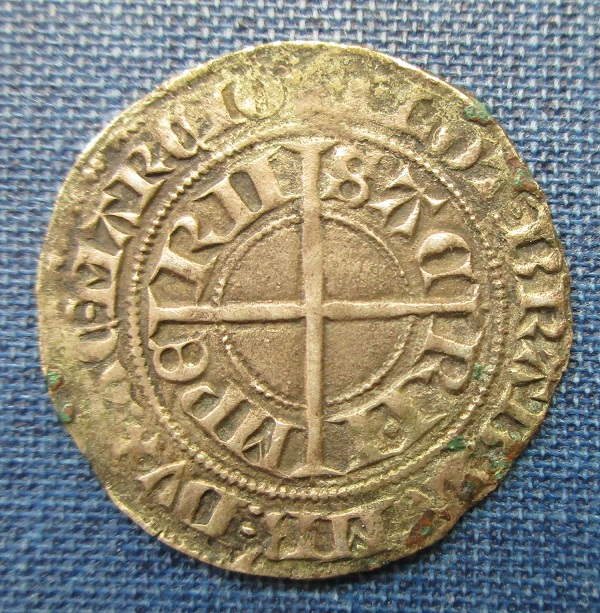 Obv: Shield with quartered arms of Brabant-Limburg inside polylobe. MONETA NOVA BRABANTIE Rev: Cross pattee intersecting the interior legend. (Exterior) I LOT BRAB LIMB DVX AC MARCIO (Interior) SACRI IMPERII John's title translates roughly as "Duke of Lotharingia, Brabant, Limburg and Marquis of the Holy Empire" which may seem confusing since we all know there was a place farther south (Duchy of Lorraine) where the dukes also used the title "Duke of Lotharingia." Lorraine was originally (10th-12th c.) called "Upper Lotharingia," and the Low Countries were called "Lower Lotharingia." Over time, the "upper" was dropped, and it became known simply as Lorraine. The Low Countries fragmented into many small states (Duchies of Brabant, Limburg and Gelderland, and the counties of Flanders, Holland, Loon, Namur and so on). The dukes/duchesses of Brabant seem to have used this broader claim in their title intermittently until the 1380s. Edited by tdziemia
01/03/2022 08:17 am
|
| |
Replies: 1,279 / Views: 79,833 |







 First Page
 Previous Page


 Posted 12/31/2021 09:07 am


