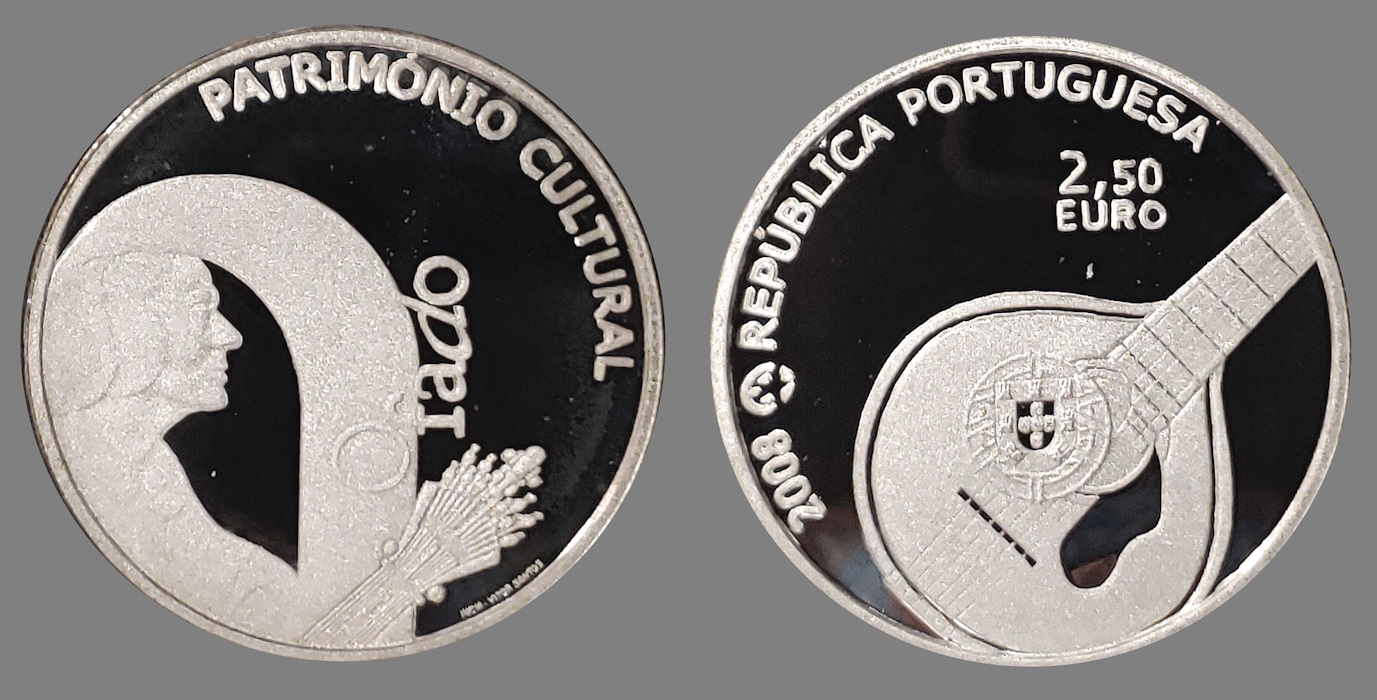
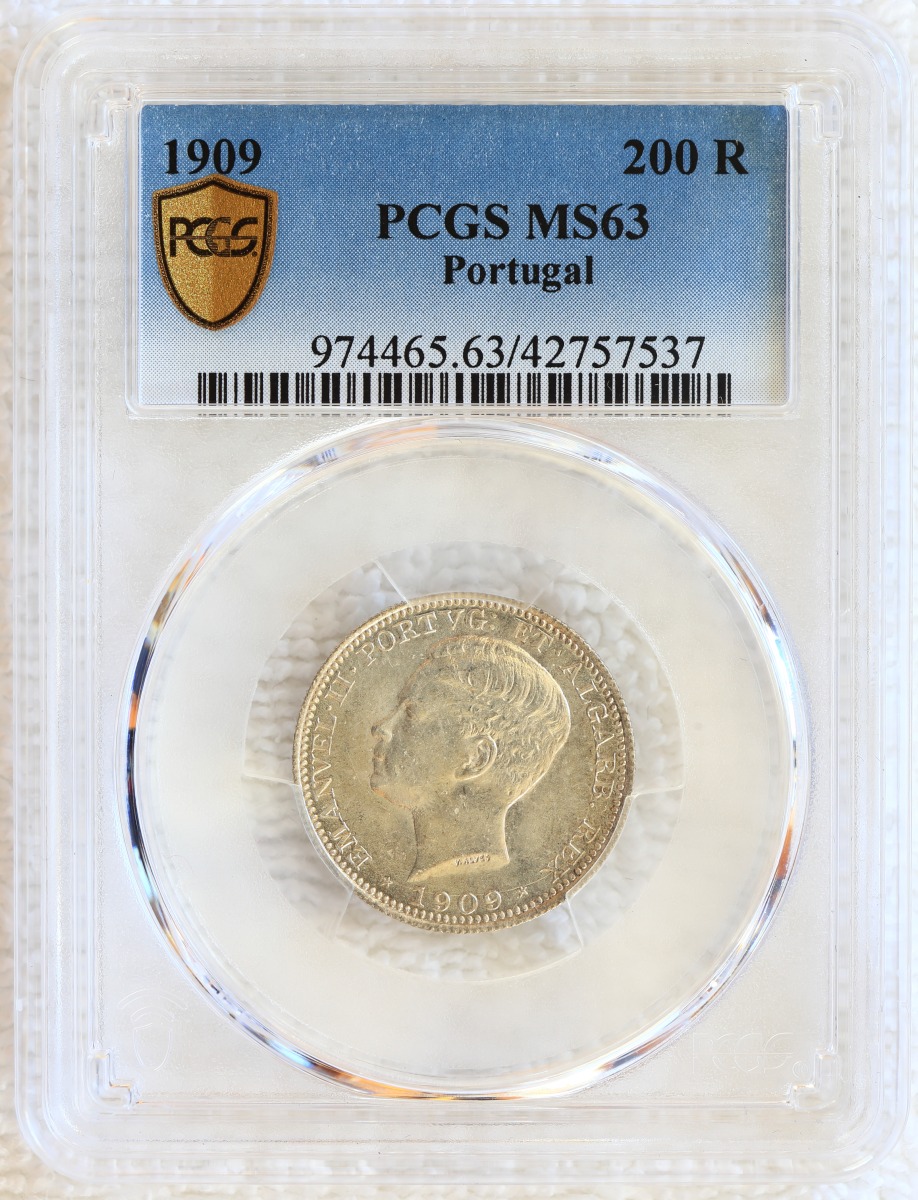
Today's coin is an upgrade. The one I purchased in Portugal, wasn't cleaned when I selected it but somehow I ended up with a clean one at home. Either way it wasn't expensive, so when an MS version was available I decided to add it.
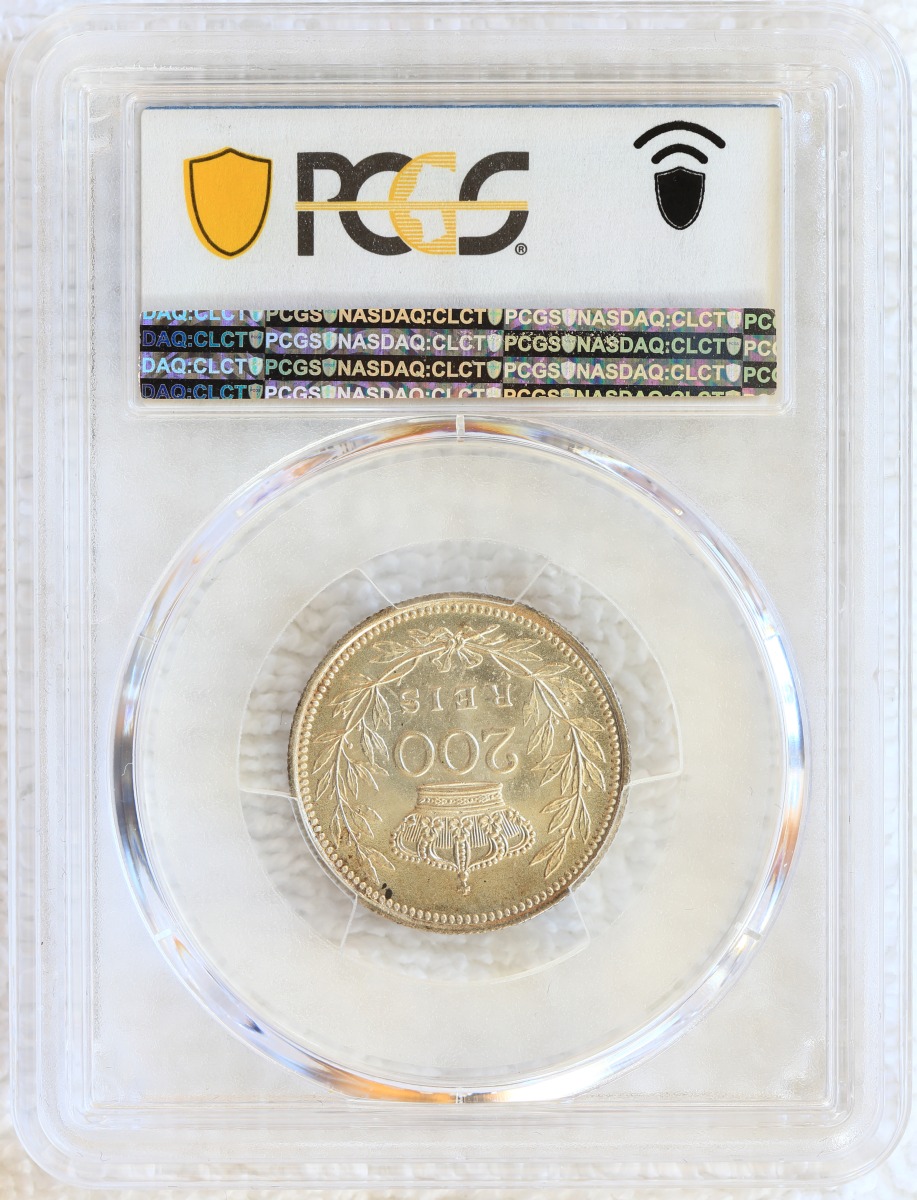
The coin, you can see that this die was on its last legs, notice the massive die crack at the bottom and the soft details on the obverse.
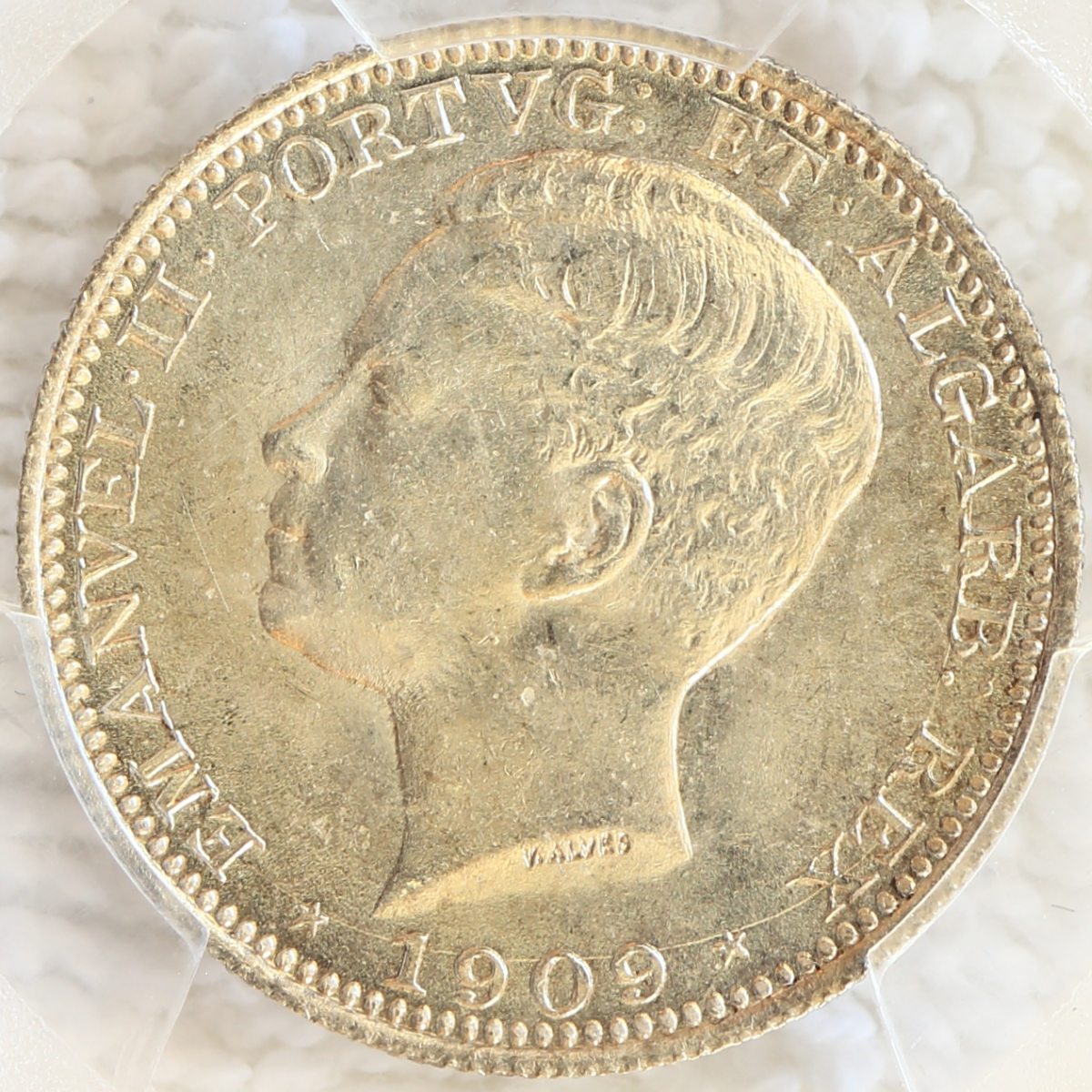
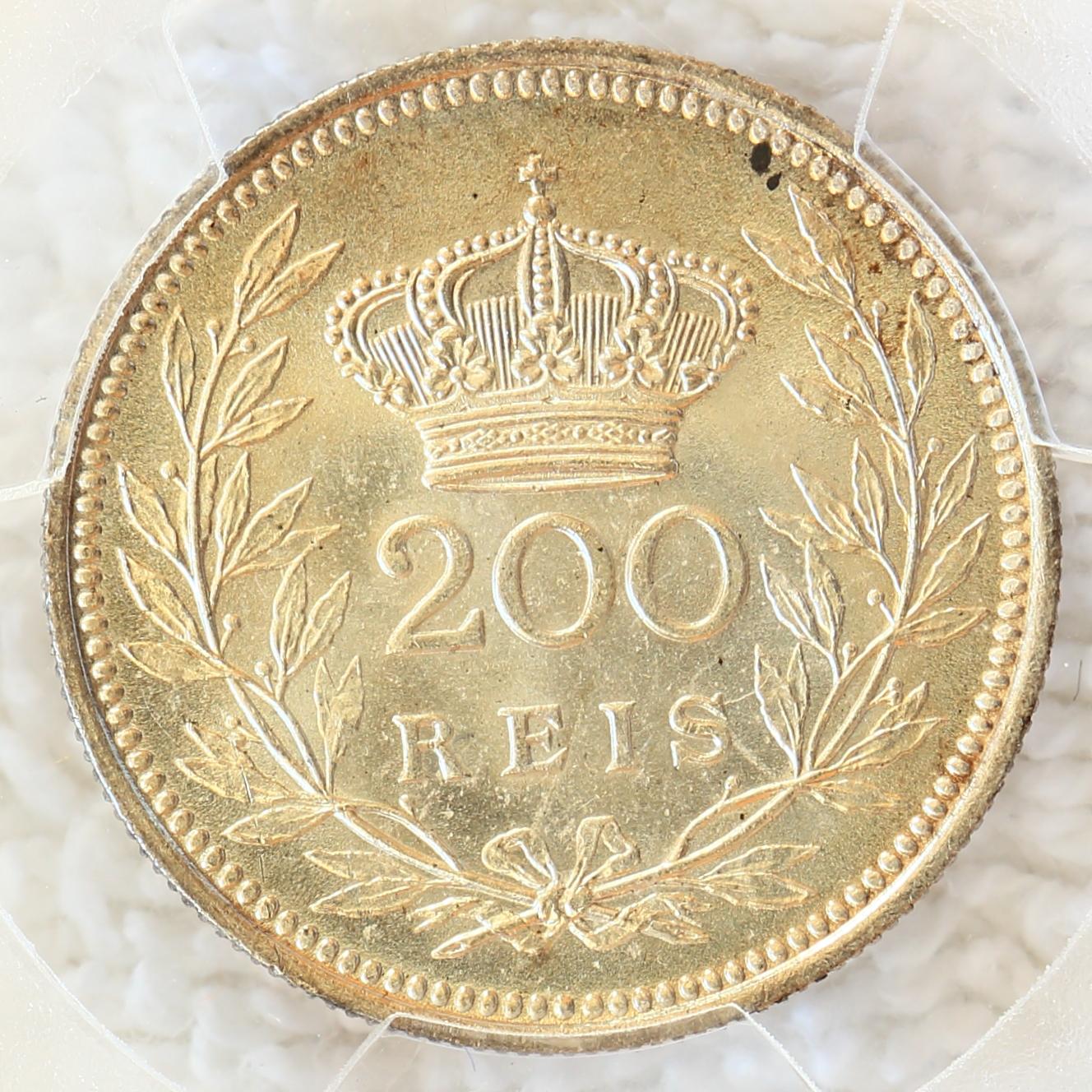
Issuer: Portugal
King Manuel II (1908-1910)
Type: Standard circulation coin
Year :1909
Value: 200 Reis
Currency Real (decimalized, 1835-1910)
Composition: Silver (.835)
Weight: 5 g
Diameter: 24 mm
Orientation: Coin alignment
Demonetized: Yes
References: KM549
This was the last of the Real coins and it was issued for the last king of Portugal.
Dom Manuel II born on November 15 1889 , died on July 2 1932), was known as "the Patriot" or "the Unfortunate". He was the last King of Portugal, ascending the throne after the assassination of his father, King Carlos I, and his elder brother, Luís Filipe, the Prince Royal.
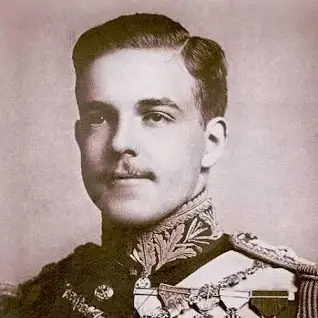
Before ascending the throne he held the title of Duke of Beja.
Since King Manuel was the younger of the brothers, he was not prepared to be king. He was expected to serve in the Navy, but that was canceled, because on 1 February 1908 as the royal family returned from the Ducal Palace in Vila Viçosa to Lisbon, the carriage carrying King Carlos and his family passed through the Terreiro do Paço plaza where shots were fired by at least two Portuguese republican activist revolutionaries: Alfredo Luis da Costa and Manuel Buiça. The King was killed; Prince Luís Filipe was mortally wounded; Prince Manuel was hit in the arm; Queen Amelie was unharmed. It was Amelie's quick thinking that saved her younger son. About 20 minutes later, Prince Luis Filipe died. Days later, Manuel II was proclaimed King of Portugal. The young King, who had not been groomed to rule, sought to save the fragile position of the Braganza dynasty by dismissing João Franco and his entire cabinet in 1908.
The stability of the government deteriorated; seven governments were established and fell in a period of 24 months. The monarchist parties continued to fragment, while the Republican Party continued to gain ground.
Between 4 and 5 October 1910, the Republican Revolution erupted in the streets of Lisbon. What started as a military coup commenced by soldiers, was joined by some civilians and municipal guards attacking the loyal garrisons and the royal palace, while the guns from the cruiser NRP Adamastor added to the cannonade. The Palace of Necessidades (then official residence of the young King) was bombarded, forcing Manuel to move to the Mafra National Palace.
One day later, once it was clear that the Republicans had taken the country, Manuel decided to embark from Ericeira on the royal yacht Amelia IV for Porto, with armed Republicans arriving as the ship departed.But he was forced to change his destination en route, disembarking in Gibraltar , after they received notice that Porto had fallen to the Republicans. The coup d'etat was complete, and the Royal Family departed for exile, arriving in the United Kingdom, where he was received by King George V.
Manuel lived the rest of his life in exile in Twickenham, Middlesex, England. But his death has intrigue.....
King Manuel died unexpectedly in his residence on 2 July 1932, via suffocation following an attack of "acute oedema of the glottis", a swelling of the narrow opening at the upper end of the larynx,
His death has been regarded as suspicious by some because he had been playing tennis on 1 July and was apparently in excellent health. An incident surrounding his sudden death was mentioned in the autobiography of Harold Brust, a member of Scotland Yard Special Branch in charge of protecting public figures. In his memoirs, Brust speaks of an incident which probably occurred in 1931 in which an intruder was discovered in the grounds of Fulwell Park who, when arrested, the Police confirmed as being a prominent member of a Portuguese republican terrorist group known as the Carbonária and who was subsequently deported to Lisbon. To date the identity of the intruder has not been confirmed. Questions remain as to the reason for the man's intrusion.
The coin in the slab.






 First Page
 Previous Page


 Posted 11/24/2023 12:48 pm