| Author |
 Replies: 19 / Views: 3,056 Replies: 19 / Views: 3,056 |
|
Valued Member
United States
189 Posts |
Is this Buffalo showing laminations only or are there other things going on here? Lot's of complexity going on... 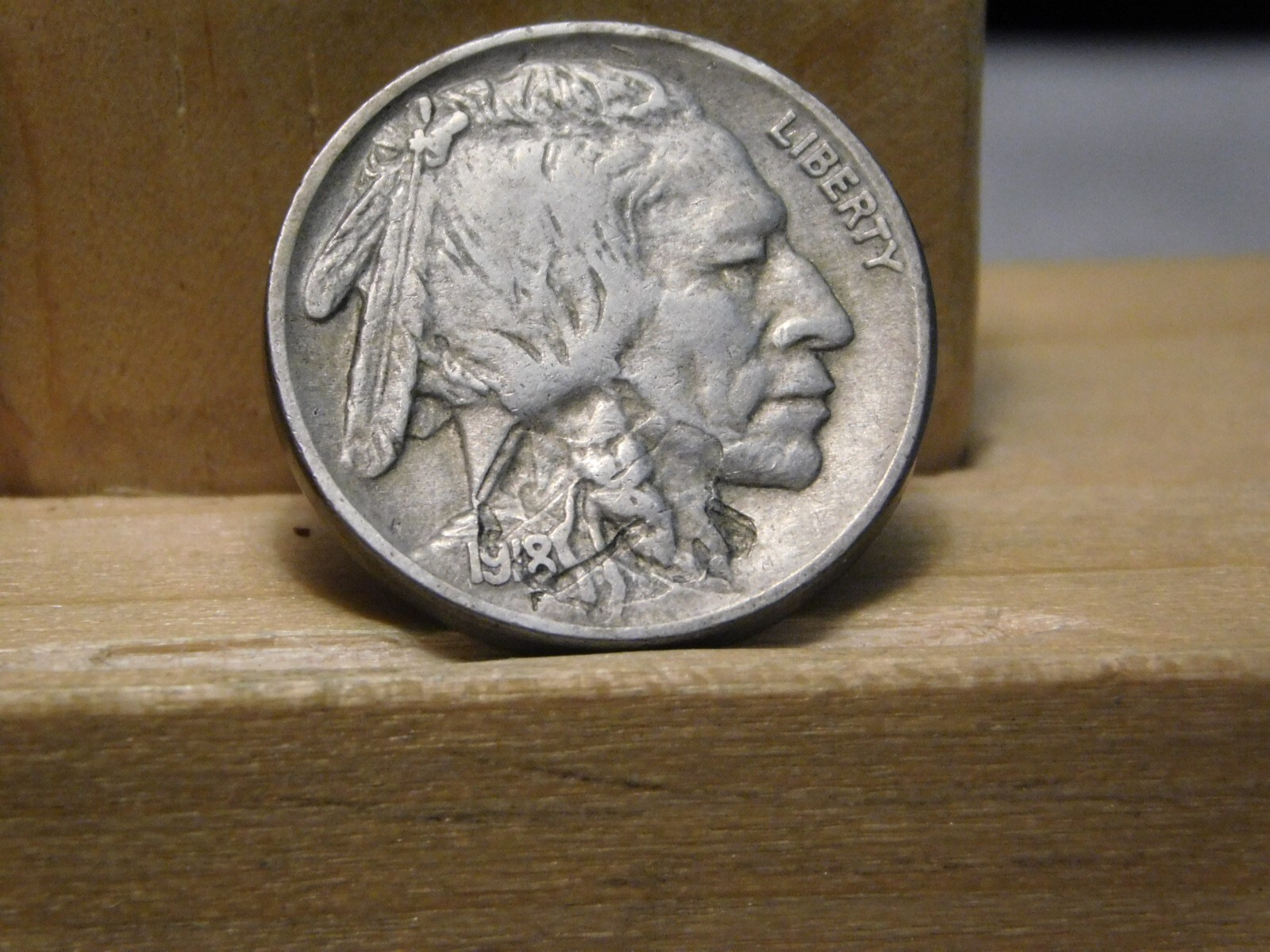 |
|
|
|
Pillar of the Community
United States
2376 Posts |
Without a pic of the reverse, post strike damage can't be ruled out.
From what I can see with this one photo, a strike through is quite possible
|
|
Valued Member
 United States
189 Posts |
Here's a pic of the reverse 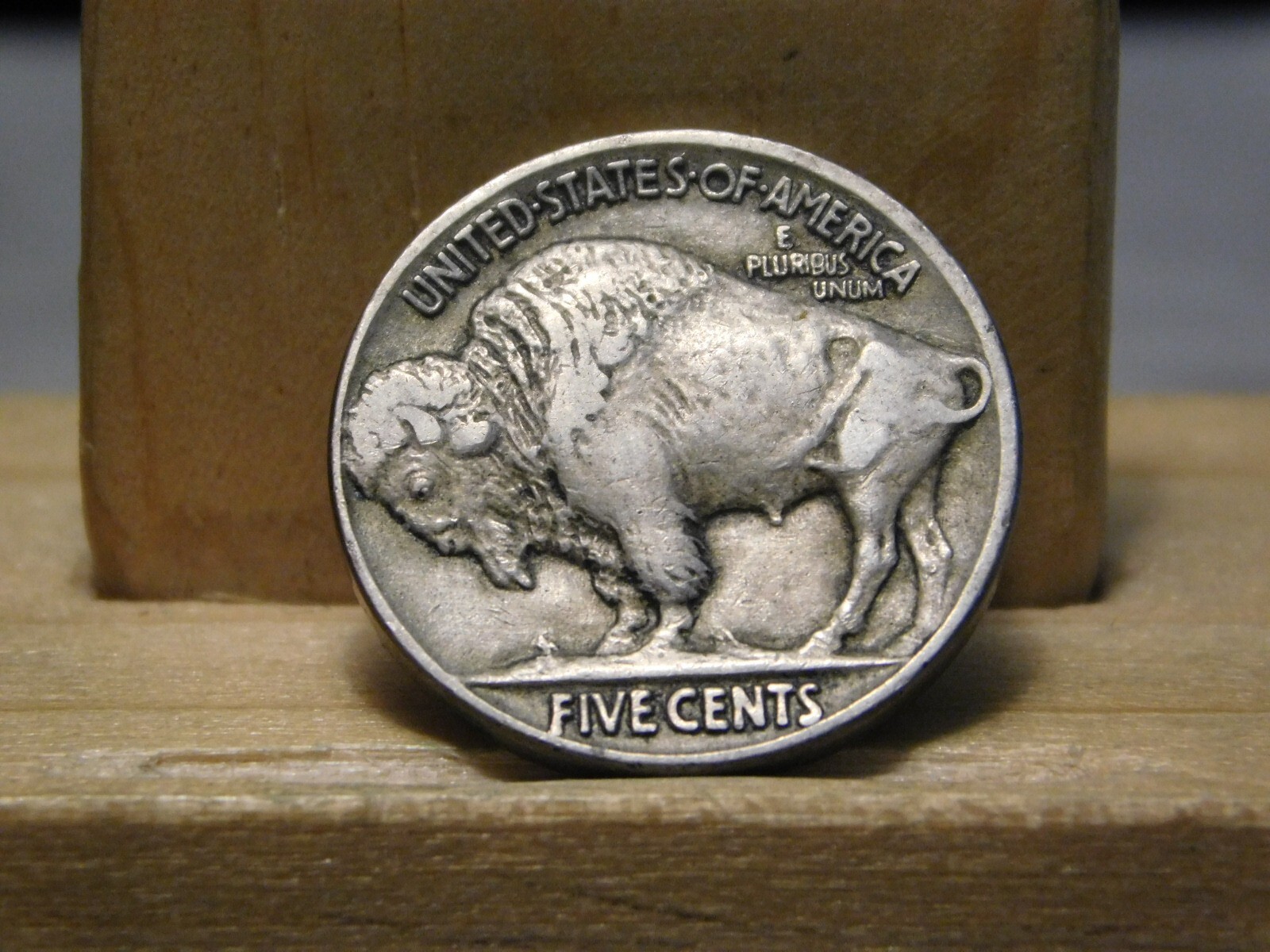 |
|
Pillar of the Community
United States
2376 Posts |
Not really seeing any evidence of a lamination. It looks to be a very interesting struck through. Nice !
|
|
Valued Member
United States
189 Posts |
Thanks for looking stoneman, this seems to have our other forum alumni mostly stumped! I'm a noob with both strike-thru's and major lams, but I was thinking it could possibly be both? Maybe the strike-thru caused enough distress to surfaces that it triggered the lam? The shelf-like step down on the left side is super interesting and the depth of the impression I've never seen before. 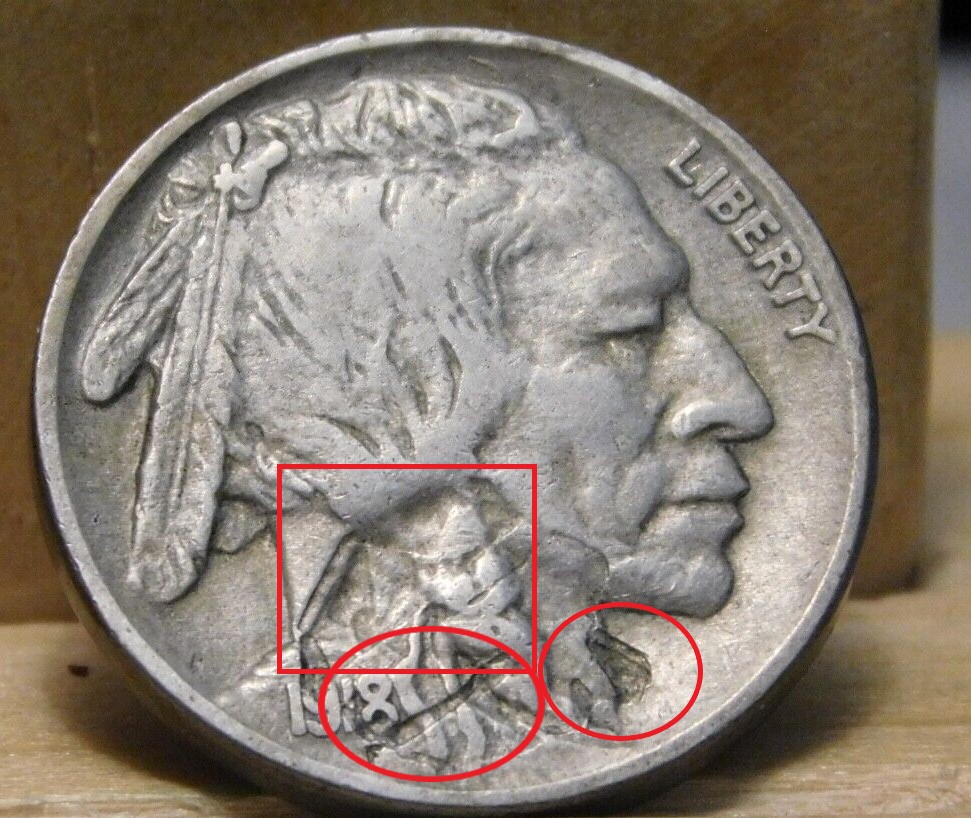 |
|
Pillar of the Community
United States
2376 Posts |
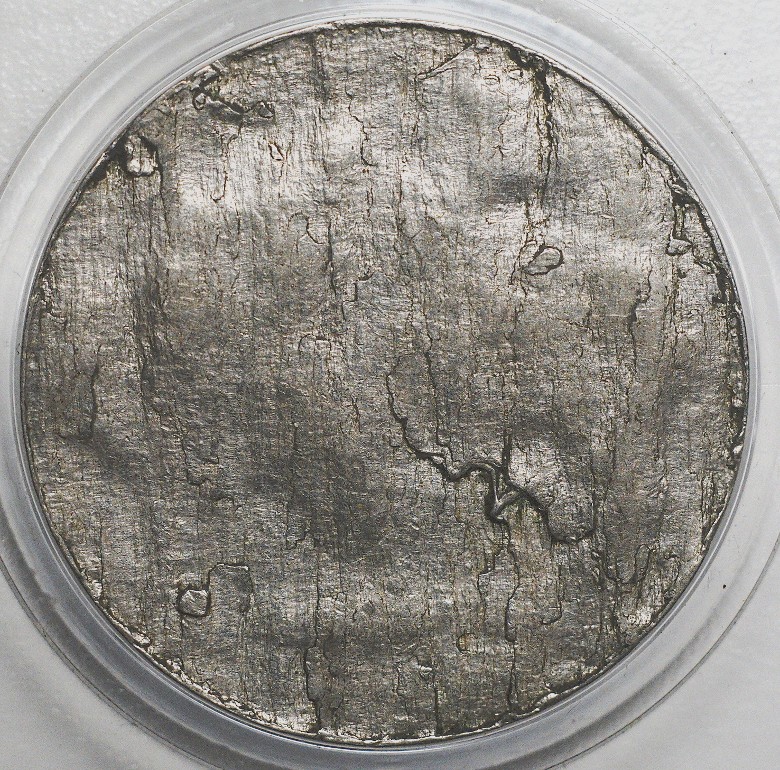
A lamination should show some type of pattern or structure of the internal metal flaws.
Here is a 1924 that split after the strike (laminated in half) . Your pics aren't detailed enough for me to tell if any of the areas that you pointed out have any recognizeabl structure of a lamination.
img]uploaded/Stoneman227/20220727_1924-d-split-bb.jpg[/img
|
|
Pillar of the Community
United States
2376 Posts |
|
|
Valued Member
United States
189 Posts |
Got the coin in-hand today, not sure if the attached helps clear anything up! Some of the areas are very deep. 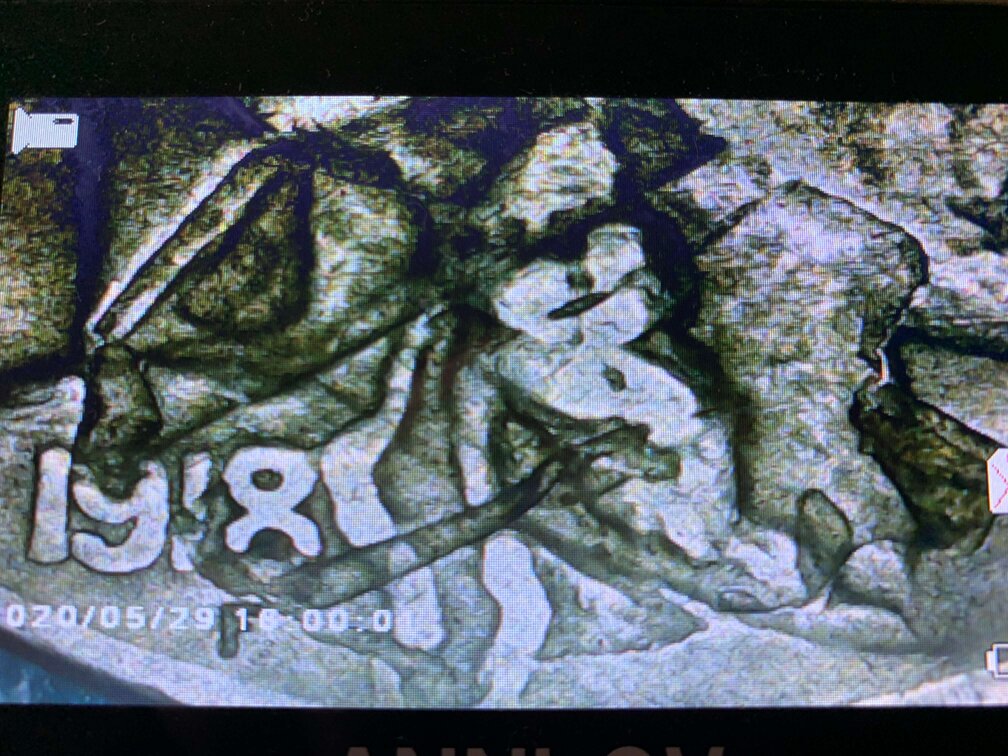 |
|
Pillar of the Community
United States
579 Posts |
In my unprofessional opinion.
The red square and oval areas are struck through.
The red circle is an area of lamination.
|
|
Moderator
 United States
108190 Posts |
given the very straight edges and corners, I would say struck through too (in the boxed in area too and slightly to the right of it as well. Over the date, looks to be a struck through too. But under the chin possibly a well worn lamination.)
|
|
Pillar of the Community
United States
2752 Posts |
I agree with Dearborn that this is most likely a struck-through error. More specifically, it looks like it was struck through a folded or crumpled piece of very thin metal.
Error coin writer and researcher.
|
|
Valued Member
United States
189 Posts |
Thanks guys, super cool, my first strike-through!  Is this worth slabbing or just keeping raw? The seller I bought it from told me he's had it for about 20 years. |
|
Pillar of the Community
United States
2760 Posts |
Definitely not worth the cost of slabbing. Unfortunately laminations are pretty common on nickels. Strike thrus are nice but don't get much of a premium.
|
|
Rest in Peace
United States
632 Posts |
A Strike-through will not have the details of the braid and knot as we see them. Pre-strike laminations, and struck over that, as see on the Massachusetts Cent, for example 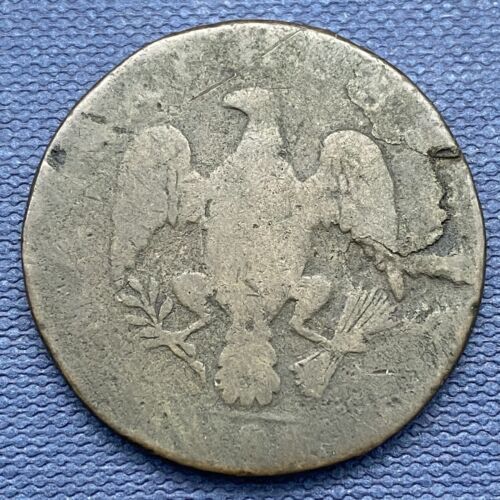 Edited by Oldgrouchyguy
03/06/2023 08:41 am
|
|
Pillar of the Community
United States
4233 Posts |
My opinion is that it's all lamination/planchet flaws.
|
|
Pillar of the Community
United States
2376 Posts |
Oldgrouchyguy There must be some material present to fill the die for the shape of the design to resolve onto the coin. This is my 1960-D cent that split before it was struck. The design details are missing where there was not enough material to fill the recessed design details of the die. Simply said , if some type of material had not been present to transfer the designs to the coin metal the they would not be there. We're it a lamination with coin metal missing then the design details would not be there (as can be seen on my coin) 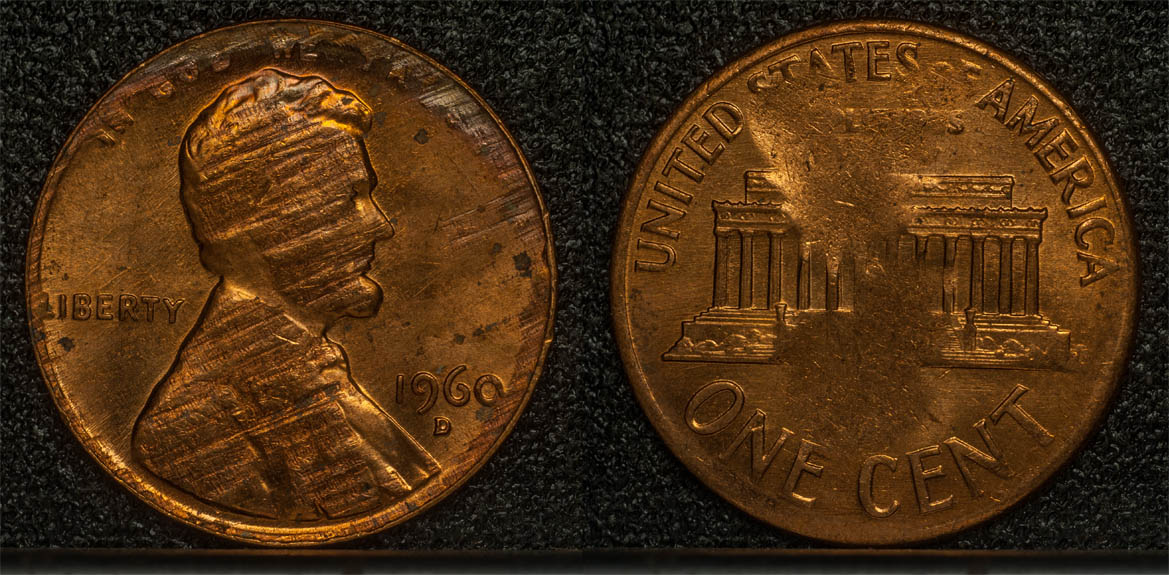 |
| |
Replies: 19 / Views: 3,056 |







 Posted 03/02/2023 08:20 am