| Author |
 Replies: 12 / Views: 1,388 Replies: 12 / Views: 1,388 |
|
|
Rest in Peace
United States
632 Posts |
Hello Everyone! Here is "something"; I think the coin was cut from a spoiled strip. It was in a Heritage Auction: 3/4/2024: 93479 and at that time it was in a new ANACS holder graded MS60 Residue. I had to buy it and break it out-I had no idea what kind of "residue" it could be, and was wondering why it wasn't before dipped. Well, I saw that it previously was dipped... The first two pictures are Heritage scans. They show the luster and the odd toning at the left periphery both sides, and the small pieces of what? impressed into places of the reverse field. The other pictures are taken in opaque natural light, (the coin does not cast "white"), and they show maroonish/brownish "staining" across both sides. The Eagle's right knee shows a deep brown patch, as do the wings, wreath etc. The Struck-Intos show well, and cast brownish: up diagonally left from the beak, and pointing to the middle arrowhead. Both are sunken into the field, and they are just two of them. The stains are a part of the coin, not on it and will not dip. The edge is crazy, and all indications are that it left The Mint like that. Copper has a higher melting point than does Silver, so that would explain it...? Any thoughts are very much welcomed. 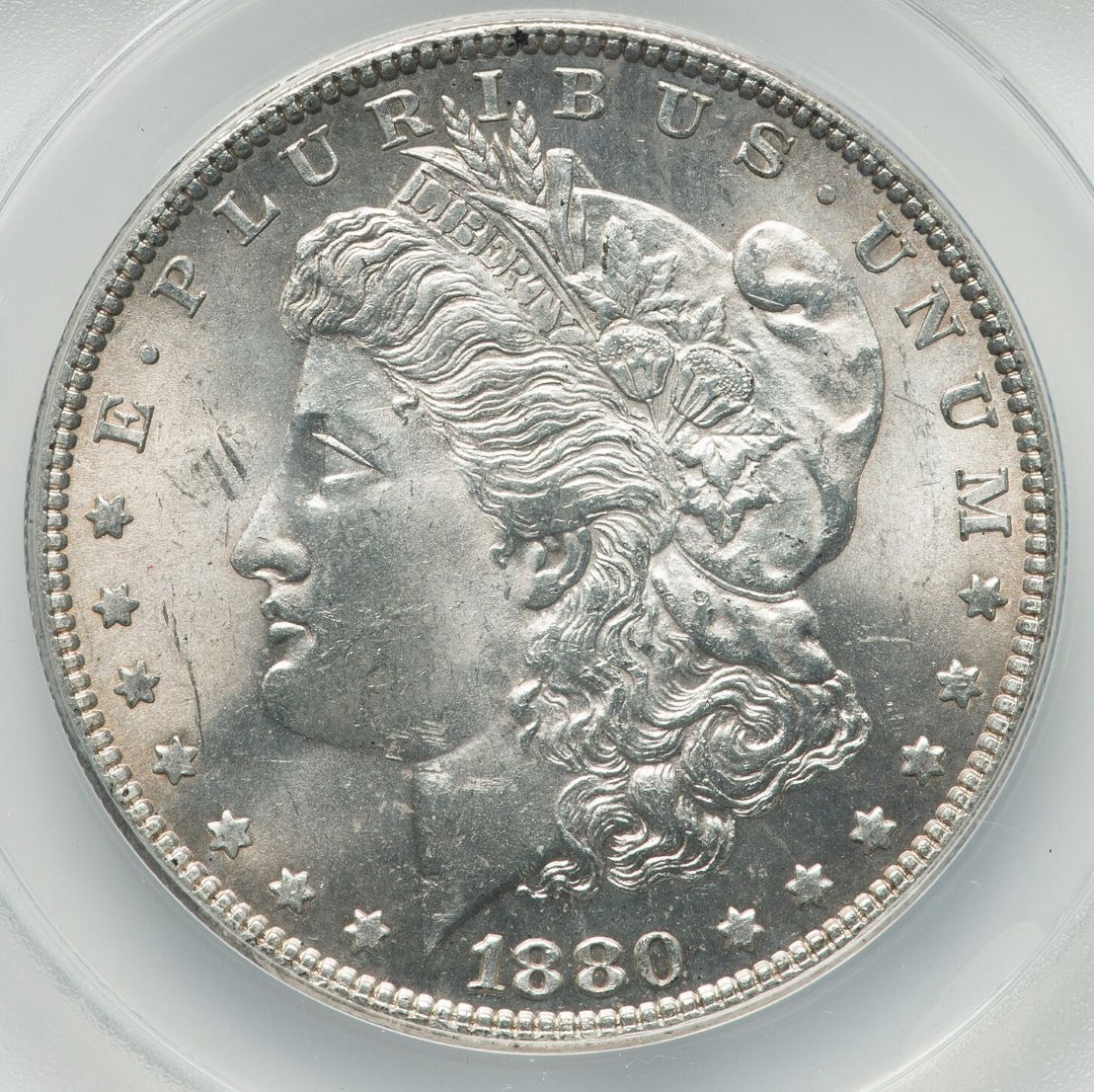 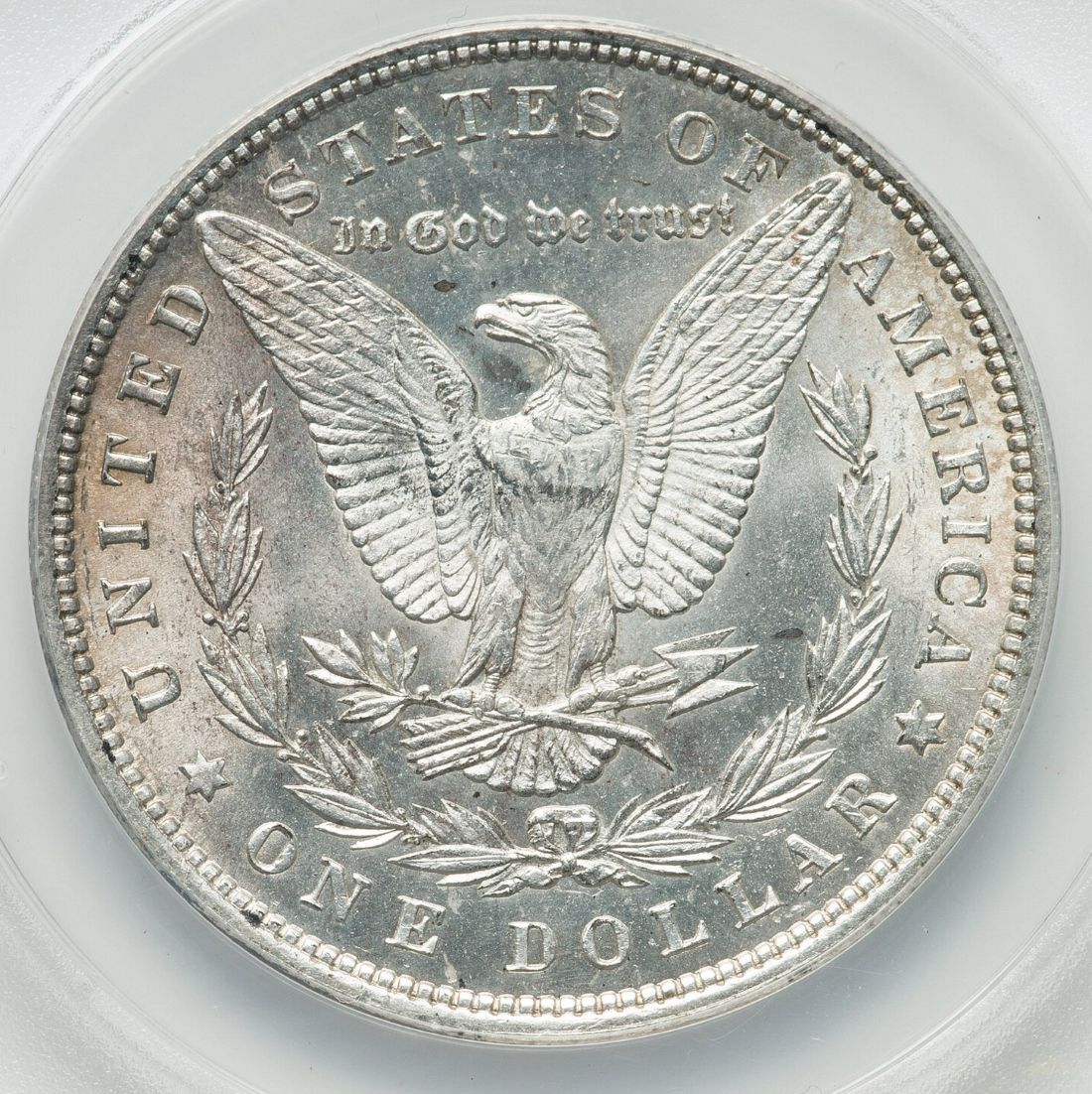 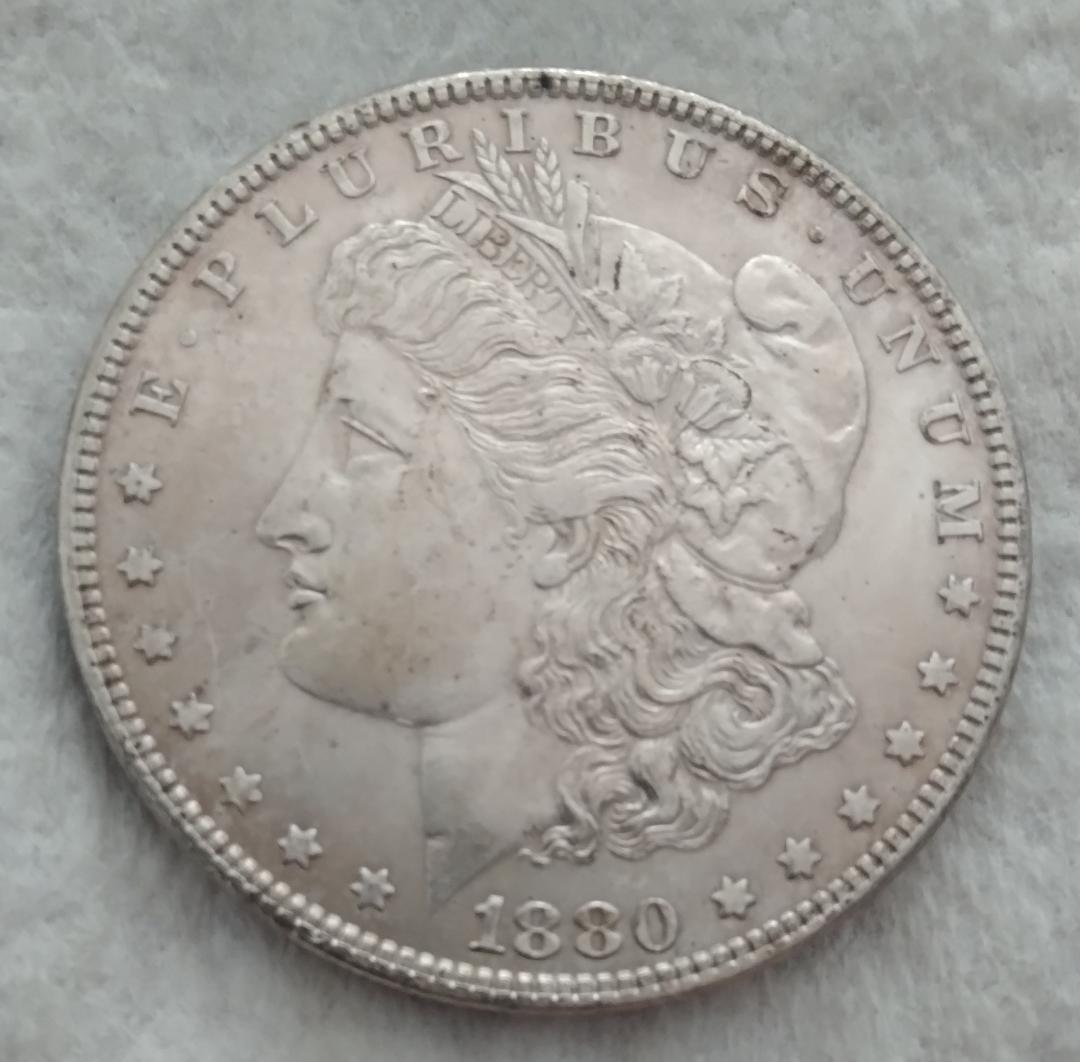 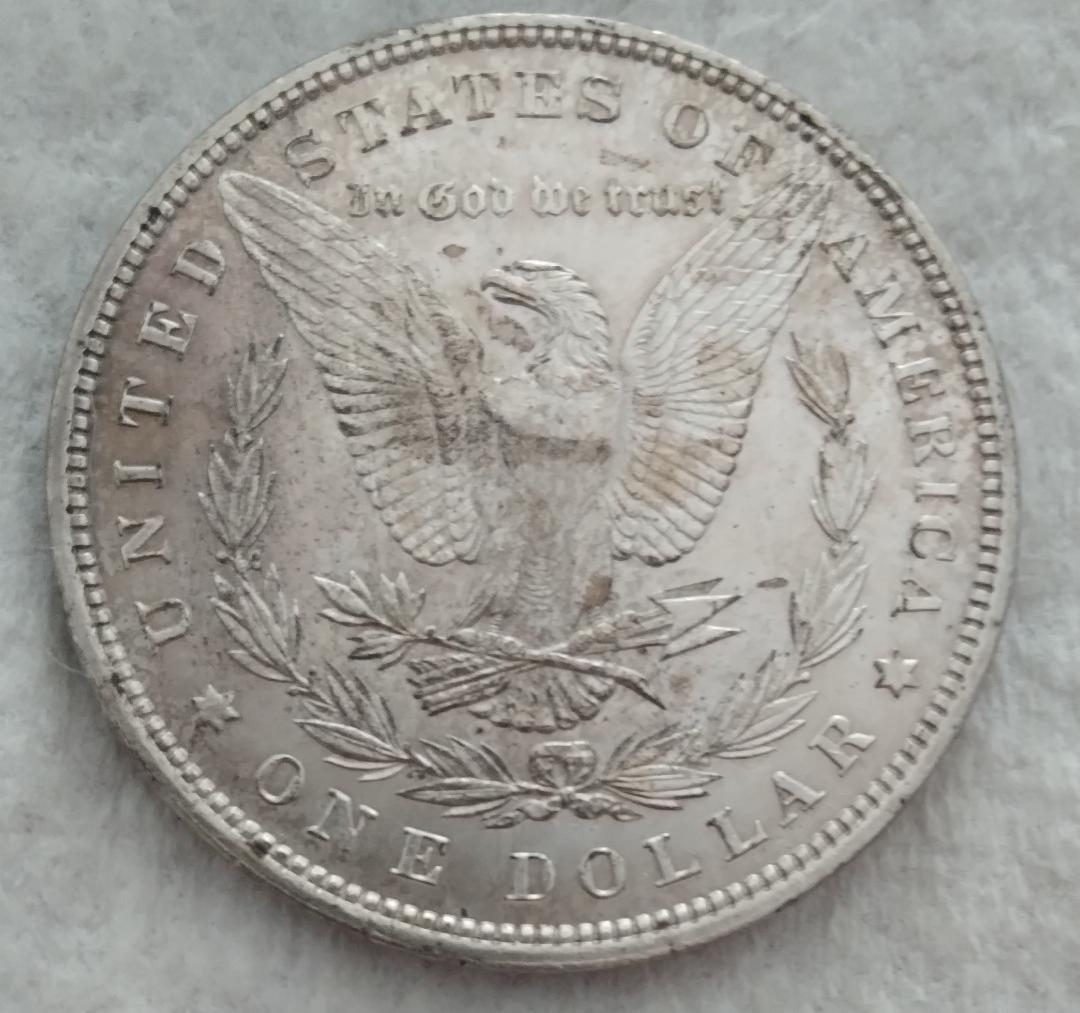 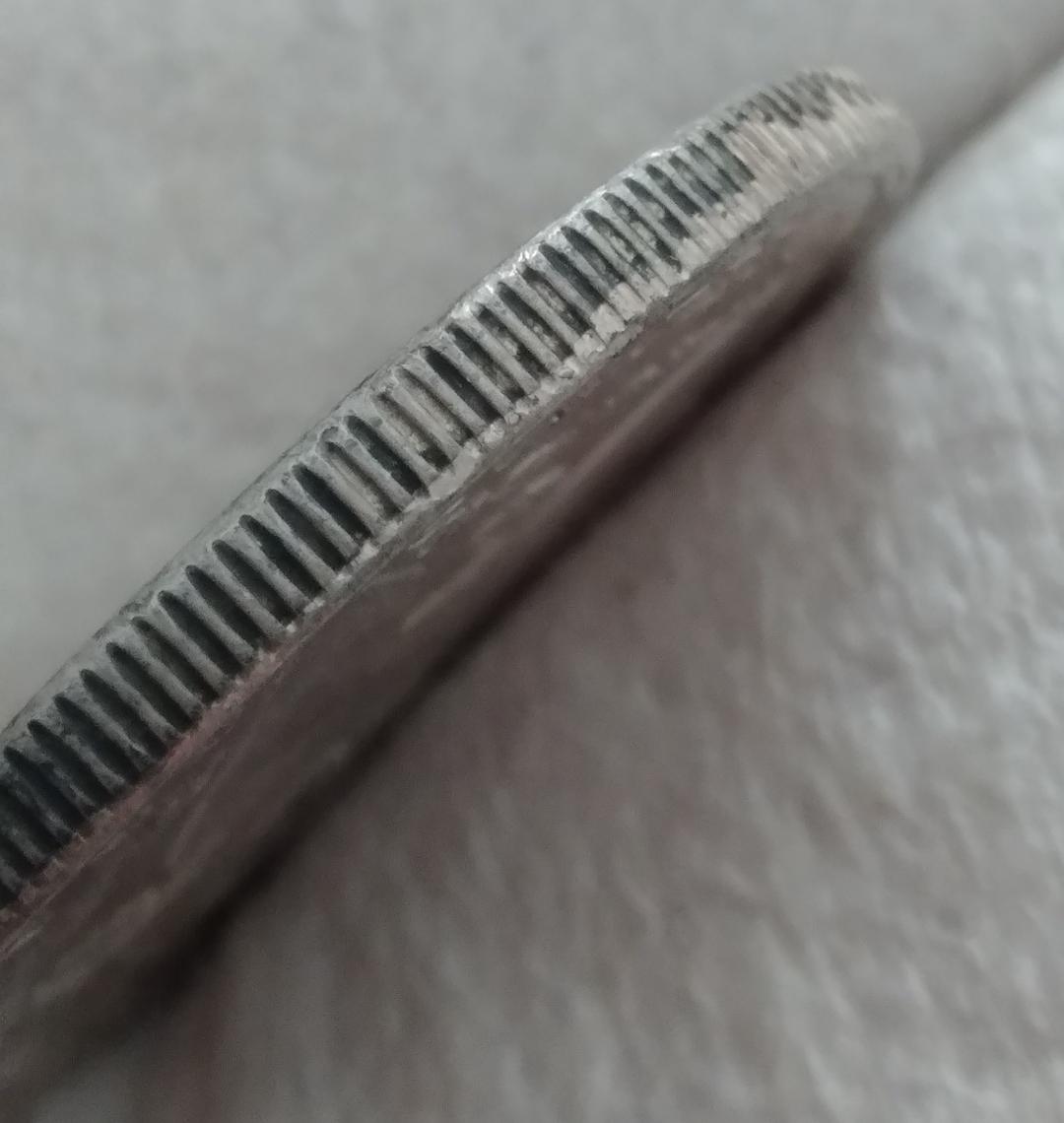 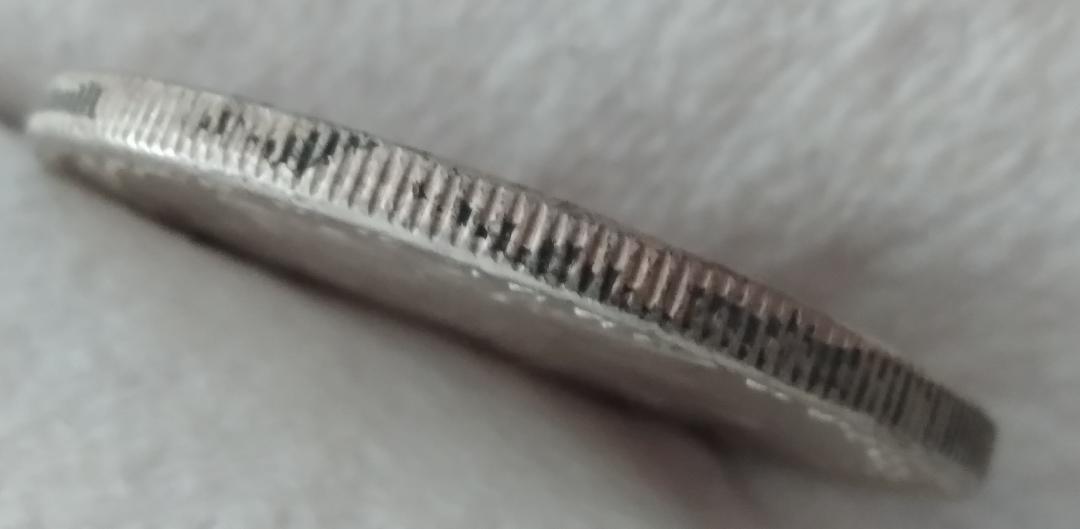 Edited by Oldgrouchyguy
05/22/2025 2:00 pm
|
|
|
|
Pillar of the Community
United States
3848 Posts |
By dip I assume you mean acetone and not a sulfuric acid solution like MS-70 or EZest?
The small black spots on the obv/rev may flick off with a toothpick or a similar tool. I see that black stuff all the time on bulk bag-stored morgans. Try to mechanically remove those and try the same on the edge.
Suffering from bust half fever. Want to learn how to attribute early half dollars by die variety? Click Here: http://goccf.com/t/434955Shoot me a PM if you are looking to sell bust halves. |
|
Rest in Peace
 United States
632 Posts |
Acetone remove only organic material-this isn't an organic stain. No reactions whatsoever.
Edited by Oldgrouchyguy
05/22/2025 2:59 pm
|
|
Rest in Peace
United States
632 Posts |
For those that wonder: There are no signs of any type of tooling whatsoever within the reeds, and no sign of anything removed from the reeds themselves
Edited by Oldgrouchyguy
05/22/2025 3:08 pm
|
|
Pillar of the Community
United States
3848 Posts |
I'm saying you should attempt to mechanically remove it yourself to determine whether the black color is in the metal or a substance that rests on top. This will be a hint to your "spoiled strip" theory. Quote:
Acetone remove only organic material-this isn't an organic stain. No reactions whatsoever. I know what acetone does. "Dip" in the numismatic industry is universally known as a name brand sulfuric acid solution. Suffering from bust half fever. Want to learn how to attribute early half dollars by die variety? Click Here: http://goccf.com/t/434955Shoot me a PM if you are looking to sell bust halves. |
|
Pillar of the Community
United States
5701 Posts |
GOG, Nice 1880 Morgan silver dollar, May I ask why you believe this is the case. Quote: " The edge is crazy, and all indications are that it left The Mint like that. "
Why do you believe it left the mint like That? Thanks |
|
Pillar of the Community
United States
3747 Posts |
Nitric Acid might react with both copper and silver and leave a yellowish coating. The residue seems to have yellowish coloring. Other than fertilizers, plastics, and some metal finishing, exposure to nitric acid would be pretty rare (thankfully, because it is dangerous). Before ANACS had the coin, could it have been in a plastic holder that was exposed to heat, such as in a fire?
Reaching here, but it's the only thing I can come up with for this situation.
Interesting coin.
|
|
Pillar of the Community
 Canada
5423 Posts |
MS70 is not a sulphuric acid solution .
No where the same as E zest.
|
|
Rest in Peace
United States
632 Posts |
Morgans Dad: Close examination of the reeds reveal no indication of any type of mechanical removal. The substance is solvent-proof (not EzEst or "MS70", etc), as is the planchet staining. The "pattern" on the edge follows the severity of the staining obv/rev. With the little pieces of embedded unmelted Copper, and the Copper staining, we can figure-out that the alloy temperature wasn't reached. I think that it's all related, and someone will do an XRF test on it. I'll let you all know the result of that.
jacrispies: "Dip" in this event involved no Acids
Edited by Oldgrouchyguy
05/22/2025 11:32 pm
|
|
Pillar of the Community
United States
5701 Posts |
Oldgrouchyguy,
Excellent Eyes.!!!
Thanks for your reply. The posted photos show what you are talking about, However, the details your explaining are probably better with coin in Hand. I am wondering how " many " of these are in the wild. I am intrigued like most , to hear more, Thanks for Sharing, MD
|
|
Rest in Peace
United States
632 Posts |
THIS is what I was looking for! I was pretty sure that the black spotting and edge material was Coke...
"Smelting copper is a pyrometallurgical process where copper is extracted from its ore by heating it to high temperatures with a reducing agent, typically carbon or coke. This process, used to obtain copper from sulfide ores like chalcopyrite (CuFeS2), involves several stages, including roasting, smelting, and converting.
Detailed Process..."
|
|
Pillar of the Community
United States
3848 Posts |
Quote:
MS70 is not a sulphuric acid solution .
No where the same as E zest. You are right, I stand corrected. Here is a description I found on CoinTalk: "Acidic coin dips, designed to remove tarnish from silver, can remove metal. So can other acids.
Strong alkalis, including MS70, can remove aluminum, zinc, and certain other active metals, but I can't see how they would remove copper/silver/gold."Suffering from bust half fever. Want to learn how to attribute early half dollars by die variety? Click Here: http://goccf.com/t/434955Shoot me a PM if you are looking to sell bust halves. |
|
Rest in Peace
United States
632 Posts |
jacrispies: Decades ago, my friend owned a Philatelic Auction House in Boston. The first time that I walked into his viewing room, I noticed a bottle of Lighter Fluid on every desk. "What's that for?" I asked. He looked at me with a small level of incredulity: "For watermarking." was the answer. It's a color-safe, whether by dye or toning, and it's related to the fluid that was the discovery of the modern Dry Cleaning process. When I dipped an old stamp in it, it comes out a touch brighter, as the old finger oils are removed. I like it soooo much better than Acetone for detritus/organic compound removal.
|
| |
Replies: 12 / Views: 1,388 |
|




 Posted 05/22/2025 2:58 pm





