Coin Community Family of Web Sites Join Thousands of Coin, Bullion, & Money Collectors
Coin, Banknote and Medal Collectors's Online Mall Royal Canadian Mint products, Canadian, Polish, American, and world coins and banknotes. Specializing in Modern Numismatics Royal Estate Auctions - $1 Coin AuctionsVancouvers #1 Coin and Paper Money Dealer Join Thousands of Coin, Bullion, & Money Collectors 300,000 items to help build your collection!


Username:
Password:
Save Password
Forgot your Password?


This page may contain links that result in small commissions to keep this free site up and running.

Welcome Guest! Registering and/or logging in will remove the anchor (bottom) ads. It's Free!

1755 8 Reales Recovered, Real Or Counterfeit ?

To participate in the forum you must log in or register.
Author Previous TopicReplies: 35 / Views: 5,778Next Topic
Page: of 3
New Member
Diggin Dude's Avatar
United States
20 Posts
 Posted 05/16/2023  4:32 pm  Show Profile   Bookmark this reply Add Diggin Dude to your friends list Get a Link to this Reply
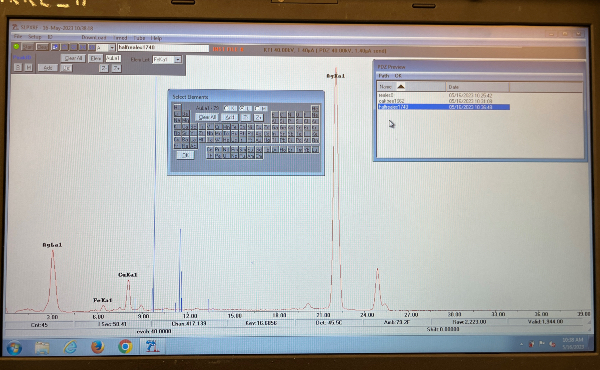
While I was there, he agreed to test several other coins. For this thread, I had him test to 1740 half Real I found a half a mile away from the 8. It ended up having a slightly higher copper content (compared with the 8) and a very low iron peak, which might be due to the iron polluted ground. I found it in. There were lots of square nails in the section of ground I found it in.

Here is the photo of the 1740 half XRF spectrum

1755-8-Reales-Recovered,-Real-Or-Counterfeit-?
Pillar of the Community
swamperbob's Avatar
United States
5362 Posts
 Posted 05/16/2023  11:13 pm  Show Profile   Bookmark this reply Add swamperbob to your friends list Get a Link to this Reply
I am not familiar with that particular readout, but both tests show a similar pattern of peaks which would indicate a very similar alloy. Both appear to show a similar "under 1%" reading for gold. I only wish the operator had given you some indication of how far under one percent. One percent equals 10,000 ppm, so under 1% is a very widespread. However, the general similarity between the alloy of the two coins makes me believe that both are in fact genuine and that you have made a remarkable find. I know that you have no intention of selling the coin, but you may still want to have it authenticated to preserve it. You should also leave a detailed statement about the location and date of the find along with the pictures of the XRF tests for your heirs. That way you will leave a well-documented historical asset for the future.

One final comment is in order. The value of having an XRF test of the coin BEFORE submission to a TPG is to document the alloy and authenticity before it is encapsulated. None of the fundamental scientific tests of a coin like this can be made AFTER encapsulation. So, it is time well spent to always weigh a coin accurately, determine its density and do the XRF test prior to having it "certified" by a TPG which only uses a visual inspection done in a few seconds.
New Member
Diggin Dude's Avatar
United States
20 Posts
 Posted 05/18/2023  09:23 am  Show Profile   Bookmark this reply Add Diggin Dude to your friends list Get a Link to this Reply
Thanks for your reply, Bob. Yeah I was happy to see that both Coin's had the same make up and there are no strange alloys. FYI, I've started your book. Definitely not light reading lol but very comprehensive interesting. It is my goal this summer to finish it, but I find myself rereading a lot of it to digest it so to speak.

I wish this forum had a private message section so we could share email addresses. I'd rather not make mine public. There is more information and interesting coin finds I would be willing to discuss with you, but not on a public forum. Another coin found not too far from the 1740 HR was a 1662 oak tree 2 pence that I also had scanned. It actually had a higher silver content than the Spanish silvers, and a lower copper content. It was in a very wet area with horrible ground conditions, and extremely tarnished like it was in salt water. On the advice of a coin dealer, I sent it to NGD to get it conserved and graded. They won't verify authenticity unless it's gradable and with the environmental damage they would not grad it and they ruined the look of the coin with their restoration techniques. I was able to conserve it on my own using techniques that we use on English hammered coins we find in the ground in the UK. It turned out better than what they did. I am not willing to discuss those techniques because it would start a controversy on a coin collecting forum. I believe coin collectors don't fully understand the terrible conditions that most coins are in when unearthed from the ground, either by Detectorists and/or archaeologists. Anyway, I was glad to learn about XRF testing on coins through the site.


1755-8-Reales-Recovered,-Real-Or-Counterfeit-?
Edited by Diggin Dude
05/18/2023 10:05 am
Pillar of the Community
United States
1962 Posts
 Posted 05/18/2023  11:20 am  Show Profile   Bookmark this reply Add realeswatcher to your friends list Get a Link to this Reply
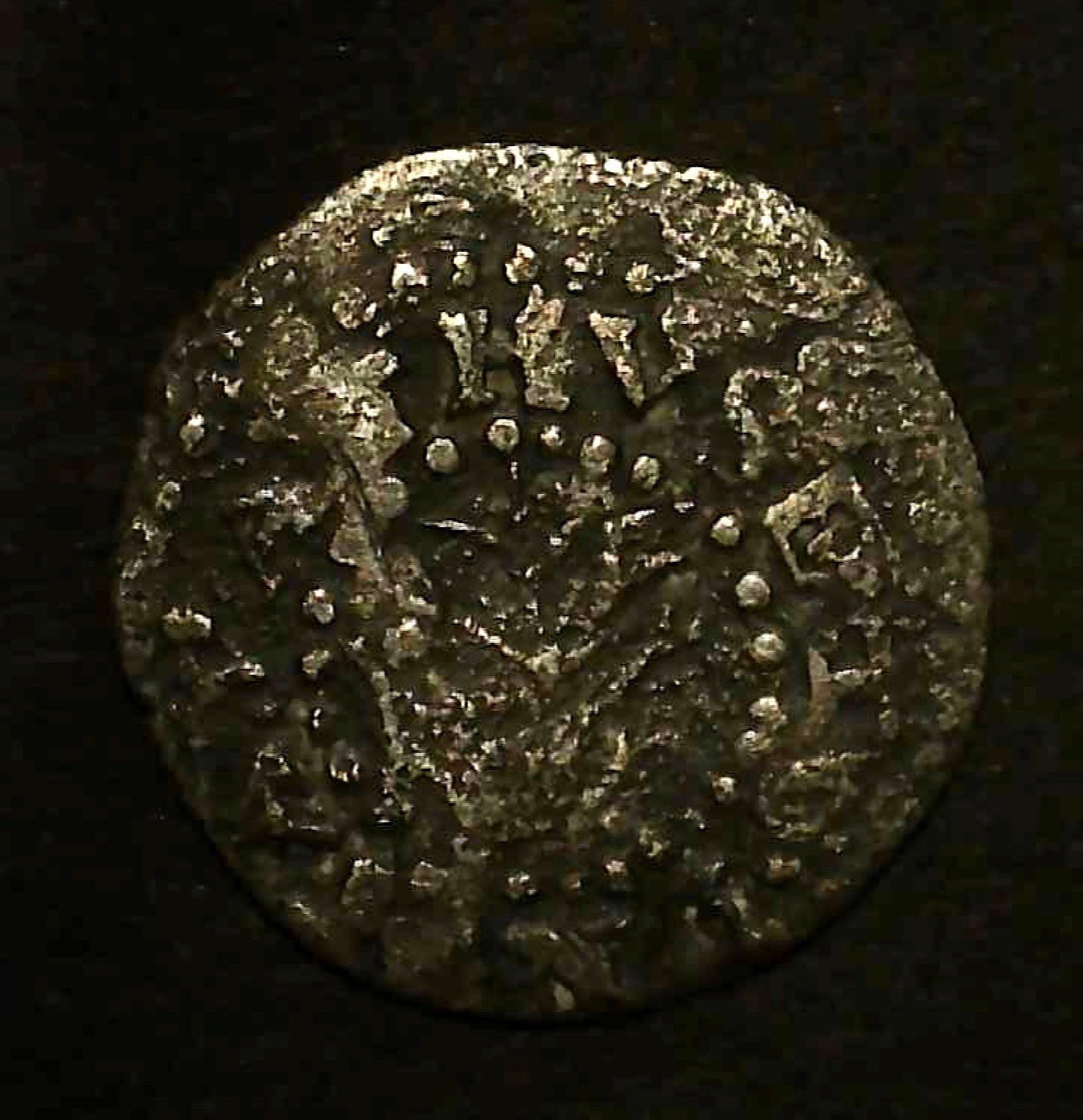
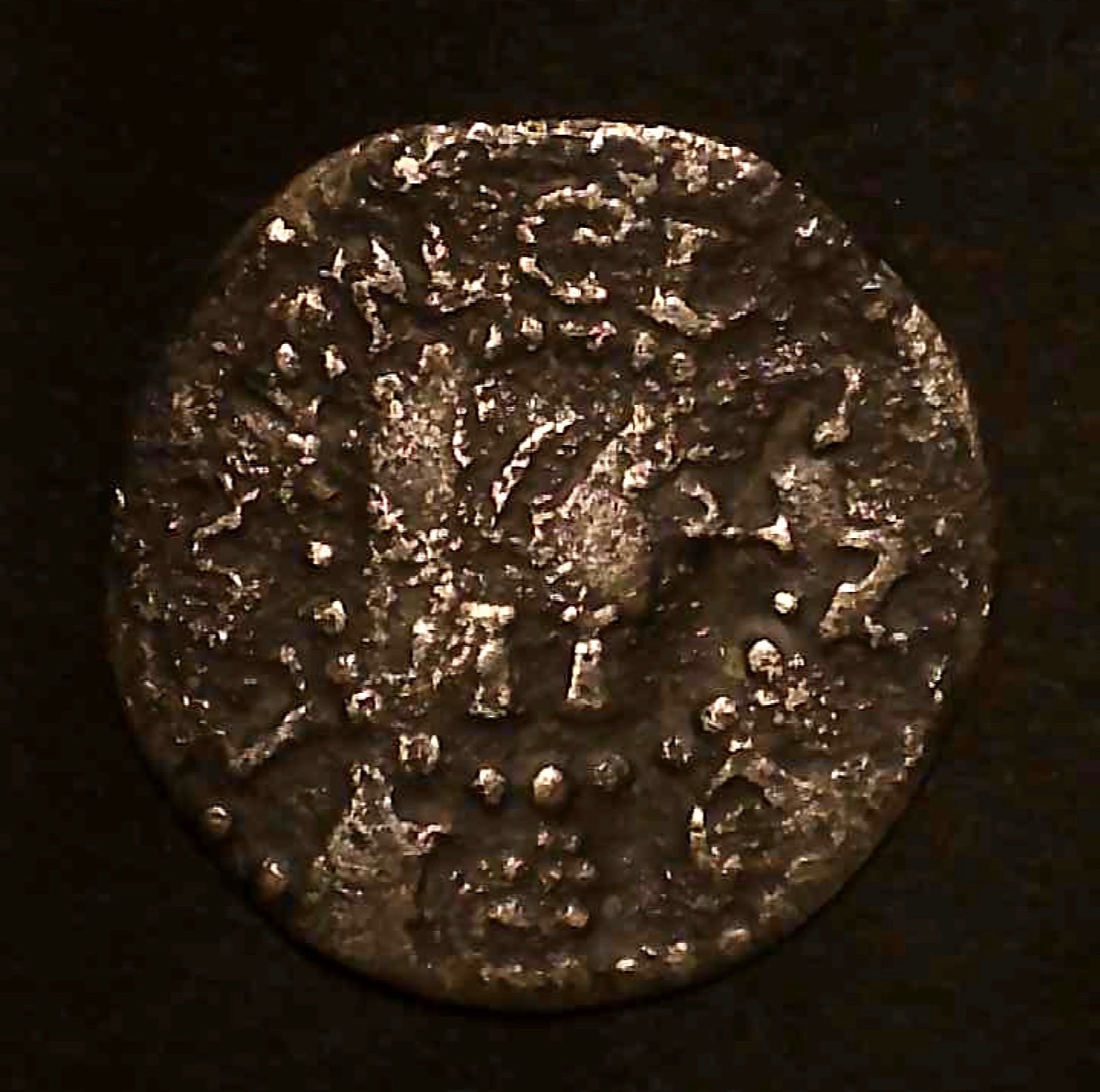
That's not a totally awful piece, to be fair... and the design is probably more discernible with less close up pics. Good find.

Quote:
I am not willing to discuss those techniques because it would start a controversy on a coin collecting forum.

It's an anonymous forum with a bunch of random people - who cares?

BTW, ever go on TreasureNet? There's also a detecting subforum here, though apparently not super active:
http://goccf.com/f/52
http://goccf.com/f/53

Anyway, anyone reasonably involved with Spanish Colonial and/or wreck material... and certainly also early copper people... understands the challenges of mitigating environmental damage. The only thing REALLY "controversial" is when that veers into into "tooling", reengraving - basically anything that essentially tries to restore/replace detail that is gone. Some putty/wax, etc. to fill in bad pits... some "smoothing" to mellow overly porous surfaces... retoning of acid-stripped to white silver (which has been done on A LOT of large wreck recoveries)... those are more shades of grey. A bit of sensible repair to make an obviously compromised piece slightly more aesthetic is not the most egregious crime in the world.


Quote:
(NGC) ruined the look of the coin with their restoration techniques

As I'm sure you know, when dealing with salvage finds, you have to figure out how much of the remaining detail in now intertwined in the corrosion. Particularly with coppers... there are pieces that look OK but if you try to strip it with acid, electrolysis or whatever and let it retone, you're left with a pitted mess with no relief/"look" left to it. Too "toasted", as they say. Sometimes best to just do a slight surface clean with soap,warm water and slight brushing/toothpicking, maybe some oil and call it a day.

NGC does do bulk wreck/hoard conservation, but I really wouldn't expect greatness out of them on a one-off delicate piece. I believe Sedwick (Spanish Colonial/wreck specialists) does conservation? Someone like that, where they are more attuned to what they are dealing with, might be a better bet.
New Member
Diggin Dude's Avatar
United States
20 Posts
 Posted 05/18/2023  2:53 pm  Show Profile   Bookmark this reply Add Diggin Dude to your friends list Get a Link to this Reply
Realeswatcher

Obviously, you know about the different techniques, long term cooking in olive oil, cooking in olive oil with a splash of lemon juice, hot wax method, "coin cleaning pencils", fiberglass pencils, use of peroxide (coppers and brass only) if the condition needs it, spit in foil, etc. My favorite is when silver comes out of the ground nice and all I use is distilled water. Gold.well that's the easiest of them all, distilled water.

Colonial era coppers are the most difficult, depending on where they were made and when. Some USA state coppers are very delicate, and the details remain only in the tarnish patina.

Interesting you mention NGC doing shipwreck restoration. I was not aware of that. Unfortunately I was not happy with what they did to my coin but it's too late. I have it looking as good as it's going to look no thanks to NGC.

In the end, you try to do as little as possible to the Coin when cleaning it up after it's been in the ground a couple hundred years.

Thanks for providing those links. When I have spare time, I'll check them out and you mention treasure net. I used to post on treasure net with the same user name. You could probably see some of my old posts on there. Currently, I only post items that I can't identify on the "what is it" part of the forum.
  Previous TopicReplies: 35 / Views: 5,778Next Topic
Page: of 3

To participate in the forum you must log in or register.


Disclaimer: While a tremendous amount of effort goes into ensuring the accuracy of the information contained in this site, Coin Community assumes no liability for errors. Copyright 2005 - 2026 Coin Community Family- all rights reserved worldwide. Use of any images or content on this website without prior written permission of Coin Community or the original lender is strictly prohibited.
Contact Us  |  Advertise Here  |  Privacy Policy / Terms of Use

Coin Community Forum © 2005 - 2026 Coin Community Forums
It took 0.25 seconds to rattle this change. Forums