| Author |
 Replies: 6 / Views: 1,703 Replies: 6 / Views: 1,703 |
|
|
Valued Member
United States
309 Posts |
Recently I posted about Queen Anne Farthings. I had been doing some reading about them but still had unanswered questions. Particularly this: everyone seems to agree that the farthings released for circulation were made from copper and yet the two people who have dived deeper into these coins than most beg to differ. Or so it seems. For example, C. Wilson Peck writes that others were released (perhaps those that failed Sir Isaac Newton's purity test?). And then there was Colin Cooke, who had a collection that includes Queen Anne farthings that had cracked when struck during testing and others made of tin and lead. So what gives? My farthing below is from dies 2 and E. It is on a small, thick (i.e., about 2 mm) flan, with a diameter of about 22 mm and a weight of about 5.07g. The edge is not only cracked, as you can see, but it is plain, which to most people who know about these farthings would suggest that this is another copper farthing. But it's not copper (and I asked two people at a recent coin show near me who concurred). I'm not sure what it is, though: it's too heavy for tin, too light for silver. And I wouldn't think it was lead for the same reason, although it looks to me like lead. That said, C. Wilson Peck also wrote that there were "rather deceptive small flan silver casts" out there but I can find no evidence of a seam on this one. And then there's the weight. This farthing is clearly a circulated example, but it's more its composition that I am wondering about than its grade. What do you all think? 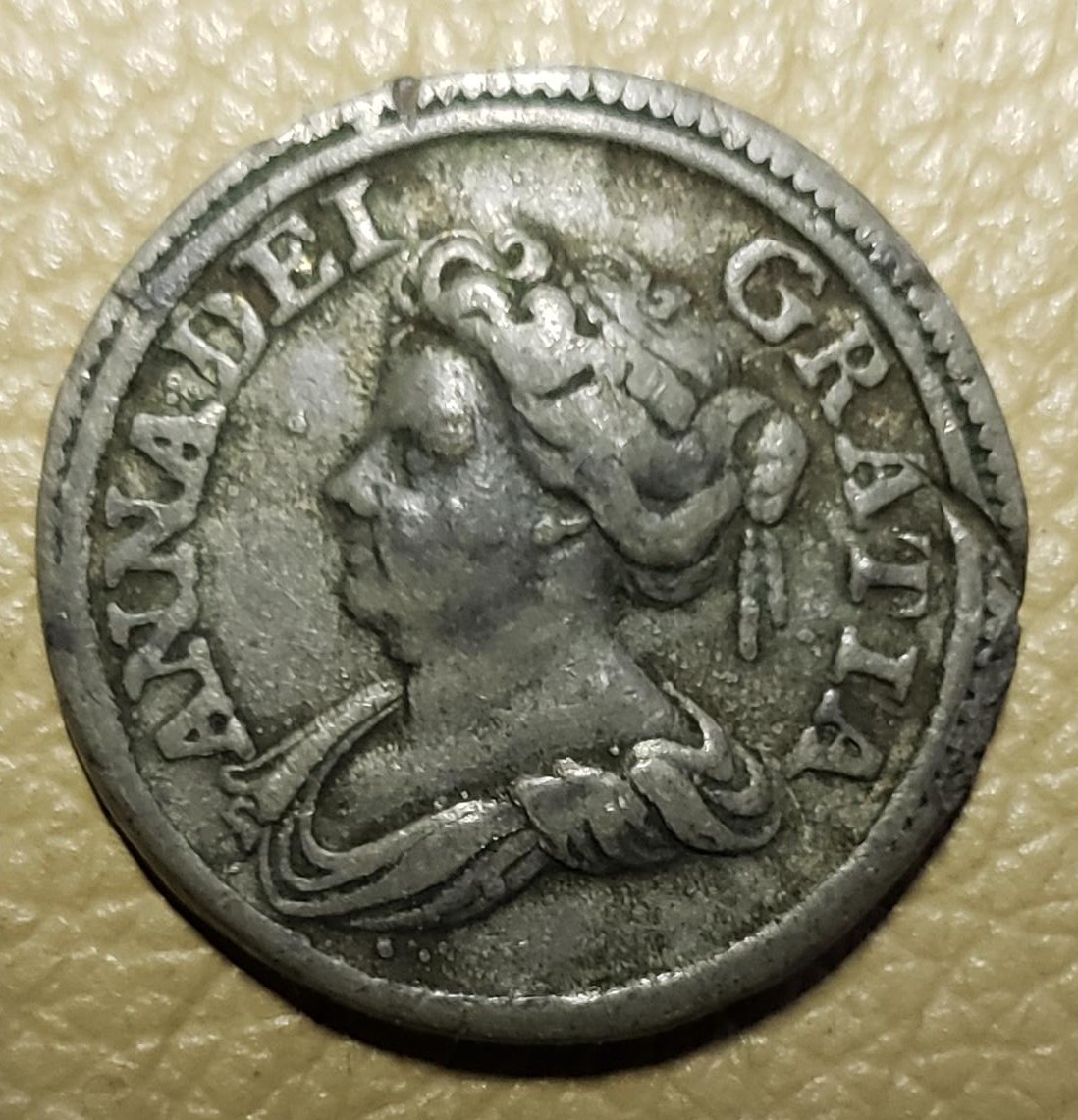 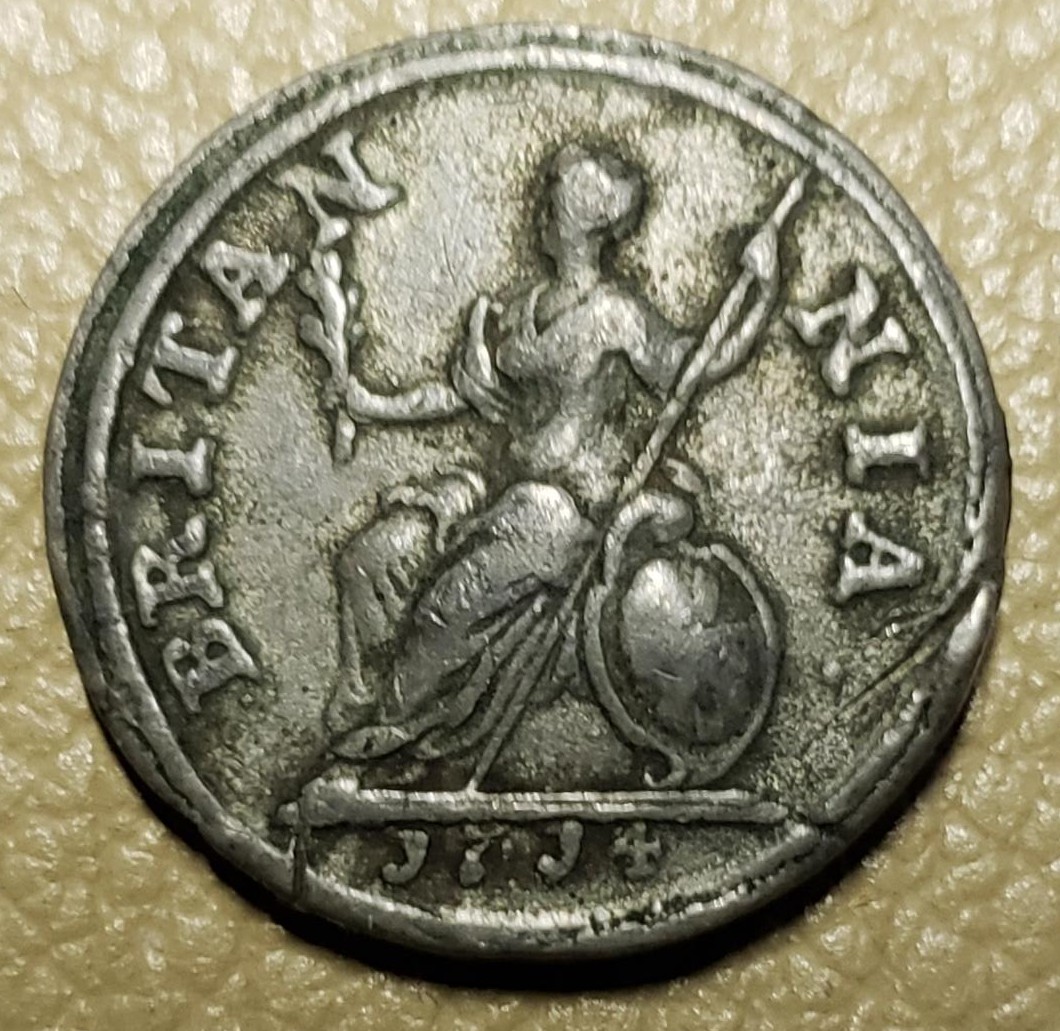 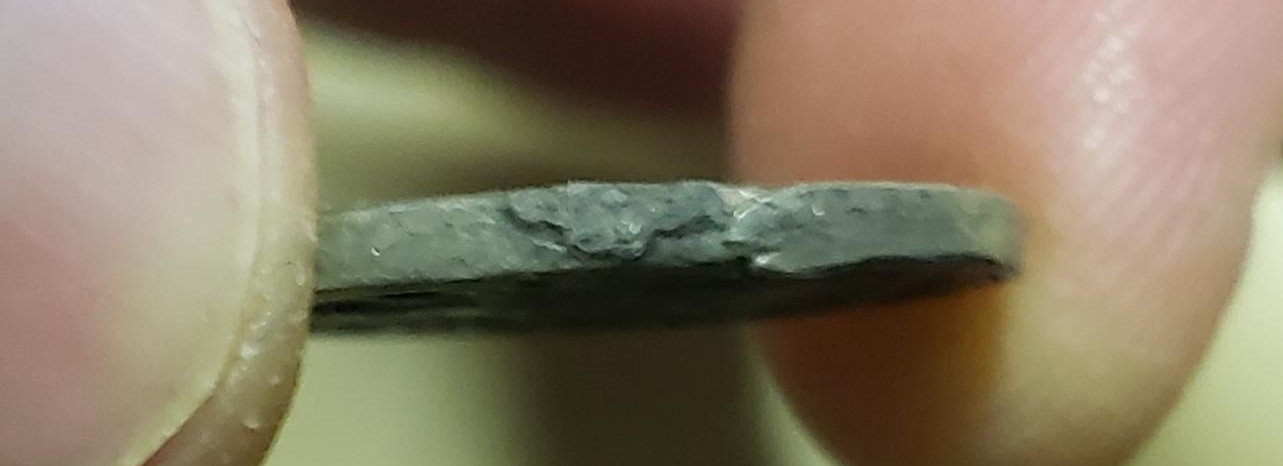 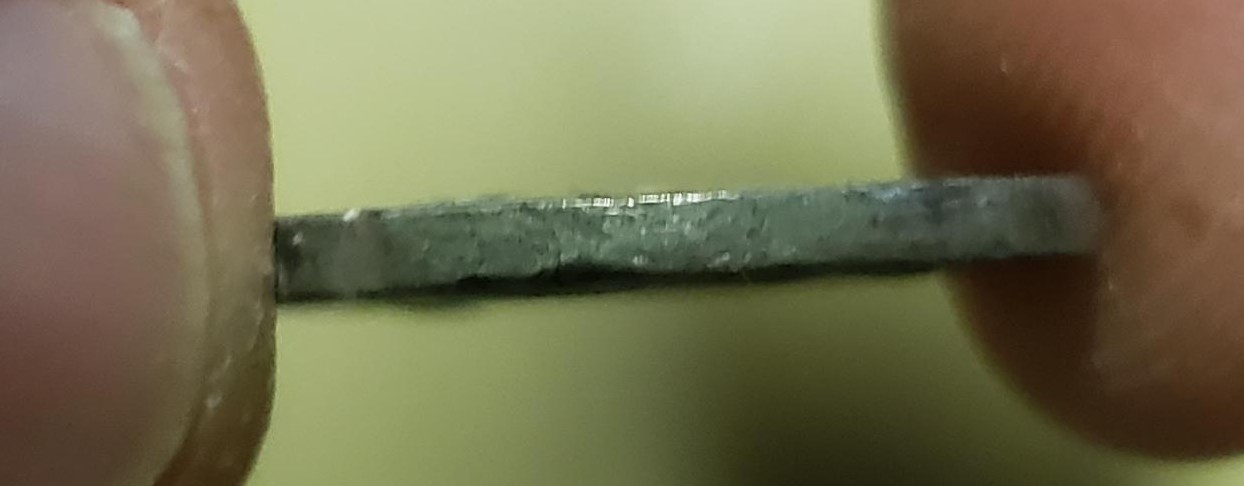 Edited by jdsstrat
04/19/2025 12:07 am
|
|
|
|
Bedrock of the Community
 United States
27514 Posts |
Quote:
The edge is not only cracked Could this possibly be a sprue mark? As for composition, an XRF reading would solve that mystery rather quickly. Inordinately fascinated by bits of metal with strange markings and figures
|
|
Pillar of the Community
United States
2025 Posts |
The mushy details and the bubbles in the fields would suggest to me that it is a cast.
|
|
Valued Member
 United States
309 Posts |
Quote:
Could this possibly be a sprue mark I thought that too but couldn't square it with Peck's "rather deceptive" comment. |
|
Pillar of the Community
United Kingdom
945 Posts |
It certainly looks to me like one of the contemporary cast copies, the same as mine, posted on the other thread.
The sprue suggests they were cast in multiples and broken apart.
|
|
Valued Member
United States
309 Posts |
Quote:
the same as mine In some ways, Paddy, yes, it looks like yours. But in others, like the color, it doesn't, which brings me back to an XRS reading, as Hondo suggested. |
|
Valued Member
United States
309 Posts |
That's XRF reading, sorry for the typo.
|
| |
Replies: 6 / Views: 1,703 |
|







 Posted 04/19/2025 05:59 am


