| Author |
 Replies: 9 / Views: 1,002 Replies: 9 / Views: 1,002 |
|
|
Valued Member
United States
86 Posts |
Hi Everyone! I've saved up some coin money and am looking to complete my 12 Caesar's collection (only have four right now  ) So I'm checking out the various auction sites to see what's out there and came across this Caligula Three Sisters coin on Biddr, who is representing this coin on the auction house Jean Elsen. Though my ancient coin knowledge is extremely limited, I do know this coin is ofter counterfeited. But since it's on a respected auction site like Biddr, I'm hoping this is a legit coin. Unfortunately there are no photos of it in an NGC case. But before placing a bid, I wanted to double check that the coin is real and not a fake, so I came to you folks, the true experts. Please take a look at the coin and let me know your thoughts. Real? Fake? If real, considering the pretty good condition, what kind of price do you expect this will bring? Thanks!! Greatly appreciate any thoughts you have. 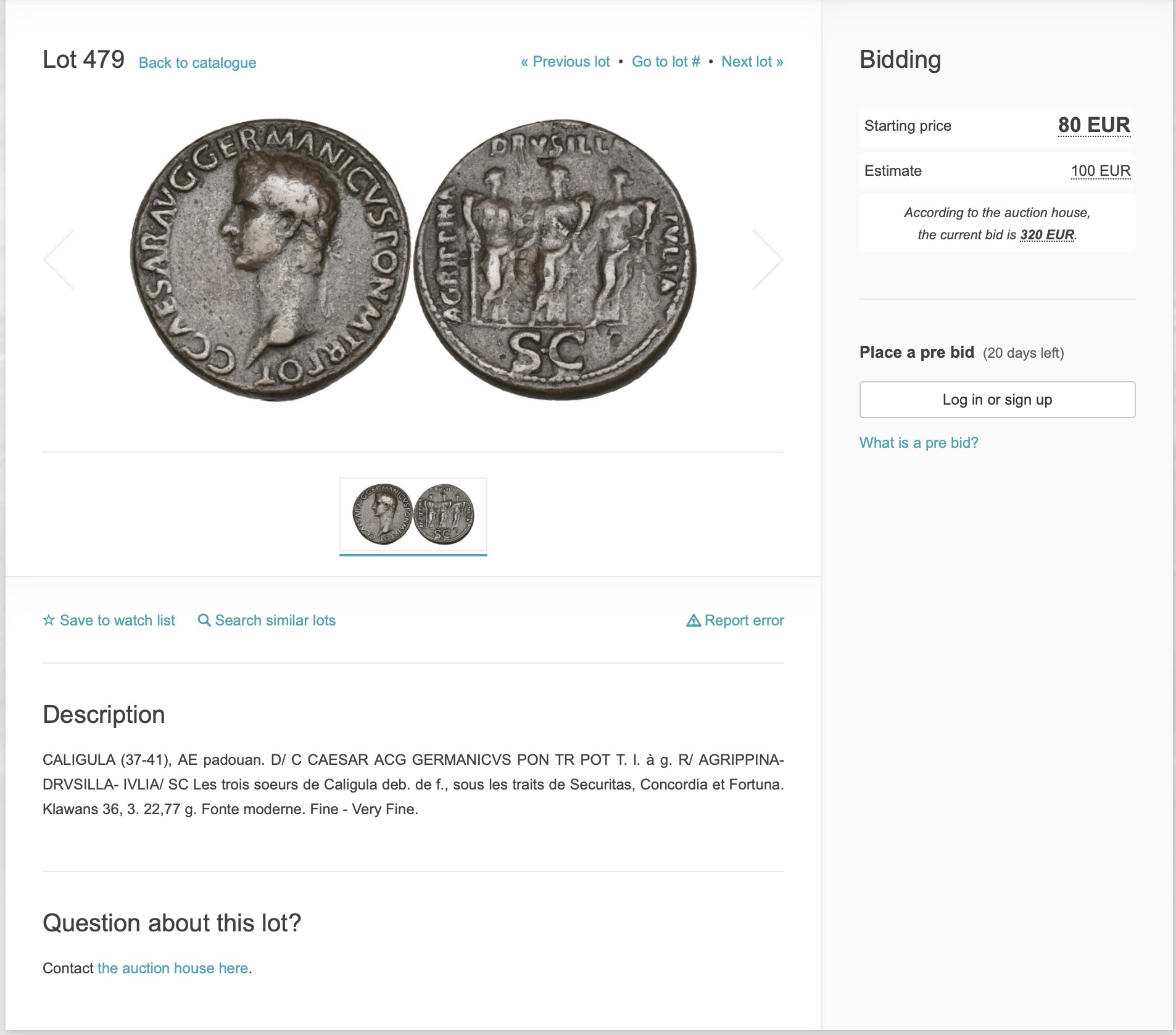 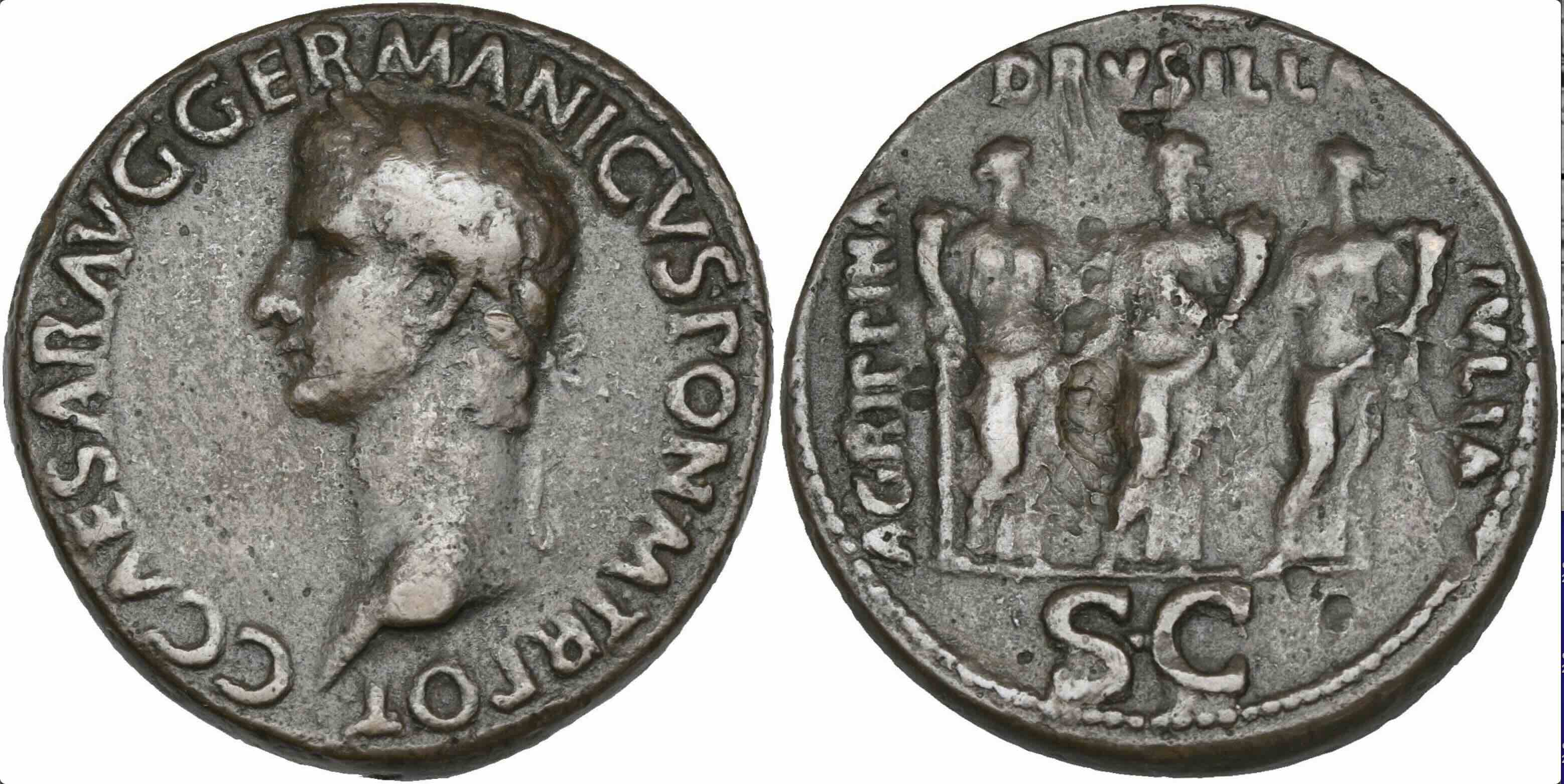 |
|
|
|
Pillar of the Community
 United States
992 Posts |
It's a paduan reproduction and says so in the description-- "padouan" it also states "fonte moderne" which means that it is a modern casting https://www.forumancientcoins.com/n...qPin2hPsRQxI"Paduan is the name given to the false coins executed in the 16th Century by two men, Giovanni del Cavino, surnamed il paduano, and Bassiano. These counterfeiters faithfully copied ancient coins and also composed new reverse designs in ancient style demonstrating a profound knowledge of history. Panduans are held in great repute, and despite being "fake," are collected for their beautiful workmanship and as renaissance art. One hundred and twenty-two of Cavino's dies are in the Bibliothèque nationale de France in Paris. They were brought from Italy in the seventeenth century by Lecomte, who bought them from the Lazzara family of Padua. They are described and illustrated by Claude du Molinet in Le Cabinet de la Bibliothèque de Sainte Geneviève, Paris, 1692." |
|
Valued Member
 United States
86 Posts |
Thanks, Victor!
I did not know the term "padouan" or what it referenced or the term "fonte moderne" meant modern casting. Whew! Though I feel like an idiot, I am happy to have learned this for future reference!
Out of curiosity, any idea why an auction house would allow reproductions on their website? I get that they're being upfront and transparent about the coin's history, but why even have it listed. Seems to cheapen both biddr and Jean Elsen's inventory.
Edited by floyd5175
10/16/2025 6:09 pm
|
|
Moderator
Australia
17007 Posts |
Because it's a "historic and well documented reproduction", and thus a collectable artifact in its own right, hundreds of years old - just not quite as old as a genuine ancient Roman coin. Some collectors of US coins want to own a Henning nickel or an Omega gold coin, because of their fame and notoriety. Likewise, some collectors of ancients want to own a Paduan. Don't say "infinitely" when you mean "very"; otherwise, you'll have no word left when you want to talk about something really infinite. - C. S. Lewis
|
|
Pillar of the Community
United States
992 Posts |
Except, as noted in the auction description, this is a modern casting. So it is a copy of a copy...and a poor copy at that....probably many generations removed from the original and perhaps only a few years old.
|
|
Pillar of the Community
United States
1122 Posts |
To me, this coin shouldn't be in an auction as it is a modern copy. I guess if you hold on to it for a few hundred years, it might be worth something.
|
|
Valued Member
United States
86 Posts |
How old does a fake have to be to make it desirable? I would think an old fake is just as worthless as a new fake.
I can understand someone using a fake as a teaching/educational tool or maybe for jewelry. But I can't understand why a collector, someone who, I would guess, values a coin's value through its genuineness, would want a fake coin (old or new) in their collection.
Edited by floyd5175
10/19/2025 9:29 pm
|
|
Pillar of the Community
United Kingdom
2935 Posts |
Quote:
I would think an old fake is just as worthless as a new fake It depends what you mean by fake. "Limes" denari were fakes but they were semi tolerated as they met a need. Particularly seen around the Danube area. "Crockards and Pollards" were fakes of Edward I pennys - but tolerated as official currency.as were other continental imitations. I'm quite interested in these and seek them out. Highly collectable and often more expensive than what they are trying fake. "Barbarous radiates" were locally minted fakes at the edges of the Empire and tolerated because of the need for small change. "Continental imitations of Spanish reales" were produced in the Netherlands and Italy, technically fakes but were tolerated for colonial trade British "Condor" tokens of the 18th century. Not trying to fake a specific coin, but certainly usurping the role of traditional coinage because of the need for change. In Germany during the early 1600's, cities issued debased fake thalers because of the financial instability caused by the 30 years war. Definitely categorised as fakes, but tolerated, circulated and collected. Google Kippermünzen (the debased issues) and Kippergeld (the emergency small change).. While modern fakes are clearly a pain, older fakes can be quite interesting. . |
|
Valued Member
United States
86 Posts |
Thank you for educating me, Bacchus! You provided a perspective I had not considered! With every post I learn a tiny bit more.
|
|
Pillar of the Community
United Kingdom
1596 Posts |
Following this thread with interest. Here is my example of a modern 'forgery'. I posted it a while back and Victor was kind enough to tell me exactly what I had. It's a Petrov Slavey 'fake'. Enjoy, regards, Met. 26mm and 9.75 grams. 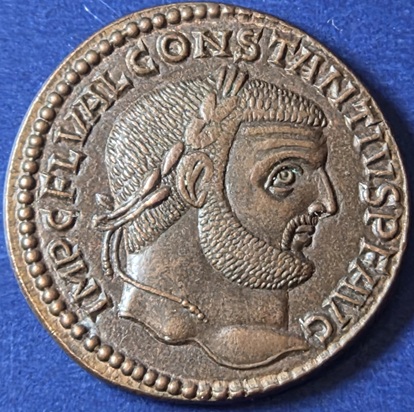 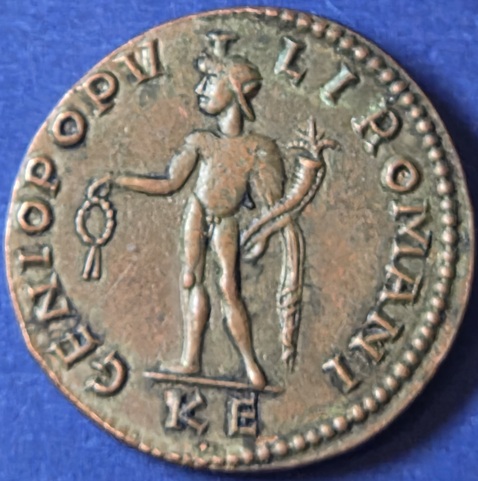 |
| |
Replies: 9 / Views: 1,002 |
|










 Posted 10/16/2025 6:05 pm


