

 Posted 04/20/2026 2:34 pm


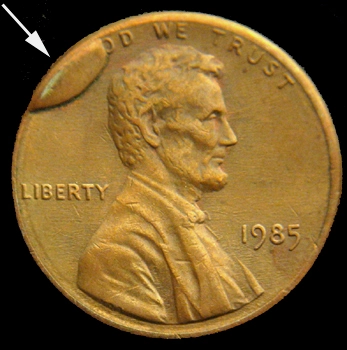
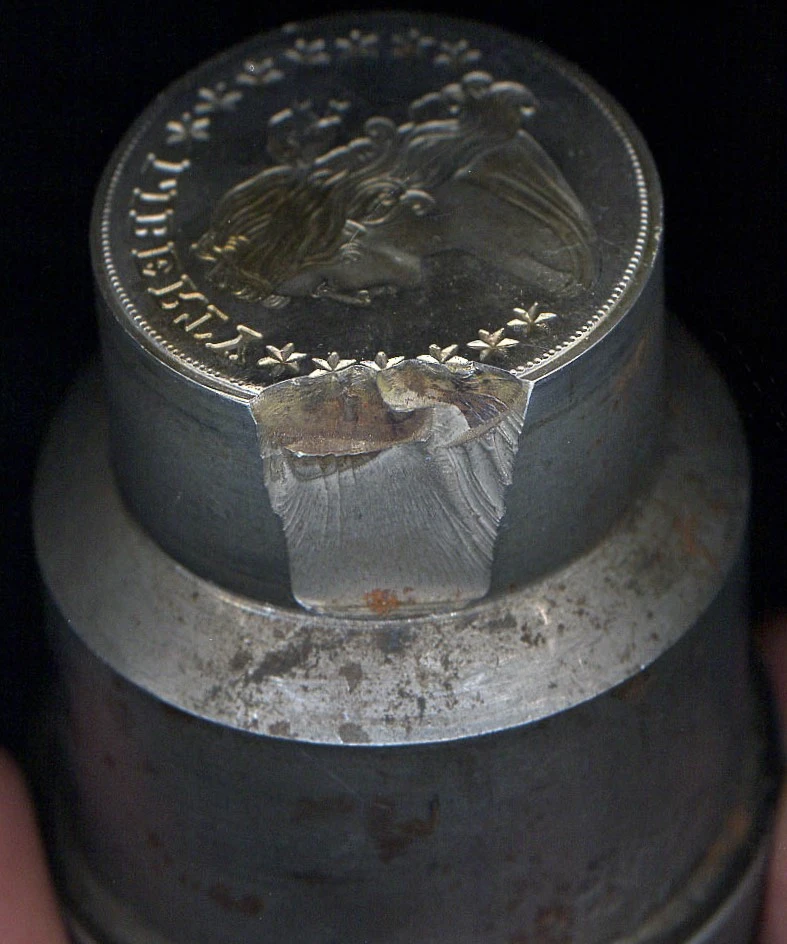
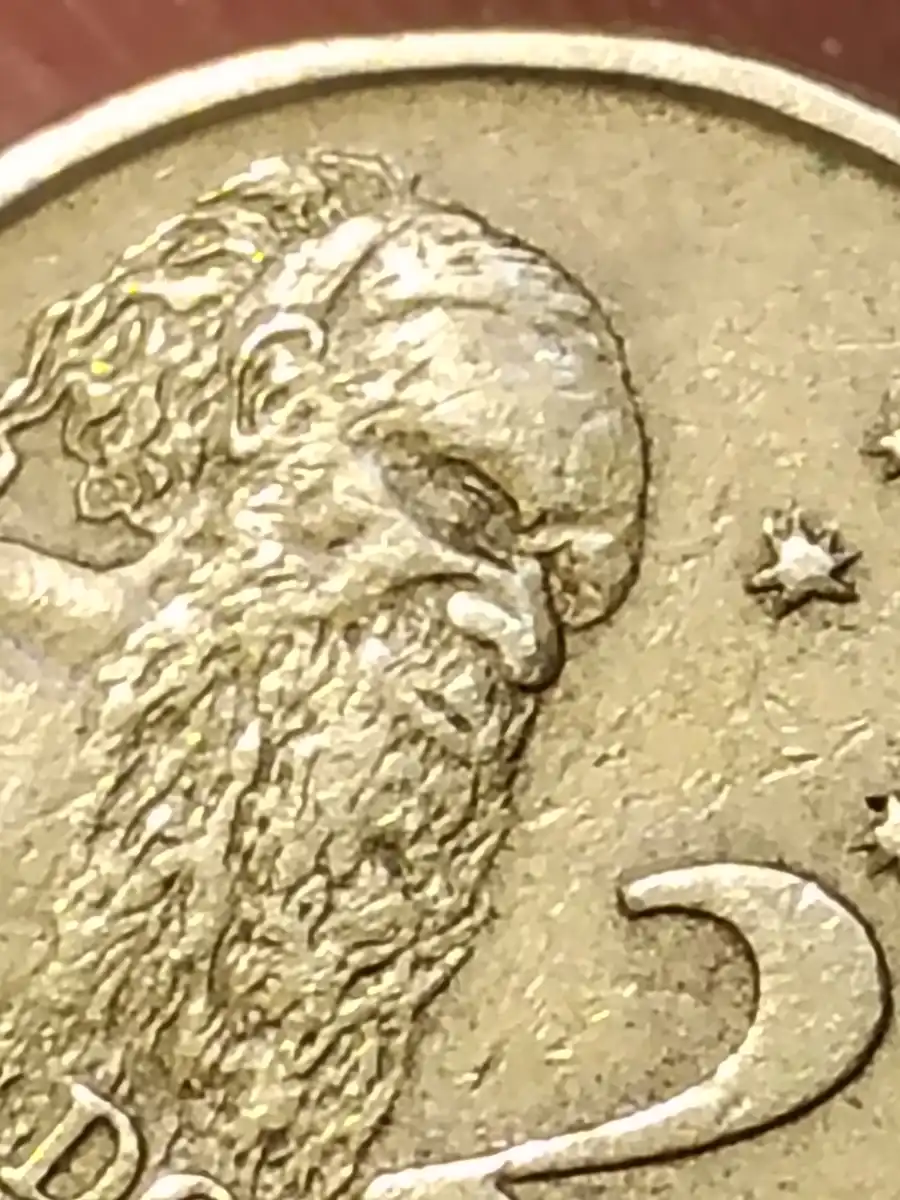
I assumed it was from a die being chipped, causing extra metal to fill the gap and appear as a raised, often blob-like, blob-shaped, or irregular lump on the finished coin.
I would have thought that was more likely than a lump attaching itself to a perfect coin, from being in a cash register?
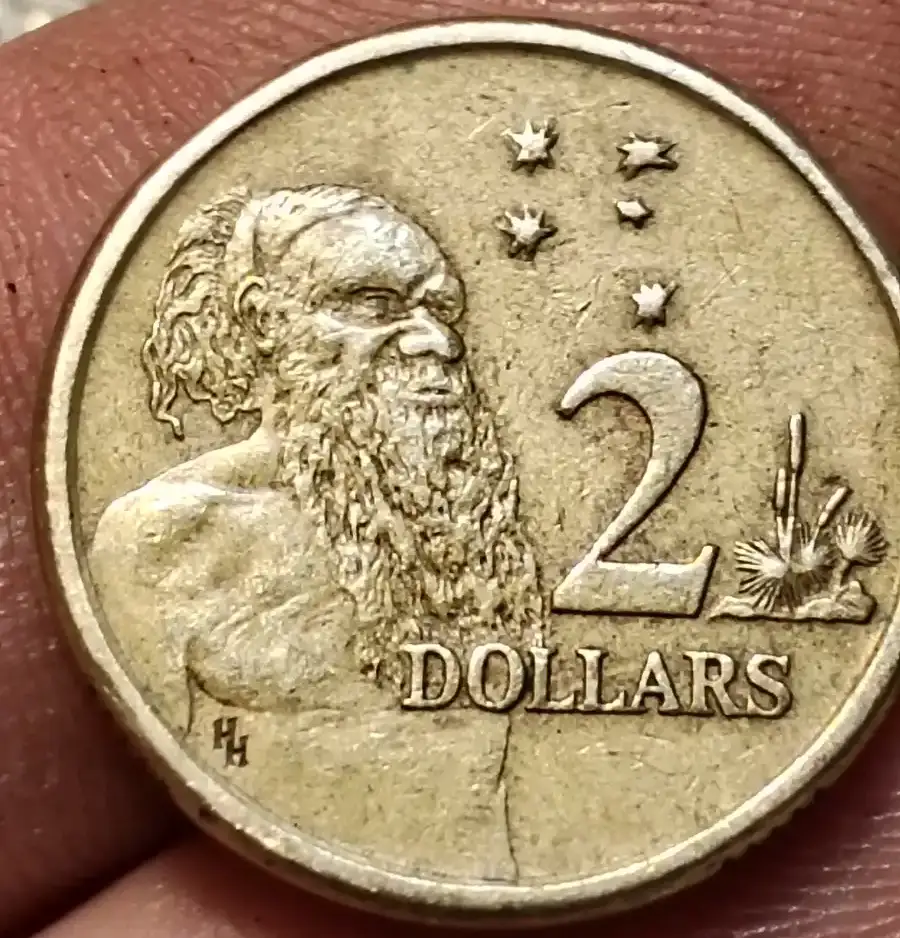
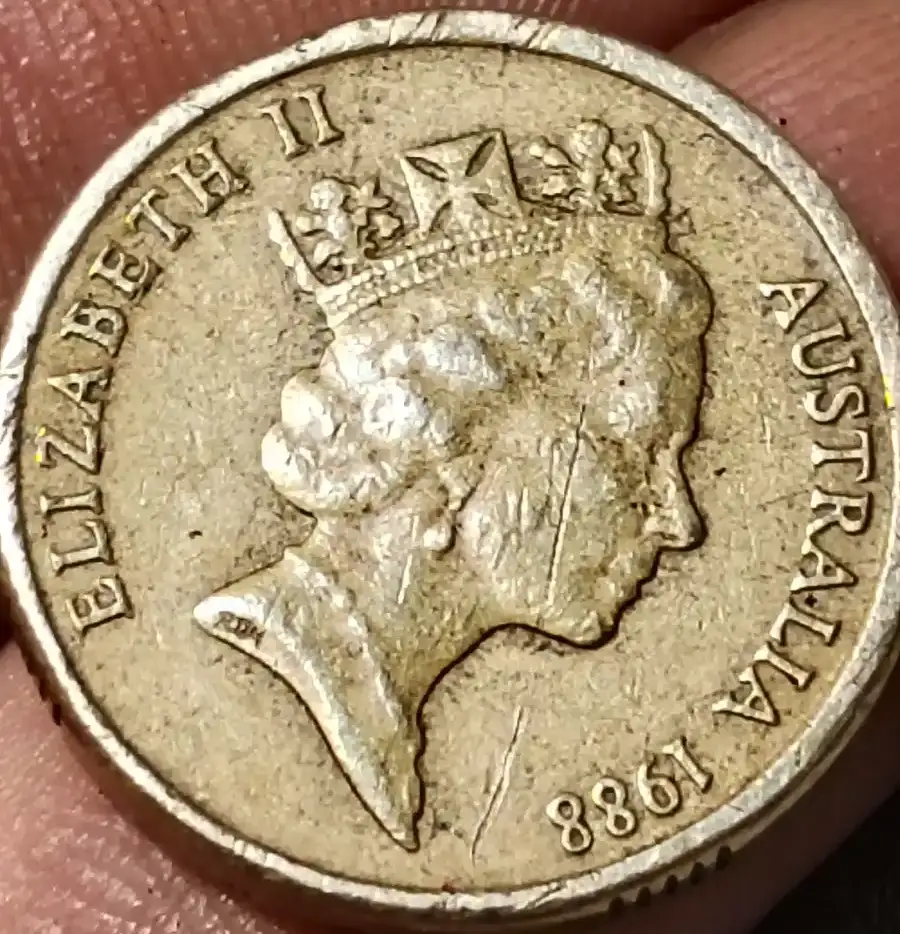
It literally looks like a cats ringhole, I don't understand how wear and tear could add metal and make it look like a cats ring? Unless you can explain how wear and tear or mistreatment can add metal blob over his eye?
Take the 50c bubble donut error for example, a die chip even if I couldn't explain how that happened, wouldn't have made it PMD. What would be more likely a die was chipped or someone added a the bubble donut ? Or the flamingo, if I wasn't able to explain how that was formed would it become PMD by default?
Going by definition it's a chip error regardless of my ability to explain how the chip happened.
Raised Surface: Unlike damage (scratches or dents), which are recessed into the coin, a die chip is always a raised portion of metal.
I would have thought that was more likely than a lump attaching itself to a perfect coin, from being in a cash register?
It literally looks like a cats ringhole, I don't understand how wear and tear could add metal and make it look like a cats ring? Unless you can explain how wear and tear or mistreatment can add metal blob over his eye?
Take the 50c bubble donut error for example, a die chip even if I couldn't explain how that happened, wouldn't have made it PMD. What would be more likely a die was chipped or someone added a the bubble donut ? Or the flamingo, if I wasn't able to explain how that was formed would it become PMD by default?
Going by definition it's a chip error regardless of my ability to explain how the chip happened.
Raised Surface: Unlike damage (scratches or dents), which are recessed into the coin, a die chip is always a raised portion of metal.
Edited by JustRandomCoins
04/20/2026 2:50 pm
04/20/2026 2:50 pm